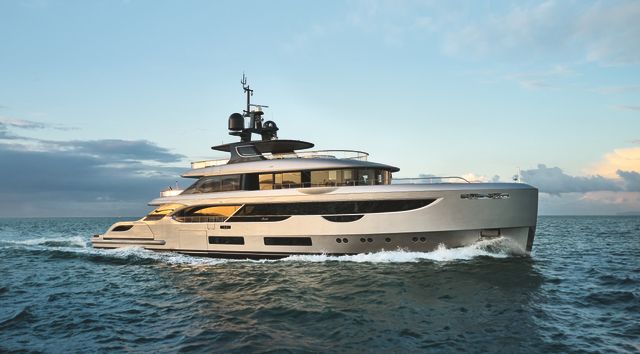
Baglietto DOM133
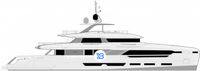
- LOA 40.6m
- Model Year 2025
- Cabins 5
- Crew 8
- Max Speed 17 knots
- Status In Production
- Yacht Type Superyacht
- Use Type Cruising
- Vessel M/Y Andala
Video Tour
On Deck
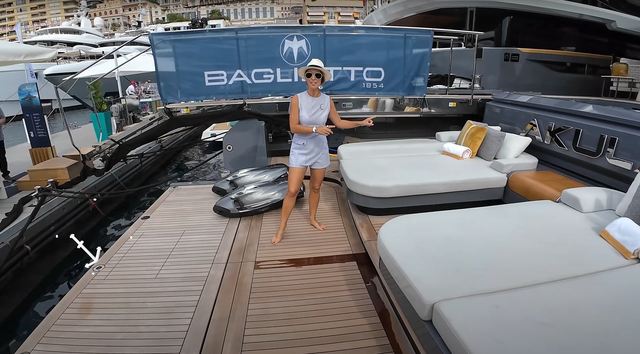
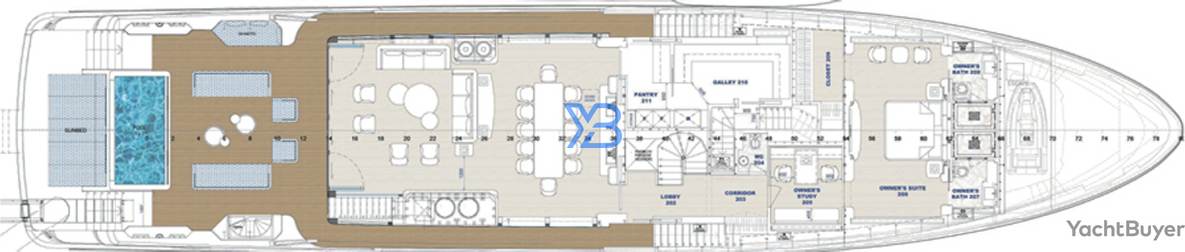
The DOM133 starts with a wide swim platform and an integrated passerelle built into its own cavity. Two hydraulic cylinders drop it into staircase mode, or keep it level so it sits flush as part of the platform. The matching port-side system and its ability to pivot outboard solve the usual bulky passerelle problem and free up space aft. The tall quick-connect shower stands over the platform, and the deck has enough room for loose furniture without blocking access.
Ahead sits the aft pool with a full high-low floor. Lower it for a plunge or raise it flush to turn the whole area into one level terrace that rolls straight into the cockpit. In party mode it becomes a dance floor. The cockpit uses loose furniture chosen for this build and warm composite ceiling panels that keep the space soft and homely without lacquer or paint.
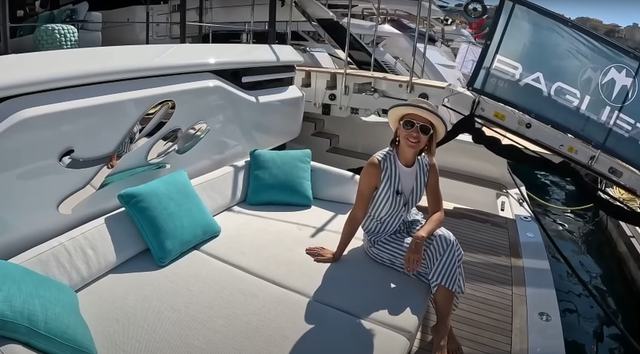
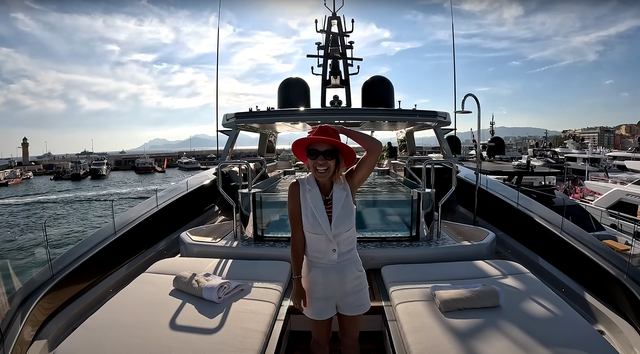
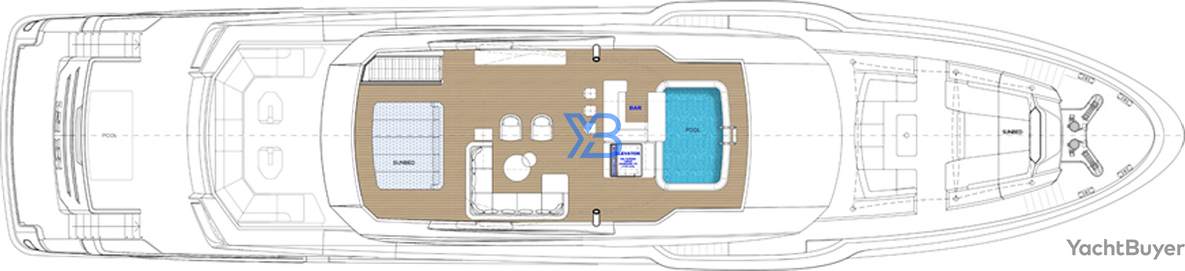
Up on the upper deck, the travertine deck catches the eye. The stone gives a natural, non-slip feel under open sky. Deep sunpads sit either side, a moon roof opens overhead, and the ceiling panels match the main deck aft. A large exterior TV hides inside a carbon-fibre casing.
The entertainment bar runs the full setup: a sliding countertop that opens in one move, an ice maker, a drinks fridge, and a heavy top that lifts to reveal a teppanyaki plate and a 15-kilowatt grill. High-low tables expand for meals or drop for lounging, bar stools line the counter, and a long shaded sofa becomes the natural quiet corner. Loose pieces shift around easily for small groups or big gatherings.
Forward on this deck, the alfresco dining table stands surrounded by fabric-covered director’s chairs that stay comfortable in heat and zip off for cleaning or colour changes. Built-in-style lounge pieces wrap the deck with solid side tables and sliding trays for drinks and coffee setups. A starboard service console supports crew flow.
Foredeck & Working Areas
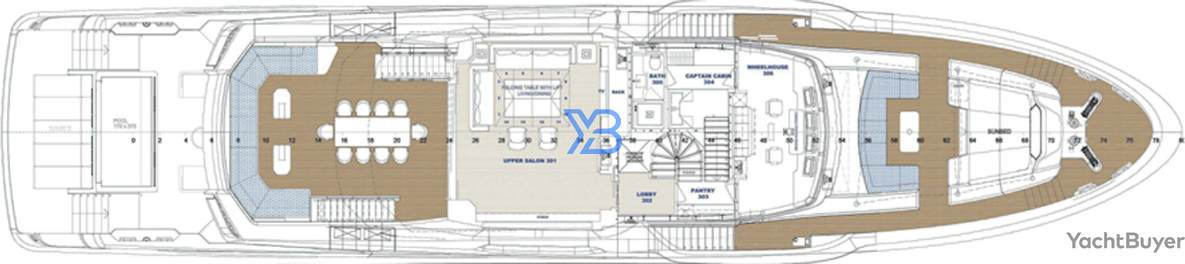
Side doors from the bridge open onto broad wing platforms with drawer-style wing stations. These carry wheel, throttle and shift, rudder and bow-thruster control. The balconies give a clear run of sight along the hull.
The foredeck splits into a social seating area and a working bow. A built-in settee holds folding tables if needed, and a deep sunpad ahead takes four with ease. The view includes the glass front of the upper-deck spa and its carbon-fibre shade poles. The shade cover stows away cleanly when not set.
Forward, the working bow carries a shaped anchor plate and a deep foredeck locker that opens overhead to reveal a crane, trash stowage, and a large volume for gear. The ground tackle sits clean and clearly marked. Cutouts let crew lean in and check the anchor pockets, and with the underwater anchor camera feeding the bridge, the captain reads chain direction without constant radio calls.
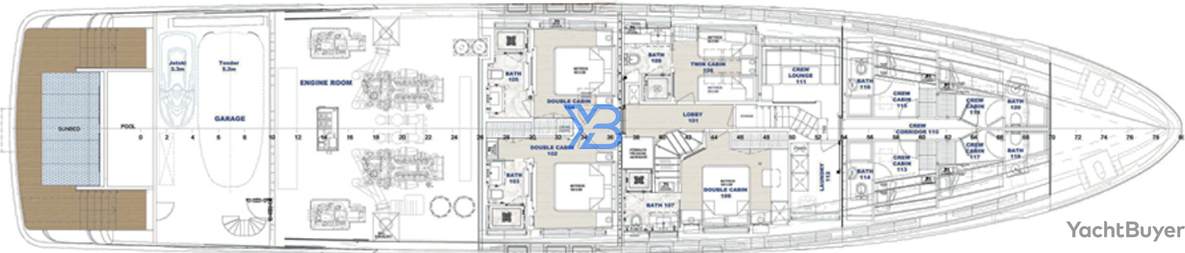
Aft below, the toys garage sits behind the transom door that opens overhead. The space holds jet skis in this setup and can take a tender if an owner wants. Shelving lines the sides, a fueling point feeds toys and chase boat, and a dive compressor sits ready. A separate aft compartment houses the steering gear within easy reach.
Interior Accommodation
The interior starts with a staircase that anchors the whole layout. Travertine blocks form each tread, thick and solid underfoot, with Alcantara lining the inner faces. It feels more like stepping into a villa than boarding a yacht, and that sense carries through the rest of the deck.
The main salon sits forward of the entry lobby and runs full-beam with floor-to-ceiling windows. That choice gives huge views but creates a storage challenge for the interior team, since the usual space for air handlers and cabinetry disappears. The designers answered by hiding fan coils, building storage into unexpected places, and using mirrors to extend the sightlines without crowding the room. The ceiling mirrors soften the column effect and give that “infinite” feel when the yacht sits at anchor.
Loose furniture shapes the room: a long sofa set off the wall so crew can walk behind without interrupting anyone, plus a separate settee by the entry with folding tables that expand for service. A woven-leather bench with custom-dyed leather sits as one of the interior designer’s proudest details. The tone stays warm and low-key, helped by indirect lighting tuned to a very warm 2200K. At night it reads like candlelight, steady and soft with no flicker for cameras or the eye.
Floating shelves run along the windows with gaps that keep the glazing open rather than boxed-in. Everything that looks like it might be storage usually is. Drawers, hidden cabinets, and soft-close pockets disappear into the walls without breaking the clean lines. The pocket door to the side entrance glides away behind a mirrored panel so the space stays open when in day mode.
The day head near the side door uses a mix of wood and marble with a sculptural sink bowl and a mirrored enclosure. It stays compact without feeling squeezed, helped by the window and warm light.
Forward circulation leads toward the owner’s area, but the main deck’s flow keeps crew movement separate. The side entrance brings luggage or service straight into the accommodation without sending crew through the salon, and a hidden door near the forward bulkhead links to crew areas so they can move between decks discreetly.
Owner's Cabin
The owner’s suite sits forward on the main deck and feels more like a private apartment than a cabin. You step in through a small lobby where the audiovisual gear sits tucked behind a clean panel, then the space opens into a proper office with a wide window that pulls light straight across the desk. It’s the sort of corner where someone could sit for hours without feeling boxed in.
A large walk-in closet sits just off the office. This was a direct request from the owner, who wanted the freedom to bring plenty of clothes aboard. The story from the interior team says it all: once the owners arrived and unpacked, there was so much room left that more shopping became the next logical step. The hanging space, shelving, and drawers run deep but don’t feel crowded, and everything fits behind doors that close flush with the wall.
The suite itself has a full king berth with a woven fabric headboard that ties into the custom-dyed leather panels around it. The leather was made in a specific tone for this project, and the woven detail adds texture without pushing the room toward anything too decorative. Opposite the bed sits a second desk or vanity, keeping working space and getting-ready space separate so the room doesn’t feel like it’s doing two jobs at once.
On the starboard side, the private balcony opens with a clamshell motion. The top lifts, the bottom folds down, and the floor section drops into place on its own, so there’s no manual setup for the crew. The idea was to encourage actual use, not just have a balcony that looks good in a brochure. The size works well for morning coffee or a quiet read, and the opening gives the cabin enough breeze that the interior can feel like an outdoor room when conditions allow.
The bathroom spans the full beam forward. Heated floors run underfoot, and the stonework arrives in single large pieces, including the counter sections on each side. Each basin takes a different cut of the same material – one raised, one sunken – so the two halves feel related without matching exactly. Storage hides behind mirrored panels and lower cabinets, all soft-close and built to blend into the wall plane.
The shower sits at the bow and stands tall enough for four peopled with a rain head the size of a ceiling tile. The glazing on the WC compartment uses privacy glass that switches opacity with a button. The overall effect in the bathroom stays warm and plush rather than glossy.
Guest Accommodation
The guest deck sits down a level, reached by the same travertine staircase that anchors the interior. Once below, the layout runs in a loop, and every cabin feels generous enough that picking a single “VIP” becomes guesswork.
The first cabin on starboard carries a European king and a clean run of exposed shelving worked into the forward bulkhead. The leathers and fabrics were all made for this build and carry the same soft, grounded tone as the main deck. Hanging lockers sit on each side of the bed. Instead of pushing the cabinetry deep into the room, the designers recessed the lockers so you keep elbow room along the walkway. It keeps the cabin open even with large storage volumes.
The ensuite lines up with a large stone shower, wide enough for two or three without crowding. The stone sits tight and precise, with grain and joints matched. Storage hides inside panels that look decorative until they open, true to the designer’s brief of “storage everywhere you can.”
The port-side forward cabin mirrors the feel of the starboard cabin. The palette stays soft, with warm fabrics and a clean lighting plan using the same 2200K colour. The light gives the whole guest deck a candlelit warmth at night. More storage hides below the bed and inside the side panels. The ensuite repeats the same stonework and generous shower, with the same tidy built-ins.
A twin cabin sits between the two. The beds lift for storage below, and the cabinetry runs tight along the walls so the space doesn’t feel narrow. The TV is framed into a custom surround that gives the wall some depth without sticking out, a small detail that lifts the room. The ensuite matches the others with a stone-lined shower and more tucked-in storage. Artwork runs through this whole deck, adding colour without feeling staged.
All cabins use the same warm lighting, and the designer’s push for storage comes through everywhere. Panels that look fixed often open to reveal shelves or drawers. Even the base of each bed carries storage compartments. The look stays clean, with the joinery and stonework doing the talking rather than trim or decoration.
A watertight door sits just aft of the staircase, giving quick access to the technical side when needed, and the circulation between cabins stays simple, with each door leading off the central loop.
Crew Accommodation
Crew reach their spaces through a dedicated staircase that runs between the bridge deck and the lower deck, so movement stays out of guest circulation. The entry point from the main deck lands at a small lobby with storage tucked into both sides, then the stairs drop into the crew mess.
The mess feels bright for a lower-deck workspace. The lighting stays warm and even, and the layout avoids the usual closed-in feeling. A large TV faces the table, and a repeater for the monitoring system sits nearby so the crew can keep an eye on alarms and systems without heading back to the bridge. A coffee machine, microwave, and a compact sink sit against one wall, along with storage for dry goods and day-to-day gear.
Next to the mess sits the laundry zone, fitted with two Miele Professional machines and a deep sink. The setup gives enough room for real daywork without spilling out into the corridor.
The cabins themselves run off the same passage. Shown on the tour was a bunk cabin with a proper hanging locker, a desk built into the bulkhead, and an ensuite fitted with a full shower rather than a wet head. The second cabin mirrors it. The desks stand out, since not every yacht in this range gives crew workspace in the cabins.
Forward of the mess, a fire door links into the galley, and from there crew can move straight up to the bridge deck without crossing guest areas. The galley itself sits on the main deck and reads like a compact commercial kitchen with a four-burner induction cooktop, combi oven, quick-cycle dishwasher, large sink, and a refrigerator wall that stacks six units including freezers. The colour of the cabinetry leans toward a grey-olive-eggplant mix that suits the rest of the interior. A window over the counter adds light and air, a real boost for any chef working long days.
A fire door marks the galley as part of the vessel’s class requirements, and the side entrance next to it gives crew a clean pathway to the exterior decks and loading areas.
Performance & Engine Room
Access to the technical spaces starts aft, where the toys garage leads straight into a broad machinery bay. There’s enough headroom to move around without ducking and enough walkway space that the engineer can reach every major system without squeezing past pipe runs.
A frequency converter sits by the entrance. One generator sits on the starboard side with the second unit to port. The ventilation fans maintain a steady airflow, so the noise stays even rather than sharp when equipment is running.
The yacht runs on twin Caterpillar C32s at 1,622hp each. They sit deep in the space with clear service paths on all sides and a tidy electrical panel forward where checks can be done without weaving through equipment. With this setup the yacht runs at a 15-knot cruising speed, reaches about 17 knots at the top end, and covers roughly 3,500 nautical miles at 10 knots.
The ThermoDynamica air-conditioning system stands out here. Instead of a chilled-water loop, the system pushes refrigerant gas directly through the lines, with each air handler working as its own condenser. That gives tight control over temperature and humidity and keeps the air feeling crisp even when doors are open. Power draw stays low. While the yacht sat open for show traffic, many of the handlers running and the doors cycling constantly, the system pulled around 6000 watts. For a 40-metre yacht, that’s a light cooling demand.
The plant itself sits compactly aft in the engine room and runs quiet enough that normal conversation stays easy. Additional modules sit along the port side. Nearby, the watermaker lives on an upper shelf with its membranes mounted behind. Fire suppression, spares stowage, bilge access and the pump sets line the outboard walls in a logical run.
Further aft, a treatment unit handles the ballast tanks, filtering and conditioning the discharge so the yacht can empty them offshore without contaminating the water.
Ownership Considerations
Owning a DOM133 centres on predictable running behaviour, workable crew demands and a yard that knows how to support its yachts long after delivery. The design helps the crew keep pace with daily service thanks to clear circulation routes, a bright mess, proper cabins with desks, and a galley built around commercial-grade appliances and large cold-storage capacity. A yacht of this size normally settles with a crew of six or seven, with an eighth added when guest schedules run heavy or when charter demand builds through the season.
Baglietto’s after-sales support is a practical advantage. The La Spezia yard functions as a full refit and service point, and the partner network covers routine maintenance and warranty follow-up without forcing the yacht back to the main yard. Because these yachts often carry custom joinery, stone and leatherwork, owners tend to lean on the yard for refit planning so any replacements match the original spec. The technical spaces make that process easier, with service points laid out cleanly and daywork checks kept simple for the engineer.
Dockage and logistics stay straightforward. At just over 40 metres, the yacht fits into most marinas without the space restrictions seen in larger tri-decks. Shore-power draw is lighter than usual for a yacht in this class, thanks to the efficient cooling system, so marinas with tiered charging structures tend to be easier on the wallet. Insurance, routine haul-outs and soft-goods refreshes follow the usual rhythm for a yacht of this size, and owners often plan a light winter yard period each year with a larger refit every few seasons.
For buyers comparing within this segment, YachtBuyer Market Watch maintains an up-to-date overview of current pricing for the DOM133.
As for rivals, yachts like the Sanlorenzo SD132 and Benetti Oasis 40M sit in the same broad bracket, but most of the decision comes down to which yard’s approach to service and customisation suits the owner best.
In Summary
The DOM133 feels at ease in every mode, from slow passages to full social days on deck. The decks open up for relaxed days or big gatherings, and the interior keeps a warm, grounded tone with plenty of hidden storage. The owner’s suite works like a small apartment, the guest cabins hold their own, and the crew can move through the boat without fighting the layout. With a quiet engineering setup, efficient AC, a 15-knot cruise and long range at 10 knots, it delivers the mix of comfort and ability an active owner needs.
Looking to own a Baglietto DOM133? Use YachtBuyer’s Market Watch to compare all new and used Baglietto DOM133 Yachts for sale worldwide. You can also order a new Baglietto DOM133, customized to your exact specifications, with options for engine choice and layout configuration. Alternatively, explore our global listings of new and used yachts for sale and find your perfect yacht today!
Specifications
- Builder Baglietto
- Range DOM Line
- Model DOM133
- Length Overall 40.6m
- Beam 8.7m
- Draft 2.1m
- Hull Aluminium
- Cabins 5
- Berths 6
- Crew 8
- Yacht Type (Primary) Superyacht
- Use Type (Primary) Cruising
- Cruising Speed
- Max Speed
Available Stock
Interested in a DOM133?
NEW Build
Find your local dealer for a personalised, no-cost consultation
or just request
Brochures & Pricing
Used & In Stock
Looking for a ready-to-go DOM133 or pre-owned options? Explore all inventory of the DOM133 available worldwide