
Yacht accidents are not limited to dramatic emergencies at sea. Many involve everyday situations such as marina manoeuvring, underwater obstacles, wet decks or equipment failures. This guide looks at some of the accidents yacht owners may encounter, what can contribute to them and the types of damage or consequences that can follow.
- What kinds of accidents happen on yachts?
- Why do yachts run aground?
- How do yachts get damaged in marinas?
- What causes collisions between yachts?
- How do people fall overboard from yachts?
- What causes water to enter a yacht?
- What causes fires on yachts?
- What accidents can happen with tenders and water toys?
- What injuries can happen on board without a major accident?
- What happens after a yacht has been damaged?
- Can previous accidents matter when buying a used yacht?
- FAQ
- Important information
What kinds of accidents happen on yachts?
Yacht accidents range from relatively minor incidents to serious emergencies.
Some happen while the yacht is underway, such as grounding or colliding with another vessel. Others occur in marinas, where wind, current and confined spaces can contribute to contact with pontoons, piles or neighbouring yachts.
Accidents can also happen without the yacht itself being damaged. Slips and falls, people entering the water and incidents involving tenders or water toys are all part of the wider safety picture.
Mechanical and equipment problems can create another category of incident. Water ingress and fire, for example, can begin with the failure of a relatively small component before developing into something much more serious.
The circumstances and consequences vary considerably according to the yacht, conditions and people involved.
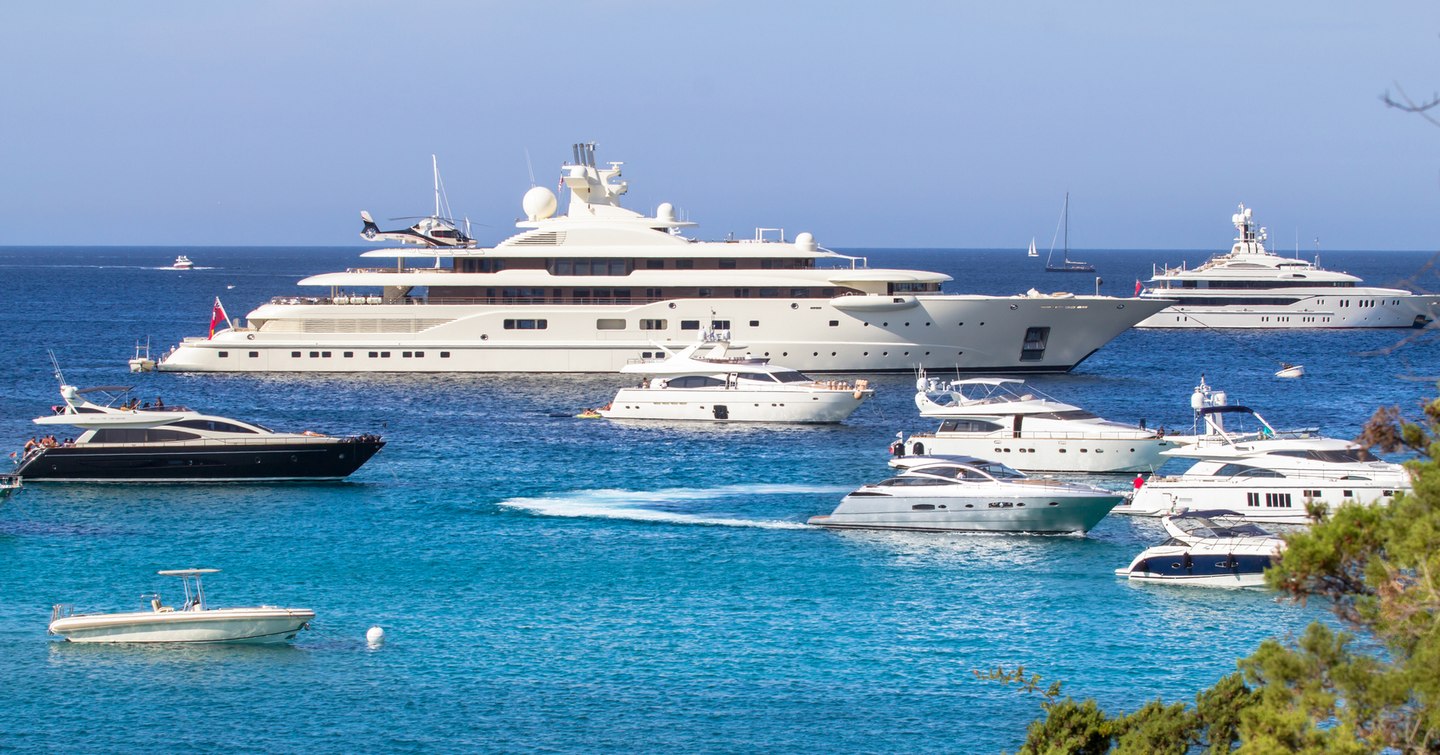
Why do yachts run aground?
A grounding happens when part of a yacht comes into contact with the seabed, rocks, a reef or another underwater obstruction.
It can happen in shallow or unfamiliar waters, but familiar cruising grounds are not necessarily risk-free. Tides, visibility, navigational errors and differences between expected and actual water depth can all play a part.
The consequences depend heavily on the circumstances. A low-speed grounding on soft mud may have very different implications from striking rock at speed.
Depending on the yacht and impact, damage can potentially affect the hull and underwater equipment such as propellers, shafts, rudders, drives or stabilisers. Water ingress can also become a concern if the hull or a fitting is damaged.
Established navigation practice places importance on passage planning, appropriate lookout, safe speed and understanding the yacht's draught and surrounding waters. Owners who are unsure about navigation or operating in unfamiliar waters can seek appropriate professional training.
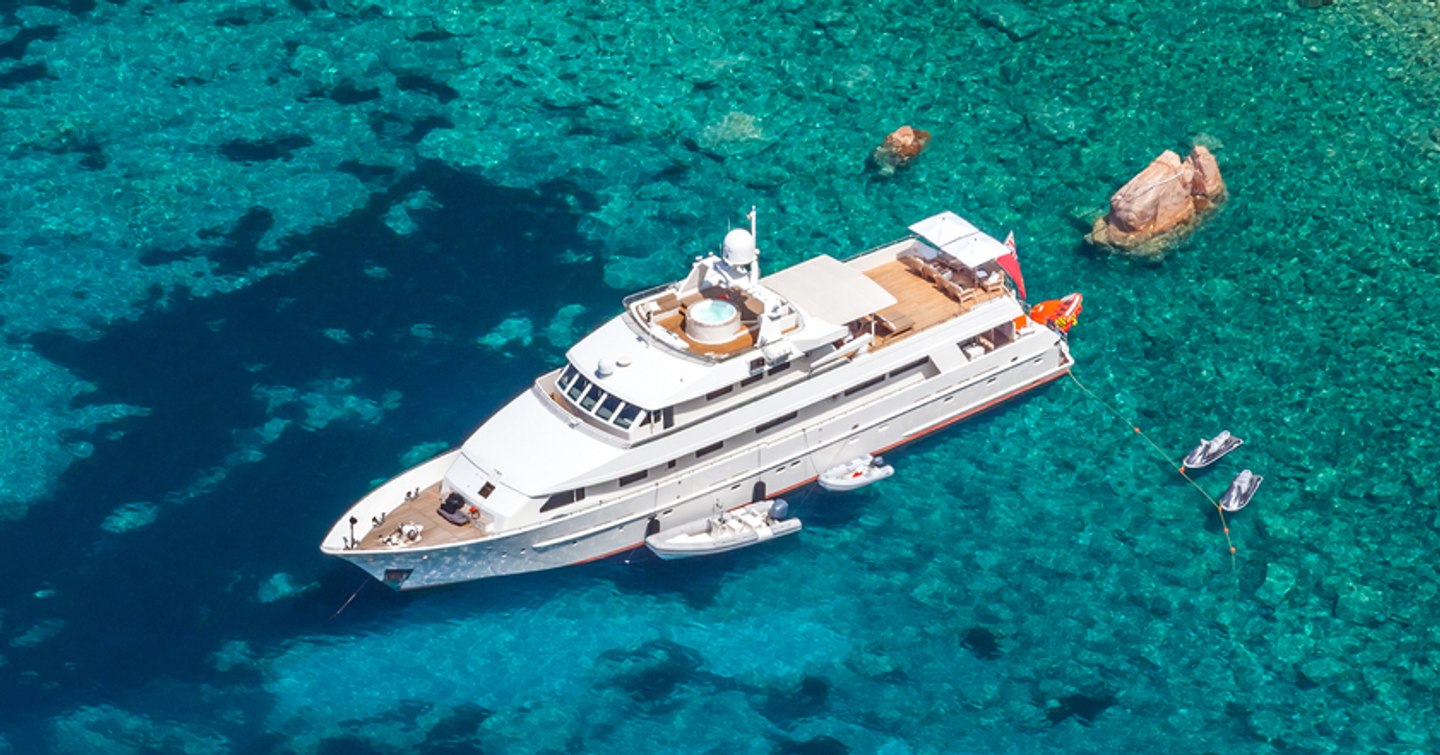
How do yachts get damaged in marinas?
Not every yacht accident happens at sea. Berthing and manoeuvring in marinas can result in anything from superficial marks to more substantial damage.
A yacht may make contact with a pontoon, piling, harbour wall or another vessel. Fenders can move out of position, while wind or current can move a yacht differently from the way the person at the helm expects.
Larger yachts can present additional challenges because of their weight, dimensions and windage. Even at relatively low speeds, contact can potentially damage paintwork, gelcoat, railings, rubbing strakes or other fittings.
Lines can create problems too. A rope entering a propeller or propulsion system can damage equipment and leave the yacht without normal manoeuvring ability.
Professional boat-handling tuition is available for owners who want to become more familiar with the characteristics of a new or larger yacht.
Related guide:
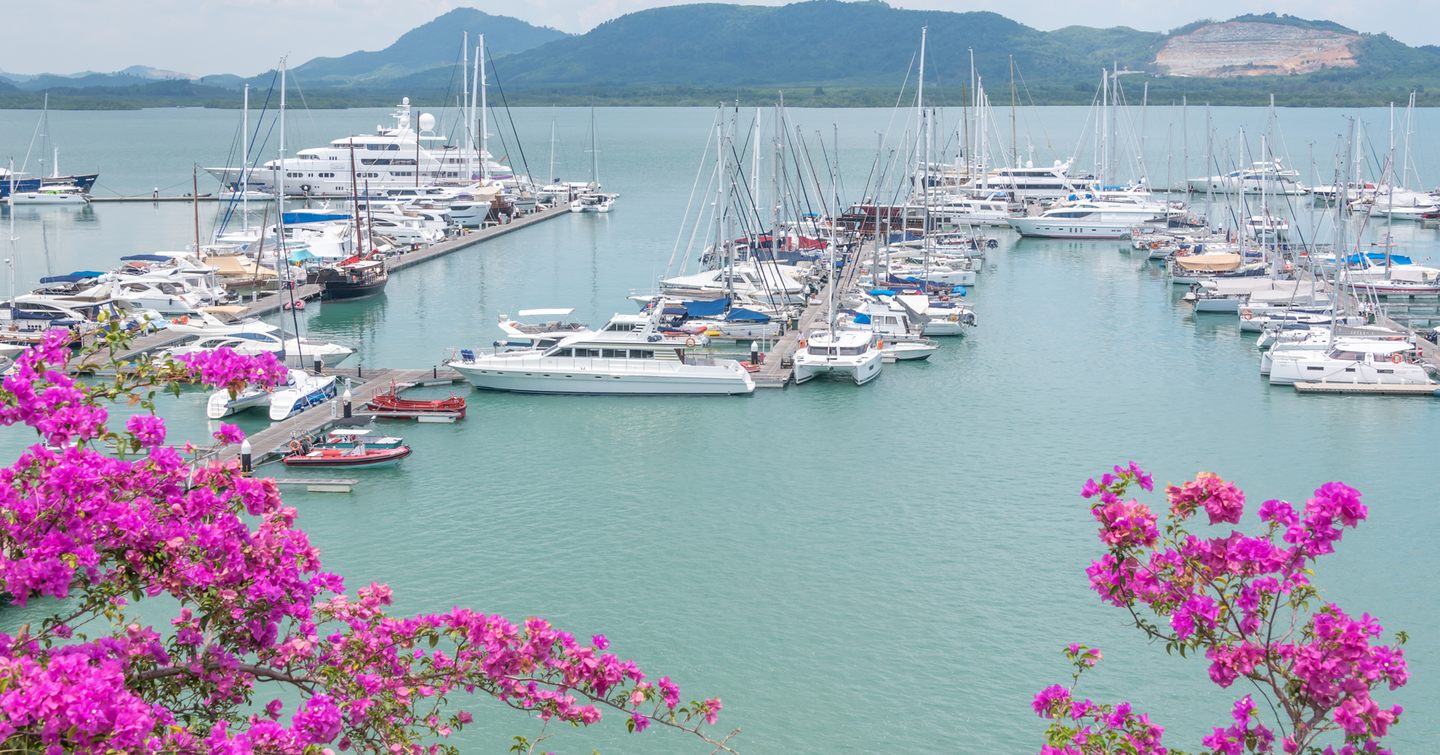
What causes collisions between yachts?
Vessel-to-vessel collisions can occur in open water, harbour approaches and congested waterways.
Visibility, traffic, speed, situational awareness and navigational decision-making can all influence the circumstances surrounding a collision.
The International Regulations for Preventing Collisions at Sea, known as COLREGs, establish navigation rules intended to help vessels avoid collisions. Their application depends on the situation, which is why appropriate knowledge and training are important for anyone responsible for navigating a yacht.
The consequences of a collision vary considerably. A glancing impact might cause relatively limited external damage, while a more significant collision could affect the hull, superstructure or machinery and potentially result in water ingress.
Following a substantial impact, damage is not always visible from above the waterline. Professional assessment may therefore be appropriate depending on the circumstances.
Related guide:
How do people fall overboard from yachts?
A person can enter the water for many reasons, including losing their footing, unexpected movement of the yacht or falling from an exposed area of deck.
Wet surfaces, rough conditions and limited handholds can increase the difficulty of moving safely around a yacht. Alcohol may also affect balance, judgement and reaction times.
The consequences depend on factors including water temperature, sea conditions, visibility, distance from assistance and whether suitable flotation is being worn.
A person-overboard incident also creates the challenge of locating and recovering somebody from the water.
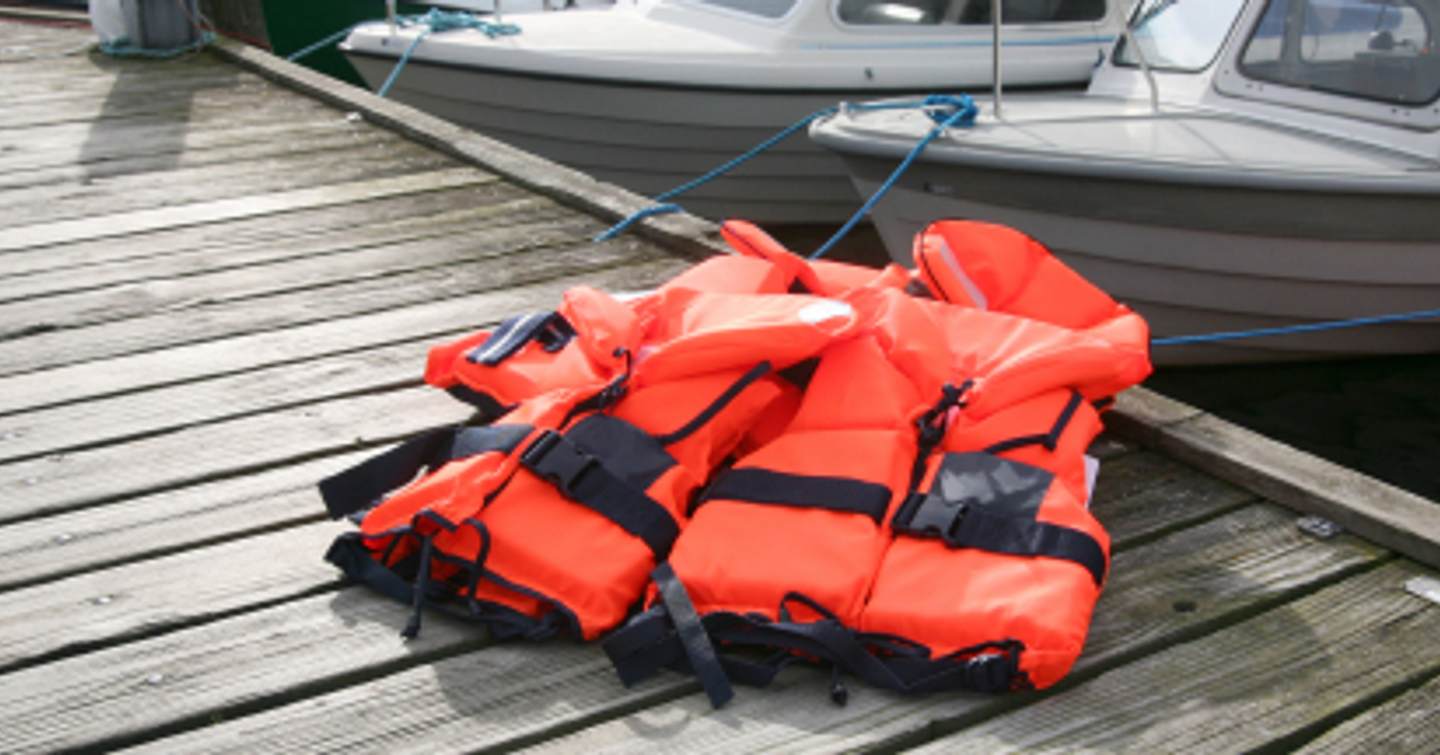
Lifejackets, recovery equipment and man-overboard procedures form part of yacht safety planning. The equipment required and appropriate procedures can vary according to the yacht and how it is operated, so owners should refer to applicable regulations, manufacturer guidance and recognised professional training.
Related guide:
What causes water to enter a yacht?
Flooding or water ingress does not necessarily begin with obvious damage to the hull.
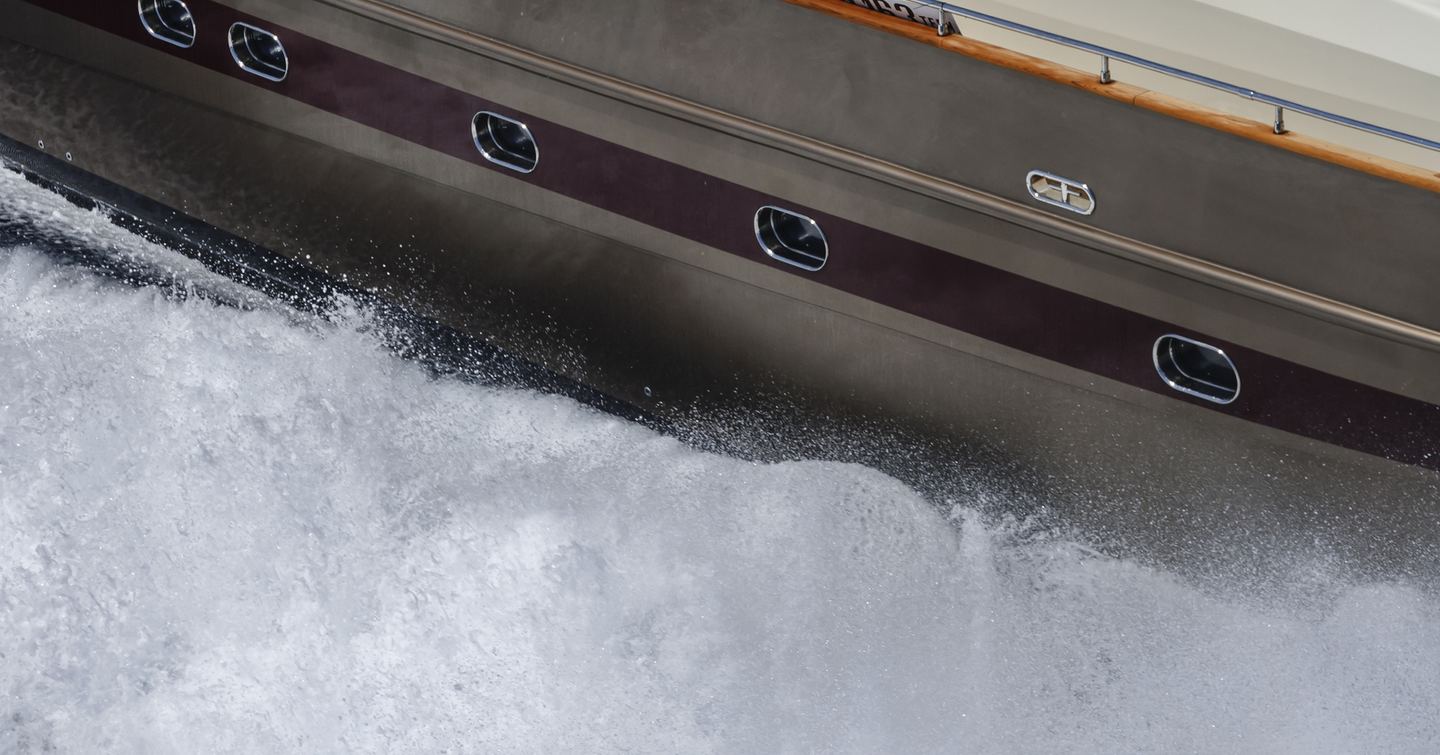
Water can potentially enter through damaged hoses, seals, through-hull fittings, seacocks or openings such as hatches and ports. Grounding or collision damage can provide another possible route.
The severity depends on where the water is entering, how quickly it is entering and whether the source can be controlled.
Bilge pumps and alarms are among the systems commonly used to detect or manage water in a yacht, while hoses, seacocks and through-hull fittings are areas normally considered as part of inspection and maintenance.
Because systems differ between yachts, maintenance and operation should follow the relevant manufacturer instructions and professional guidance.
Unexpected water in the bilge can have many possible causes. Where its source or significance is unclear, professional investigation may be appropriate.
Related guide:
What causes fires on yachts?
Fire is less visible as an everyday ownership risk than minor berthing damage, but its potential consequences make it an important area of yacht safety.
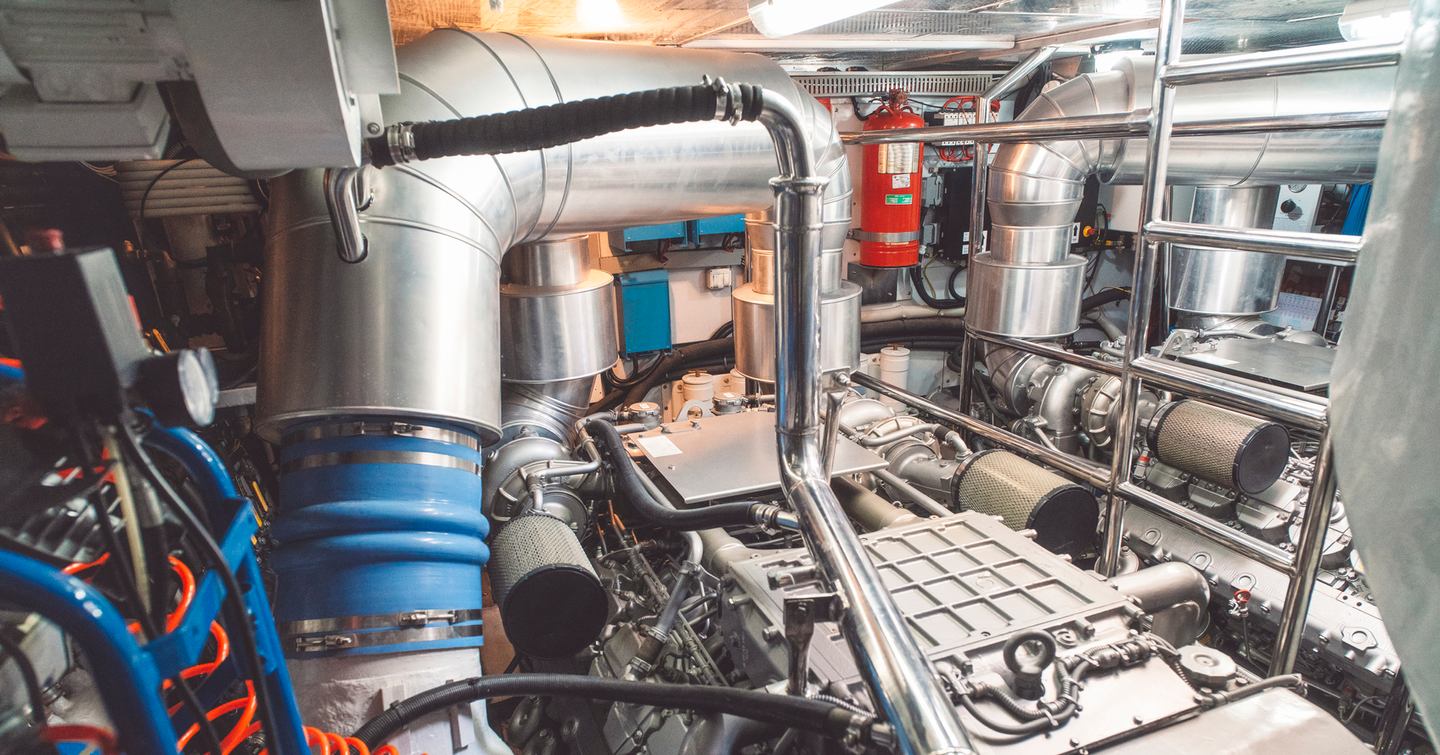
Possible sources include electrical faults, machinery, fuel or oil, cooking equipment and other onboard systems.
Modern yachts also carry increasing numbers of rechargeable devices, tenders and water toys. Lithium-ion batteries require appropriate charging, storage and maintenance in accordance with their manufacturer's instructions.
The effect of a fire depends on where it starts, how quickly it is detected and the systems available on board. Fire can potentially damage machinery, electrical systems, accommodation and structural components, while smoke presents an additional danger to people on board.
Fire detection, suppression and firefighting arrangements vary between yachts. Owners should follow the requirements applicable to their vessel together with equipment manufacturer instructions and advice from appropriately qualified professionals.
What accidents can happen with tenders and water toys?
For many yacht owners, time on the water involves much more than operating the yacht itself.
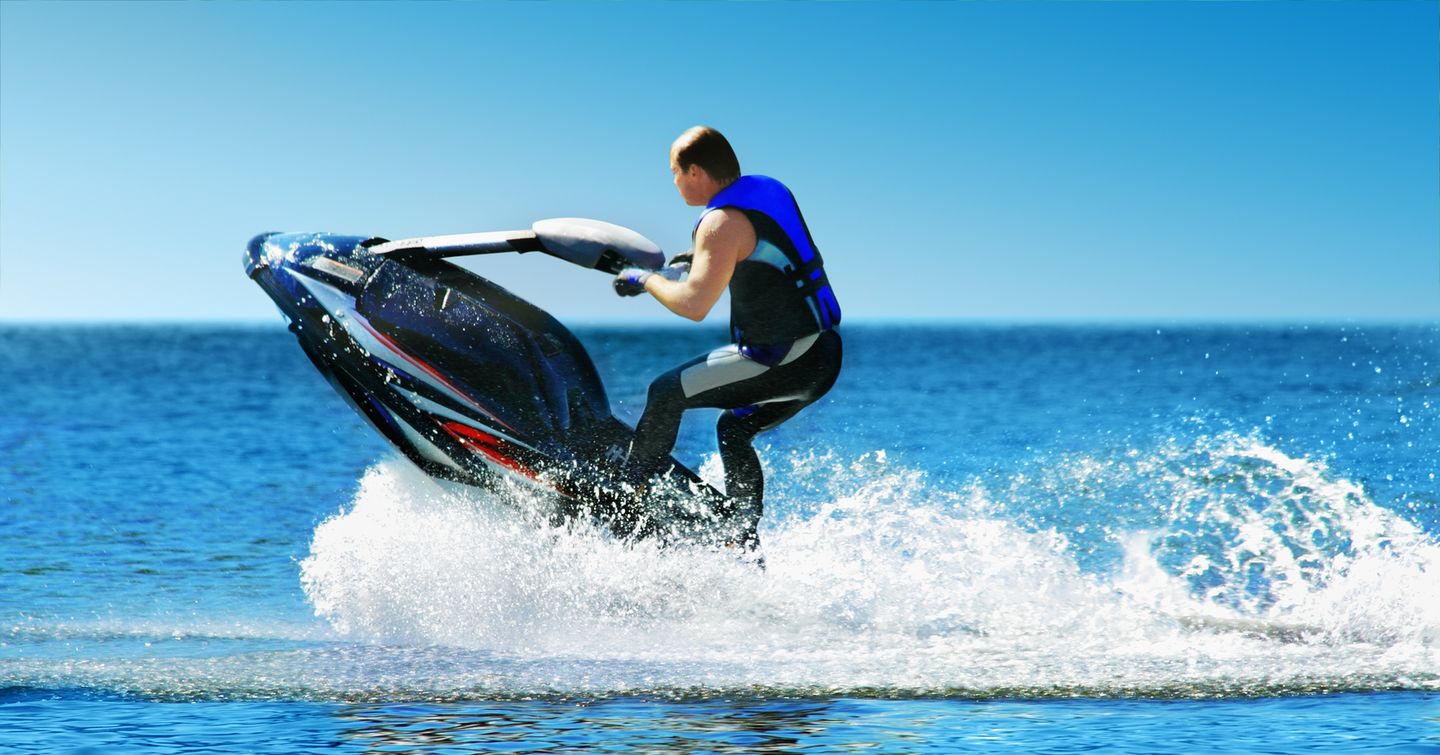
Tenders, personal watercraft and other water toys introduce their own risks. Incidents can occur during launching and recovery, while transferring between vessels or when equipment is being operated away from the yacht.
Tender accidents can include contact with the mothership, docks, other vessels or underwater objects. Passengers may also be injured through sudden movement or while boarding and disembarking.
Personal watercraft and powered water toys introduce additional considerations around speed, other water users and local regulations.
The appropriate qualifications, safety equipment and operating requirements depend on the equipment and location. Owners should therefore check applicable local rules and manufacturer guidance and use suitably trained operators where required.
What injuries can happen on board without a major accident?
An accident does not have to involve damage to the yacht.
People can slip, trip or fall while moving around decks, stairs and interior spaces. Wet surfaces, unexpected yacht movement and changes in level can all contribute.
Line handling is another area where injuries can occur. Mooring lines can be placed under substantial loads, particularly on larger yachts, which is why trained crew treat line handling as a specific operational task.
Other injuries can occur when boarding or leaving the yacht, transferring to a tender or using onboard equipment.
The circumstances differ significantly between vessels, so appropriate onboard procedures and professional training are particularly important where owners or guests are unfamiliar with the yacht.
What happens after a yacht has been damaged?
What happens next depends entirely on the nature and severity of the incident.
Minor cosmetic damage caused while berthing may require little more than professional repair. A grounding, substantial collision, fire or significant water ingress may require a much more detailed investigation.
Some damage can also be difficult to see. Underwater machinery, structural components and internal systems may be affected even when external damage appears limited.
Depending on the incident, an owner may need to involve the yacht's captain or management company, marina, insurer, surveyor, repair yard or relevant authorities.
Insurance policies can also contain requirements relating to notification and claims, so owners should refer to the terms of their individual policy rather than assuming the same procedure applies in every case.
Related guides:
Can previous accidents matter when buying a used yacht?
Yes. Previous damage does not automatically make a yacht unsuitable to buy, but understanding what happened and how it was repaired can be important.
Groundings and collisions may have affected underwater gear or structural areas. Water ingress can raise questions about electrical equipment, machinery and interior materials, while a previous fire may have implications beyond the immediately visible repair.
Documentation can therefore be valuable. Maintenance records, repair invoices, photographs and survey reports may help establish what work was carried out.
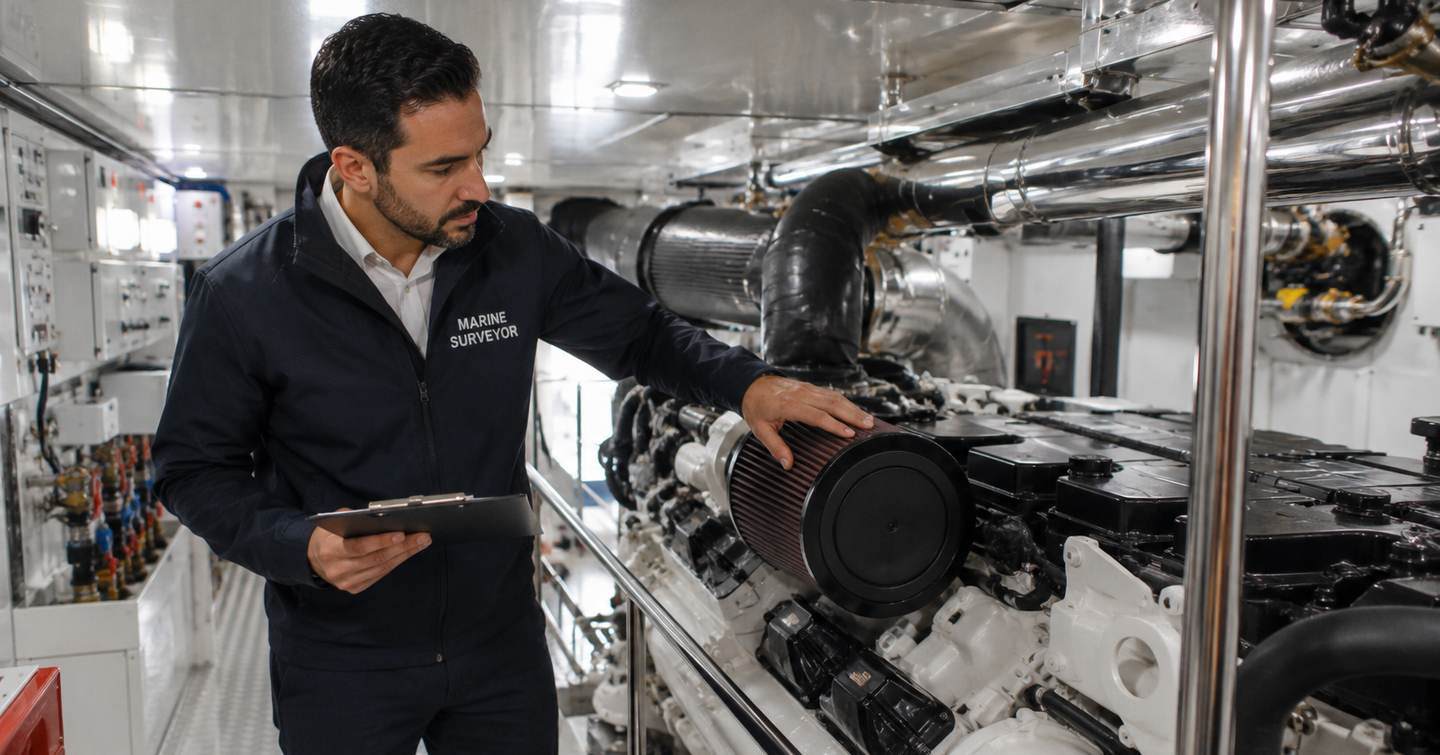
A professional pre-purchase survey provides an independent assessment of the yacht's condition at the time of inspection. Depending on the yacht and its history, additional specialist inspections may also be recommended by the professionals involved.
Related guide:
The significance of an accident can extend beyond the initial repair. Damage history, time spent out of service and the quality of subsequent maintenance can all become part of a yacht's ownership story.
When comparing used yachts, buyers can use YachtBuyer MarketWatch and Intelligence to understand the wider market, including asking prices, specifications and competing yachts for sale.
FAQ
What is considered a yacht accident?
Yacht accidents can include grounding, collisions, berthing damage, fire, flooding and incidents involving people on board.
Can a minor grounding damage a yacht?
Yes. Depending on the seabed, speed and yacht design, damage can affect the hull, propellers, shafts, rudders or other underwater equipment.
Can you buy a yacht that has previously been damaged?
Yes. Previous damage does not necessarily make a yacht unsuitable, but buyers should understand what happened, review repair records and arrange an appropriate professional survey.
Can yacht accident damage be hidden?
Yes. Underwater equipment, structural components and internal systems can sometimes be affected even when external damage appears limited.
Does yacht insurance cover accidental damage?
It depends on the individual policy, circumstances and exclusions. Owners should check their policy or speak to their insurer or broker about specific cover.
Important information
This article provides general information about yacht accidents and is not a substitute for professional safety, navigation or technical advice. Requirements and procedures vary by yacht, location and operation.
Looking to own a yacht? View all new and used superyachts for sale, tracked in real time by YachtBuyer MarketWatch. We scan the entire market to ensure access to genuine listings, helping you save time. Alternatively, explore all other yachts for sale.
