
While under-insurance is often discussed, over-insurance receives far less attention. Yet market values can change significantly over a yacht's lifetime, particularly in the brokerage market where every vessel is effectively unique. Understanding how insurers determine value and reviewing your cover regularly can help ensure you're paying for the protection you actually need.
- What does over-insuring a yacht mean?
- Why isn't a bigger insured value always better?
- What can the Galatea case teach yacht owners?
- How has the law changed?
- Does a refit increase your yacht's insured value?
- How often should you review your yacht's insured value?
- How do insurers decide what a yacht is worth?
- How can you avoid over-insuring your yacht?
- FAQ
What does over-insuring a yacht mean?
Over-insurance occurs when the amount your yacht is insured for is significantly higher than its current insurable value.
This often happens because owners continue renewing policies using the original purchase price or build contract value, even though the yacht's market value has changed. In some cases, owners may also assume expensive refits or upgrades automatically justify maintaining a much higher insured value.
Unlike cars, yachts do not follow predictable depreciation curves. Two yachts of the same size and age can have dramatically different values depending on the builder, maintenance history, specification, condition and market demand. As a result, there is no simple formula for deciding how much cover is appropriate. Industry experts and even the courts have recognised that valuing superyachts is an inherently subjective exercise due to the limited number of comparable sales and the lack of publicly available transaction data.
Related Article:

Why isn't a bigger insured value always better?
An agreed value policy does not guarantee you'll receive whatever figure appears on the certificate if that value was based on incomplete or inaccurate information.
Insurance is designed to restore your financial position after a loss, not provide a financial gain. If the insured value bears little resemblance to the yacht's realistic market value and the insurer was unaware of relevant information when the policy was arranged, it can create problems during a claim.
Perhaps more surprisingly, a higher insured value also means higher premiums. If your yacht is insured for millions more than its realistic value, you could simply be paying more every year without receiving any meaningful additional protection.
Related Guides:
What can the Galatea case teach yacht owners?
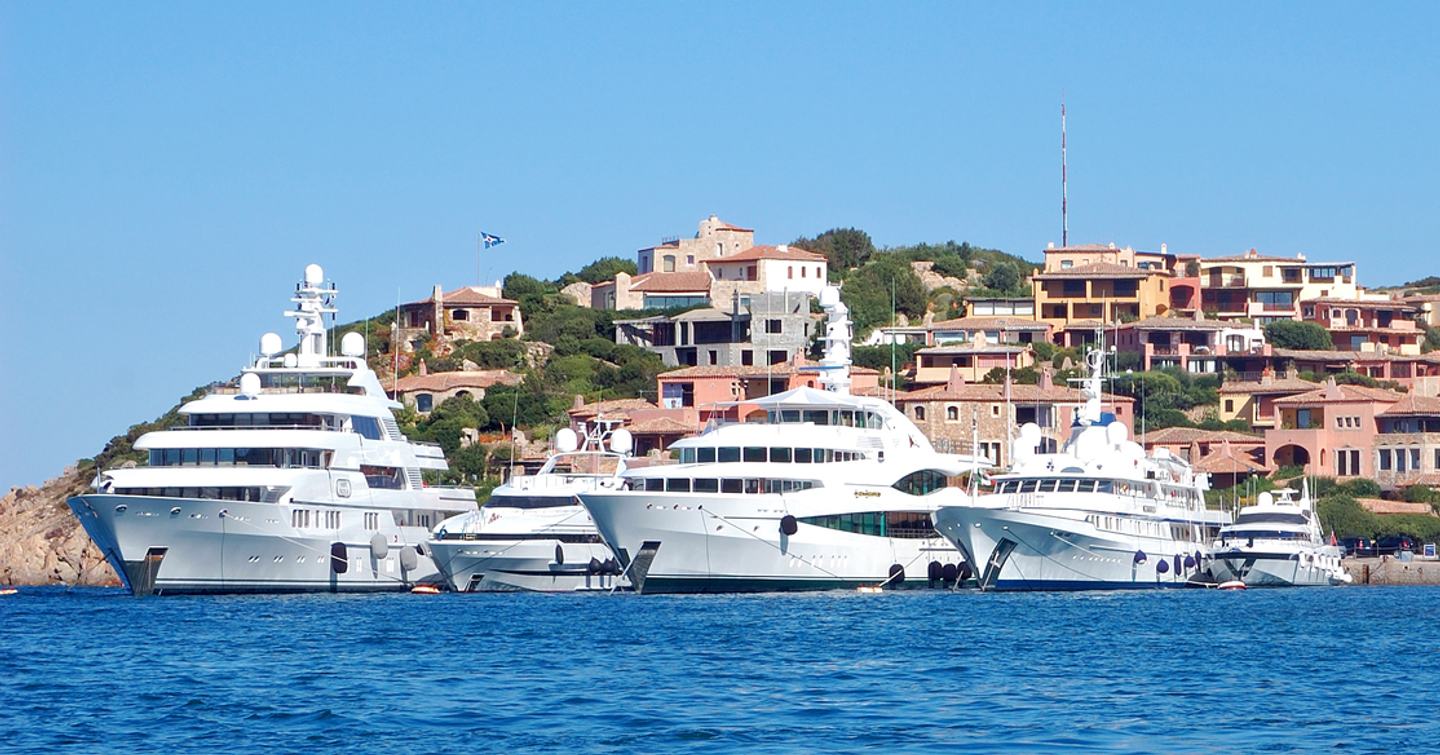
One of the best-known examples involved the 36-metre Riva yacht Galatea.
The yacht had been insured for an agreed value of €13 million, despite professional valuations suggesting she was worth closer to €7-8 million and being actively marketed for sale at €8 million. Following a fire that resulted in a constructive total loss, the insurers successfully argued they had not been told about these lower valuations or the asking price when the policy was arranged.
The court ruled that these facts were material to the insurance contract. Because they had not been disclosed, the insurer was entitled to avoid the policy entirely under the law that applied at the time, leaving the owner without recovery under the insurance policy. The case highlighted the importance of ensuring insurers have an accurate picture of a yacht's value when agreeing cover.

How has the law changed?
Insurance law in the UK changed with the Insurance Act 2015, which introduced a more proportionate approach to non-disclosure.
Rather than automatically allowing insurers to avoid a policy in every case, the Act generally requires courts to consider what the insurer would have done had all relevant information been disclosed. Depending on the circumstances, this could mean reducing the amount payable rather than cancelling cover altogether.
However, owners are still expected to make a fair presentation of the risk. Providing accurate and up-to-date information remains an essential part of arranging yacht insurance.

Does a refit increase your yacht's insured value?
Sometimes, but not always.
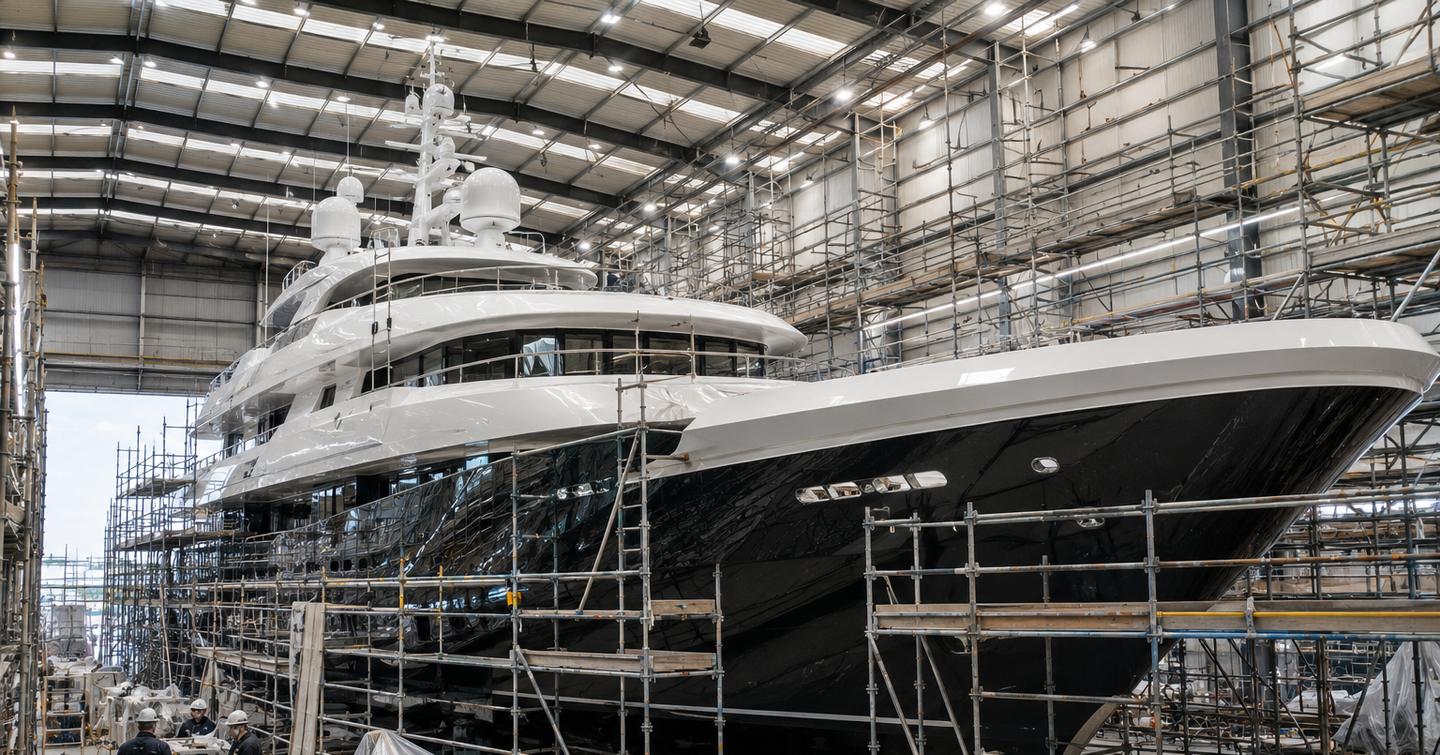
Major refits can improve a yacht's market value, particularly if they include machinery replacement, technical upgrades or significant interior modernisation. However, spending €2 million on improvements does not necessarily mean the yacht becomes worth €2 million more.
The brokerage market ultimately determines what buyers are prepared to pay. Cosmetic upgrades may improve saleability without dramatically increasing value, while comprehensive technical refits can have a greater impact.
Related Guide:
How often should you review your yacht's insured value?
A yearly review is a sensible starting point.
You should also reconsider your insured value after:
- Purchasing the yacht
- Completing a major refit or machinery upgrade
- Significant changes in the brokerage market
- Receiving a professional valuation
- Preparing to sell the yacht
Regular reviews help ensure your insurance reflects current market conditions rather than historic purchase prices.

How do insurers decide what a yacht is worth?
There is no universal valuation formula.
Professional valuations typically consider factors including:
- Builder reputation
- Model and specification
- Age and condition
- Maintenance and service history
- Refit work
- Comparable brokerage listings
- Recent market activity
Because actual sale prices are rarely published, asking prices often provide the best available benchmark, although these do not always reflect the final transaction value. This is one reason why yacht valuation remains an inexact process.
How can you avoid over-insuring your yacht?
Keeping your insurance aligned with your yacht's realistic value is usually straightforward.
The best approach is to:
- Review your insured value every year.
- Tell your insurer about professional valuations or significant changes in value.
- Inform your broker if the yacht is being marketed for sale.
- Update your insurer after major refits or technical upgrades.
- Don't rely solely on the original purchase price years after acquisition.
Seek advice from a specialist yacht insurance broker if you're unsure about an appropriate agreed value.

A yacht's value is influenced by far more than its length or age. Builder reputation, condition, specification, maintenance history and current buyer demand can all significantly affect market value. Tracking comparable yachts currently for sale through YachtBuyer MarketWatch and Intelligence can provide useful context when discussing insurance values with your broker or insurer.
FAQ
Can you insure a yacht for more than its worth?
Yes, but it isn't usually advisable. Insuring a yacht for significantly more than its current market value can lead to higher premiums without providing additional financial benefit, and insurers expect the agreed value to reflect a realistic assessment of the yacht.
How do insurers decide what my yacht is worth?
Insurers typically consider factors such as the yacht's builder, age, condition, specification, maintenance history, refit work and comparable brokerage listings. For larger yachts, a professional valuation may also be requested.
Does a refit increase my yacht's insured value?
Not always. While major technical upgrades or extensive refits can increase a yacht's value, the amount spent doesn't automatically translate into an equivalent increase in market value.
How often should I review my yacht insurance?
It's good practice to review your cover annually and whenever your yacht undergoes a major refit, receives a professional valuation, or experiences a significant change in market value.
What is an agreed value insurance policy?
An agreed value policy sets the yacht's insured value before the policy begins. If the yacht is declared a total loss, claims are generally settled based on that agreed figure, subject to the policy's terms and conditions.
Can I just insure my yacht for what I paid?
If you've recently purchased the yacht, the purchase price may be appropriate. However, over time the market value may change, so relying on the original purchase price for many years could result in your yacht being over- or under-insured.
Looking to own a yacht? View all new and used superyachts for sale, tracked in real time by YachtBuyer MarketWatch. We scan the entire market to ensure access to all genuine listings, helping you save time. Alternatively, explore all other yachts for sale.
