Finding an excellent captain to command a yacht and lead a great crew is often a question of luck and we wish you lots of it.
Let's explore how to find the type of captain you want, considering the necessary qualifications and experience needed, as well as being aware of potential warning signs.
- A Personality to Suit Your Yacht and Your Family
- Maritime Qualifications of a Yacht Captain
- Experience Relevant to Yacht and Location
- Cruising Itinerary - Local Knowledge
- Creating the Onboard Ambiance
- Personal Relationships - A Yachting Dynamic
- Yacht Crew Recruitment Agencies
- Rotational Captains
- Loyalty and Commitment - Invaluable Assets
A Personality to Suit Your Yacht and Your Family
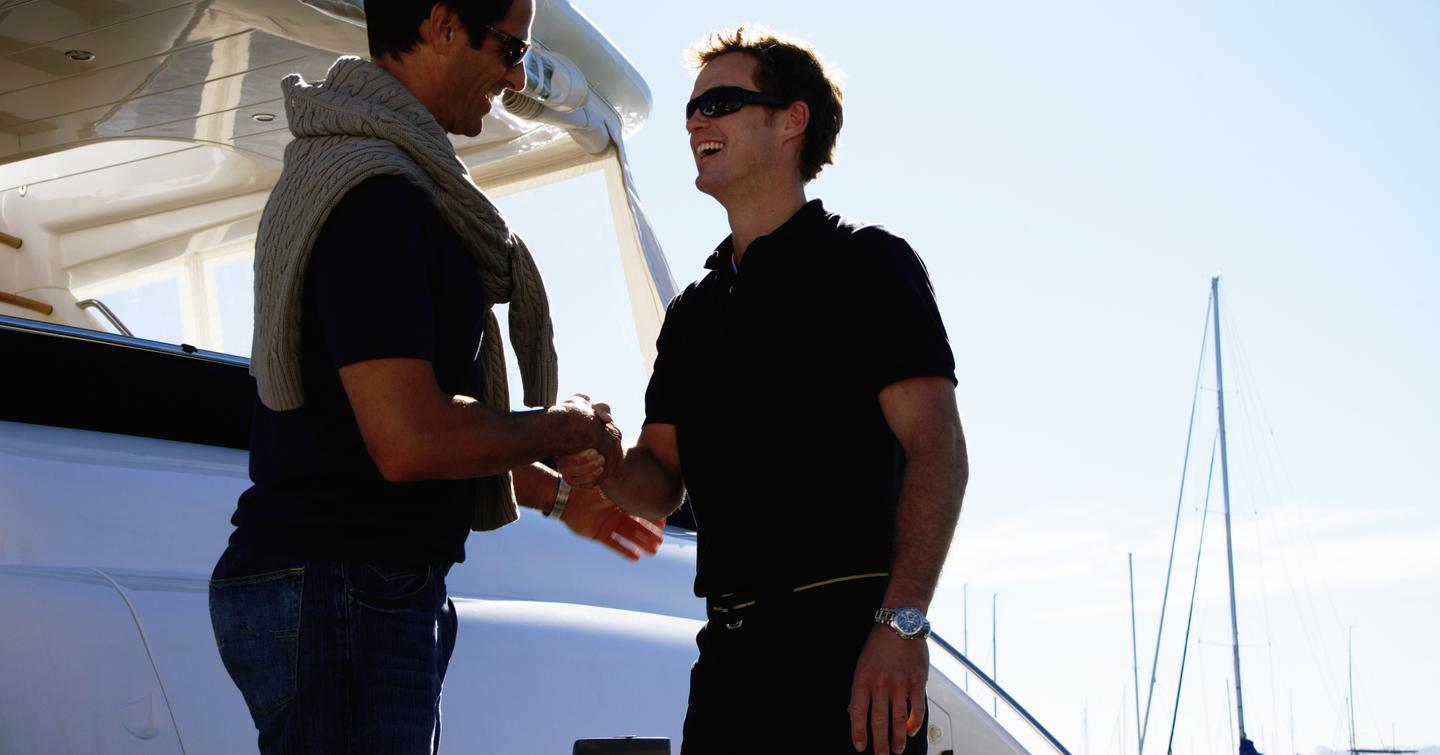
Selecting a yacht captain means entrusting someone with the full command of your yacht, which is a valuable asset, as well as the safety and comfort of everyone onboard, at all times. Finding the right captain with a personality to suit you and your family can be challenging. Take a moment to consider the type of person you will want to build a close working relationship with.
Do you have a young family eager for a playful experience on board? Are you a group of partygoers, enjoying lively music and late-nights? Is tranquillity important to you throughout your precious time onboard? Will your yacht double as a business hub, hosting frequent visits from colleagues for professional meetings and social downtime?
Understanding how you will use your yacht will be a pivotal factor in your choice of one captain over another.
Maritime Qualifications of a Yacht Captain
The size and type of yacht, along with factors such as the flag state and home port, significantly determine the maritime qualifications necessary for the individual who will assume command of your yacht.
Captains must consistently hold all required safety certificates, along with a seafaring medical report confirming their fitness for command at sea.
Yachts exceeding a specific gross tonnage threshold will demand Master qualifications commensurate with their size, often accompanied by a series of supplementary training courses and examinations.
Before extending an offer of employment, it's essential to ensure that the candidate's titles are approved by the insurance company."
For a yacht flying the USA flag, the captain may need qualifications aligned with the coding requirements of the yacht. The international maritime community has established training standards known as the Standards of Training, Certification, and Watchkeeping for Seafarers (STCW). Professional yacht captains typically hold certifications in accordance with this convention.
Experience Relevant to Yacht and Location
The choice essentially depends on the type and size of yacht you intend to purchase. Operating an 18-meter sports yacht for day cruising and lunchtimes on anchor presents entirely different requirements compared to a 50-meter explorer yacht. Your captain candidate should possess a comprehensive understanding and hands-on experience with the specific type of yacht you will employ them to command.
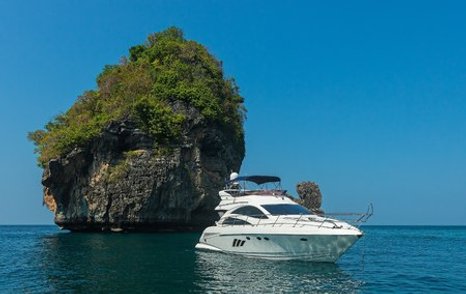
It's important to dispel the common misconception that experience with larger yachts automatically qualifies someone for all other types of yachts; this is not the case. Seek a captain with a resume that emphasises experience in your particular type and size class of yacht. Or consider an experienced officer ready for their own command.
The cruising itinerary will play an important factor in this decision. If your plan is for the yacht to be primarily based in the Mediterranean with a home berth in a Spanish harbour, having a captain with good local knowledge and language skills can significantly reduce operational issues. With a worldwide itinerary, seek captains with previous extensive offshore experience.
Cruising Itinerary - Local Knowledge
From a safety perspective, it’s key that you have someone who knows the waters, the winds, and the wider region and all of its quirks and unpredictabilities."

Commanding a yacht in the Mediterranean differs significantly from being the captain of a yacht in the Caribbean, and ideally you are looking for a captain who understands these key distinctions.
From a safety perspective, it’s beneficial to have someone who knows the waters, the winds, and the broader region, including all of its quirks and unpredictabilities. While you have navigational systems and charts, there's no substitute for firsthand experience from someone who has previously cruised in your chosen destination.
Beyond safety, a captain familiar with your chosen destination offers the advantage of insider knowledge. This goes beyond knowing the best bays, sheltered anchorages, and top snorkelling spots; it includes understanding the culture and customs of the region. They'll be aware of which marinas fill up quickly, which ports are ideal for long-term stays, how to anchor in the best spot to watch the fireworks of a local festival, and the restaurant to recommend when you fancy a night on shore.
However, don’t dismiss a great candidate solely due to their lack of location-specific experience. If you like the character of the captain, you can explore new areas together. A captain who has repeatedly cruised in the same region may likely be weary of it and will welcome a fresh adventure.
Creating the Onboard Ambiance
This is a major factor in selecting your captain and crew and also involves personal relationships, which will be discussed below. While a professional crew should be adaptable to various onboard environments, it's essential to consider the type of atmosphere you want.
The difference between a one-time and repeat charter client is often down to the difference between a good crew and a great crew."


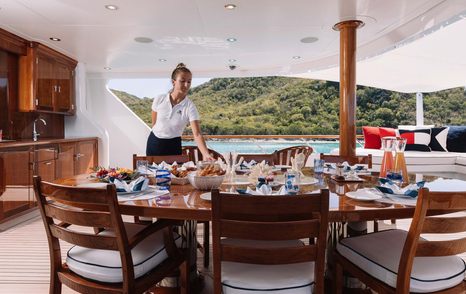
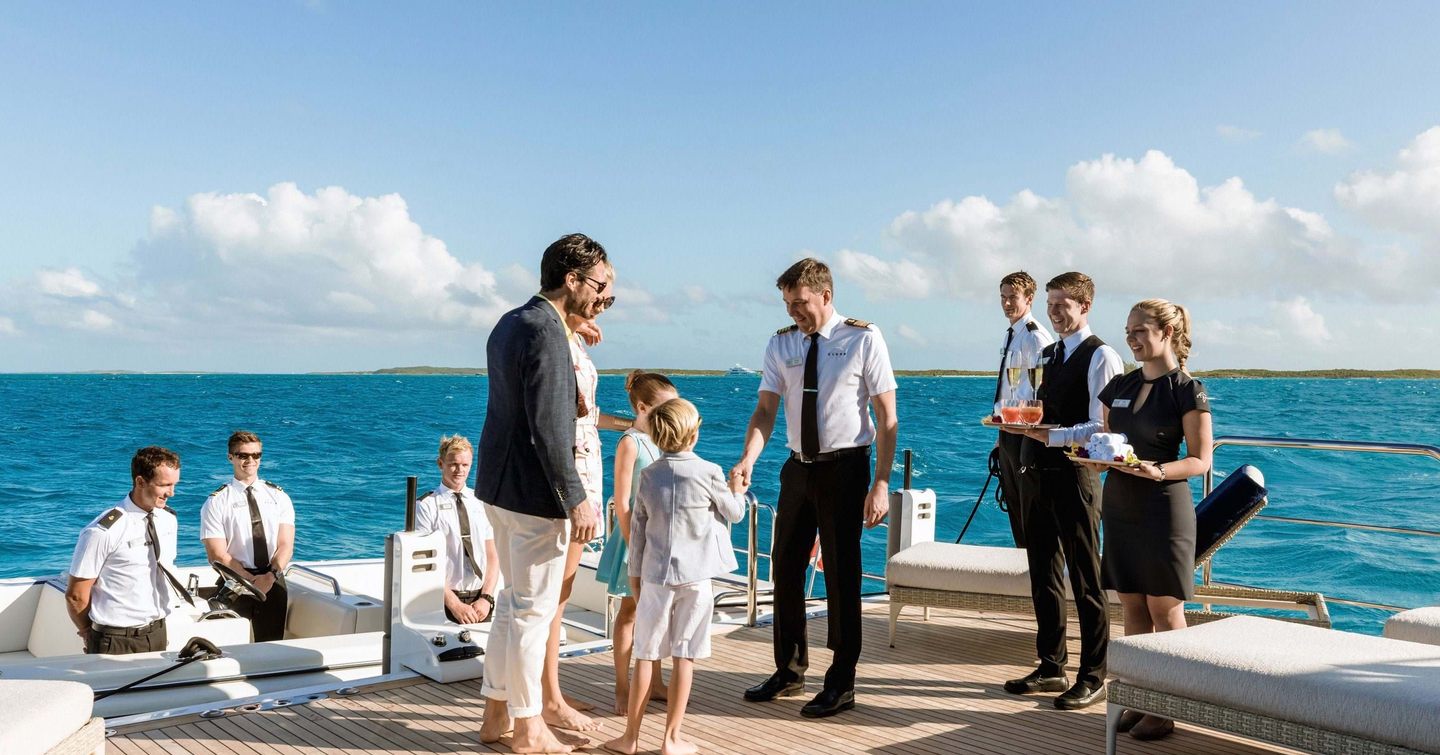
Is your preference for a discreet crew that maintains a professional distance between you and your guests? Or do you lean towards a more relaxed approach to service, with a friendly rapport and open communication between you and your crew? Perhaps entertainment is a priority, and you need a crew that is willing to get involved, have some fun and become part of the family.
On charter yachts, the difference between a good crew and an exceptional one often determines whether a client returns for future charters or looks elsewhere.
Many yacht owners and their families will seek a balance between discretion and friendliness. Since you'll likely spend a considerable amount of time with these people in close quarters, it's important to establish clear boundaries, and your captain will play a critical role in enforcing them.
Personal Relationships - A Yachting Dynamic
Consider your expectations from the captain when opting for a crew-operated yacht. Whether you prefer a hands-on approach or a meticulous, detail-oriented management style, your relationship with the captain will set the tone for interactions with the entire crew.
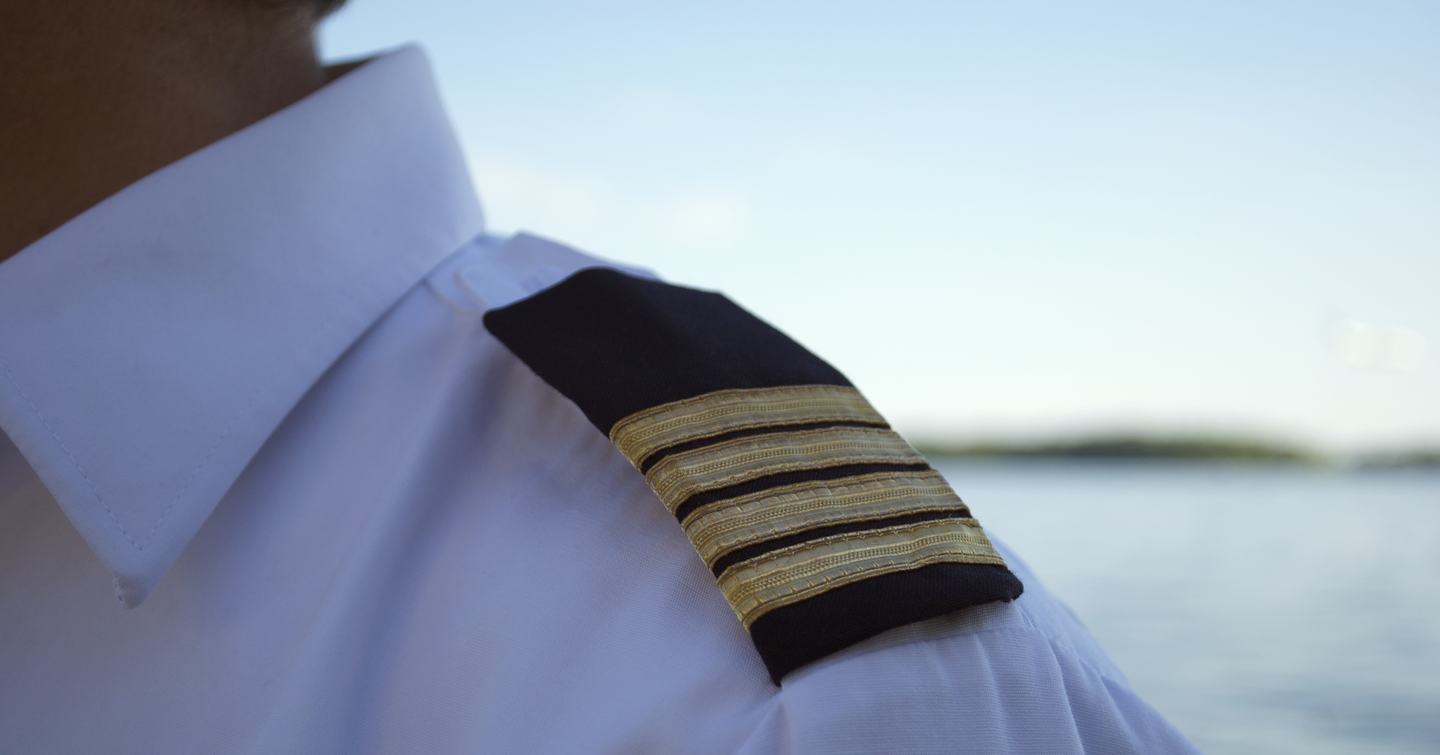
The role of a captain involves overseeing the crew's performance, ensuring they meet your standards, and managing the yacht's daily operations. This can also include managing the finances of the yacht and this is where trust must be in place.
Clarifying your needs and communication style with the captain is crucial for a harmonious yacht experience. Establishing a relationship built on trust and respect can vary in depth and nature, ultimately depending on your preferences as the yacht owner.
Yacht Crew Recruitment Agencies
Engaging the services of a yacht crew recruitment agency will most certainly help in the search for a good captain.
Crew agents will often specialize within their field, focusing on roles or departments, for example, chefs, interior crew, or captains. A good recruiter will have a database of candidates and be aware of experienced officers who are looking for their first command.
Over time, recruiters build long-standing relationships, often placing captains on different yachts as they advance in their careers.
A yacht crew recruiter will attentively listen to your needs, and guide you towards a perfect match for both you and your yacht.
When using a yacht crew recruitment agency, check that it operates in accordance with the Maritime Labour Convention (MLC) requirements for seafarer recruitment and placement. Private recruitment services covered by the Convention should be licensed, certified or otherwise regulated by the relevant national authority, so ask the agency what approval it holds and verify this where possible.
Some recruiters also offer a replacement or probation guarantee if a placement does not work out. This is a commercial arrangement rather than an MLC requirement, so check how long the guarantee lasts and exactly what it covers.
Rotational Captains
For captains who spend long periods away from home, rotation can provide something a full-time liveaboard role often cannot: predictable time ashore. Yacht work gives crew limited control over where they are based and when the yacht moves, so an established rotation can make it easier to maintain family life, friendships and a home away from the boat.
While rotating captains may incur higher costs due to combined salaries, flights, insurance, and other expenses, the significant advantage is hopefully their reduced likelihood to seek alternative employment. Consistency in command leads to a well-coordinated crew and a yacht that operates smoothly, reducing the chances of encountering disruptions in operations.
References, Red Flags & Final Checks
A captain's CV can tell you where they have worked and what tickets they hold. It will not tell you how they behave when plans change at midnight, a crew member walks out or an owner asks for something the captain believes is unsafe.
References matter. Speak to previous owners, yacht managers or senior colleagues where possible, rather than relying solely on written testimonials. Look at the pattern of employment too. Several short appointments, unexplained gaps or reluctance to provide references are not automatic deal-breakers, but they deserve a proper explanation.
The interview is also your chance to get beyond qualifications and find out how the captain thinks. Useful questions include:
- What made you leave your last yacht?
- Tell me about a time you disagreed with an owner. How did you handle it?
- What would you do if I asked you to make a passage or manoeuvre you considered unsafe?
- How do you report running costs and unexpected expenditure?
- How much authority do you expect over crew recruitment and dismissal?
- How do you deal with conflict between crew members?
- What experience do you have with a yacht of this size, type and cruising programme?
- How do you keep an owner informed when they are away from the yacht?
- What are your expectations around leave, rotation and time off?
Listen to the answers rather than looking for a rehearsed "right" response. A good captain should be able to talk candidly about difficult situations, explain the reasoning behind their decisions and be clear about where their authority begins and ends.
A captain's genuine passion for your yacht and unwavering dedication to its management are invaluable; these qualities are not learned through training alone. They should sit alongside sound judgement, clear communication and the experience needed to run the yacht properly.
Experience at command level is valuable, but it should not automatically rule out a strong first-time captain. An experienced officer stepping up may prove an excellent fit if their qualifications, references and relevant yacht experience stand up to scrutiny.