A yacht refit can range from a new interior and fresh paintwork to an extensive overhaul of its engines, systems and structure. Some projects are largely cosmetic; others involve substantial engineering work and months in a shipyard.
The extent of the work depends on the yacht's condition, age and the owner's plans. Here's what's involved in an interior, exterior or mechanical refit, and what owners need to consider before work begins.
Interior Refits
Interior refits involve comprehensive renovations and enhancements to the internal spaces of a vessel, focusing on aesthetics, functionality, and comfort. These projects can be tailored to suit the owner's preferences, technological advancements, and design trends.
This work often involves a team of designers, craftsmen, electricians, and other specialists to execute the owner's vision or the designer's plans. The goal is to create an interior space that not only matches the owner's desires but also incorporates cutting-edge technology, comfort, and functionality, ensuring the yacht remains a luxurious and inviting space for all passengers.

Layout Modification: Changing the layout to better utilize space, improve traffic flow, or create new functional areas, such as adding a gym, office space, or additional cabins.
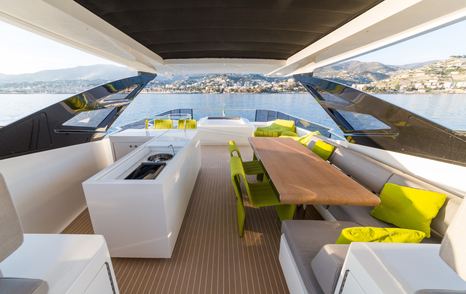
Interior Design and Decor: Upgrading the decor involves replacing or refurbishing furniture, soft furnishings, and fixtures to match current design trends or the owner's taste. This might include new upholstery, window treatments, carpeting, and cabinetry.
Technology Integration: Incorporating state-of-the-art technologies, such as advanced entertainment systems, lighting controls, smart automation, and integrated navigation displays, to enhance the onboard experience.

- Comfort and Convenience: Upgrading HVAC systems, plumbing, and electrical systems to ensure they meet modern standards and provide maximum comfort to passengers.
- Luxury Amenities: Introducing or upgrading amenities like spas, saunas, wine cellars, cinemas, or bespoke bars to enhance the luxury experience onboard.
- Safety Features: Upgrading safety features, such as fire detection and suppression systems, emergency lighting, and structural reinforcements, to ensure compliance with safety regulations and modern standards.
Exterior Refits
Yacht exterior refits encompass a broad range of renovations and enhancements to the external aspects of a vessel. These projects can involve various elements that contribute to the yacht's aesthetics, functionality, and overall appeal.
Refits, however, are not only about aesthetics but are also about maintaining the structural integrity and safety of the vessel. These renovations can significantly improve the overall look and feel of the yacht, ensuring it remains current in the ever-evolving yachting sector.


- Hull Refinishing: Yachts often undergo hull refinishing, which involves painting or applying coatings to the exterior surface. This not only maintains the vessel's appearance but also serves to protect the hull from the elements.
- Deck and Superstructure Refurbishments: Refits can involve repairing or replacing teak decking, upgrading non-skid surfaces, or rejuvenating the superstructure to ensure it's structurally sound and visually appealing.
- Exterior Amenities: Enhancing exterior amenities is a key focus. This might include updating swim platforms, redesigning alfresco dining areas, revamping sunbathing areas, or improving storage for tenders and water toys.
- Upgraded Lighting and Technology: Exterior lighting plays a significant role in safety and ambiance. Refits often involve upgrading or installing new lighting systems, such as LED lighting for energy efficiency and aesthetic appeal. Additionally, integrating state-of-the-art technology for exterior entertainment, sound systems, and connectivity is becoming more prevalent.
- Windshield and Window Replacements: To ensure safety and a clear view from the interior, old or damaged windows and windshields are sometimes replaced or upgraded.
Structural and Mechanical Refits
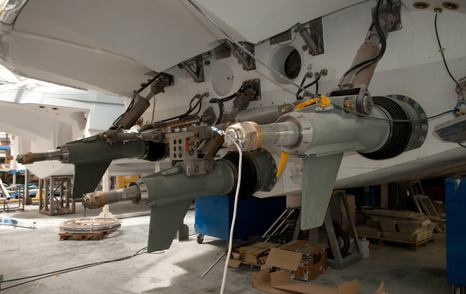
Mechanical refits can involve anything from generator overhauls and new electrical systems to the replacement of main engines. More extensive structural work, such as changes to the hull or superstructure, requires careful engineering and may need approval from the yacht's flag state or classification society.
- Ensuring Seaworthiness: Structural refits are essential for assessing and fortifying the hull and superstructure. Thorough inspections and repairs address issues such as corrosion, stress fractures, or any structural weaknesses. Enhancing the yacht's structural integrity is critical to withstand the demands of the open sea and varying weather conditions.
- Enhancing Performance: Mechanical refits target the vessel's propulsion systems, engines, and auxiliary machinery. Upgrading to more efficient engines, modernizing propulsion systems, or introducing eco-friendly technologies can significantly improve performance, fuel efficiency, and overall maneuverability.

- Compliance with Standards: Adherence to modern safety and environmental standards is a priority. Yachts undergo refits to ensure compliance with updated regulations and guidelines, especially concerning safety equipment, emissions control, and waste management. These upgrades keep the vessel in line with international maritime laws and the latest eco-friendly practices.
- Upgrading Technology: Mechanical refits often involve integrating cutting-edge technology into the vessel's systems. This includes enhancing control systems, automation, and remote monitoring to ensure optimal operation, safety, and efficiency.
Case Study: Cutting Emissions Without Replacing the Engines
One challenge when refitting an older superyacht is finding space for modern emissions-control equipment. Conventional selective catalytic reduction (SCR) systems treat exhaust gases but require substantial room for additional machinery, which can mean costly alterations to an existing engine room.
In October 2026, Feadship reported that AtomicOne's MXBuster system had operated aboard one of its yachts for more than a year. Designed as a compact add-on, it introduces hydrogen produced from purified water, along with conditioned water vapour, into the engine's air intake to improve combustion. Unlike conventional exhaust treatment systems, it requires no internal engine modifications and can run with conventional diesel or HVO fuel.
Feadship reports that soot deposits have been eliminated aboard the yacht, while separate tests on marine engines and superyacht generators have recorded nitrogen oxide (NOx) reductions of up to 55%. Onboard fuel savings have yet to be quantified.
For owners who want to cut emissions during a mechanical refit, technology such as this could offer an alternative to extensive engine-room alterations, although it does not automatically bring an older yacht into compliance with IMO Tier III standards.
Planning a Yacht Refit
Before approaching a shipyard, owners need a clear list of the work required. On crewed yachts, the captain and chief engineer can draw this up from maintenance records, previous surveys and known faults. A condition survey may also reveal problems that need attention. Essential repairs should be kept separate from optional upgrades, with specifications for the equipment, materials and finish required.
The detail matters. A quote to replace teak decking, for example, should make clear whether it covers the removal of the old timber, repairs to the deck beneath, new caulking and the refitting of deck hardware. Without an agreed specification, two yards could quote very different prices for what appears to be the same job.
Choosing a Shipyard and Budget
Owners should approach yards with experience of similar yachts and the type of work required. Location, dry-dock capacity, access to specialist trades and availability all matter. ICOMIA advises contacting yards about six months ahead for general refit work and at least nine months before major structural alterations or full paint jobs.
Shipyard quotations need careful scrutiny. Haul-out fees, hardstanding, scaffolding, shore power, crane hire, waste disposal and subcontractor charges may not all be included in the headline price. Owners should also check the cost of transporting parts, any applicable taxes and the terms for additional work.
Even a detailed quote cannot account for every defect. Removing teak may expose corrosion or damage to the deck beneath, while an engine overhaul can reveal worn components that need replacement. The contract should set out how extra work is priced and approved, including any effect on the completion date. A contingency budget is particularly important on older yachts.
Refitting Your Yacht or Buying One That's Already Been Upgraded? Before you commit to a major refit, compare the cost with the price of a yacht that already has the upgrades you want. Explore all used yachts for sale on YachtBuyer, powered by MarketWatch, to compare prices, specifications and refit histories where available.