Long regarded as one of the world's most rewarding yet challenging cruising regions, Asia is becoming increasingly accessible for visiting superyachts as countries improve marina infrastructure and revise regulations governing foreign yachts. The number of superyachts over 30m active across Asia-Pacific reached 586 in 2025, up from 530 in 2024 and 445 in 2023.
Public authorities and private developers are also investing in facilities capable of supporting larger yachts, from Japan's Superyacht Base Kobe to new marina projects in Thailand and the Maldives. While the Mediterranean and Caribbean remain the industry's most established cruising grounds, Asia is developing more of the infrastructure required to support visiting owners, captains and crew.
Japan is Leading the Transformation
No country illustrates that shift more clearly than Japan.
For many years, foreign-flagged superyachts faced significant administrative hurdles when cruising Japanese waters, with vessel procedures making multi-stop itineraries more complicated to manage. Japan Customs changed its procedures for superyachts measuring 24m and above from 16 December 2021, creating a route for eligible visiting yachts to change their status from an international vessel to one engaged in domestic voyages while cruising Japan.

The system, commonly referred to within the industry as Naikosen status, means yachts can complete the required status-change and customs procedures before undertaking their planned domestic itinerary, rather than being treated as an international arrival at each stage. Japan Customs requires yachts to submit a sailing schedule detailing planned domestic voyages and ports of call, with the yacht's status changed back before departing Japan for overseas.
Those regulatory changes are now being matched by investment in physical infrastructure.
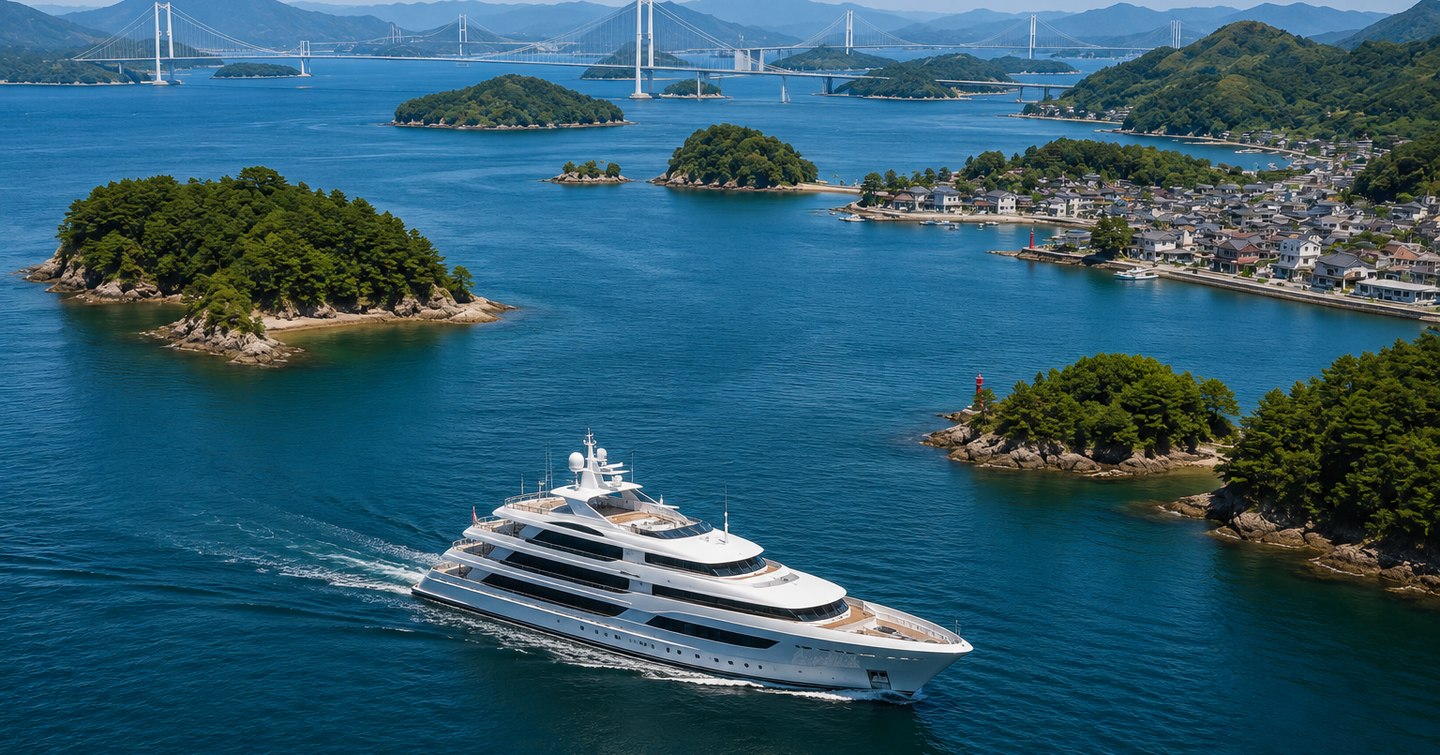
Superyacht Base Kobe, under development as part of Kobe's wider waterfront regeneration, is set to become one of Japan's most significant dedicated facilities for large yachts. Current plans provide more than 1.4km of usable superyacht quay, while the project's developer states that the marina will have 1.75km of dockage in total. Stern-to berthing will accommodate yachts up to 80m, while alongside berthing is intended for superyachts of any size.
Shore services and provisioning are planned alongside the berthing infrastructure, while the marina sits close to three major airports, two of which have international and private-jet capabilities. Further quayside facilities, including marine offices, restaurants, cafes and the planned Kobe Yacht Club, are due to follow as the site develops. Full completion with the surrounding infrastructure is scheduled for 2027.
Its position gives visiting yachts access to the Seto Inland Sea, while Kobe can also act as a base for longer Japanese itineraries. The city's importance to the developing regional industry was underlined in May 2026, when it hosted the Asia-Pacific Superyacht Summit for the first time. The two-day event attracted close to 200 delegates and included dedicated discussions on Kobe as a regional gateway, Japanese superyacht regulation and marina development across Asia-Pacific.
New Superyacht Marinas Across Asia
Thailand is pursuing its own infrastructure expansion as yacht traffic grows. The country has fewer than 2,000 quality marina berths, a level reported to be insufficient for rising demand, particularly from superyachts requiring specialist facilities. Development plans include the deep-water marina project at Sapam Bay in Phuket, which covers more than 61,000 square meters of waterfront and has government and provincial support.
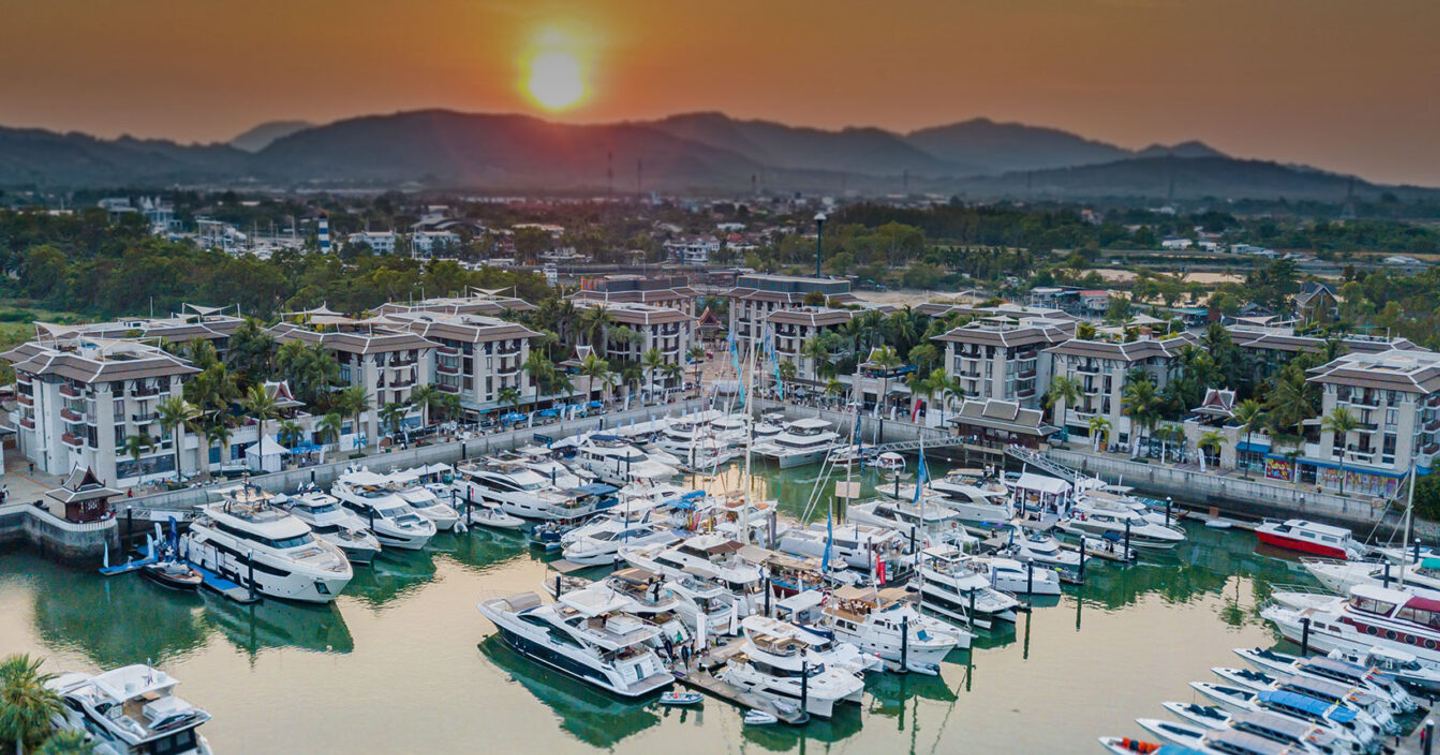
Phuket remains central to Thailand's ambitions, but marina development is not limited to a single project. New and expanded facilities are being pursued as the country seeks to increase its capacity for larger yachts, alongside regulatory changes intended to make Thailand more competitive as an international yachting destination.
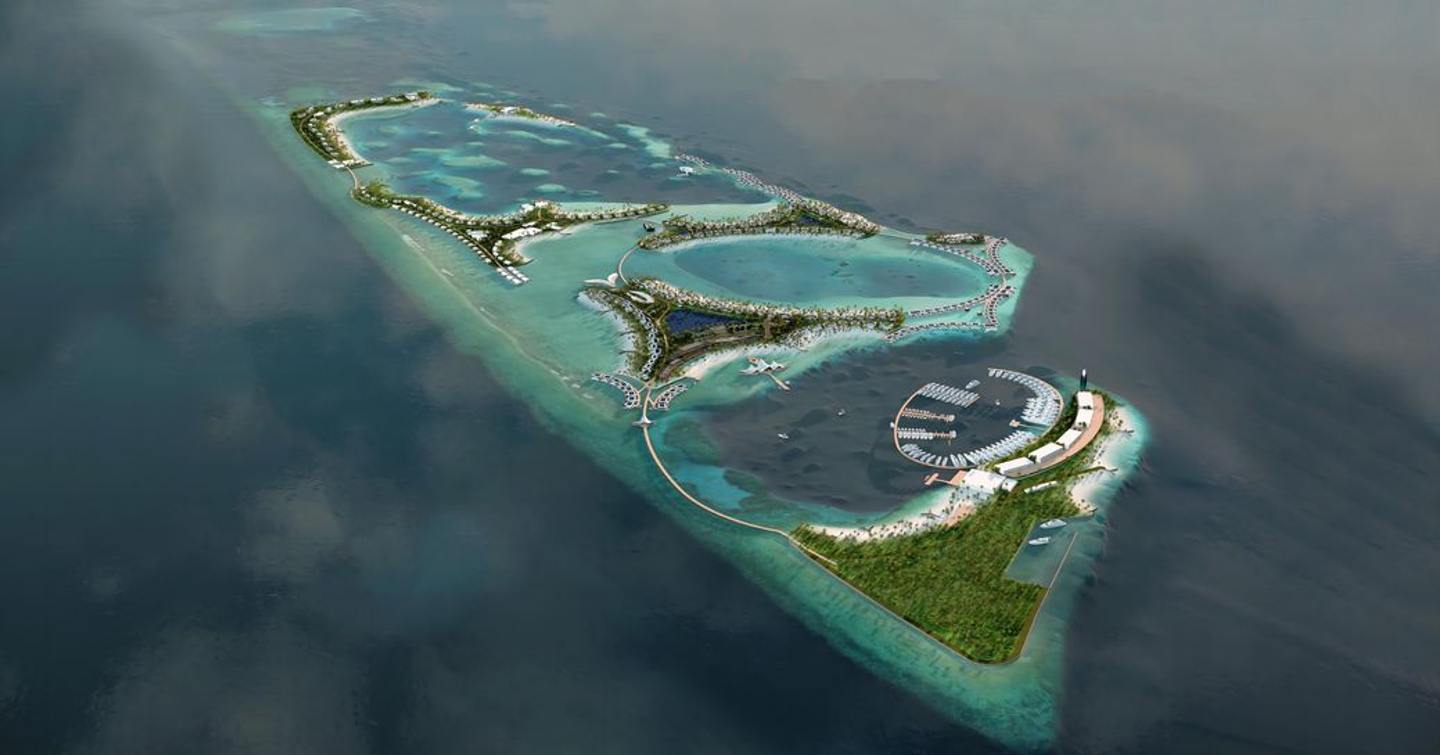
In the Maldives, the Zamani Islands development is planned to include a 120-berth superyacht marina covering approximately 60,000 square meters. The wider resort development extends across eight islands in South Malé Atoll, with its developer positioning the marina as a major new facility for visiting superyachts. The project has been announced for 2026, although an operational opening has not yet been independently confirmed.
Langkawi remains an important support and cruising hub in Southeast Asia, with duty-free status plus repair and support facilities for superyachts. Singapore operates as one of the region's most developed service centers, with engineering, repairs, parts, paint and provisioning available alongside strong international air connections.
A successful cruising destination depends on far more than attractive anchorages. While new marina projects often focus on berth numbers, owners and captains need a much broader support network to cruise with confidence. Key requirements include:
- Reliable customs and immigration procedures that minimize administrative delays
- Shore power, fuel supplies and provisioning for extended itineraries
- Engineering support, maintenance facilities and technical services
- Crew amenities and convenient access to international airports for crew changes
Projects such as Superyacht Base Kobe are being developed around this wider operational model, with berthing supported by provisioning, shore services, transport connections and future quayside facilities. Singapore already performs a similar role as a regional support base, offering engineering, repairs, materials, parts and provisioning for yachts moving through Southeast Asia.
The Next Challenge: Expanding Support Infrastructure
Despite growing investment, Asia is still some way from matching the operational maturity of the Mediterranean.
Refit activity illustrates the gap. Across Asia-Pacific, 82 superyachts underwent refit during 2025, accounting for 3.1% of global refit activity. Australia led the region with 44 yachts, followed by New Zealand with 13, Singapore with 12 and Thailand with 11.
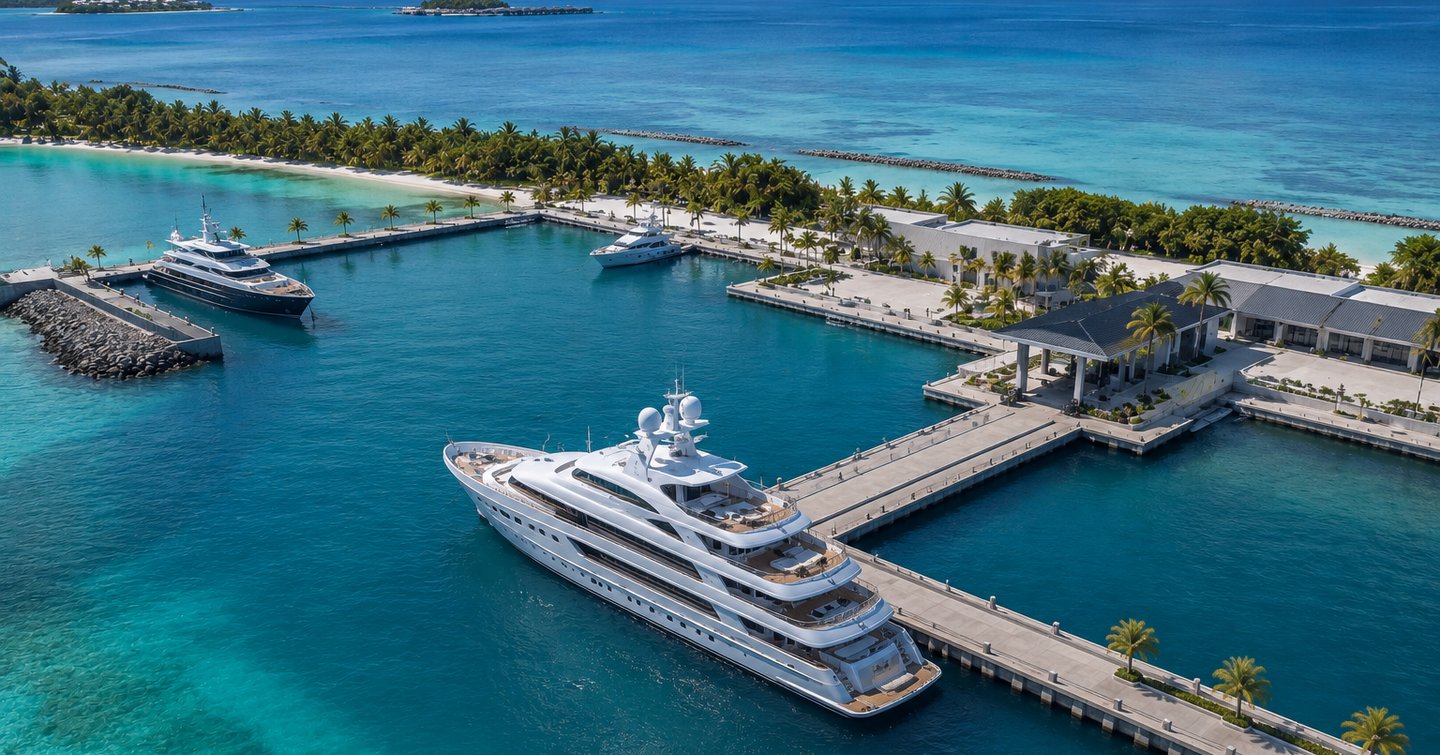
Marina capacity for the largest yachts also remains uneven. The Asia-Pacific Superyacht Report 2026 notes that relatively few marinas in the region are currently capable of accommodating yachts above 50m in practice, despite growing interest in attracting larger vessels. The report identifies a continuing gap between planned marina development and facilities with the operational capability to support large superyachts consistently.
At the same time, the number of yachts using the region is rising quickly. According to ICOMIA's Asia-Pacific Superyacht Market Snapshot 2026, 586 superyachts over 30m were active across Asia-Pacific during 2025, compared with 530 in 2024 and 445 in 2023. Of the 586 yachts recorded in 2025, 350 were owned by Asian nationals and 236 were visiting yachts.
Ownership is increasing too. More than 480 yachts over 30m are owned by Asian nationals, representing 7.7% of the global fleet. Australia accounts for 166 of those yachts, followed by Hong Kong with 92 and China with 59.
A Region Entering its Next Phase
The Mediterranean remains the benchmark for established superyacht cruising infrastructure, while the Caribbean remains central to the winter charter market. Neither position is likely to change quickly. Asia, however, is entering an important stage in the development of its own cruising network.
The growth is increasingly measurable. Superyacht activity in Asia-Pacific rose from 445 yachts over 30m in 2023 to 586 in 2025, while new marina projects are progressing in markets including Japan, Thailand and the Maldives. At the same time, regional data makes clear that large-yacht berthing and refit capacity still have considerable room to develop.
Natural cruising grounds have long given Asia considerable appeal. More dependable marina infrastructure, clearer customs procedures, technical services and shoreside support will determine how easily owners and captains can make use of them. Japan's regulatory changes, Kobe's marina development and wider investment around Southeast Asia suggest that more of those pieces are now falling into place.
Planning your own cruising adventures? View all new and used superyachts for sale, tracked in real time by YachtBuyer MarketWatch. We scan the entire market to ensure access to all genuine listings, saving you time. Alternatively, you can explore all other yachts for sale.