A yacht is a sizable investment and to maintain not only its value but to ensure it remains seaworthy, a well trained crew is an essential part of yacht ownership.
Yachts above 24m (78ft 9in) will usually have a professional captain and crew, although the legal requirements depend on the yacht's flag, size and whether it operates privately or commercially.
There are recognised guidelines for safe manning, crew qualifications and working conditions, but no fixed number of crew that applies to every yacht of the same length. The aim is to ensure the yacht can operate safely while providing a suitable working environment for those on board.
In addition, yacht designers plan for the right amount of crew by building crew quarters, often including a crew mess and even a crew galley where size permits.
Below, we have set out a guide to crew numbers for yachts of different lengths. These are estimates rather than fixed requirements, and how the yacht is used makes a difference. For instance, a yacht used lightly for weekend or inshore cruising may operate with fewer crew. A yacht in regular charter use may need more, as personal service is a huge part of the charter experience.
For larger yachts, a crew rotation system may be employed, with two or more people filling a single role. This most commonly applies to captains, engineers, and chefs with each person working a three or six-month shift."
Crew Numbers by LOA (length overall)
| Yacht Size (m) | Crew Number |
| 24-30 | 2-5 |
| 30-40 | 6-10 |
| 40-50 | 8-12 |
| 60-70 | 15-20 |
| 80-100 | 25-35 |
| 100+ | 30+ |
Yacht length doesn't always tell the full story. When YachtBuyer toured the 26.2m (85ft 11in) Bering 88, we found accommodation for five crew, including a separate captain's cabin beside the wheelhouse. Interestingly, the much larger 36m (118ft) Sirena 118 Ikigai also has berths for five crew, spread across three lower-deck cabins. These are accommodation capacities, not necessarily the number of people an owner will employ, particularly where relief or rotational crew are involved.

Yacht Crew Roles and Salaries
Captain
The person in charge of the yacht is responsible for the safe running of the vessel whether in port or at sea. The captain will usually take the helm, although on larger yachts the first officer may also do so.
Chief Steward/Stewardess
Stewards, stewardesses, or stews as they are more usually known are charged with ensuring the accommodation and living areas are properly presented and maintained. They are the client-facing crew and will provide service for dining and entertaining.
First Officer
The captain's right hand, the first officer is second in command and helps oversee navigation, safety procedures and the deck crew. Found mainly on larger yachts, the first officer may take charge in the captain's absence, provided they hold the necessary qualifications.
Chief Engineer
The chief engineer is responsible for the engines, generators and other mechanical equipment on board. Larger yachts may employ several engineers, while on smaller yachts the captain may undertake some of these duties, provided they have the necessary qualifications.
Purser
Running a large yacht is just like running a business, with paperwork, salaries, bills, and suppliers to deal with. The purser handles such matters.
Chef
Often the center of onboard life, the chef takes care of all culinary matters, creates specialist menus for guests, looks after provisioning, and runs the galley. Many superyacht chefs are highly qualified, and some have worked in Michelin-starred restaurants.
Deckhand
Depending on the size of the yacht, multiple deckhands will take care of the yacht’s exterior, cleaning, maintaining, running the tenders, acting as lookouts, and working as a team to ensure smooth safe berthing.

Yacht Crew Annual Salaries in US Dollars
The table below gives estimated annual salaries for common professional yacht crew roles in 2026.
| Role | 25m Yacht | 30m Yacht | 40m Yacht | 60m Yacht | 80m Yacht |
| Captain | $118-147k | $118-197k | $156-246k | $235-393k | $314-394k |
| First Officer | $42-54k | $54-84k | $72-96k | $108-120k | $108-144k |
| Chief Stew | --- | $72-96k | $84-96k | $114-120k | $120k+ |
| Chief Engineer | --- | $72k-96k | $84-120k | $132-144k | $180k+ |
| Chef | $60-72k | $60-108k | $96-132k | $120-180k | $180k+ |
| Deckhand | $36-48k | $42-58k | $42-58k | $48-70k | $54-82k+ |
| Purser | --- | --- | --- | $84-102k | $96-120k |
Sources: Northrop & Johnson's 2026 Yacht Crew Salary Guide, Luxury Yacht Group Salary Guidelines and McGregor Financial Services' 2026-2027 crew salary benchmarks. Figures are annualised from monthly US-dollar rates. Yacht lengths correspond to published size bands, while the deckhand row uses general or experienced crew benchmarks rather than specialist positions.
These are base salaries for one crew member, not the full cost to an owner. They exclude relief crew, recruitment fees, insurance and other employment costs.
Yacht Crew Case Studies

30m motor yacht: suggested crew of 5
- Captain
- Steward/stewardess
- Engineer
- Deckhand x2
Annual salary approximately $390k
50m Yacht suggested crew of 9
- Captain
- Chief engineer
- Engineer
- Chef
- Chief steward/stewardess
- Steward/stewardess
- Deckhand x 3
Annual salary approximately $942k

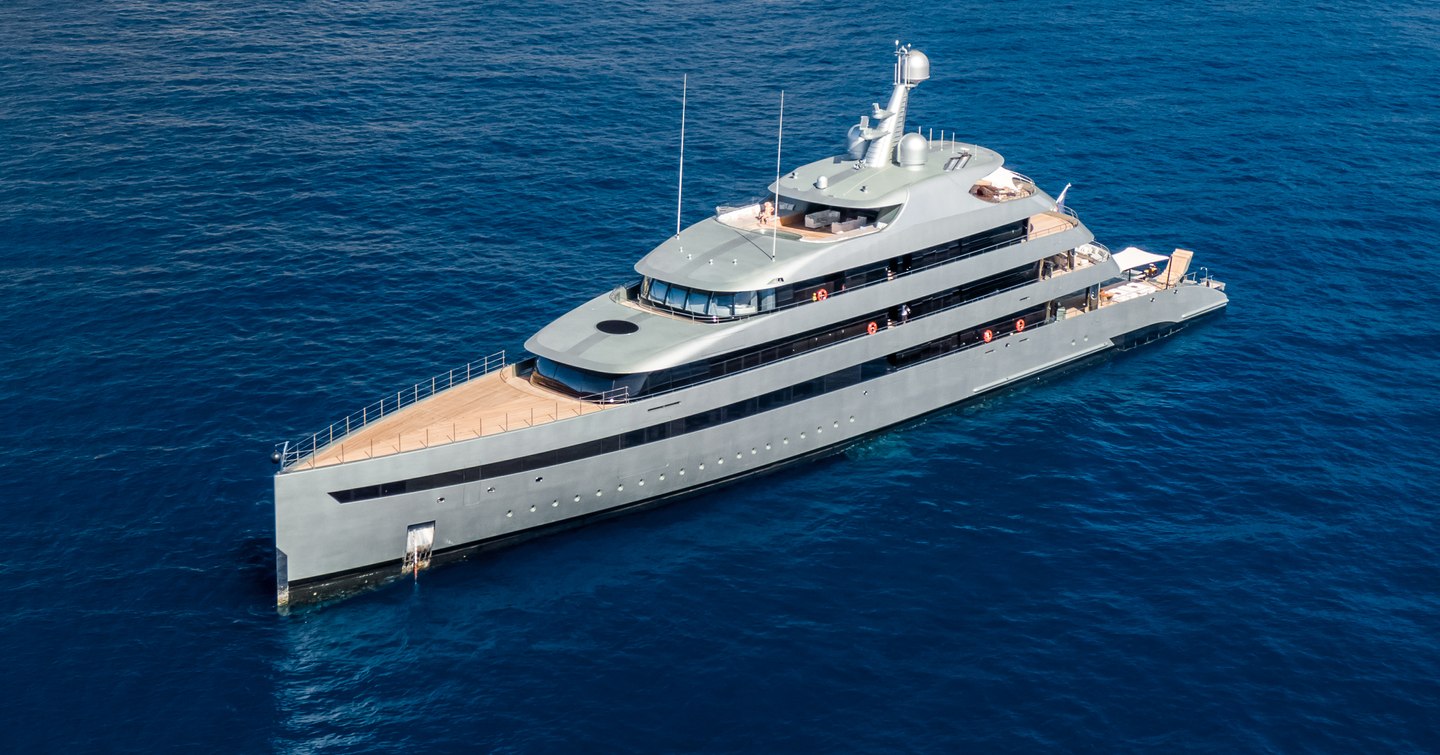
80m Yacht with a suggested crew of 25
- Captain, first office and second officer
- Chief Engineer with another three engineers
- Chief Steward/stewardess with a team of five
- Chef, with sous chef and two galley assistants
- Purser
- Bosun and team of six or more deckhands
Approx Annual Salary $2,252,000
What Does a Yacht Crew Cost Beyond Salaries?
A yacht with 25 crew on board may have considerably more than 25 people on its payroll. On larger yachts, captains, senior engineers and other key crew often work on rotation, with one person aboard while another takes leave. A second captain might not need a second cabin, but they'll still need paying.
Take our 80m yacht example above. The estimated $2.25 million annual salary bill covers 25 crew positions, but it doesn't account for additional staff employed to cover those roles throughout the year. Depending on the contracts and leave arrangements, the true payroll could be considerably higher. Even smaller yachts may need temporary crew when someone takes time off, particularly if the owner has a busy cruising schedule.
Recruitment will produce a bill of its own. For example, according to Luxury Yacht Group's 2026 price list, the agency charges 10% of the first year's salary for a permanent placement. Recruit a captain on $240,000 through that agency and the fee alone would be $24,000. Other agencies have their own rates, but it's a cost worth allowing for, especially where crew turnover is high.
Then there are the less obvious expenses. Flights to and from the yacht, medical insurance, training, certification and uniforms may fall to the owner. Payroll administration and employer taxes or social contributions can add more, depending on the employment arrangements and jurisdiction.
For anyone with their eye on a particular yacht, the sensible approach is to ask the captain or yacht management company for a full annual crew budget. The salary figures are a useful starting point, but the number that matters is what it costs to have a qualified, rested crew available whenever the yacht needs them.

Are You Looking at Buying a Yacht? A yacht's asking price tells you very little about what its crew will cost. Browse all yachts for sale around the world to compare specifications and crew accommodation, and explore YachtBuyer MarketWatch for a clearer picture of the global yacht market. MarketWatch tracks yachts advertised for sale worldwide, with new listings, price reductions and listing histories to help buyers assess the market. Once a yacht makes your shortlist, ask for its actual annual crew budget before you buy or check with a buyer's broker.