YachtBuyer tracks more than 50 distinct motor yacht and boat types within the global marketplace, and in this guide, we will focus on the fundamental yacht types that broadly cover the entire market. From entry-level boats to buying a superyacht, read on for some invaluable advice.
In the yachting world today, the array of designs, performance capabilities, and yacht types has never been broader or more captivating. This abundance of options empowers the yacht buyer to fine-tune their selection and identify the models that align best with their yachting preferences.
Yet, amidst any wealth of choice, confusion can often arise. While some yacht types exhibit distinctive design traits and purposes, others may appear remarkably similar, blurring the lines in both design and utility. The bright side, however, is that many yachts can fulfill similar roles. This offers reassurance that your choice can often be guided by form, knowing that function is reliably covered.
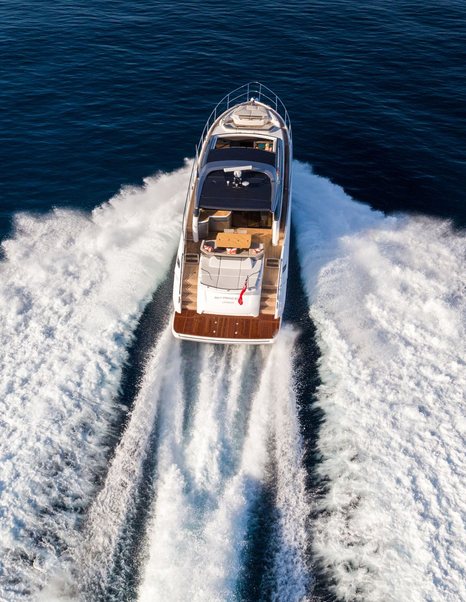
Flybridge Yachts
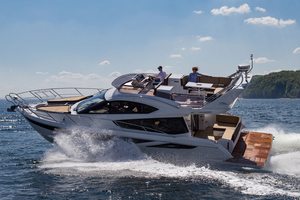
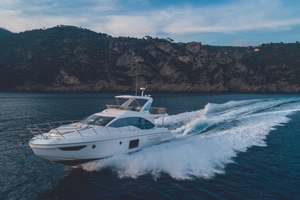
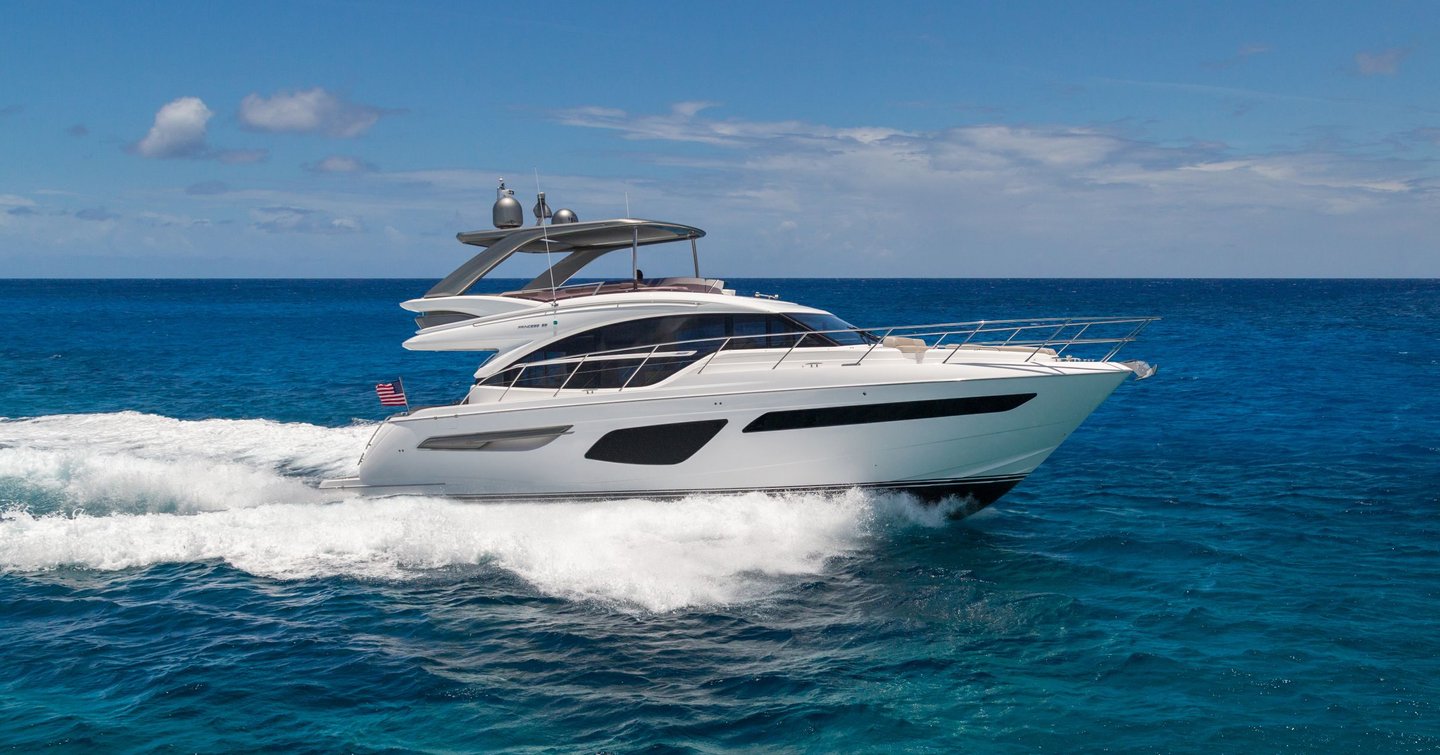
Positioned on an elevated deck above the main cabin, the flybridge provides panoramic views of the surrounding seascape. This not only enhances the enjoyment of cruising in scenic locations but also provides excellent visibility for navigation. The additional space on the flybridge can accommodate outdoor dining, sunbathing, and entertainment areas.
One potential disadvantage of a flybridge yacht is that its elevated position and larger superstructure can result in increased wind resistance, which may impact fuel efficiency and performance, particularly in adverse weather conditions. Additionally, the added height can limit the yacht's ability to navigate under low bridges or in areas with height restrictions, potentially limiting its cruising range.
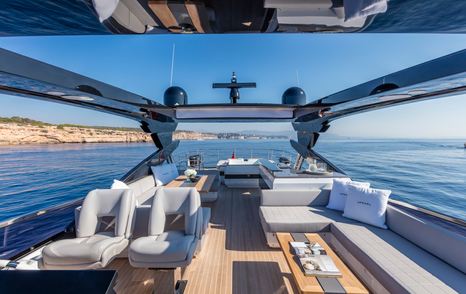
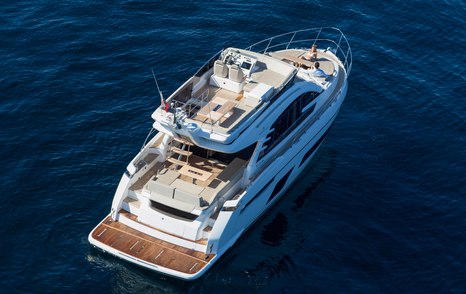
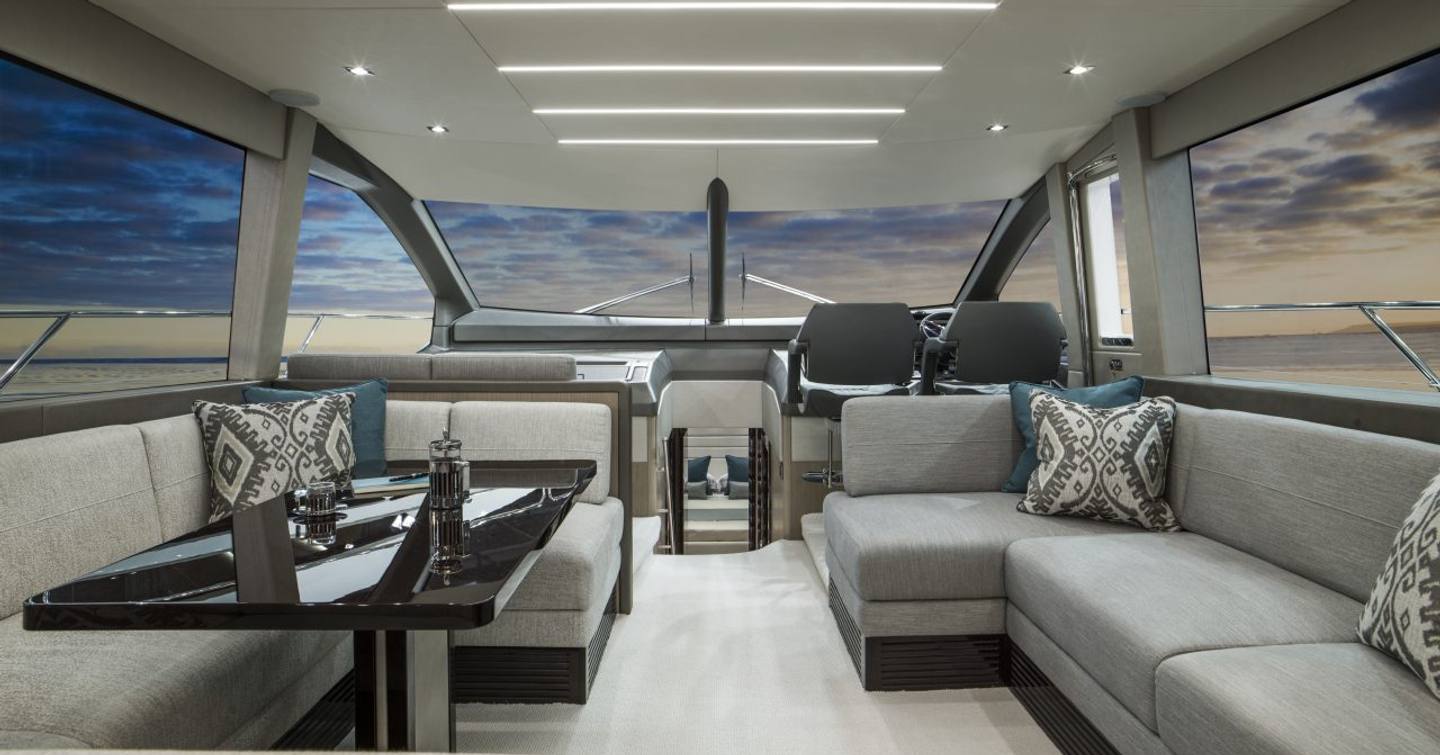
Typical size range:
12m - 33m (40ft - 110ft)
Also known as:
Sportsbridge, Enclosed Flybridge
Key Identifiers:
Raised upper deck with steering position and seating
Great For:
Find out more


Sports Yachts
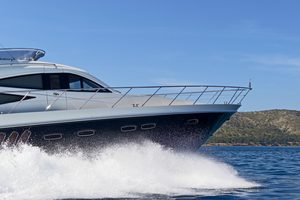
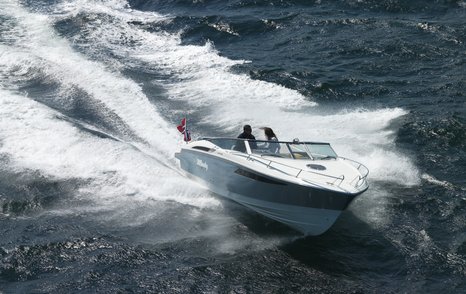
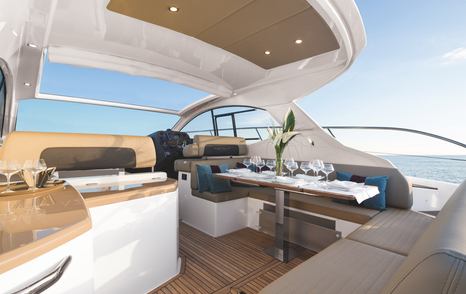
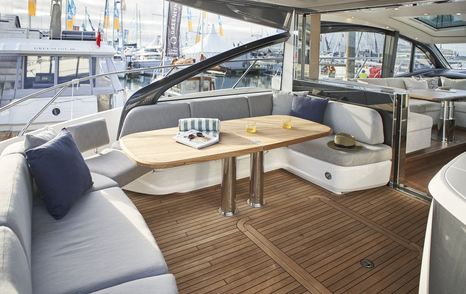
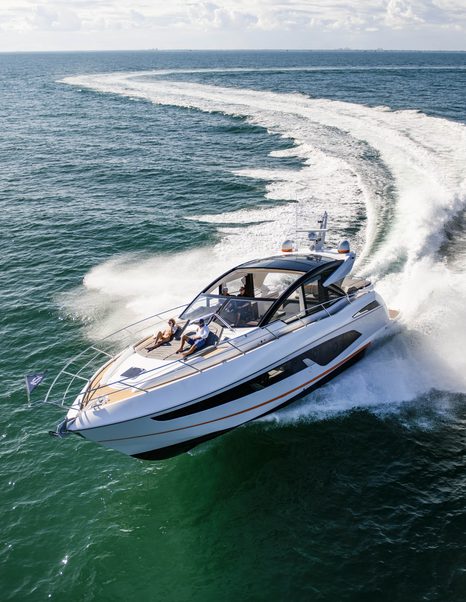
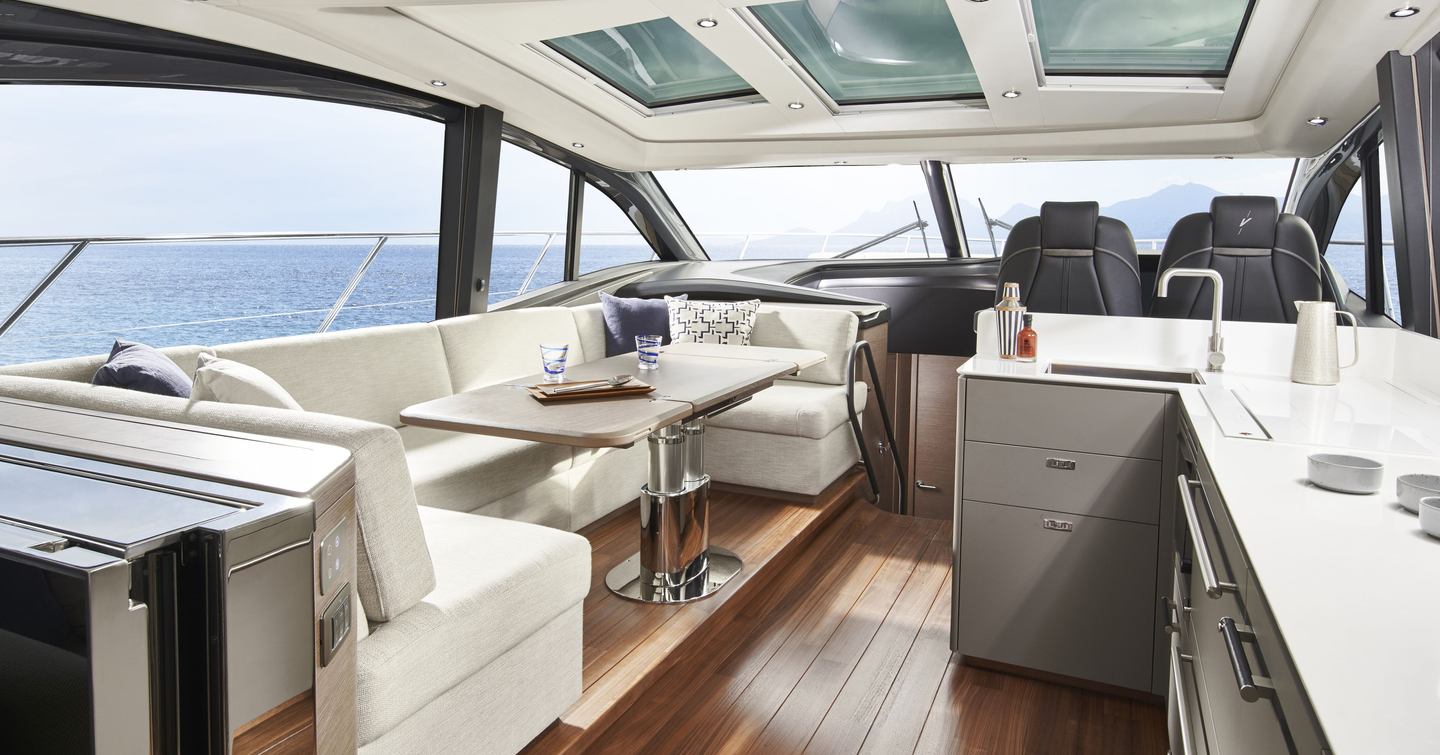
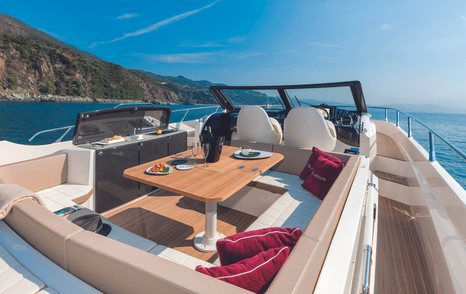
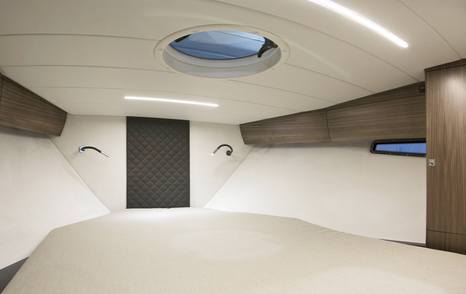
The sleek lines of the sports yacht are matched with performance and agility. These vessels are designed for high-performance cruising and water sports, making them ideal for those seeking an adrenaline-packed experience on the water. Although some sports yachts will be completely open, many models over 10m will offer a hardtop roof, often incorporating a sunroof to open up the interior below.
One of the standout features of sports boats is their versatility, available to buy in various sizes and configurations, from compact runabouts to larger, more luxurious models featuring well-appointed interiors with comfortable seating and amenities.
Disadvantages of sports boats may include limited onboard space for extended trips and relatively higher fuel consumption due to their high-performance engines.
Typical size range
10m - 20m (33ft - 66ft)
Also known as:
Hardtop, Express Cruiser, Performance Yacht, Open Yacht
KEY IdentifierS:
Low profile design in open or hardtop styles. Good handling and speeds in excess of 30 knots. Aft cockpits for larger yachts.
GREAT FOR:

Cruiser Yachts
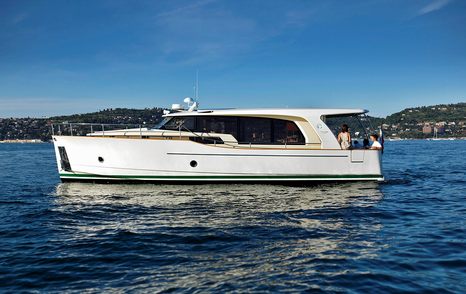
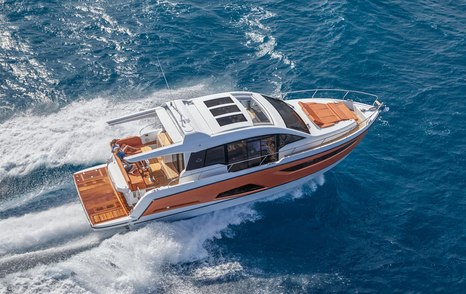
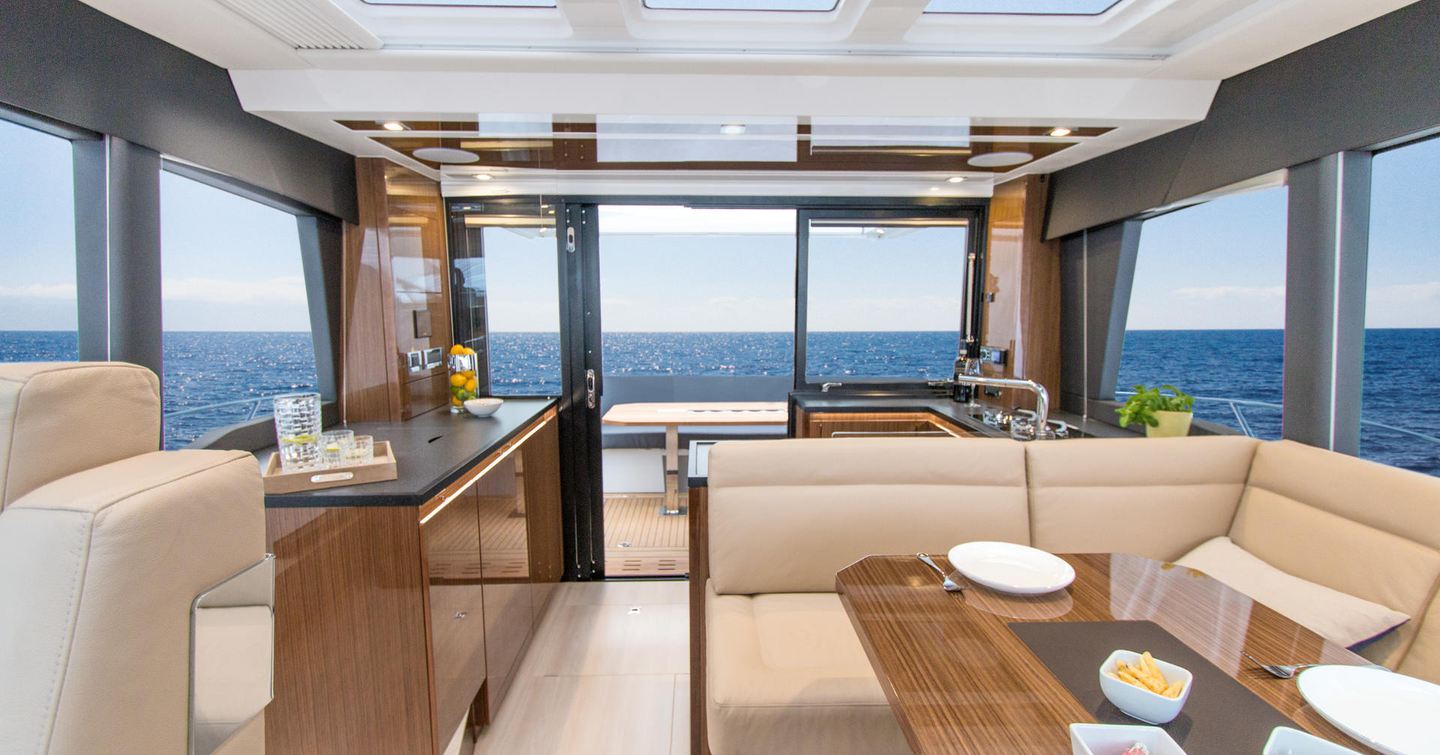
The blueprint motorboat design of a sheltered wheelhouse and comfortable accommodation below decks is alive and well, and found in modern cruising variants packed with clever ideas.
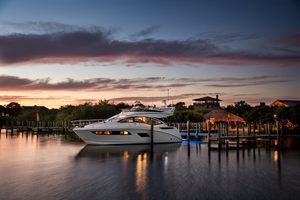
Easy one-level access around the decks and a lower air draft are major benefits, especially for inland use. Typically designed with comfort in mind, spacious cabins with ample living and dining space allow for comfortable living whilst cruising. Stable and steady, they are a fine choice for gentle seagoing adventures.
Typical size range:
10m - 30m (33ft - 100ft)
Also known as:
Coupe, Wheelhouse, Aft Cabin, Walkaround, Inland cruiser
Key Identifiers:
An enclosed driving position and low air draft.
Good For:
Classic Yachts
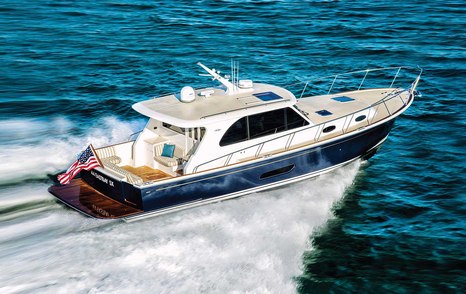
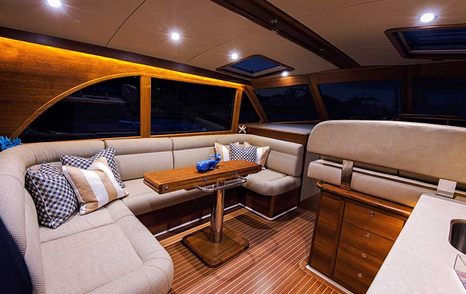
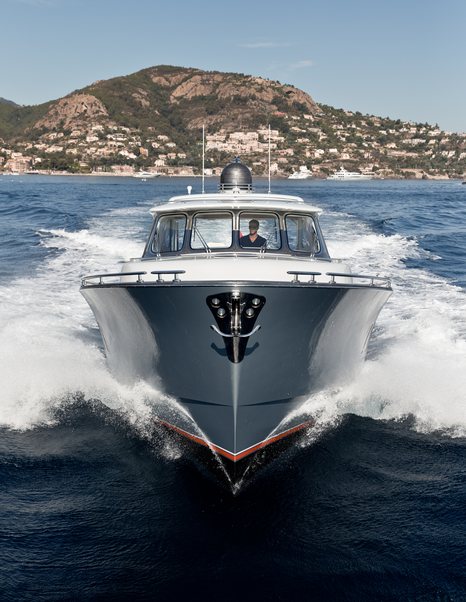
A classic-style motor yacht embodies nostalgic charm in timeless elegance. Inspired by the graceful designs of bygone eras, the modern modern, classic style yacht blends vintage aesthetics with modern comfort.
Often with meticulously crafted wooden hulls, polished brass fittings, and luxurious interiors, a classic-style motor yacht offers an opportunity to step back in time while enjoying the pleasures of contemporary boating.
Fewer build numbers also assist with resale, although that aside, it is more often this style of yacht that draws the admiring glances in the chic marinas of the world’s most popular cruising locations.
Typical size range
10m - 20m (33ft - 67ft)
Also Known As:
Lobster boat, Picnic Boat, Pilothouse, Gentleman's yacht
Key Identifiers:
Purely stylistic, if it looks like an older design it may well fall into this category.
Great For:
Sportsboats
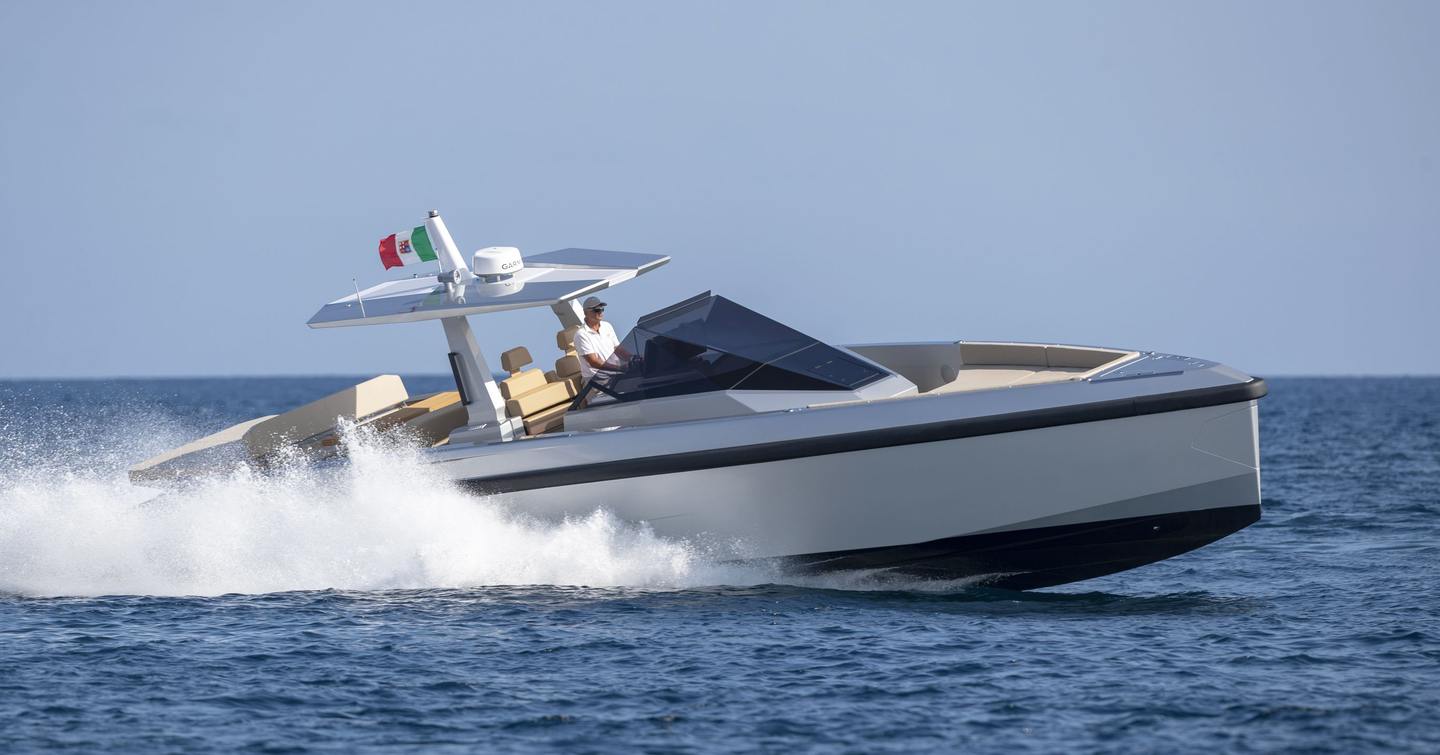
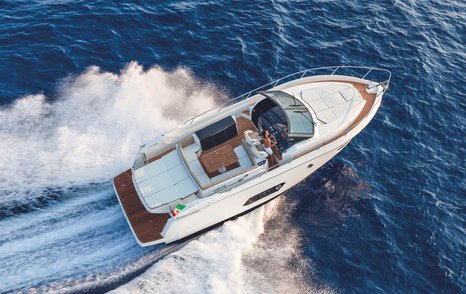
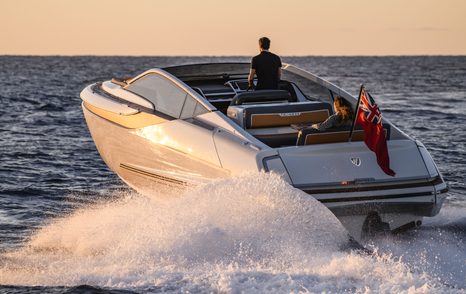
Sportsboats are a category of small to midsize watercraft designed primarily for recreational activities. Typically shorter in length, they are sleek and aerodynamic in design and are engineered for speed and agility.
Often equipped with powerful engines for rapid acceleration and thrilling top speeds, they are ideal for water sports. An open deck layout, with ample seating and storage, makes them ideal for day trips and social trips, with audience participation during thrilling water activities like water skiing.
The sales market provides the yacht buyer with a variety of options, from entry-level runarounds to multi-million dollar powerboats.
Sportsfisher Yachts
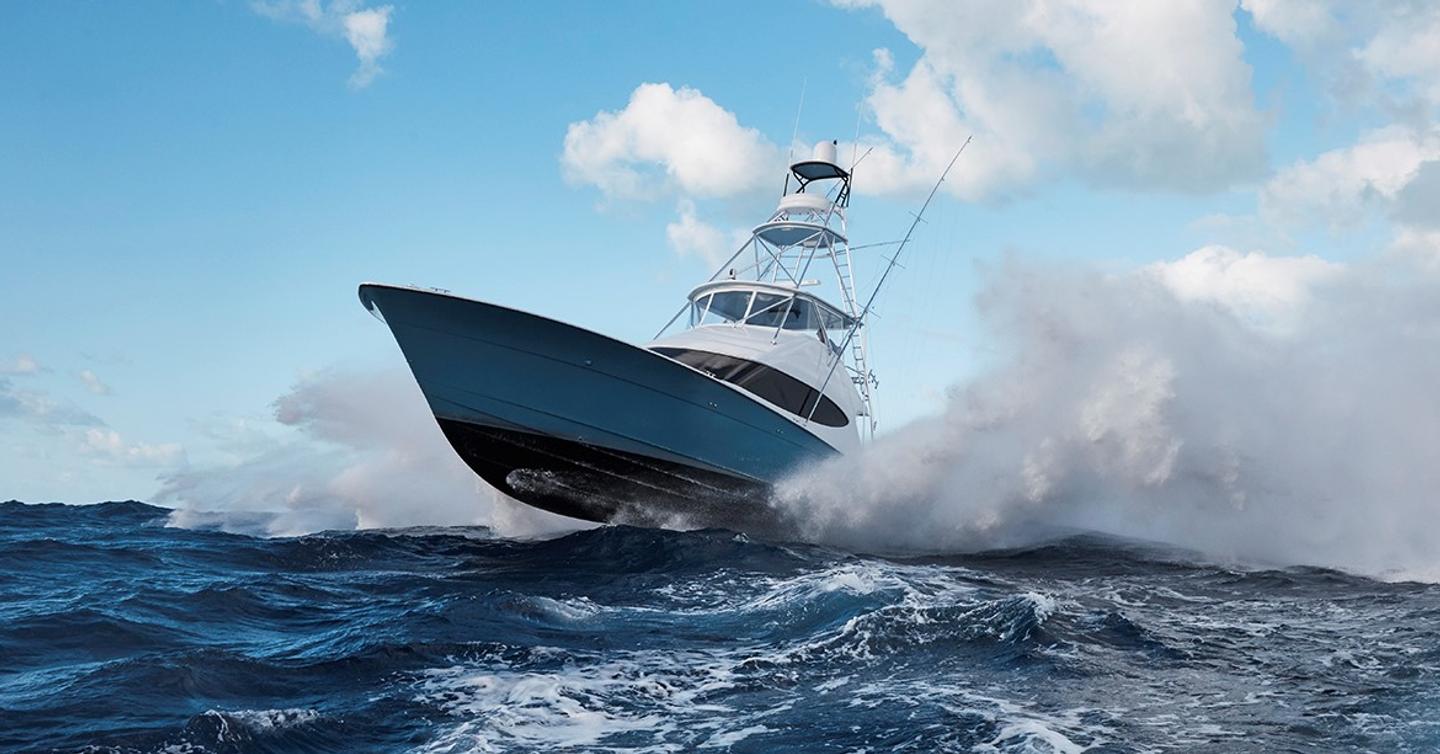
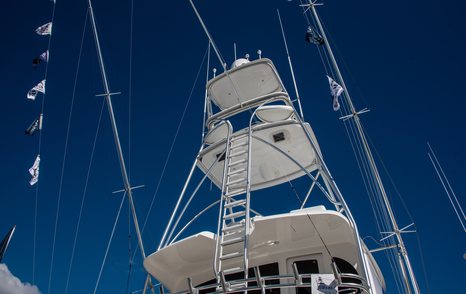
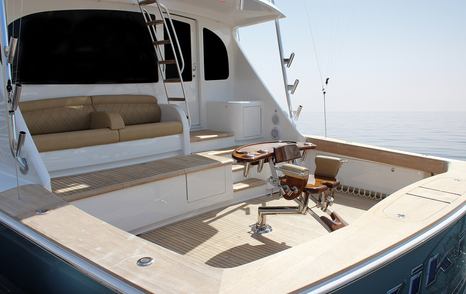
The definition of a sportsfisher can vary significantly depending on your location and the type of fishing you enjoy. In North America, sportsfishers generally take the form of flybridge-style motor yachts with towering tuna towers or powerful center console open boats with multiple engines. This design provides the speed and agility required for offshore big-game fishing.
Whereas in Europe, a wheelhouse motorboat design with a clear aft cockpit or deck is well-suited for a more relaxed approach to fishing. The priority is comfort and relaxation whilst waiting patiently for the fish to bite.
Wherever you are, sportfishers share common fishing-centric features such as live bait wells, rod holders, wash-down decks, and ample storage. The ability to handle adverse weather conditions are fundamental qualities, and they are vessels built for the challenges of the open sea.
Typical size range:
6m - 20m (21ft - 67ft)
Also Known As:
Key Identifiers:
A mixture of rod holders, wheehouses, large aft cockpit, no frills style, and tuna towers.
Great For:
Trawler Yachts
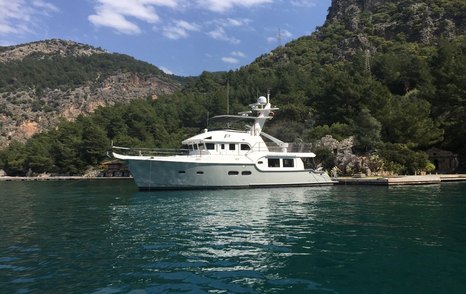
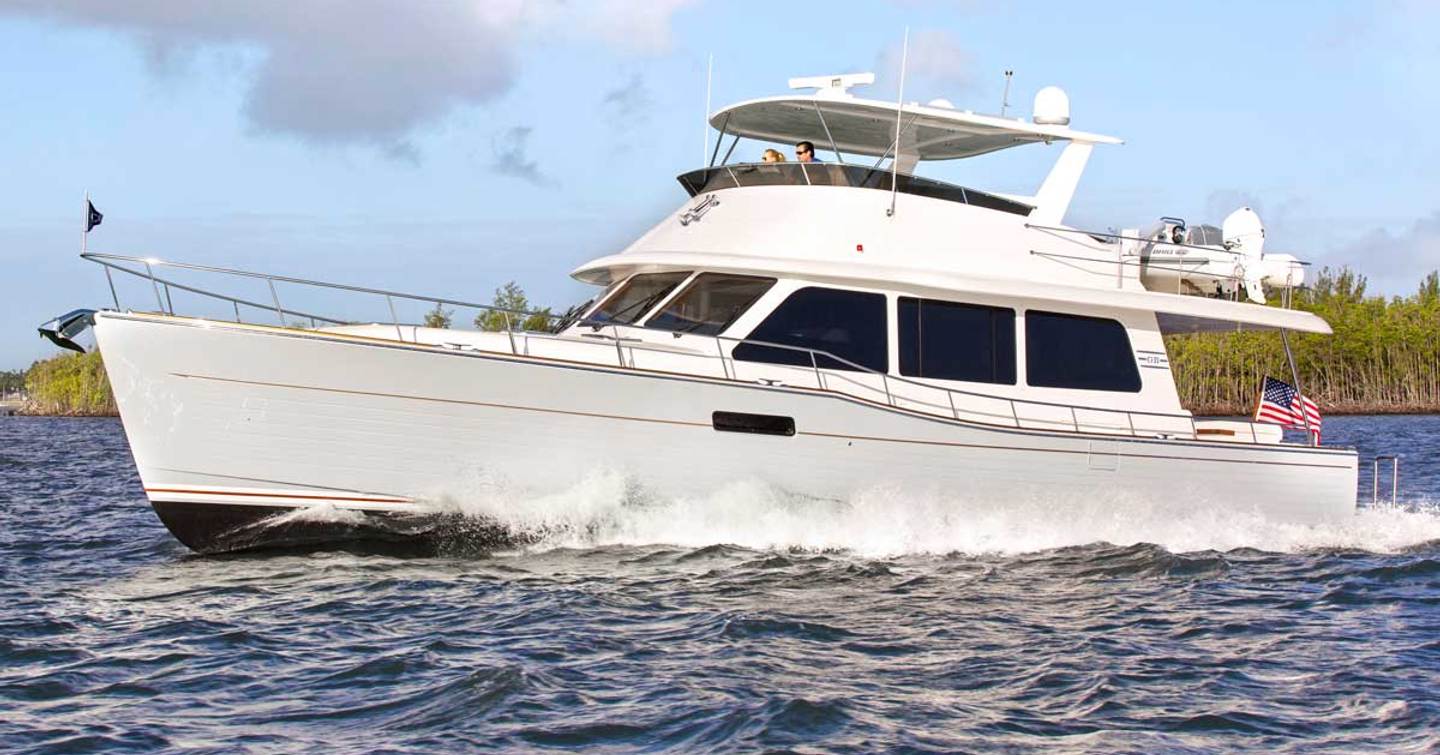
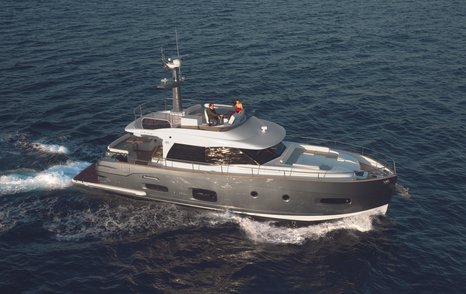
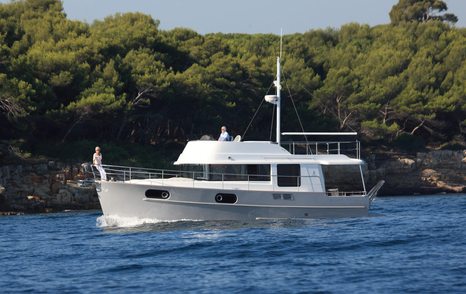
The origin of the trawler yacht design can be traced back to the fishing fleets of the late 19th and early 20th centuries. The modern-day trawler yachts are characterized by their sturdy construction, spacious and often traditional style interiors, and fuel-efficient designs, generally using the semi-displacement hull design.
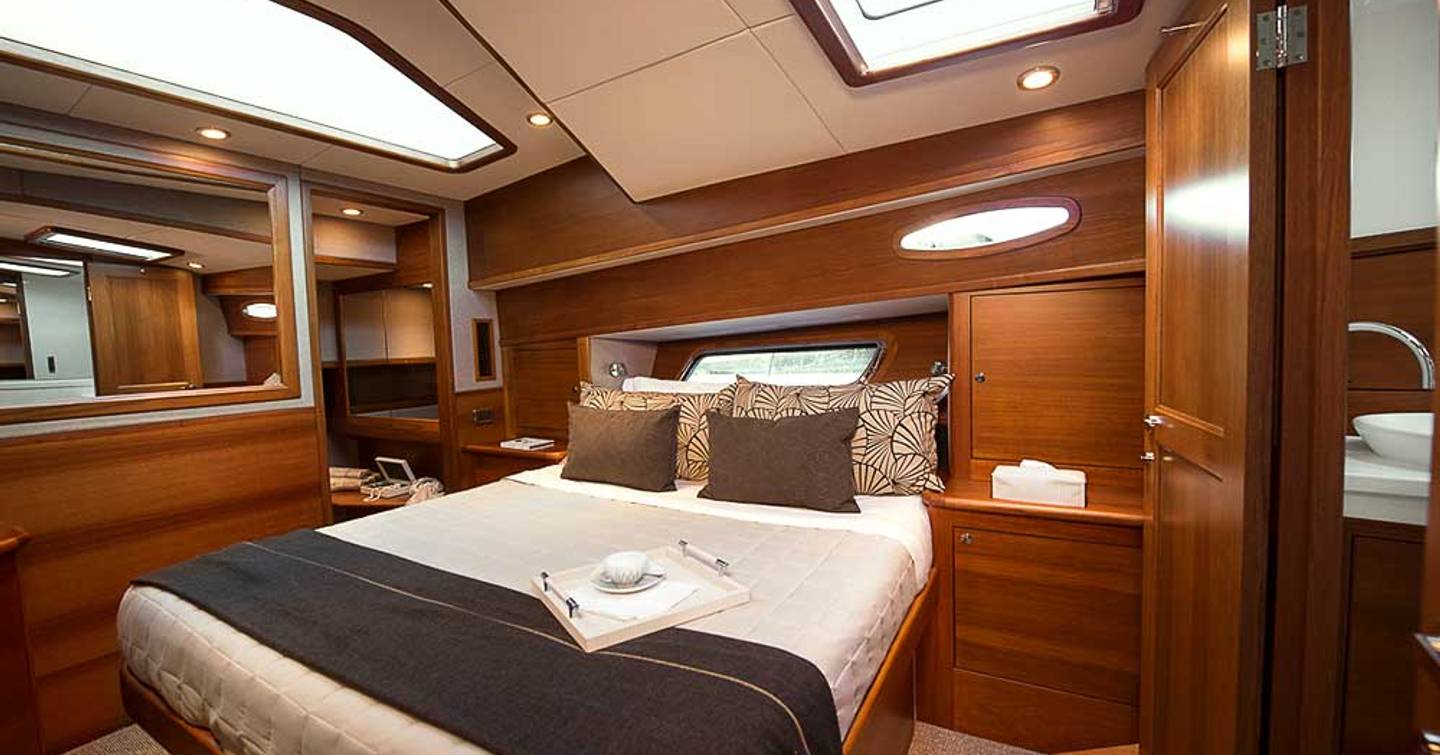
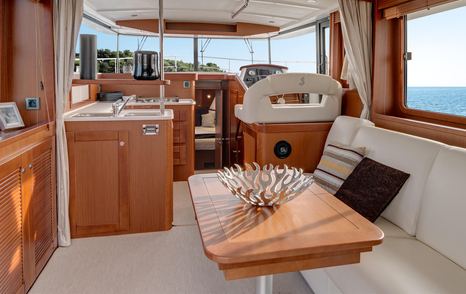
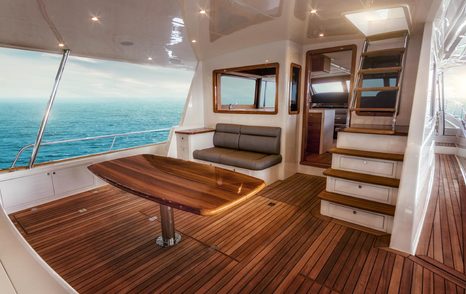
Expansive living spaces and well-appointed cabins make the trawler yacht a preferred choice for those who value both the journey and the destination in equal measure. In addition, the decks tend to be wide and deep, so ideal for guests with stability challenges.
Typical size range:
10m - 30m (33ft - 100ft)
Key Identifiers:
Upright superstructure with angled-in window design, deep, protected walkaround decks, clinker-style topsides, fine entry to bows
Great For:
Multihull Motor Yachts
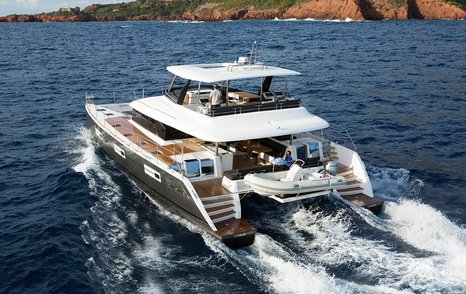
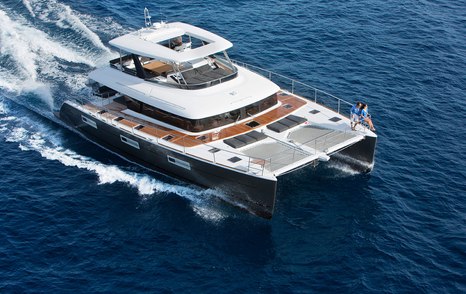
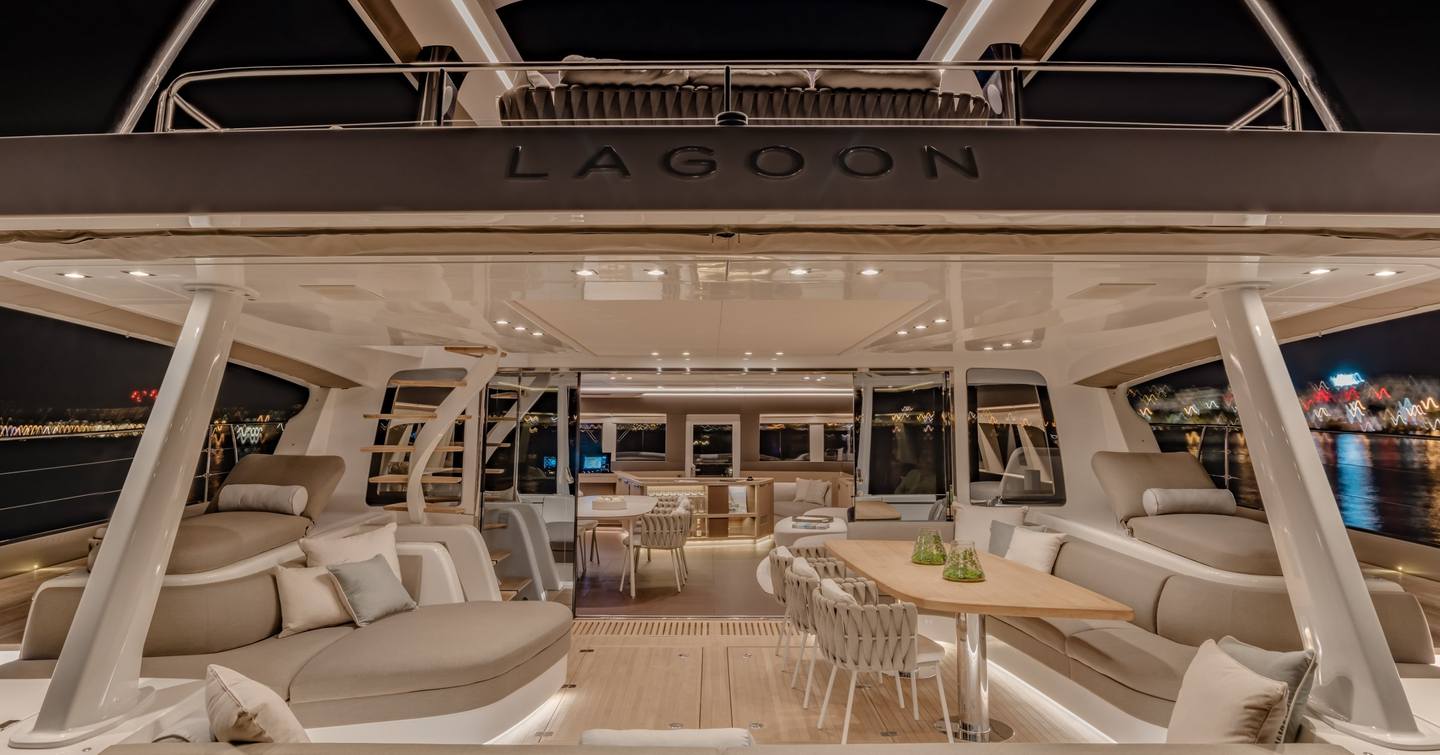
When stepping from a monohull to a multihull yacht, the extraordinary space advantage is clear to see. Catamarans are catching the eye of modern boating enthusiasts looking for range and efficiency, style and stability, enhanced comfort, and storage.
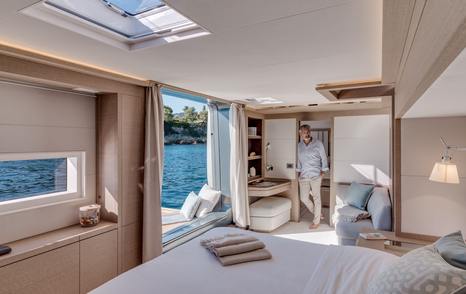
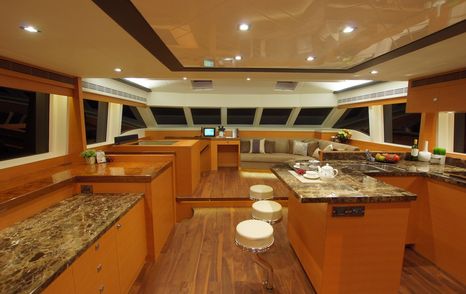
The extra beam creates increased deck-level space, although the below-deck accommodation must work within the smaller hulls so cabin size may be slightly compromised. A disadvantage is that berthing fees may double in many marinas, and finding a shipyard that can lift the wide beam of a cat for the annual haul-out may be challenging.
Typical size range:
12m - 21m (40ft - 70ft)
Also known as:
Key Identifiers:
Two or more separate hull sections
Great For:
What Makes a Yacht a Superyacht?
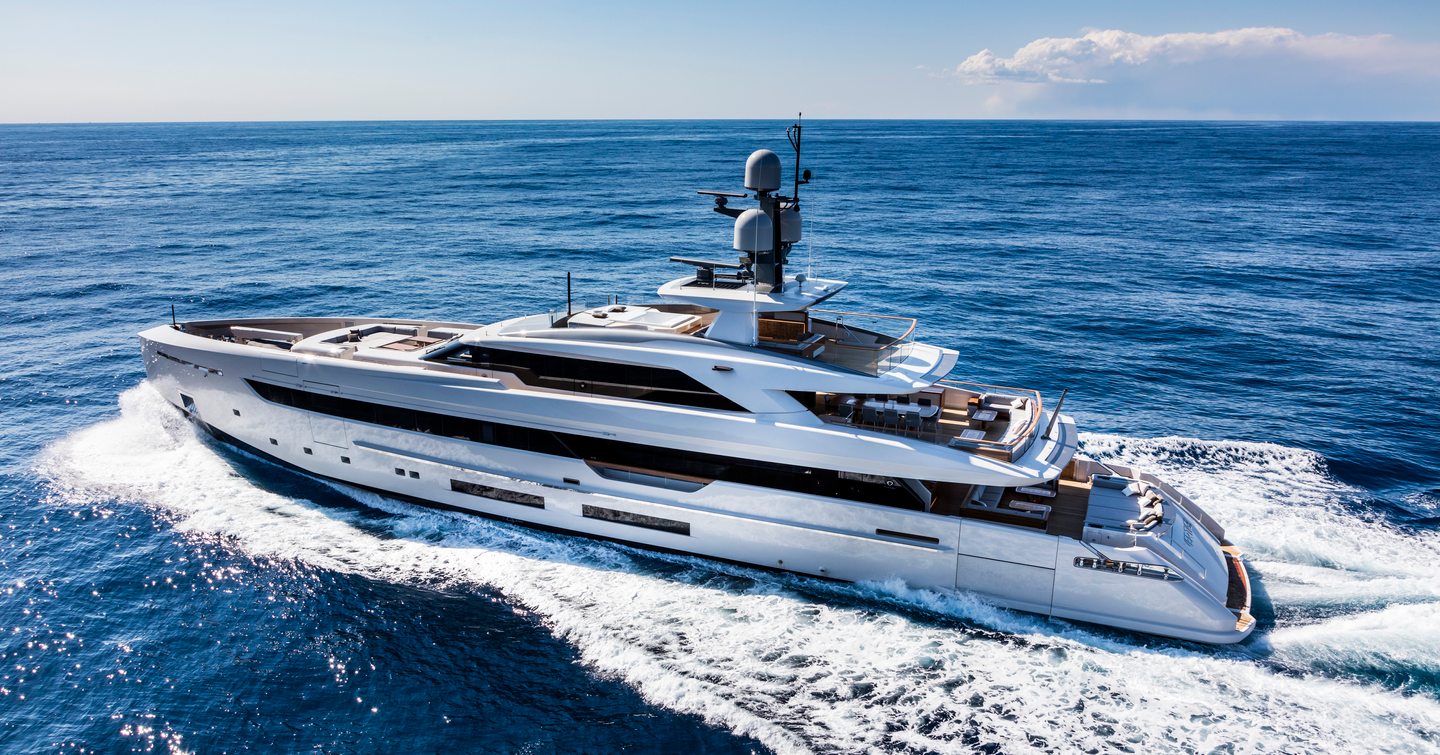
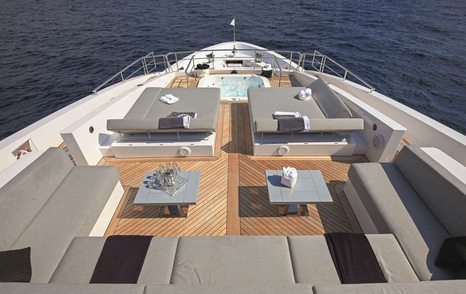
In the world of yachting, size plays a pivotal role, especially when it comes to defining a motor yacht as a superyacht. The pursuit of larger and more impressive vessels is a constant theme, with each new launch of the world's largest superyacht capturing headlines, only to be followed by news of an even grander one under construction.
Typically, a yacht attains the esteemed "superyacht" designation at a length of approximately 24m (79ft). At this point, the regulatory landscape governing yacht operations undergoes a transformation, and the requirement for a dedicated yacht crew begins.
For yachts measuring below 50m (164ft), construction often follows a semi-custom approach, building upon existing platforms while incorporating numerous customized features to suit the yacht buyer and their preferences.
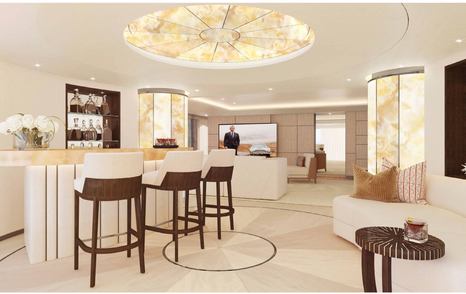
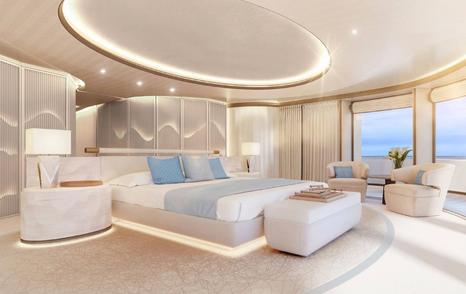
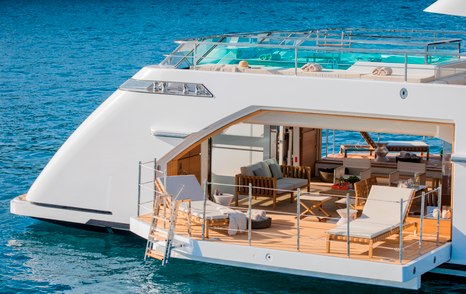
Around the 40m (131ft) mark, a noteworthy transition occurs: the customary two decks of a motor yacht expand to three, forming what is known as a tri-deck. Construction materials shift from GRP to steel and aluminum, and, as yacht dimensions continue to grow, so does the range of available amenities, including beach clubs, sun decks, sky lounges, helipads, and even indoor swimming pools.
Typical size range:
24m+ (78ft+)
Also known as:
Motor yacht, Mega yacht, Yacht
Key Identifiers:
Multi-deck crew-operated yacht of around 24m upwards
Great For:

Explorer Yachts
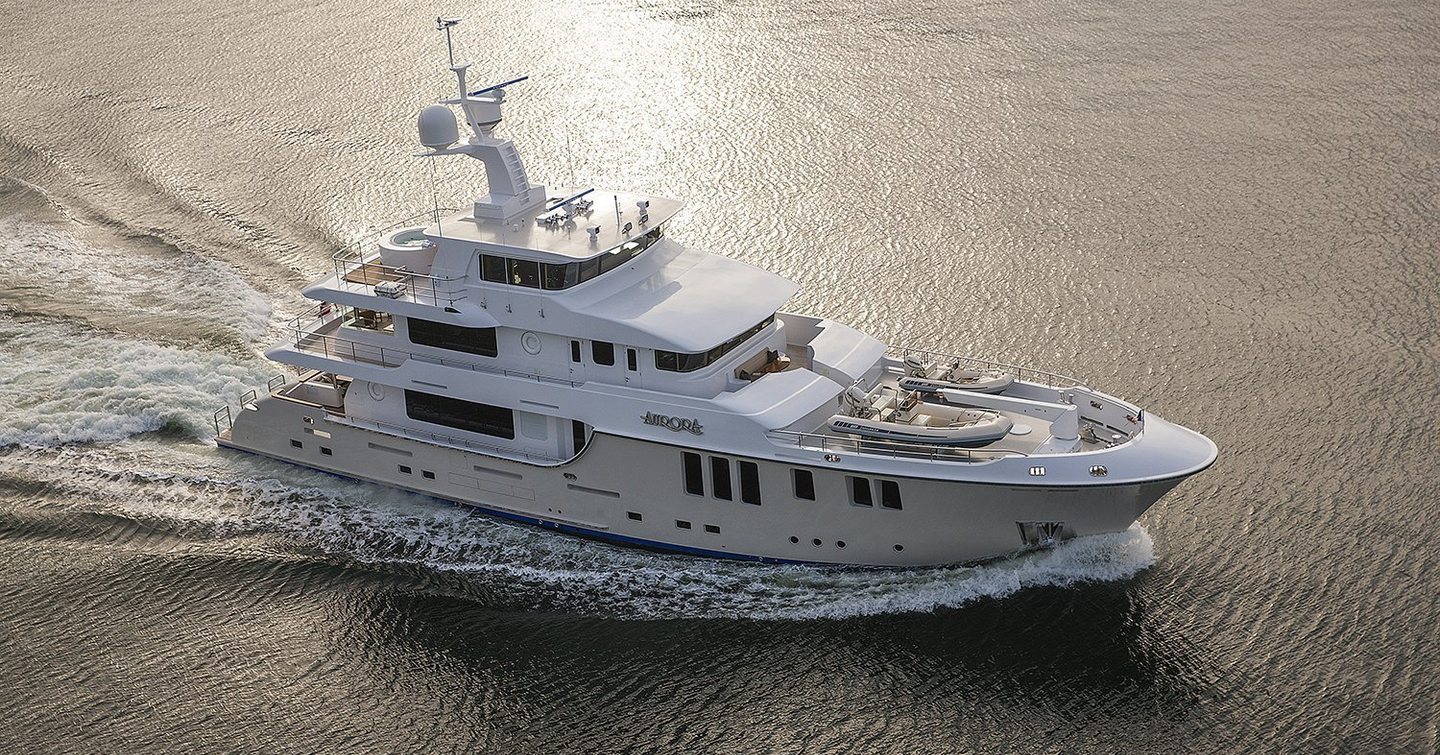
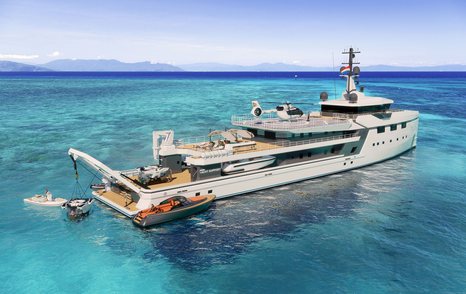
Operating in remote and often fragile environments, in a safe and environmentally considerate manner, the modern-day explorer yacht, or expedition yacht, is a highly specialized vessel.
With the ability to sustain itself for long periods at sea, with a long-range capability, low emissions and the ability to carry and deploy exploration vehicles such as submarines and helicopters, an explorer yacht can also be made Ice Class, allowing it to operate safely in Polar regions.
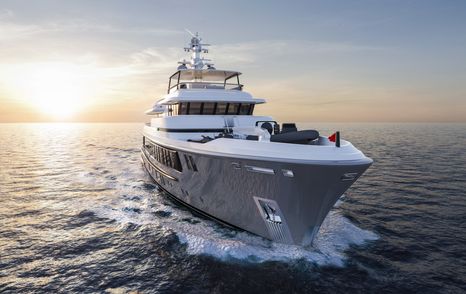
With tall, robust bows, ship-like superstructures, and low hull sections, explorer yachts’ powerful looks have become a popular style theme for leisure yachts not intended for real exploration. These exploration-style yachts are often referred to as SUVs (Sports Utility Vessels) as with cars that follow a 4x4 style without the full off-road capability.
Typical size range:
25m+ (82ft+)
Also known as:
Expedition yacht
Key Identifiers:
Semi-commercial lines with tall bows, angular superstructures and lower hull sections. Specification is the key, it must deliver true explorer ability: extended range, self-sustainability, excellent tender and exploration equipment options
Great For:
Sports Utility Vessels (SUV)
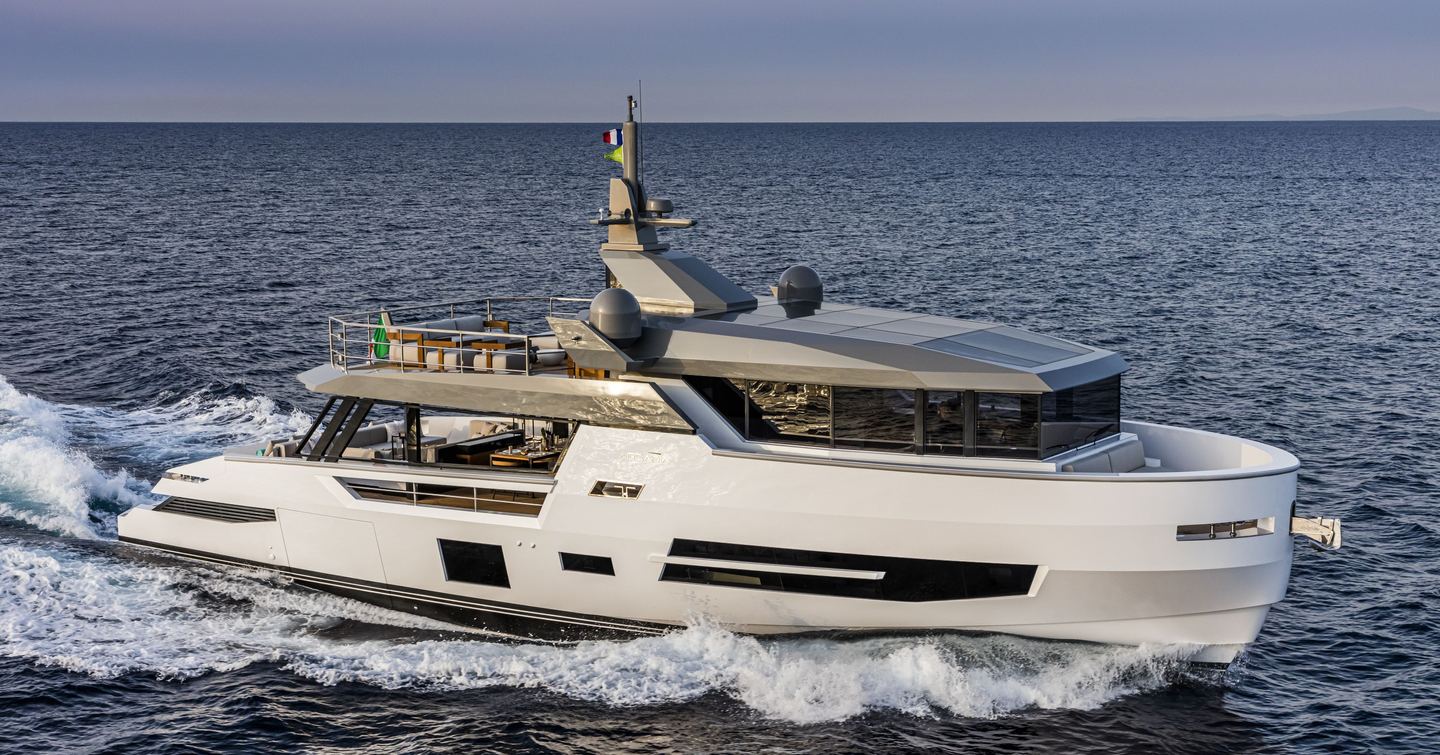
As with the automotive world, where the popularity of serious off-road vehicles gave birth to the more accessible Sports Utility Vehicle, the popularity of explorer yacht style has seen the creation of the Sports Utility Vessel.
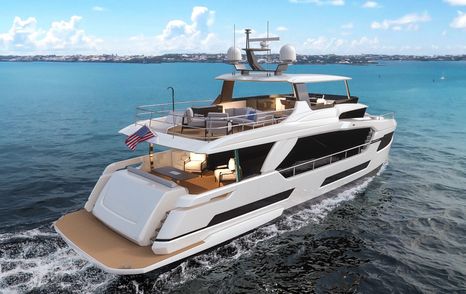
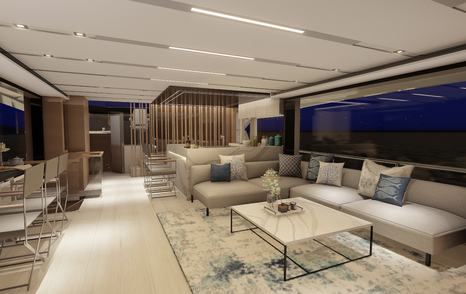
One of the big yacht design moments of the last decade, the emergence of the SUV has delivered genuine innovation, with huge deck areas, open-plan living spaces, and a move towards more efficient cruising ideals.
Mixing robust and progressive design, the SUV certainly delivers one of the most eye-catching and exciting looks on the water.
Typical size range:
25m+ (82ft+)
Also known as:
Explorer-style yacht, superyacht
Key Identifiers:
Large progressive motor yacht style with extended upper decks and fuller bow sections.
Great For: