
While many buyers focus on size, layout or engine choice, understanding hull construction can help narrow down the right yacht long before stepping aboard.
Why does hull material matter?
The hull is the yacht's structural foundation. It determines not only strength and durability, but also influences weight, fuel efficiency, ride comfort, maintenance requirements and long-term ownership costs.
There is no universally "best" material. Instead, builders select hull materials based on the yacht's intended purpose. A 15-metre sports cruiser has very different requirements from a 70-metre explorer yacht designed for world cruising.
What are steel hulls?
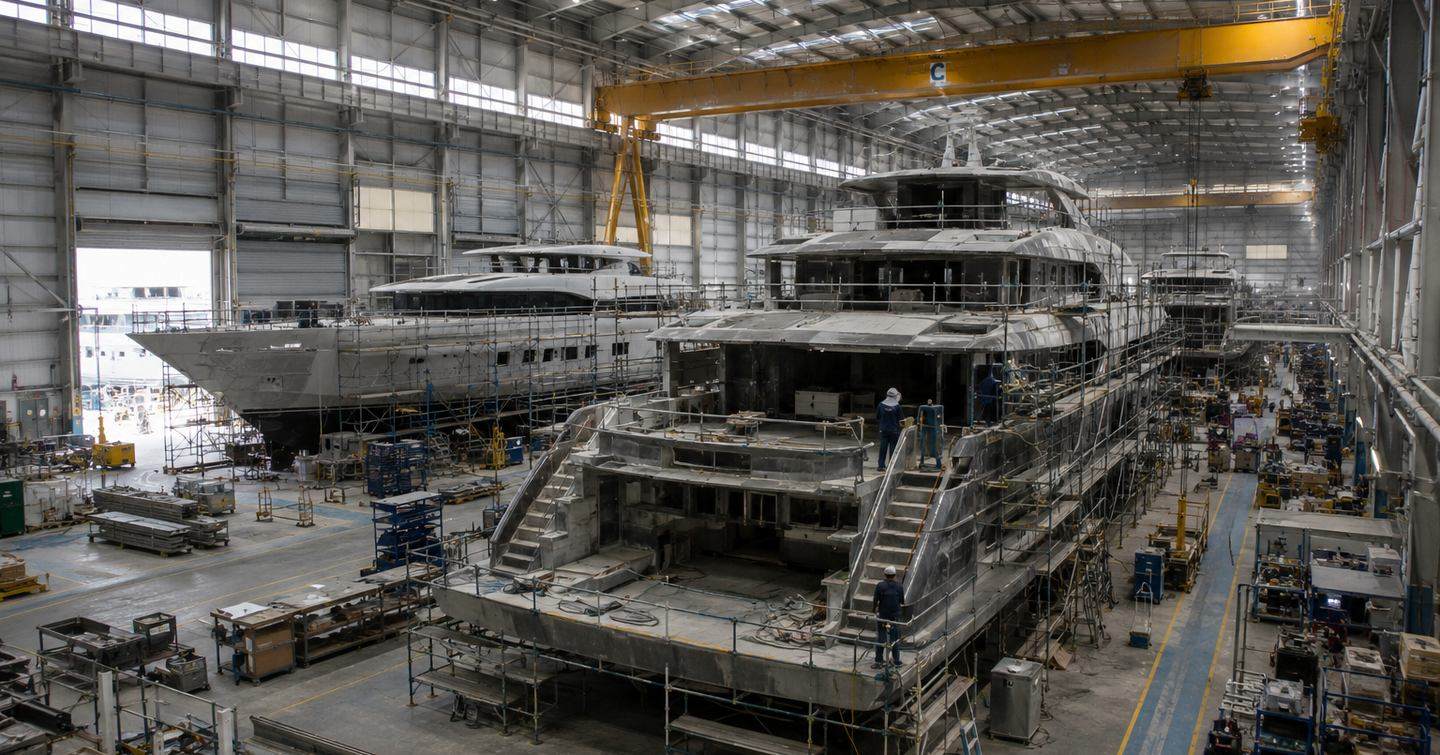
Steel has long been the material of choice for large yachts, commercial vessels and expedition yachts thanks to its exceptional strength and durability.
Its ability to absorb impacts makes it particularly well suited to long-range cruising, challenging weather conditions and occasional contact with floating debris or ice. Steel is also relatively straightforward to repair almost anywhere in the world, making it attractive for owners planning extended voyages.
The downside is weight. Steel is considerably heavier than aluminium or GRP, meaning yachts require more power to achieve similar speeds and generally consume more fuel. Steel also requires careful corrosion protection through coatings, paint systems and regular maintenance.
Many steel yachts are designed as displacement vessels, prioritising comfort and range over outright speed.
Best suited for:
- Explorer yachts
- Long-range cruising
- Large displacement superyachts
- Global voyaging
| Advantages | Disadvantages |
| Extremely strong and durable | Heavy |
| Excellent for long-distance cruising | Higher fuel consumption |
| Easier to repair worldwide | Requires corrosion protection |
| Long service life | Typically slower |
Related Guide:
What are aluminium hulls?
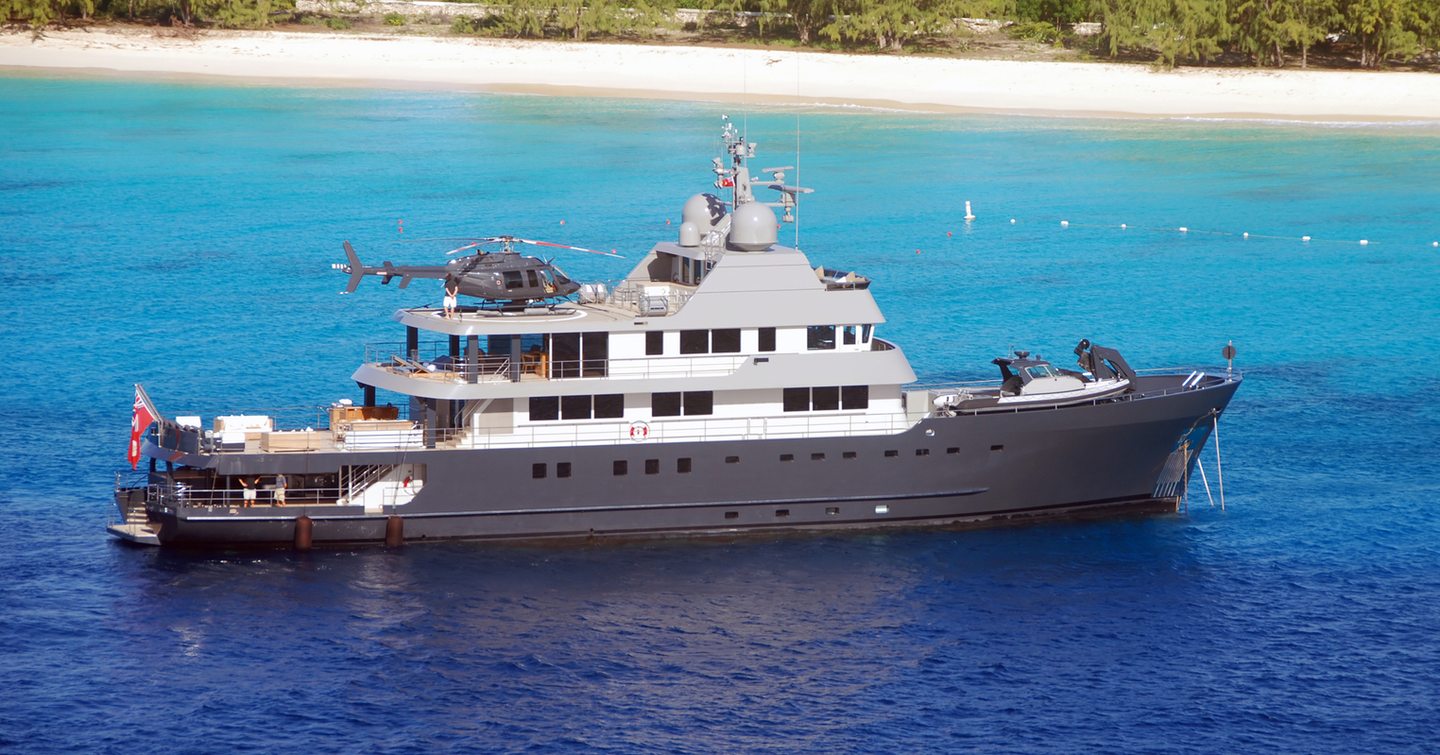
Aluminium offers many of steel's structural benefits while significantly reducing weight. This makes it popular for performance yachts, fast displacement yachts and many custom superyachts.
A lighter hull improves acceleration, efficiency and cruising speeds while reducing overall displacement. Aluminium is also naturally corrosion-resistant thanks to its protective oxide layer, although galvanic corrosion must still be managed through proper engineering and maintenance.
Because aluminium is lighter, builders can often create larger interior spaces without dramatically increasing displacement.
The material is, however, more expensive than steel and generally requires specialist repair facilities if structural work is needed.
Best suited for:
- Performance motor yachts
- Fast displacement yachts
- Semi-custom and custom superyachts
- Owners seeking speed and efficiency
| Advantages | Disadvantages |
| Much lighter than steel | Higher build costs |
| Better fuel efficiency | Specialist repairs may be required |
| Higher cruising speeds | More vulnerable to dents than steel |
| Corrosion resistant | Vulnerability to galvanic corrosion |
Related Guide:
What are GRP hulls?
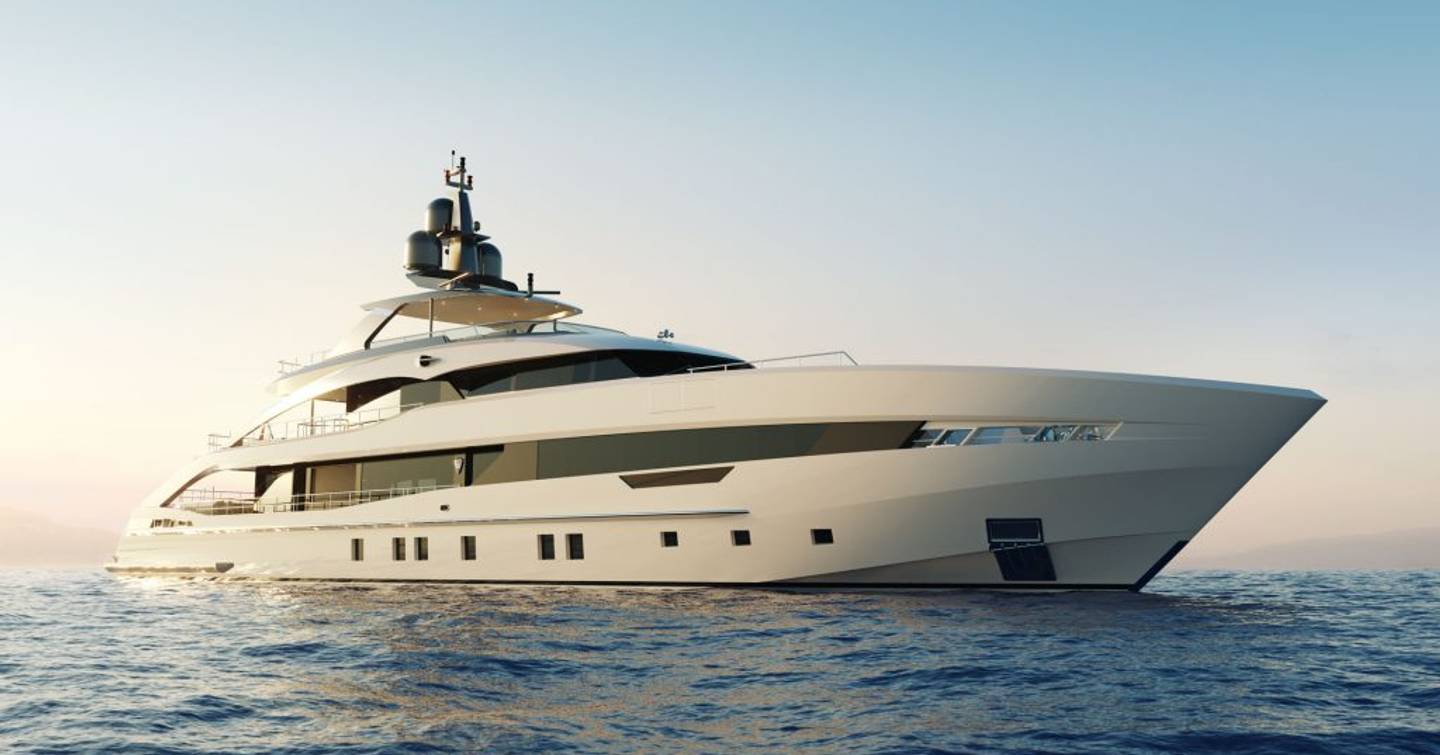
GRP, or glass-reinforced plastic, is the most common hull material for production yachts under around 20 to 40 metres.
Manufactured using moulds, GRP allows builders to produce consistent hulls efficiently while keeping costs relatively low. It requires minimal maintenance compared with metal construction and does not rust or corrode.
GRP is also relatively light, helping improve performance and fuel economy, particularly on planing yachts.
While modern composites are incredibly strong, GRP generally isn't as impact-resistant as steel and can be more difficult to repair following significant structural damage. Osmosis, while far less common than in previous decades, can also affect poorly maintained older yachts.
Best suited for:
- Production motor yachts
- Sports cruisers
- Flybridge yachts
- Family cruising
| Advantages | Disadvantages |
| Lower purchase cost | Less impact-resistant than steel |
| Minimal corrosion concerns | Structural repairs can be complex |
| Lightweight | Older yachts may develop osmosis |
| Lower maintenance | Not fireproof |
| Efficient production | Difficult and expensive to recycle |
Related Guides:
Which hull material is best for your type of boating?
Long-range cruising
Steel remains the benchmark for expedition yachts designed to spend months at sea or cruise remote regions. Its durability and worldwide repairability make it ideal for serious passagemaking.
Fast cruising
Owners prioritising speed, efficiency and performance often favour aluminium, particularly on larger custom yachts where reducing displacement offers noticeable benefits.
Weekend and coastal boating
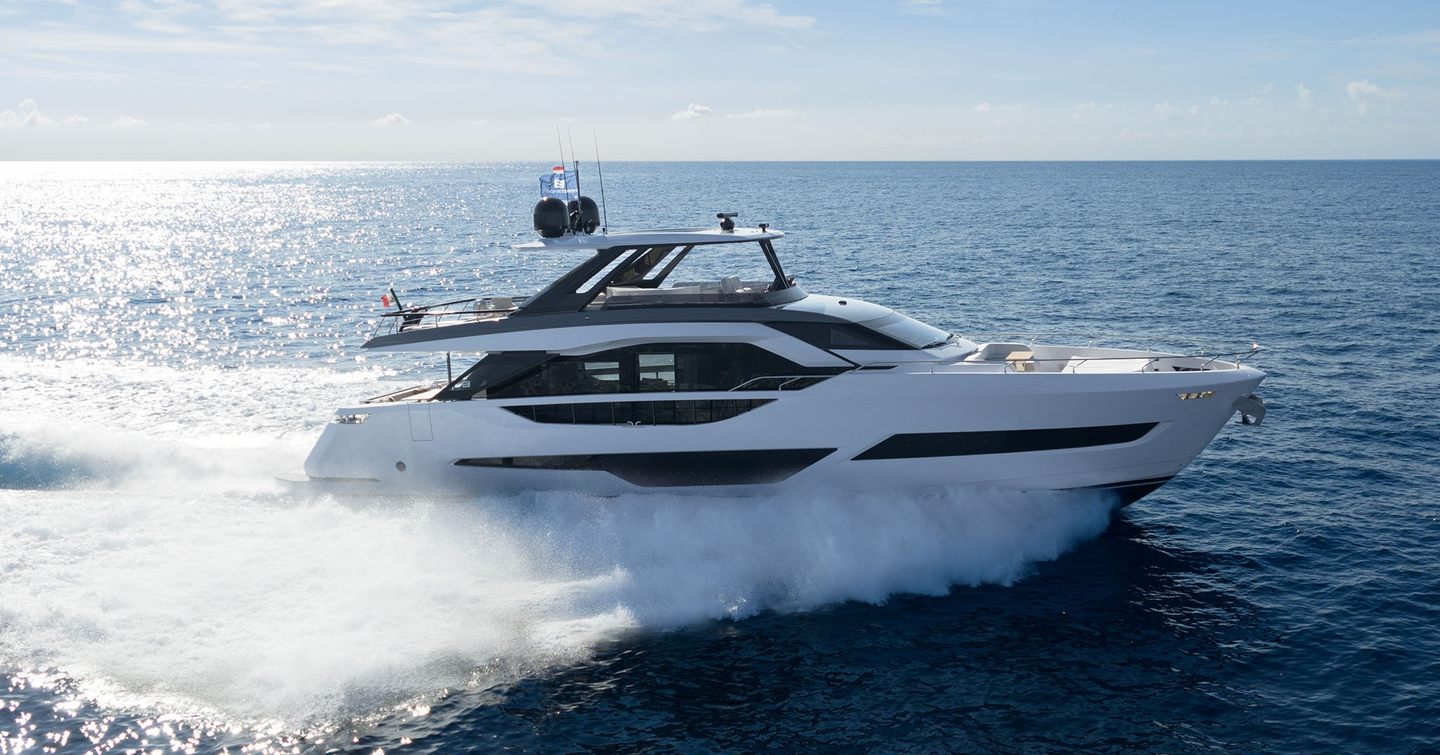
GRP dominates this part of the market because it offers an excellent balance of cost, performance and ease of ownership. Most production builders use GRP construction across their ranges.
Luxury superyachts
Many of today's biggest yachts combine materials depending on size and purpose. Steel hulls with aluminium superstructures are particularly common, reducing weight higher up while maintaining maximum strength below the waterline.
Related Guide:

Can different materials be combined?
Yes. Many modern yachts use multiple construction materials to maximise their strengths.
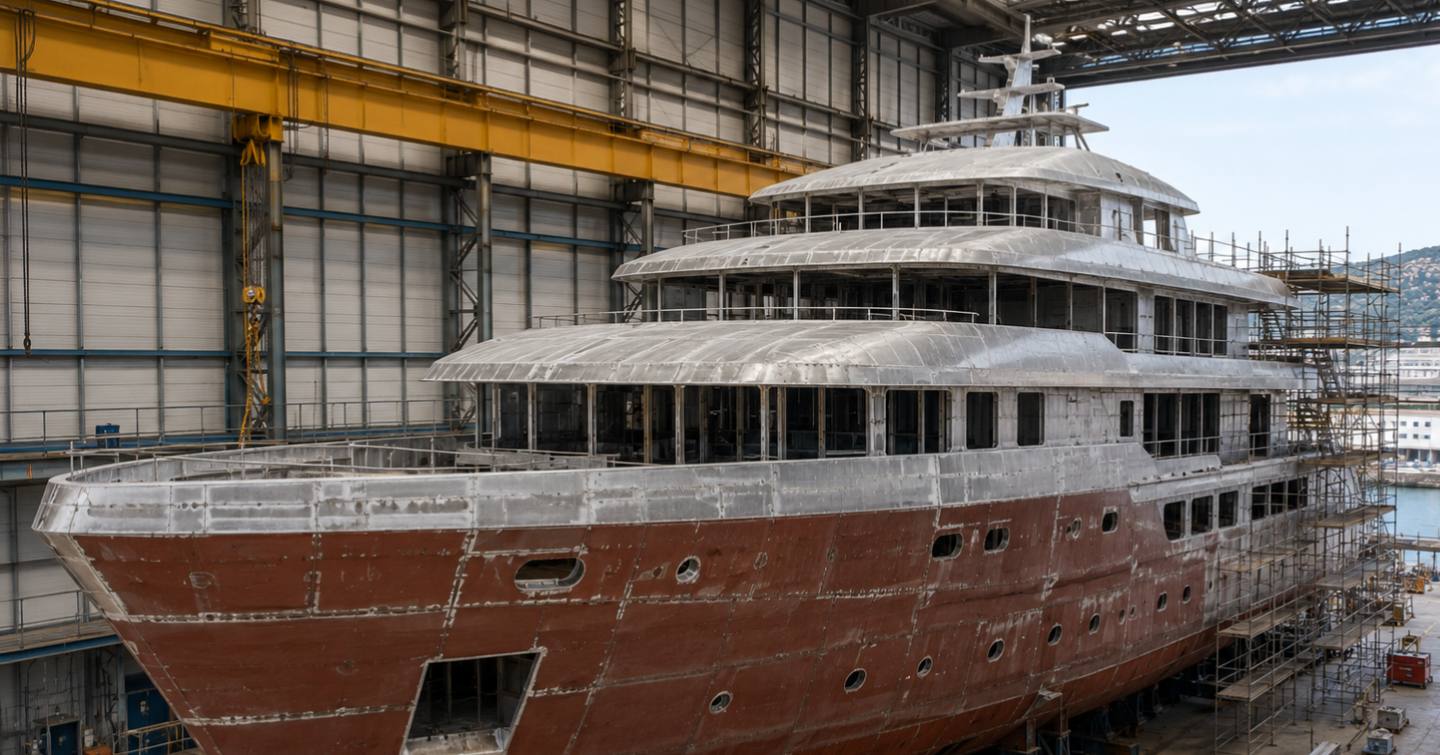
One of the most common configurations is a steel hull paired with an aluminium superstructure. The steel hull provides strength and durability, while the lighter aluminium upper decks reduce weight above the waterline, improving stability and lowering the yacht's centre of gravity.
Composite materials, including carbon fibre, may also be used for hardtops, radar arches, masts and other structural components where reducing weight offers performance benefits.
YachtBuyer MarketWatch and Intelligence tracks thousands of yachts across the new-build and brokerage markets, alongside live order books, deliveries and technical specifications. Comparing hull materials across real yachts helps buyers understand how builders use steel, aluminium and GRP to suit different sizes, cruising styles and performance requirements before narrowing their shortlist.
FAQ
Is aluminium better than steel for yachts?
Neither is universally better. Aluminium offers lower weight, improved performance and better fuel efficiency, while steel provides greater strength, durability and impact resistance.
Why are most production yachts made from GRP?
GRP is relatively inexpensive to manufacture in volume, requires less maintenance than metal construction and provides an excellent balance of strength, weight and performance for recreational yachts.
Why do explorer yachts usually have steel hulls?
Explorer yachts are designed for long-distance cruising in challenging environments where durability is a priority. Steel provides excellent structural strength and is easier to repair almost anywhere in the world.
Can a GRP yacht cross oceans?
Yes. Many well-designed GRP yachts have completed ocean crossings successfully. Hull material alone does not determine seaworthiness; hull design, engineering, equipment and preparation are equally important.
Does hull material affect resale value?
Hull material can influence buyer demand depending on the yacht's intended use. Explorer yacht buyers often expect steel construction, while GRP remains the standard for production motor yachts. Overall condition, maintenance history and builder reputation usually have a greater impact on resale value.
Looking to own a yacht? View all new and used superyachts for sale, tracked in real time by YachtBuyer MarketWatch. We scan the entire market to ensure access to all genuine listings, helping you save time. Alternatively, explore all other yachts for sale.
