

Whether it’s at a show, a dealership, or at the builder's headquarters, our viewing checklist will help you to separate the bad from the good.
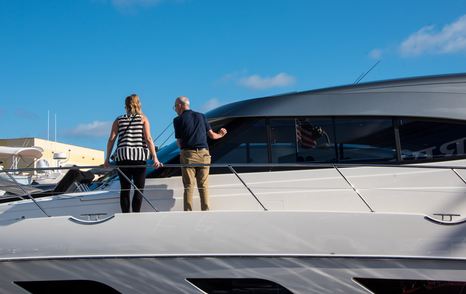
Viewing yachts is fun, but with so much on offer, it's easy to get distracted and forget about your needs and requirements. This is why it's important to go into a yacht viewing with some clear objectives, allowing you to focus on the key features that matter most.
Preparation
You will have specific wants and needs for your prospective yacht, and the right yacht size will depend on how and where you plan to cruise. Some things will be very personal to you and these should be noted prior to viewing. Other features, however, have more to do with good design, build, and practicality.
Most yachts will try to cater to general needs, which makes the buyer's life easier in some respects but makes it even more important to get the key features right. After all, we don’t want your yacht to be considered okay, here at YachtBuyer we want it to be perfect.
Questions To Ask Yourself Before Viewing
- How many people will be on board at any one time?
- How many people will sleep onboard at any one time?
- How often will you want to cook onboard?
- Will you be primarily day boating? If so the deck areas become more important
- Will you be staying onboard for longer periods? If so the balance between interior and exterior space is key
What To Bring And Expect
At the viewing stage, you’re unlikely to go to sea, so concentrate on ergonomics and build quality; where YachtBuyer has tested the model, our Boat Tests add measured speed, fuel burn, range, noise and handling data from the water.
Some yachts will be in show condition, while others may be wrapped up in plastic and rather bare. Try to look past either instance and stick to the more factual and physical elements of the yacht, such as its space, quality, and practical features.
Useful viewing accessories:
- Camera/phone
- Torch
- Tape measure
- rivals boat specs/model comparisons
Viewing Section By Section
Decks
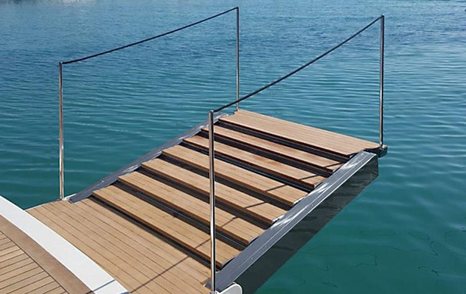
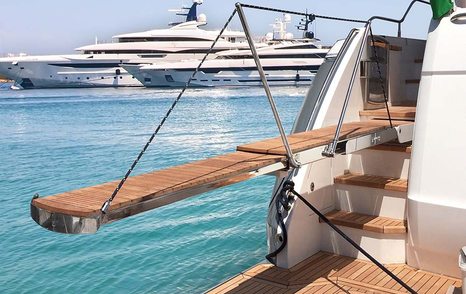
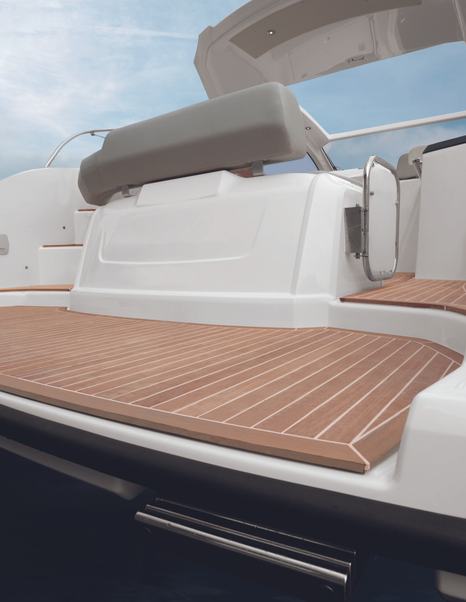
Before you set foot onboard, consider how easy it is to safely access the yacht. This is usually done from the bathing platform or via a gangway (passerelle). Is there a clear, gripped area to step onto? Is there a hand-rail to grab? Or for pontoon users, is there easy side deck access?
Some yacht designs carry the topsides right aft, wrapping around the bathing platform. This can look good and offer protection but sometimes makes boarding alongside difficult.
Accessibility
How you move from one deck level to another is a key area of practicality. Can you safely and easily move from the cockpit to the side deck, or up to and about the flybridge?
Deck areas intended for transit should be gripped or teak-finished. Check for slippery gel coat areas where you are likely to step.
Hand Or Grab Rails
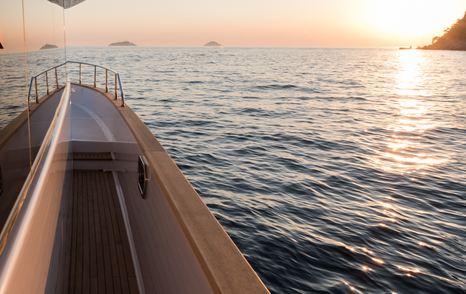
Moving around a deck at sea, with a gentle pitch and roll, requires a level of care. If the yacht is actually underway or in rougher seas it can be challenging to say the least. Intelligently placed grab rails at key transit points are therefore essential, and should be of a chunky and ergonomic design.
Check that grab rails are close to hand when moving across or onto a deck. Is there a long single rail running along the superstructure? Or are there grab rails around the helm position?
Coaming, Bulwark And Stanchion Height
The coaming is the solid raised section around a cockpit, and a bulwark is a solid raised section outboard of the side deck. Both should be of a safe height.
Many modern yachts do away with a bulwark or lower it to create a less heavy external look, replacing it with stanchion posts connected by railings or wires. A solid stainless steel top rail is preferable to a wire, creating a more robust frame.
A secondary mid-level rail is common, but will often be wire rather than a stainless steel tube. Although bulwarks are rare on yachts under 20m (66ft), look for a small toe rail, a raised section outboard of the deck that helps keep feet inboard.

Deck Hardware
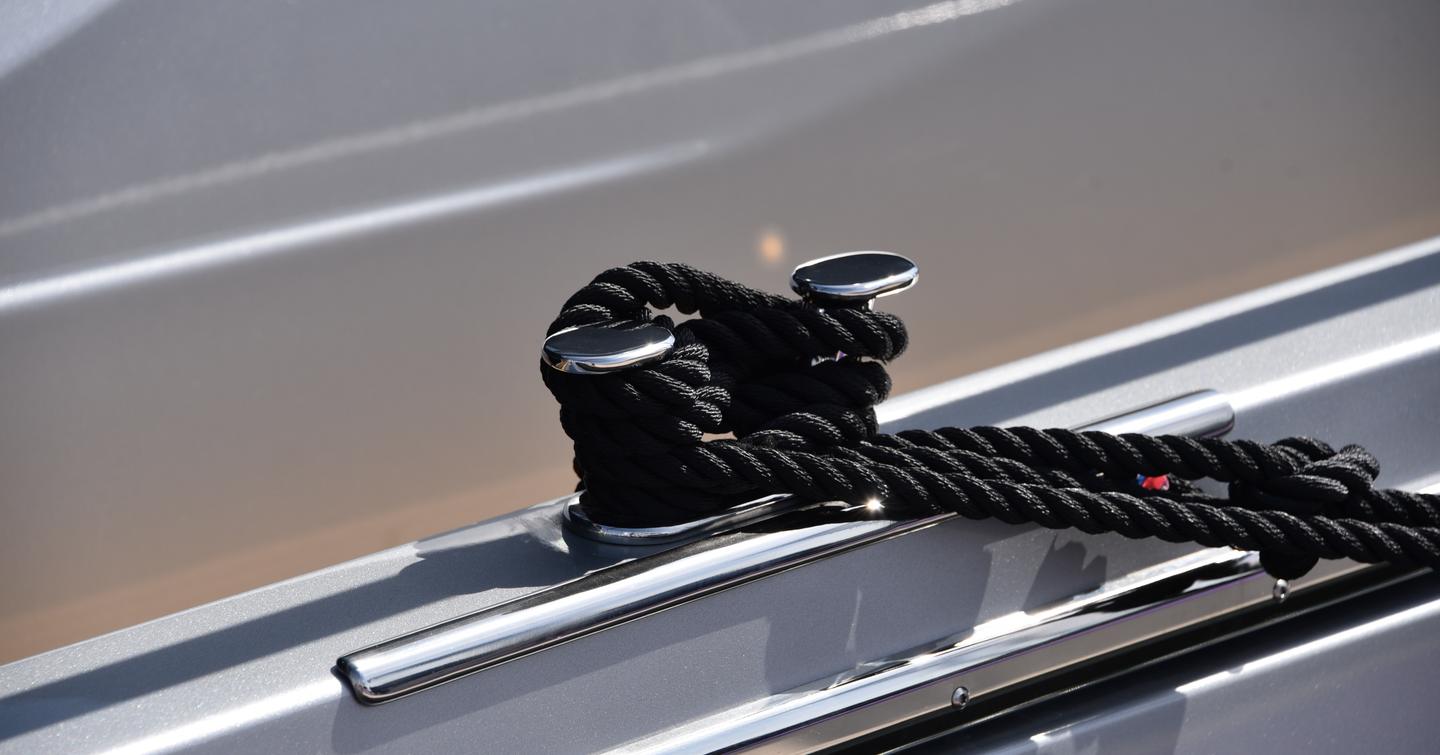
Check that the cleats are of a good size and quality. Cleats secure your yacht to the shore and so they are a vital part of the inventory. Rubbing plates and fairleads are a useful addition, stopping lines from rubbing and wearing out the yacht's gelcoat or paintwork.
A 12m-15m (39ft-49ft) yacht should have bow and stern cleats with two spring cleats for drawing a yacht close to an alongside dock. Larger yachts may offer hydraulically powered winches to aid mooring, particularly stern-to. At the foredeck, the anchor should be easily stowed and secured, and not protrude too far forward.
Stowage
Inside and out stowage is highly important. Having space to store items safely and securely is vital, allowing decks and transit points to be kept clean, clear, and safe.
Check that the deck stowage is lined and ideally has a rubber base. The compartments should also be self-draining.
Be wary of any deck stowage that is carpeted or does not have a drain as it will lead to dampness or mold. Having sealed compartments (with a drain) means you can securely stow items without them moving around. There may also be larger stowage areas left open in the bilge; this is fine as long as you can secure things and it is not close to any moving machinery.
Fuel And Water Fillers
Often overlooked, a clean, recessed area where you can fill your fuel and water tanks is a necessity. The recessed part of the equation is key. If the fillers are deck-mounted, spillages can run down the deck, and if poorly designed, into the yacht.
Tender Stowage
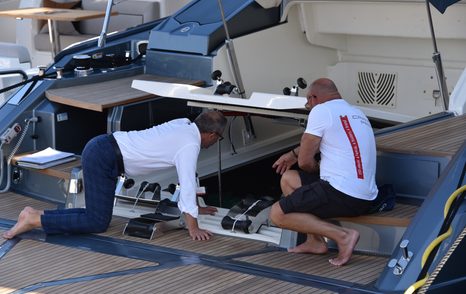
Is there a designated place to stow a tender, and its outboard motor? A tender garage or hydraulic bathing platform are common options, with larger flybridge yachts finding space up top. Check that launch and recovery systems or cranes are included, if not, how much do they cost?

Canopy System
A canopy system that encloses the aft cockpit or other deck areas is usually supplied, but how easy is it to deploy or stow? You may need to do so in a hurry, and finding space for large sections of canvas can be a hassle, especially if deck stowage is limited.
A well-designed yacht will make it easy to deploy a canopy, with compartments for it to fold up into when not needed.
Interiors
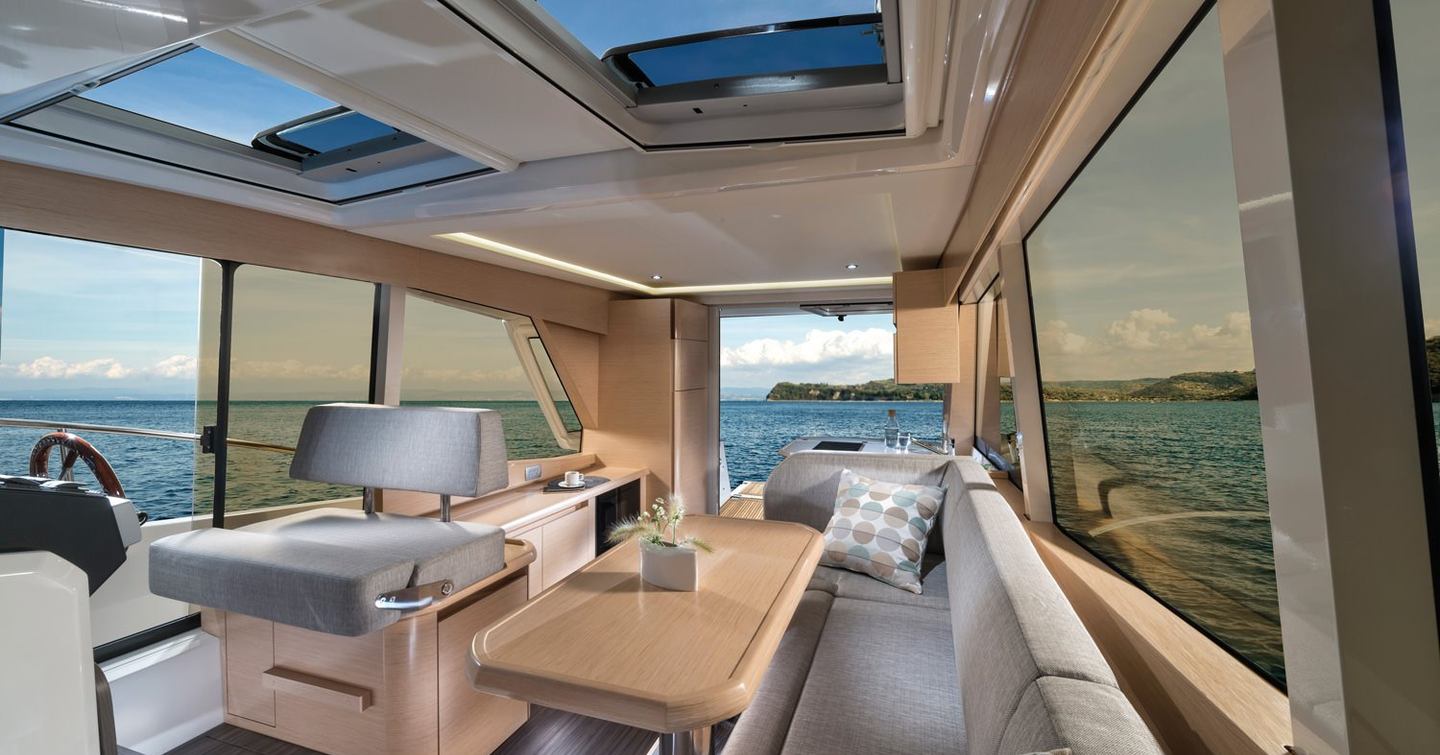
A yacht interior can look superb at first glance, but a viewing is the time to find out whether it actually works. Sit at the table, walk around the bed, open cupboards and doors, stand in the shower and follow the route from the helm to the deck. Small annoyances at the dock tend to become bigger ones once the yacht is underway.
Headroom
Yacht design is so good now that 10m (33ft) models will offer full-standing headroom inside. Of course, what constitutes standing headroom will vary according to you and the yacht.
Check that there is a usable amount of headroom in the cabins so that you can dress and move around easily. On smaller vessels, this may only be in the entranceway.
Doorways are a key transit area, and these will usually offer lowered headroom so check there is still space to access without banging your head.
Practicality And Safety
It is easy to be swept up in the style of a yacht's interior, so take a moment to consider how you will walk from one area to another when underway.
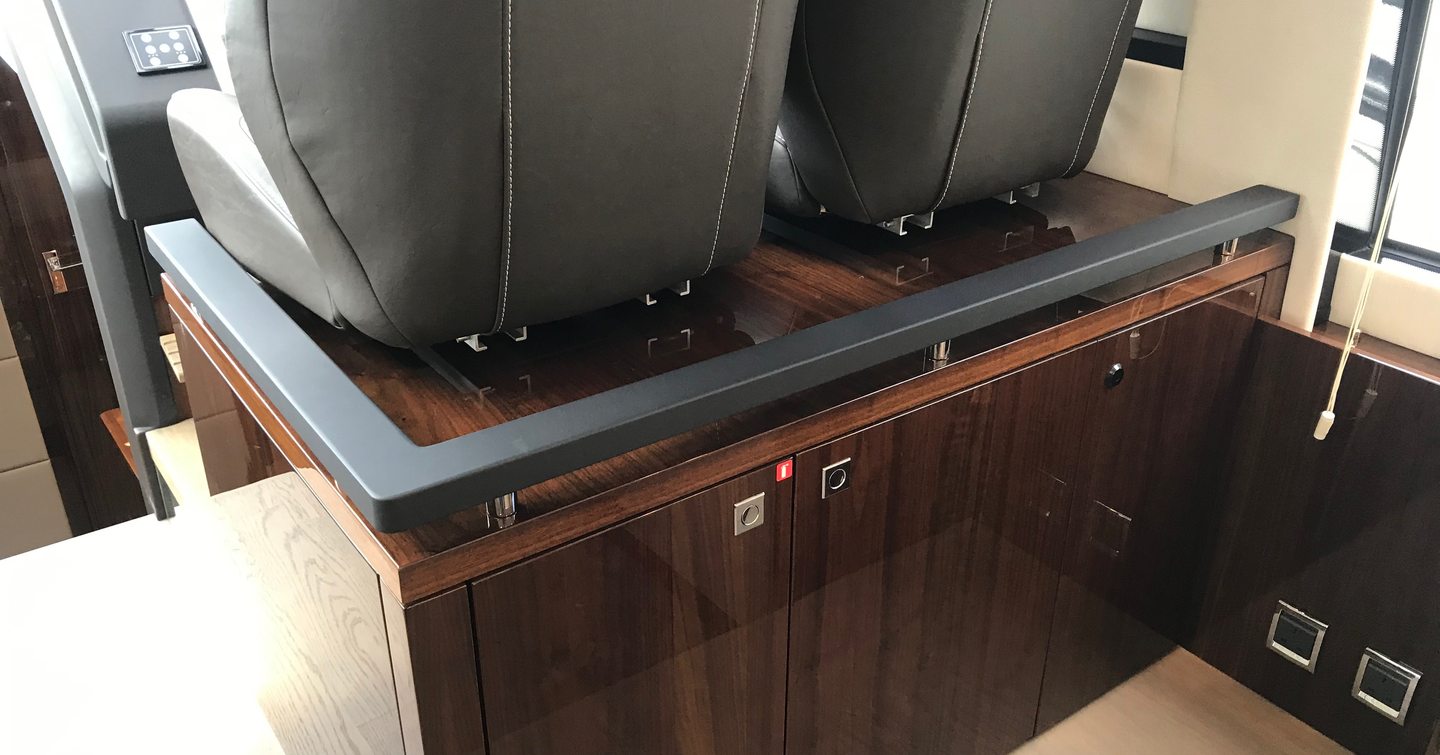
Are there any rails or cabinets to grab or steady yourself against? Be wary of sharp edges that could be a hazard. The fashion for low-level furniture is good on the eye but creates very little in the way of useful handholds, so make sure the yacht builder has considered how the crew will move around.
The helm position is another key area. Are the helm seats or wheel adjustable? What software packages does it have? Can you see over the screens out over the foredeck when sitting?
Berth Sizes
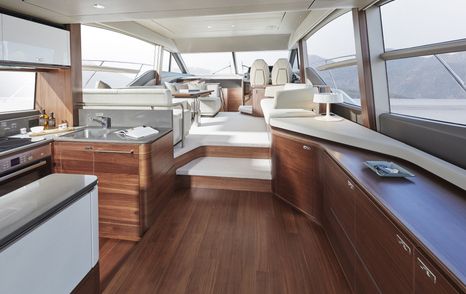
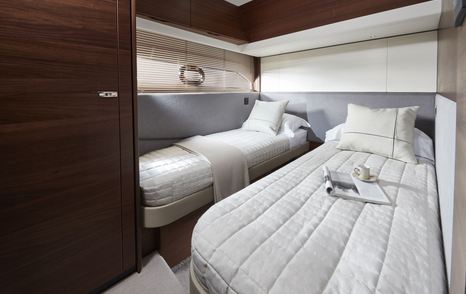
Similar to headroom, what constitutes a good berth size will vary. A double berth may not always be all that wide, and similarly, single bunk widths can be slim. Check that the berths are adequate for your needs.
The unique shapes that a cabin can take might lead to equally bespoke berth sizes, especially doubles, with hexagonal shapes that taper in at the foot.
- Typical double berth: 135cm / 150cm x 190cm
- Typical single berth: 75cm x 190cm
Toilet And Shower Compartments
Is there space to wash or take a shower? Don’t guess, get in the compartment and see what elbow room is available. If you are planning to stay onboard for days at a time, a useable toilet compartment is a must.
Stowage
The amount of stowage available is important, but so is how the stowage can be used. On a yacht, you need specialist areas for items, such as glassware, food, waterproof clothing, and charts. Check for compartmentalized drawers and lockers that can snugly fit equipment.
As with domestic cabinetry, soft-close, and secure fastenings are to be expected, but for yachts, the need for edges and places to put something down without it immediately rolling away is a must. Similarly, look for cupholders in key areas such as the helm and flybridge
Natural Light & Ventilation
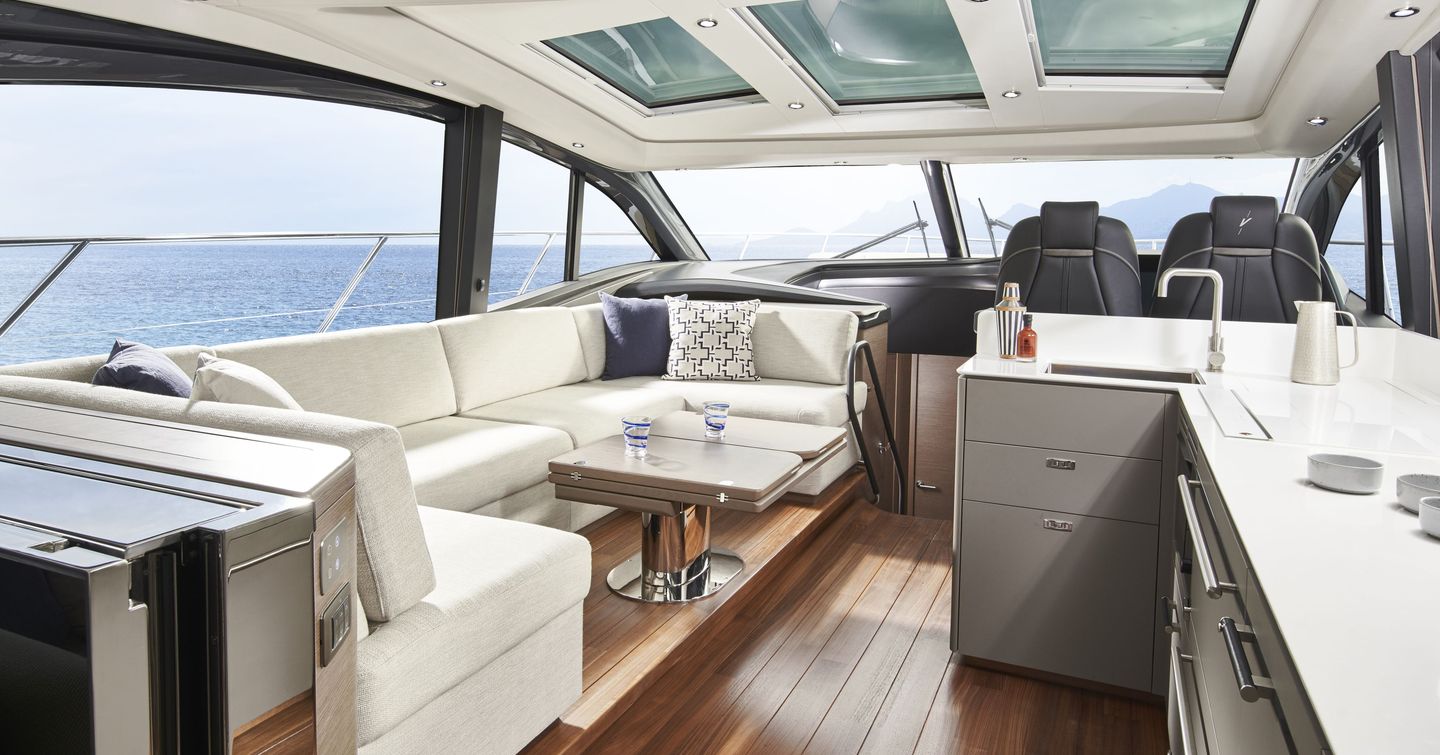
Few changes in yacht design have made as much difference as the move towards bigger windows and more glass. The pay-off is obvious in light, views and the sense of space, but it’s worth spending time aboard with the blinds open rather than judging the effect from a brochure. Large glazed areas can pour solar heat into the interior, so look beyond the blinds and ask about insulated glass, tint, solar-control coatings and light transmission. Curved panes can make that job harder, as some strengthening methods limit the coatings that can be used.
At the helm, don’t just check that you can see forward and aft; look through the glass properly. Move your head around, look across curved or heavily raked sections and watch for distortion or distracting reflections. Thermally toughened glass can suffer from roller-wave distortion and anisotropy, while optical quality is particularly important at the wheelhouse where it can affect safe navigation. On owner-operated yachts up to around 20m (66ft), also make sure you can see aft through the side windows when you’re manoeuvring.
Engine Room
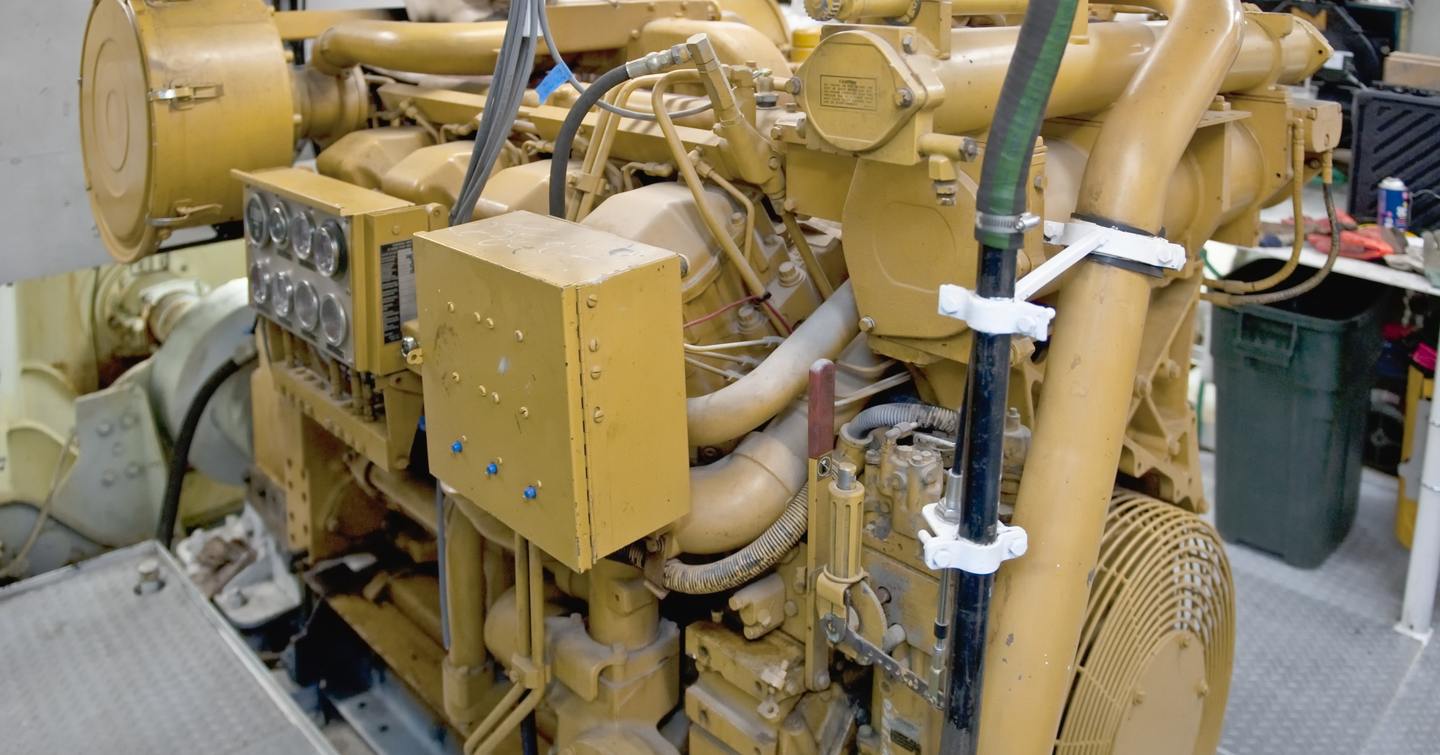
The engine room on a yacht is an interesting place to look around. The machinery makes up a considerable amount of the purchase price, so it's good to see how they are installed and how everything works.
In this part of the vessel, you can really see the yacht's build quality. There are no pretty panels or cabinets to cover up the inner sections of the hull and topsides, so you can inspect the construction in detail.
Access
Fast, easy access to the engine compartment and key service points is hugely important. There should be a well-insulated hatchway or door to the engine room, with easily negotiated steps if required.
The bilge area around the engines and service points should be covered in some way, usually by removable plates, making it easy to move around.
Service Items
Make sure the following service items and mechanisms are immediately and easily accessible. If unsure, ask the person showing you the yacht to point these items out.
- Fuel filters
- Raw water strainers/filters
- Raw water seacocks
- Batteries
- Steering gear
Finish
Look around the engine bay; is it tidy and well-finished? Check for the following signs of good engineering and general care:
- Good soundproofing and insulation
- Tidy engineering with neatly installed engines, exhausts, generators, fuel systems, and other ancillary equipment
- Neat wiring and trunking with no loose wires or cables running through raw bulkhead cutouts
- No raw or badly finished surfaces
- Good ventilation system
- Sufficient lighting
Specification
Don’t assume the yacht you’re standing on represents the standard specification. Show boats and demonstrators are often heavily optioned, so ask for a build sheet that separates standard equipment from extras and confirms exactly what is included in the quoted price.
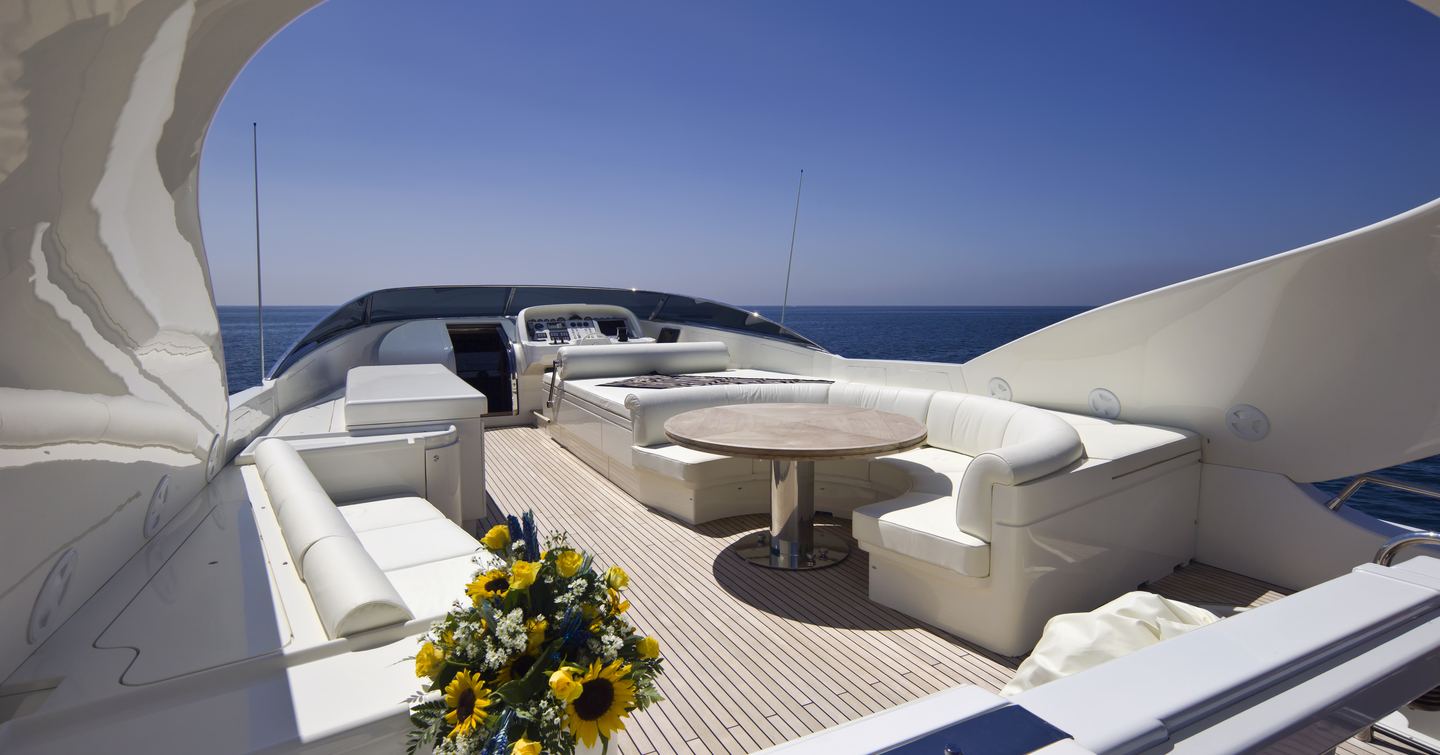
Engines, generators, navigation equipment, air-conditioning, stabilisers, passerelles, hydraulic platforms, tenders and even some interior finishes can all move the final figure significantly. Compare like with like rather than judging one yacht by its base price and another by the boat you’ve just toured.
Build Quality
The inherent build quality of a yacht is not something you can easily confirm on a single viewing, but there are a few areas of finish that might give clues to the overall quality of the yacht. Alternatively, ask the broker or dealer to point out areas that reflect the yacht's build quality. This should include areas of build and engineering as well as more aesthetic features.
Dig Beneath The Surface
Look in the bilge and up and under moldings; are they painted out and smooth? Some yachts use a GRP liner to finish the bilge, a second skin that usually incorporates gripped treads. This helps to clean up the accessible areas very well, although it does prevent access to the actual hull should remedial work be required.
Look closely at bonded windows too: the joins should be neat and consistent, with no obvious gaps, lifting edges or signs of water ingress.
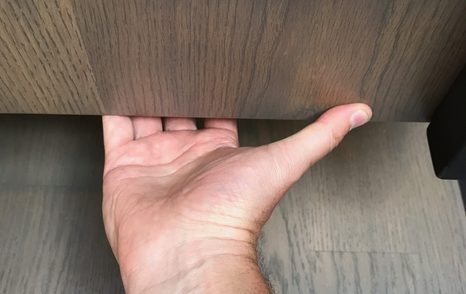
Feel under seat moldings and furniture also; are there rough finishes? A well-built boat is not only finished properly where you can see it, but also where you can't.
Teak Decking
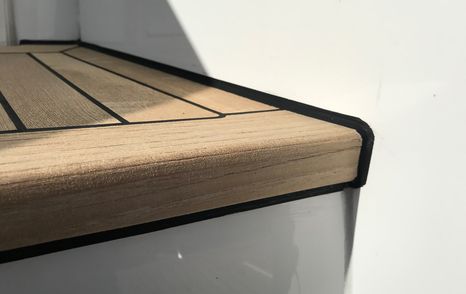
Teak decks vary considerably in construction and thickness, so ask how much actual teak has been laid and how it is bonded to the deck. A thin layer leaves much less material for wear and future sanding, particularly on steps and other high-traffic areas.
Stainless Steel
For exposed deck hardware, 316-grade stainless steel is common, but grade alone doesn’t guarantee quality. Look closely at welds, bases and joints for poor finishing or places where salt water can sit, and check that rails, cleats and fittings feel properly substantial for the loads they will carry. How much stainless steel is fitted and is it of a sturdy gauge (diameter)?
Lockers And Doors
A lined stowage locker that opens with a gas-strut lid is a sign of a good finish and build quality. Every loose-fitting lid or door will add to the noise levels onboard so snugly fitting items will create a more refined experience.
All doors should fit and close securely, ideally with anti-rattle seals. Vibrating doors can add to the noise levels onboard when underway. Additionally, check that the door handles and hinges are of good quality.
General Engineering
In the great scheme of things, the cost of engineering items found in the bilge or engine bay is minimal when compared to the overall cost of the yacht, so look for well-made items that seem over-engineered, rather than under-engineered. The easiest way to judge that is against the competition. For popular models, YachtBuyer handpicks the closest rivals and brings them together in a Head-to-Head comparison, so you can compare specifications, layouts, performance and key equipment side by side.
Summary
In conclusion, a comprehensive yacht viewing checklist is an invaluable tool for anyone considering purchasing a yacht. By following the steps outlined in this checklist, you can ensure that your yacht viewing experience is not only enjoyable but also highly informative.
From assessing the vessel's condition to evaluating its amenities and verifying its compliance with safety regulations, a thorough inspection is key to making a well-informed decision. Keep in mind that a yacht is a significant investment, and a meticulous viewing process will help you find the perfect vessel that aligns with your desires and expectations.
Happy hunting, YachtBuyer!
