
If you already own a superyacht, or you are planning one, the real question is simpler: can your mothership do what you want without serious compromise? This guide helps you decide.
- Why are support vessels on the rise?
- What is a support vessel actually for?
- When do you probably not need one?
- What are the signs you do need one?
- How do you decide by programme type?
- Support vessel, explorer, or just a bigger yacht?
- Do you need a 60 m support yacht, or will a pocket shadow do?
- What costs do people forget?
- So, do you need one?
- FAQ
Why are support vessels on the rise?
Owners are more adventurous than they were a decade ago. Classic Med and Caribbean seasons still dominate, but many programmes now include longer passages, quieter anchorages, and serious kit: large tenders, dive centres, submersibles, helicopters, cars, and specialist crew.
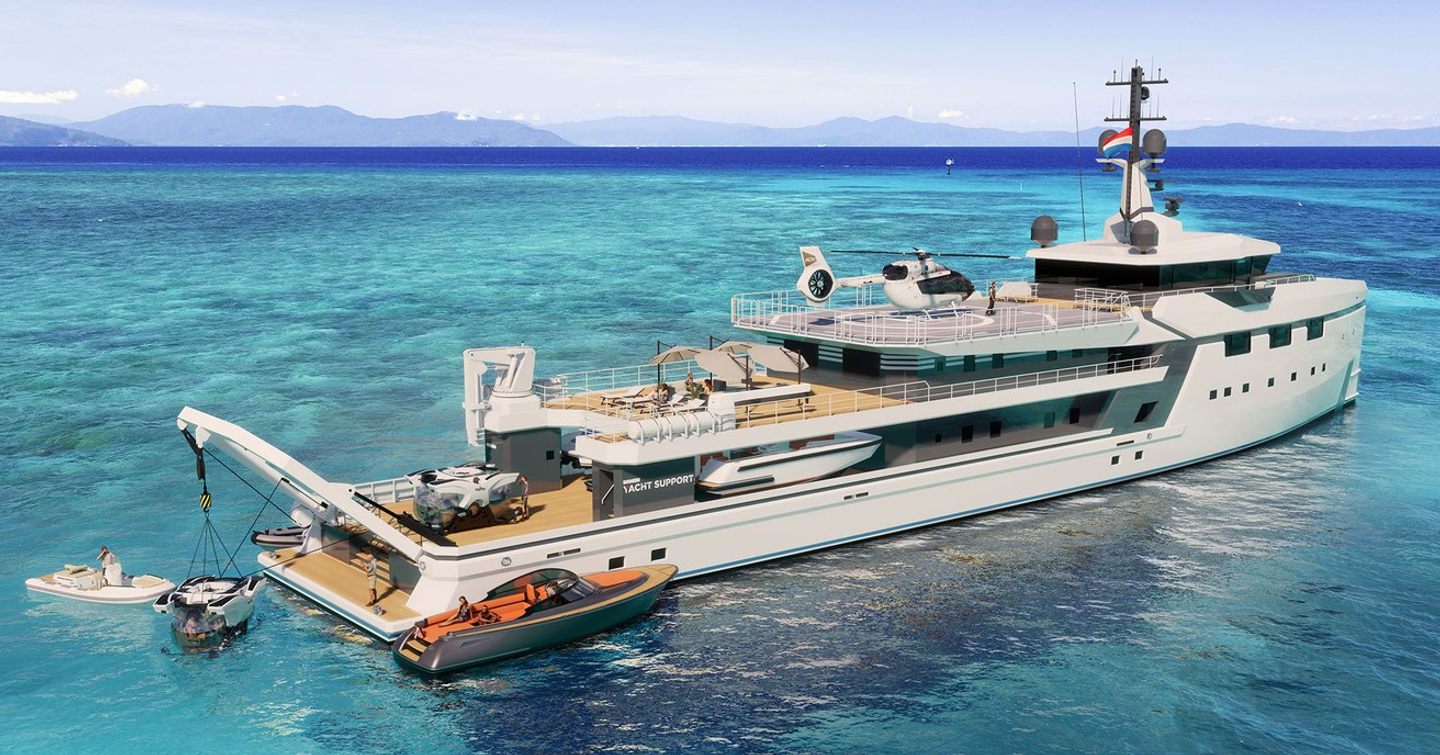
A single luxury yacht cannot always absorb all of that. Guest space, storage, noise, and crew workload start to clash. A support vessel (also called a shadow vessel) takes the heavy, bulky, or operational load so the mothership can stay focused on living and service.
Demand is not only at the very top end. Plenty of 35–60 m motherships are now planned with a support boat from day one, and smaller “pocket” shadows and chase boats are filling the gap for active owners who do not need a 60 m logistics ship.
The rise is real. A second hull is still a big decision.
What is a support vessel actually for?
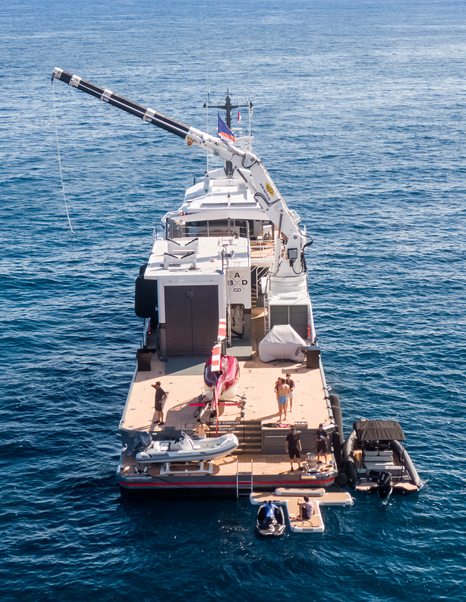
Think of it as a floating base that travels with, or ahead of, your main yacht. Typical jobs include:
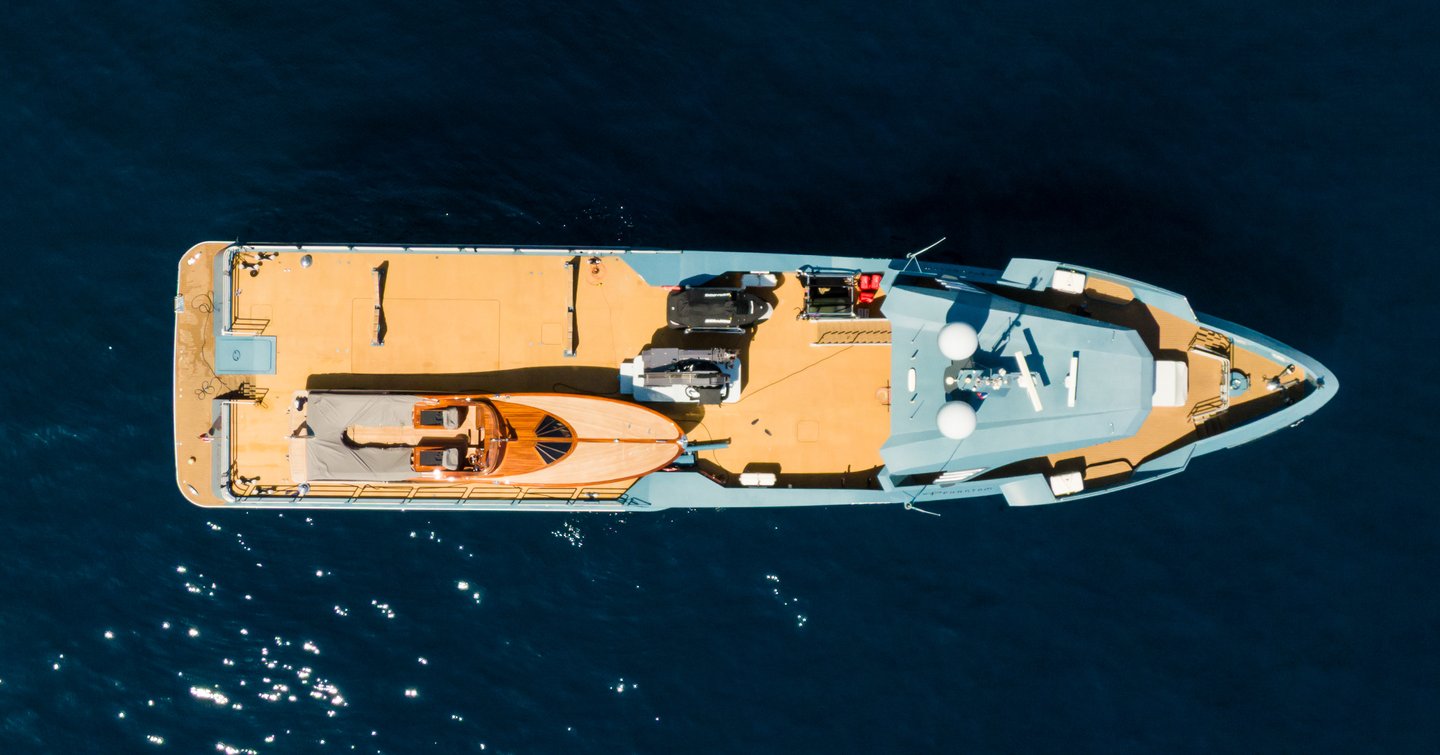
- Carrying tenders, toys, cars, and spare gear.
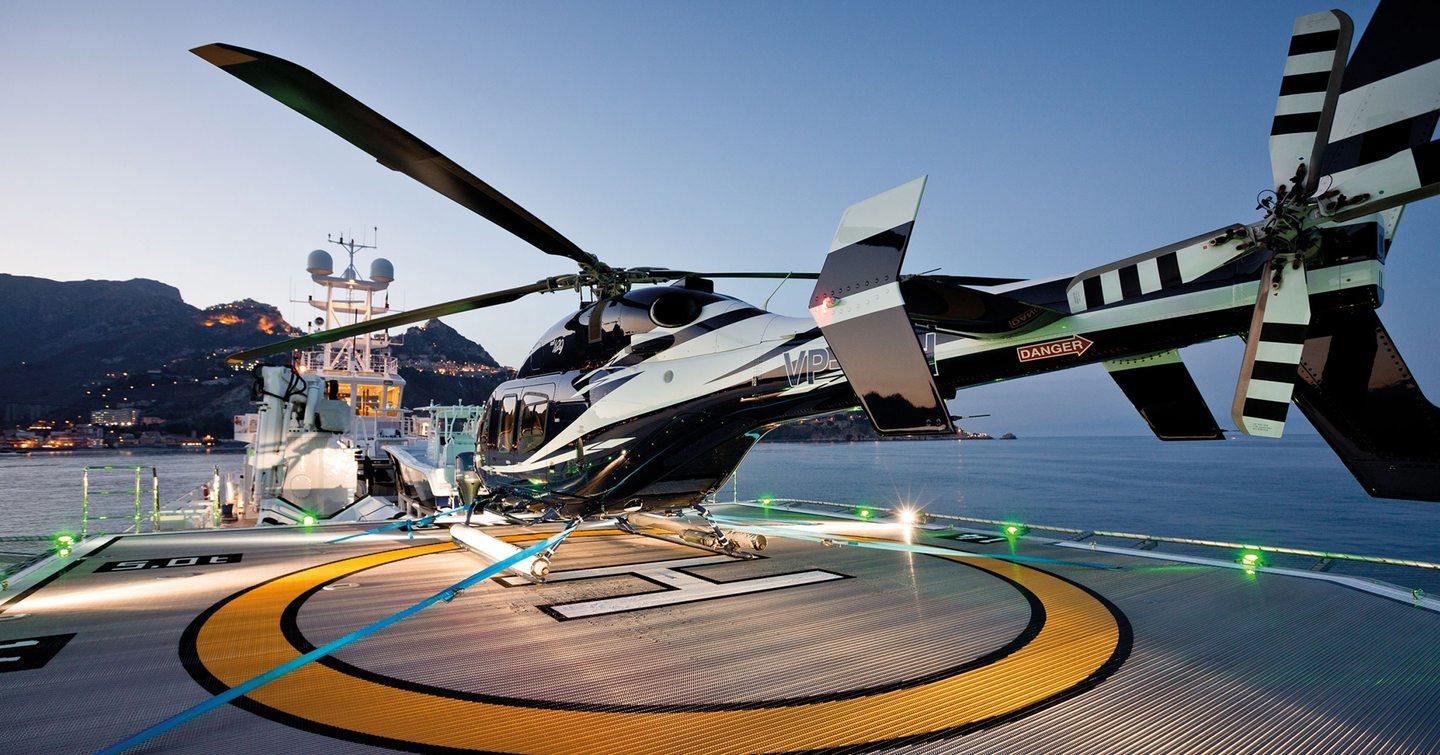
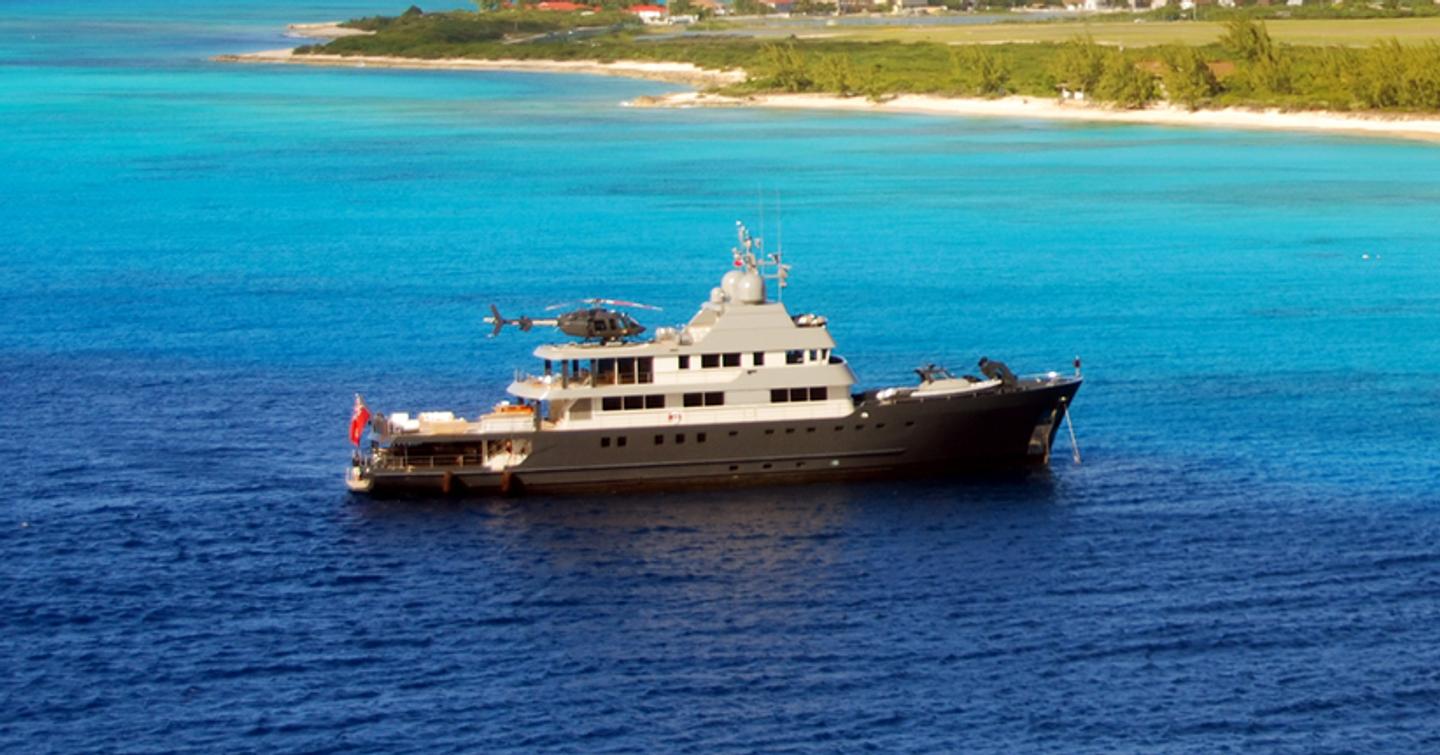
- Helicopter ops (deck, sometimes hangar and fuel).
- Dive and submarine support.
- Extra fuel, stores, workshops, and laundry.
- Housing specialist crew so mothership crew stay on guests.
- Arriving early to set up before you anchor.
It is not automatically “more yacht.” It is more capability, with its own cost and complexity.
Related guide:
When do you probably not need one?
Be honest about how you actually use the boat. A support vessel is unlikely to earn its keep if:
- You cruise mainly in the Med or Caribbean, marina to marina.
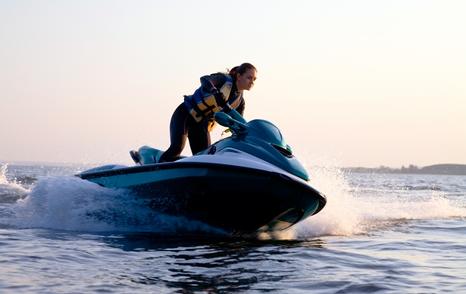
- Your toy list is normal: one or two tenders, PWCs, light watersports.
- You do not run a helicopter as a real operational tool.
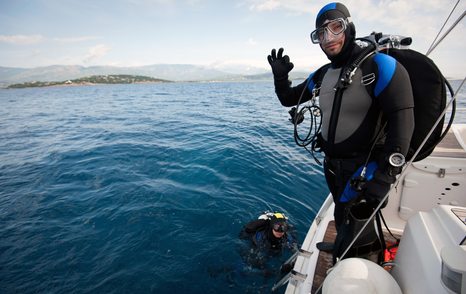
- You have no submarine or full dive centre with decompression facilities.
- You are comfortable with mothership crew handling both service and toy ops.
- You are not planning multi-week off-grid or high-latitude seasons.
Most owners still run excellent programmes on one well-designed yacht. A support vessel solves specific problems. It is not a default upgrade.
Bottom line: if your ambition fits inside one hull without crowding guests or burning out crew, stay with one hull and spend the money on better layout, garage design, or an explorer-style primary yacht instead.
Related guide:
What are the signs you do need one?
1. Are your toys eating the guest yacht?
When garages overflow and decks become storage, the mothership stops feeling like a luxury home. Owners often want a support boat for one main reason: to reclaim space on the mother yacht.
If every cruise starts with a logistics puzzle, a second hull is often cleaner than forcing more volume into the guest yacht.
2. Do you want serious aviation, dive, or sub capability?
A touch-and-go pad is one thing. A hangar, aviation fuel, flight crew, submarine launch gear, or a hyperbaric dive centre is another. That kit is heavy, technical, and operational. It rarely sits happily next to a beach club.
3. Do you cruise far from support?
Remote itineraries need extra fuel, cold stores, spares, workshops, landing craft, and sometimes overflow crew or technicians. Packing all of that into the luxury yacht either bloats it or dilutes the guest product.
If your dream season is weeks off-grid, polar edges, or long Pacific legs, a support vessel (or a true expedition mothership) stops being a nice-to-have.
4. Is service quality slipping under the workload?
On a single yacht, the same crew often have to launch toys, run dive operations, move tenders and deliver five-star service. As activity increases, guest areas become busier, service can slow, and crew workload rises.
A support vessel separates these roles. Specialist crew handle the equipment and logistics, while the mothership crew remain focused on guests.
5. Are you about to build a much bigger mothership just to fit the gear?
This is the trap. Matching a full support-vessel load on one yacht can push you toward a far larger primary boat, with steeper build cost, more crew, tighter berthing options, and heavier regulation.
The Project Phi team put it clearly: if the mothership had to carry everything planned for the support vessel, she would have been around 90 m. Costs to build and run jump sharply at that scale. A roughly 50–60 m luxury yacht plus a dedicated support boat can be more efficient in operations and cost, while improving the experience.
Superyacht Phi’s own shadow, Phi Phantom (36 m, Alia Yachts), was specified to carry large tenders, a small sailboat, jet skis, a car, spare parts, big storage and refrigeration, extra laundry, and tens of thousands of litres of fuel for the mothership, with speed to arrive early and set up.
If you are upsizing the guest yacht mainly to swallow logistics, pause and price a two-boat programme.
Related guide:
How do you decide by programme type?
| How you use the yacht | Likely answer | Why |
| Classic Med / Caribbean, light toys | Solo mothership | One good garage and tender setup is enough |
| Active watersports, big tender list | Maybe a pocket shadow or chase boat | 20–35 m multi-role boats can carry the load without a full logistics ship |
| Helicopter as a regular tool | Support strongly favoured | Deck, hangar, fuel, and flight crew off the guest yacht |
| Submarine or full dive centre | Support strongly favoured | Safety systems and tech crew do not belong in guest spaces |
| Global, polar, or long off-grid seasons | Support or true explorer primary | Autonomy and stores drive the choice |
| Large sailing mothership | Support often essential | Sailers have less garage and deck volume |
| Science, conservation, or dual-use goals |
Purpose-built support |
Labs, ROVs, and relief gear need a working platform |
| Charter product built on toys and expedition access | Case by case | A shadow can sell the trip, but only if ops and pricing work |
Support vessel, explorer, or just a bigger yacht?
When capability outgrows your current yacht, you usually have three options:
1. Make the mothership bigger
One crew, one berth, one asset. Simple on paper. In practice, cost, gross tonnage, marina access, and the mix of luxury vs logistics get harder fast.
2. Make the primary yacht an explorer
Best when adventure is the product and you do not need a separate pure-luxury hull. One capable expedition yacht can be the right answer for the right owner.
3. Keep a right-sized luxury mothership and add a support vessel
Best when you refuse to choose between living standards and capability. Two purpose-built roles often beat one compromised megayacht. Some concept pairings even argue that two optimised vessels can deliver the lifestyle of a far larger single yacht.
There is no universal winner. There is only the best fit for your programme.
Related guides:
Do you need a 60 m support yacht, or will a pocket shadow do?
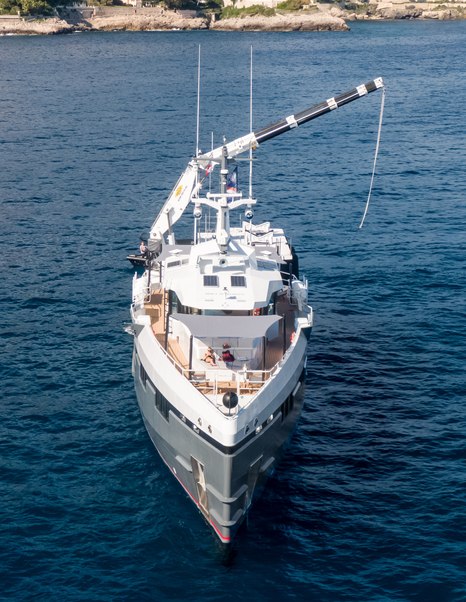
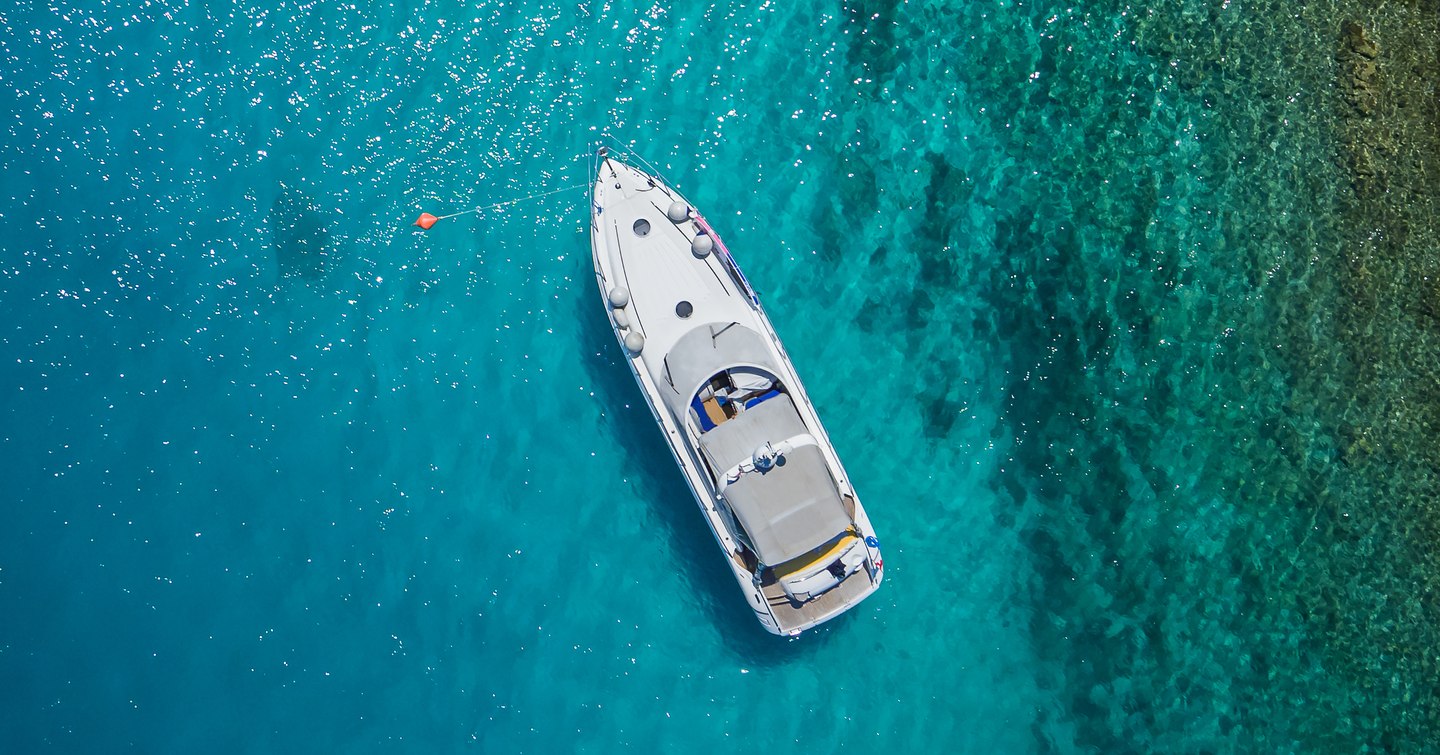
“Support vessel” does not only mean a 50–75 m Damen-style shadow. A growing segment of smaller chase and multi-role boats (roughly 20–35 m) is aimed at owners who want:
- Speed to the anchorage or airport.
- A big open deck for toys.
- Shallow-water access.
- Light guest or overflow cabins.
- Less complexity than a full second superyacht.
Designs such as Extra's X70 Shadow are built as capable chase boats that free up space on the primary yacht, with layouts that can be configured for support duties or additional guest accommodation.
If your mothership is in the 30–50 m range and your priorities are carrying toys, improving logistics and supporting day-to-day operations, rather than running helicopters, submersibles or scientific equipment, it is worth considering this type of vessel before assuming you need a much larger support yacht.
What costs do people forget?
A support vessel can be a smart value next to a much larger single yacht. It is still a second ship. Factor in:
- Crew numbers, training, and two-vessel command culture.
- Berthing for two hulls.
- Insurance, maintenance, and yard periods.
- Fuel for a boat that may run ahead or stay on station.
- Matching speed and seakeeping so the shadow is not always late.
- Whether the support boat should also work alone (family trips, charter, pure expedition weeks).
Some support vessels are now designed to feel like part of the ownership experience rather than purely functional workboats, with improved accommodation and guest-friendly spaces. This can make them more versatile and attractive on the resale market, but they still come with the costs and complexities of operating a second vessel.
So, do you need one?
Yes, if your plans depend on kit, range, aviation, dive/sub ops, or service levels that force ugly trade-offs on a single luxury yacht, or that push you into a much larger primary boat you do not otherwise want.
No, if your cruising is well supported, your toy list is modest, and one well-specced yacht already delivers the trips you take.
The boom in support vessels reflects a boom in ambition, not a new rule that every owner needs two boats. The smartest programmes match the platform to the plan.
Deciding whether you need a support vessel is easier when you can see what is actually on the market. YachtBuyer MarketWatch tracks genuine new and used listings in real time from the world’s largest yacht database, so you can compare support vessels, explorers, and motherships without wading through duplicates or fake ads. For deeper context on order books, fleet activity, and segment trends, YachtBuyer's Intelligence adds verified market data behind the decision.
FAQ
Do I need a support vessel if I already have a large superyacht?
Not automatically. Size alone is not the test. You need one when toys, aviation, dive/sub gear, remote logistics, or crew workload force real compromises on the mothership.
Can a support vessel replace a bigger mothership?
Sometimes. A right-sized luxury yacht plus a support boat can deliver more capability and better service separation than one much larger yacht, often with a clearer cost and ops picture.
What is the difference between a support vessel and an explorer yacht?
A support vessel is built to back up a mothership. An explorer is usually the primary yacht, designed for long-range adventure in its own right. Some owners choose one explorer instead of two hulls.
Are smaller “pocket” shadows enough?
For many 30–50 m programmes, yes. If you mainly need toy space, speed to the anchorage, and light logistics, a 20–35 m chase or multi-role shadow can be enough without a full 50–75 m support ship.
Is a support vessel only for megayacht owners?
No. The biggest shadows sit with the largest motherships, but smaller support and chase boats are increasingly used with mid-size yachts that have outgrown a single garage.
Looking to buy a support vessel? View all new and used support yachts for sale, tracked in real time by YachtBuyer MarketWatch. We scan the entire market to ensure access to all genuine listings, helping you save time. Alternatively, explore shadow vessels for sale.
