If you’re thinking about buying a yacht, you'll probably see engine power quoted as horsepower (hp), brake horsepower (bhp), shaft horsepower (shp) or kilowatts (kW). It can look confusing, but here's the quick answer: on most yacht specification sheets, hp and bhp refer to essentially the same engine output.
Strictly speaking, bhp is an engineering measurement taken at the engine before any power is lost through the gearbox or drivetrain, while hp is a broader term that can refer to different measurement standards. In practice, if one yacht is listed with 2,000hp and another with 2,000bhp, they're usually describing the same engine output.
The bigger differences come when manufacturers quote shaft horsepower (shp), which measures the power that actually reaches the propeller after drivetrain losses, or use metric horsepower (PS) and kilowatts (kW), which are simply different ways of expressing engine power.
Engine power is only one part of a yacht's performance. A 1,000GT superyacht, for example, needs far more power than a lighter 15-metre sports yacht to achieve the same speed so power figures only make sense alongside the yacht's size, weight and hull design. This guide explains what each measurement means, when the differences matter, and how to compare yacht engine specifications with confidence.
- What is Horsepower (hp)?
- What Is Shaft Horsepower in the Yacht World?
- What is a Brake Horsepower (bhp)?
- What is the Relationship between Brake Horsepower and Metric Horsepower?
- How Does Metric Horsepower (PS) Matter for Yacht Experience?
- The Kilowatt (kW) and the Battle of Horsepowers
- How to Measure Horsepower
- How to Calculate Horsepower? For Yachts, That’s Not Easy
- Why Estimating Yacht Horsepower Matters
What is Horsepower (hp)?
Horsepower (hp) is a unit of measurement that describes the power output of an engine or motor. It was originally created by engineer James Watt in the late 18th century to compare the output of steam engines to the power of draft horses. Wanting to see how many horses just one engine could replace, Watt found out that a single horse could lift 330lbs (150kg) of water approximately 30.5m (100ft) a minute. So, Watt deemed one horsepower to be equal to 33,000 foot-pounds per minute.
Put simply, horsepower is the power needed to lift 550 pounds by one foot in one second. One horsepower equals about 746 watts in the electrical system, or about 33,000 foot-pounds of work per minute in mechanical terms.
While many countries have officially switched to watts or kilowatts for power measurements, horsepower remains a common way to measure and compare the power of boat engines. However, it’s important to understand that horsepower can be used in different contexts - each slightly differs in numbers.
- Mechanical/Imperial horsepower: 745.7 watts
- Metric horsepower: 735.5 watts
- Electrical horsepower: 746 watts
- Boiler horsepower: approximately 9,810 watts

This is imperial horsepower. For metric horsepower, the figure is rounded down slightly, to a nice, even 4,500kg per minute: that’s about 32,550 foot-pounds per minute.
Horsepower is used for marine engines primarily due to historical precedent and industry standardization. Back in the XIX century, engineers used horsepower to compare early boat engines to the number of horses needed to pull boats upstream through canals.
The marine industry continues to favor horsepower because it enables easy comparison between different engine manufacturers, and it’s also widely understood by consumers and industry professionals. For yachts, two of the most important power ratings are:
- Shaft horsepower: power delivered to the propeller.
- Brake horsepower: total engine power before transmission losses.
Let’s examine what these terms mean and why they are important.
Shaft Horsepower (SHP) vs Brake Horsepower (BHP)
Like a game of telephone, power gets lost as it travels from the engine through various mechanical components. SHP measures what's left at the end of this journey. In simple words, shaft horsepower (SHP) tells the real story of power that actually reaches your yacht's propellers after all the losses through the transmission system. Think of it as the "truth teller" of marine power.
Shaft horsepower (SHP) is specific to boats and may be the most important horsepower rating for yachts. It is measured at the propeller shaft coupling flange and accounts for additional losses to power that can occur due to engine accessories and the reduction gear.
These losses usually cost about 3% of a yacht’s BHP statistic. So, a 1,500bhp engine would likely make 1,455shp.
For yacht builders, shaft horsepower is crucial because it shows the actual power available for pushing through water. While brake horsepower might boast bigger numbers (we’ll discuss it next), SHP reveals the genuine performance you'll get on the water.
A practical example: A yacht engine manufacturer may rate their engine 1000 BHP but it only delivers 900 SHP to the propellers. This 10% loss through the transmission system is vital information for engineers planning hull design and selecting propellers.
SHP helps prevent the "paper tiger" syndrome - where a yacht looks powerful on paper but underperforms in real conditions.
What is a Brake Horsepower (bhp)?
Brake horsepower (BHP) is the power output measured directly at a yacht's engine before any power losses through the transmission system or propeller shaft. It influences docking maneuverability and handling in rough conditions.
Ultimately, brake horsepower helps determine if the engine can adequately power the yacht's weight and size. BHP metric affects fuel consumption and efficiency as it’s used to calculate maximum potential speed. Also, insurance companies use brake horsepower for coverage calculations.
BHP gives a realistic figure on usable power, as any kinetic application such as a car, yacht, or plane, will suffer from a degree of drag from the road, sea, or air, reducing the actual power. Think of BHP as the engine's raw power, while actual usable power will be somewhat less due to mechanical losses in the drivetrain.
What is the Relationship between Brake Horsepower and Metric Horsepower?
Brake horsepower (BHP) and metric horsepower (PS) are closely related but slightly different measurements. Metric horsepower is about 1.4% less than brake horsepower. The difference comes from their definitions:
- BHP is based on the Imperial unit system (foot-pounds)
- PS is based on the metric system (kilogram-meters)
This means that 1 BHP equals to 1.014 PS
At the first glance, brake horsepower is similar to metric horsepower, but instead takes into account power that can be lost because of friction. As a result, a metric horsepower figure is often larger and a more rounded number than bhp, making it a convenient tool for marketers.
But where did the letters PS come from? Shipyards that quote metric horsepower sometimes use the “PS” abbreviation to make it distinct from “BHP” (brake horsepower). The “PS” abbreviation stands for “Pferdestarke”, a German word literally meaning the strength of a horse.
How Does Metric Horsepower (PS) Matter for Yacht Experience?
Think of metric horsepower (ps) as the European way of measuring engine power - it's like ordering your wine in milliliters instead of fluid ounces. When you're looking at luxury yachts, especially those built in European yards like Benetti, Feadship, or Lurssen, you'll often see power listed in PS.
European yacht shopping becomes easier because you can directly compare engines. When a Riva shows 2000 PS, that's about 1972 BHP - a difference that could affect your cruising speed and fuel consumption.
Documentation and certification for Mediterranean cruising often requires PS numbers. Having this understanding helps when dealing with European marinas, mechanics, or surveyors.
This also means that a 5000 PS engine delivers slightly less power than a 5000 BHP engine - about 70 horsepower difference. While this might not affect your cocktail hour on the sundeck, it could influence your yacht's performance during long Mediterranean crossings or when pushing against strong currents.
Most experienced owners and captains focus more on shaft horsepower for actual performance, but understanding PS helps you navigate the European yacht market and maintenance scene with confidence.
The Kilowatt (kW) and the Battle of Horsepowers
Manufacturers who produce large superyachts may well quote kilowatt (kW) statistics rather than metric or brake horsepower.
Kilowatts are another unit of measurement with an ode to our old friend James Watt. The term literally equates to 1,000 Watts (W), a unit of power that was named in honor of the inventor after his passing.
Luckily, it’s easy to convert metric horsepower into kilowatts. 1kW is equal to roughly 1.36 metric horsepower. So, for example, the 72m (235ft) superyacht KOGO makes 1,500kW, which equals approximately 2,040 metric horsepower.
As you’ve just seen, the problem with kW compared to metric horsepower is that the number ends up looking considerably smaller and so less impressive, which is why many manufacturers opt for horsepower metrics in specification sheets.
How to Measure Horsepower
When buying a yacht, the specification sheet is a crucial document that provides valuable information about the vessel's capabilities and features. The performance section is particularly important, as it gives you an idea of the yacht's speed, range, and overall performance.
While the specification sheet may provide some information on the engine size and horsepower, it's not always possible to measure yacht horsepower directly. But why would you want to do it in the first place?
Why? Horsepower ratings can be misleading. Yacht manufacturers often provide horsepower ratings based on the engine's maximum power output, which may not necessarily reflect the yacht's actual performance in various sea conditions. Factors like hull type, propeller efficiency, and loading can significantly impact the yacht's speed and acceleration.
Also, horsepower ratings can be influenced by the manufacturer's testing procedures, which may not replicate real-world conditions.
How to Calculate Horsepower? For Yachts, That’s Not Easy
While you can't measure yacht horsepower directly, you can make an educated estimate based on various factors. Here are a few methods how to calculate horsepower (or at least make an informed estimate).
Calculate horsepower from engine specifications
If you know the engine's power output in kilowatts (kW) or brake horsepower (bhp), you can estimate the yacht's horsepower. For example, a 1,000 kW engine is equivalent to approximately 1,341 bhp.
Use a horsepower calculator
Online calculators can estimate horsepower based on factors like the yacht's weight, length, beam, and speed. These calculators use algorithms to estimate the power required to achieve a given speed.
Sea trial data
If you have access to sea trial data, you can analyze the yacht's performance in various conditions to estimate its horsepower. This method provides a more accurate estimate, as it's based on real-world data.
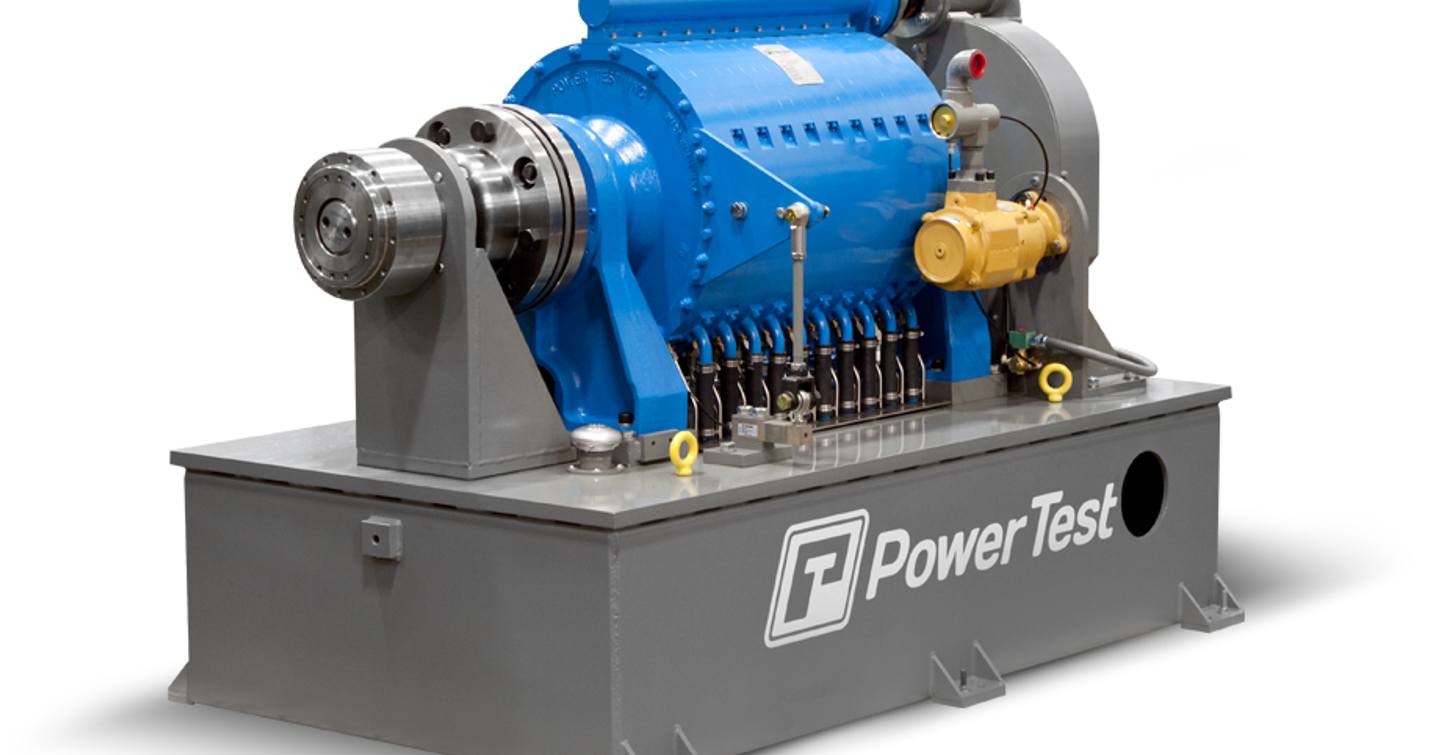
Brake horsepower can be measured by a device called a dynamometer, which gets the engine to accelerate up to full revs, and then lets it naturally slow down to a complete stop.
To turn the answer you get from that into metric horsepower, times it by 1.014. If that sounds like a pain, you can use conversion sites like convert-me.com to switch between imperial and metric measurements.
Perhaps the best way is not to calculate the horsepower of a yacht but to consult with a naval architect or marine engineer. These professionals can analyze the yacht's design, engine, and propeller to estimate its horsepower requirements.
Why Understanding Yacht Horsepower Matters
Understanding the difference between horsepower, BHP and SHP is important when comparing yacht specifications. While manufacturers often use HP and BHP interchangeably, different engine options, propulsion systems and power outputs can have a significant impact on a yacht's performance, efficiency and cruising characteristics.
YachtBuyer has the world's leading yacht engine database, allowing you to compare the engine options available for individual new yachts and explore detailed technical specifications by manufacturer, engine model and drive type. You can also discover which used yachts have been offered with a particular engine, making it easier to compare propulsion options, find out if they've been retrofitted and also understand how engine choices translate into real-world performance.
Explore the complete Yacht Engines database powered by YachtBuyer Intelligence to compare engine options, browse propulsion systems and make more informed buying decisions.