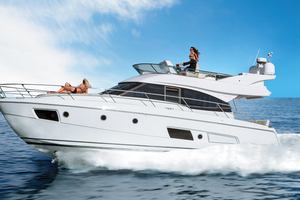
In the world of boating, the terms "boat" and "yacht" are often used interchangeably, but there’s a point where the distinction becomes more than just semantics.
At YachtBuyer, we've drawn the line at 24 meters (78.7 feet) in length. 'Vessels' under this length are classified as "boats," while those over 24 meters are designated "yachts." But why did we choose this specific cutoff?
Is There a Legal Definition of a Yacht?
There is no single legal definition of a yacht that applies worldwide. The rules depend on where a vessel is registered, which flag state it operates under and whether it is used privately or for commercial charter.
The widely recognised 24-metre threshold did not begin in the yachting industry. It comes from the International Convention on Load Lines (1966), which introduced requirements for vessels with a Load Line Length of 24 metres and above. Although the convention was written for seagoing vessels rather than pleasure craft, many flag states later adopted the same threshold when developing their own large yacht codes.
For buyers, this explains why 24 metres appears so often in yacht specifications, reviews and brokerage listings. It has become one of the industry's most important reference points, even though it is based on a technical hull measurement rather than the published length of the yacht.
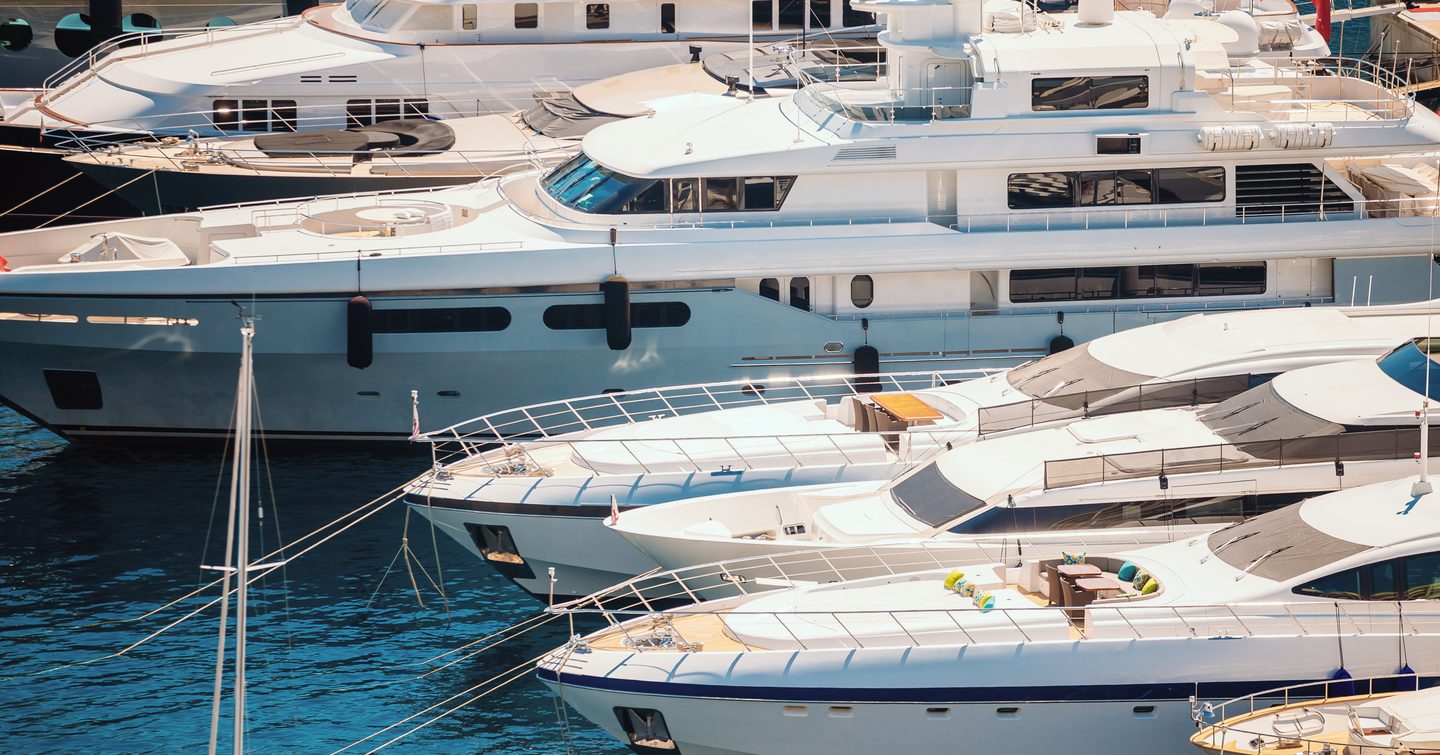
Load Line Length vs Length Overall (LOA)
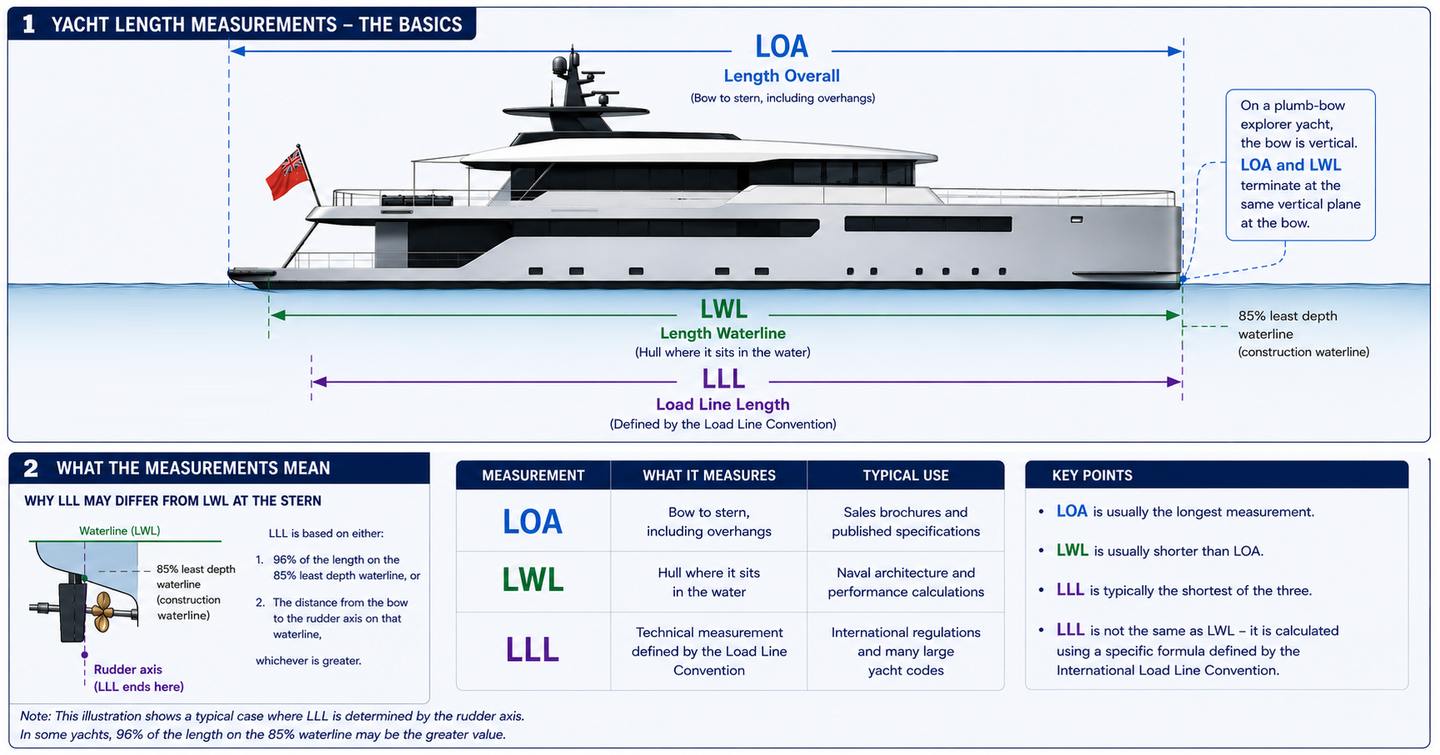
One of the biggest surprises for first-time buyers is that the length quoted in a sales brochure is not always the length used by regulations.
Builders promote a yacht by its Length Overall (LOA) because that reflects the yacht buyers see, compare and use. A yacht might therefore be advertised as 27, 28 or even 29 metres long in some cases.
Naval architects, however, also design around Load Line Length (LLL), the technical measurement defined by the International Convention on Load Lines. Unlike LOA, Load Line Length is calculated from the hull using a formula laid down in the convention. It does not simply measure the yacht from the tip of the bow to the end of the bathing platform.
That distinction has a major influence on modern yacht design. A builder can create a yacht approaching 30 metres overall while keeping its regulatory measurement below the 24-metre threshold used by many large yacht codes. The result is more deck space, more interior volume and a larger-looking yacht without automatically moving into a more demanding regulatory framework.
This is why designers pay so much attention to hull geometry, bow overhangs and stern design as they are trying to give owners the greatest possible yacht while keeping the technical measurement used by many regulations below an important threshold.
What actually changes at 24m?
| At 24 metres... | Why it matters |
|---|---|
| The vessel reaches the large yacht threshold | Different industry standards begin to apply. |
| Load line rules become relevant | The yacht receives an assigned maximum loading mark. |
| Flag state oversight increases | Private yacht codes often apply. |
| Professional crew become more common | Insurers and safe operation often require qualified crew. |
| Survey requirements increase | Larger yachts receive more formal inspection. |
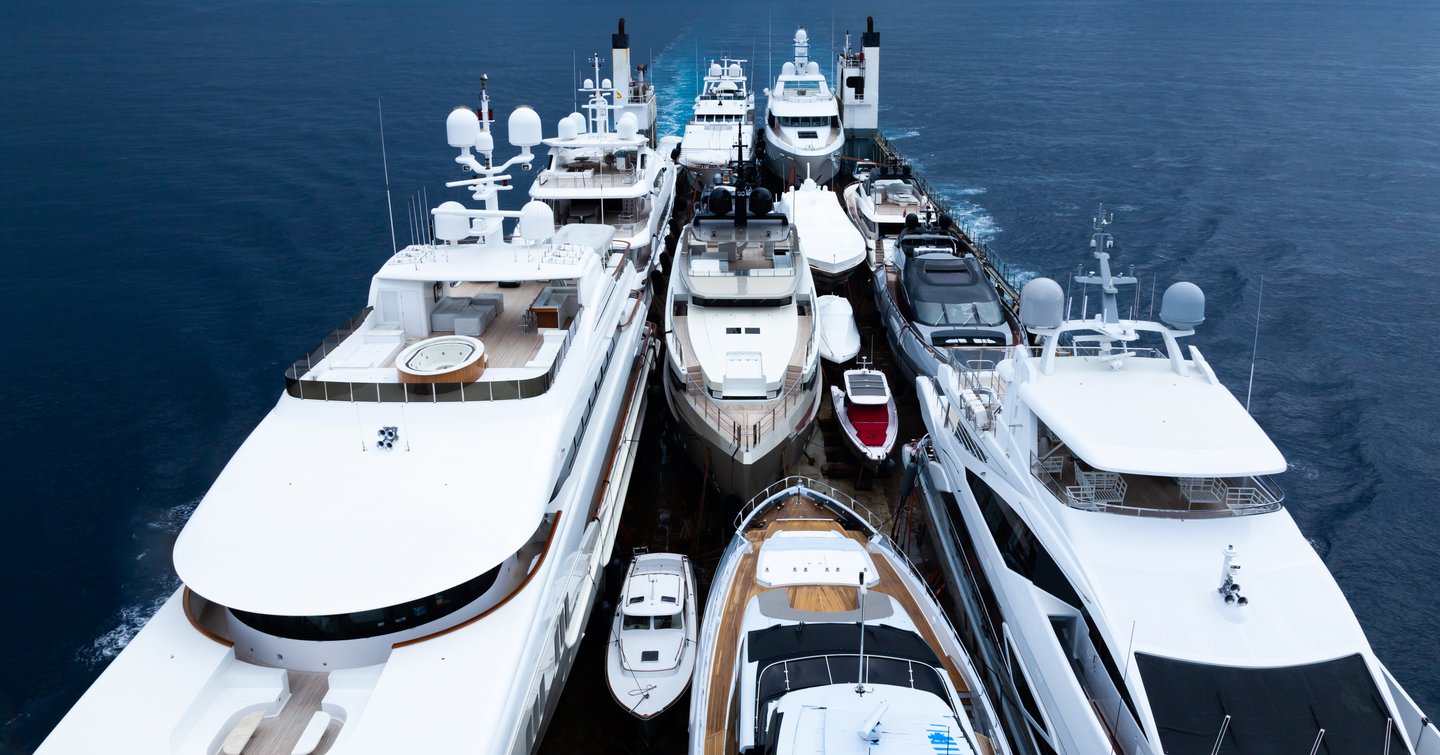
Case Study: Princess X95 Vista
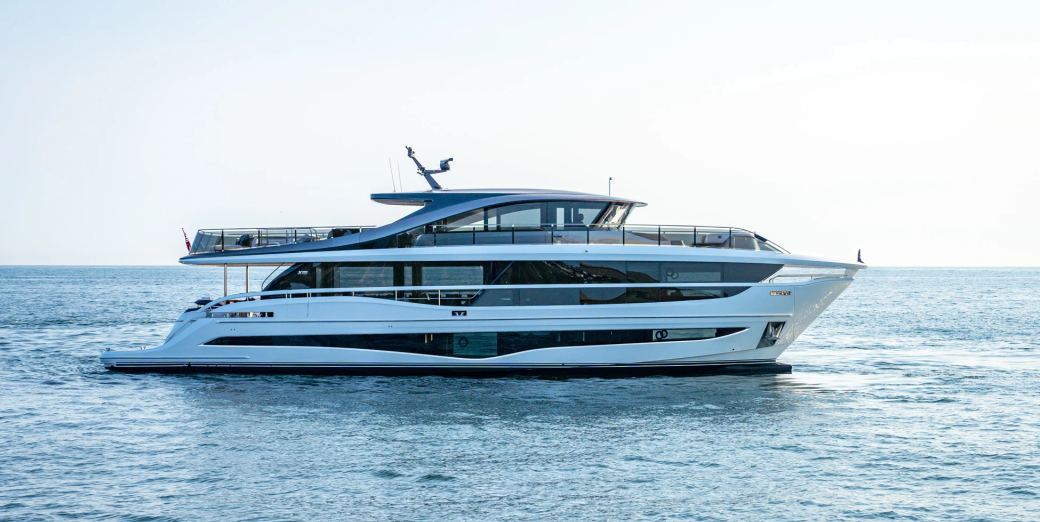
The Princess X95 Vista is one of the clearest examples of how modern yacht design has evolved around the 24-metre threshold. On paper, the yacht measures 29m (95ft 2in) Length Overall (LOA), placing it firmly among yachts approaching 30 metres. But much of the engineering work behind the project focused very much on technical hull dimensions. Every extra centimetre added to the moulded hull affects displacement, stability calculations, structural loads, scantlings, regulatory measurements and, ultimately, the codes under which the yacht may be built or operated.
So Princess and naval architect Bernard Olesinski concentrated on where volume could be created and give value to the owner without increasing the regulatory length of the hull itself. The X95 Vista's distinctive Super Flybridge extends almost the full length of the yacht, while the main deck superstructure is carried much further forward than on a conventional flybridge design allowing for an on deck owner suite or optional forward galley and diner.
The near-plumb bow increases usable internal volume forward, the bathing platform adds to the yacht's overall footprint without contributing to the accommodation within the moulded hull, and the high-volume hull form supports a superstructure that would have been difficult to achieve on a traditional 95-foot flybridge yacht. That is why understanding the difference between Length Overall and the technical measurements used by regulations is so important when comparing yachts in this size range.
Guests
10
Cabins
5
Crew
3
- Length Overall (LOA): 29.0m (95ft 2in)
- Load Line Length: 23.95m (78ft 7in)
- Designer: Pininfarina
- Naval Architecture: Bernard Olesinski
-
 BOAT TESTPrincess X95 Review (2022 Edition)
Why Builders Use the Word "Yacht"
The 24-metre threshold provides a clear way to separate boats from yachts, but it is not the only convention used across the industry. Many builders have long included the word Yacht in their model names, regardless of length. Examples include the Sunseeker 76 Yacht and Viking 75 Motor Yacht, both of which measure less than 24 metres.
At YachtBuyer, we always use a builder's official model name. If a manufacturer calls a model a yacht, that name remains unchanged throughout the site.
The Yachtmaster Qualification
The Yachtmaster qualification, introduced by the Royal Yachting Association (RYA) in the United Kingdom, has its origins in offshore navigation for recreational boaters, particularly those navigating the English Channel. Historically, the Yachtmaster was closely tied to vessels up to 24 meters in length' and was initially developed to offer structured training and certification for recreational boaters who needed the skills and experience to safely undertake offshore passages.
Ultimately, whether a vessel is a boat or a yacht can depend on more than just its length. However, by adopting the 24-meter rule, at YachtBuyer we have established a clear, consistent standard for our listings, for boats and yachts for sale, while acknowledging the nuances that come with naming conventions and personal preferences.
Summary: When a Boat Becomes a Yacht? 24-Meter Rule Explained
So for everyday boating, there is no fixed legal point at which a boat becomes a yacht. Within the modern yachting industry, however, 24 metres has become the accepted dividing line because many large yacht codes use a technical hull measurement based on the International Convention on Load Lines. That is why builders often produce yachts approaching 30 metres overall while carefully keeping the underlying regulatory measurement below the 24-metre threshold.
Ready to compare yachts? Browse hundreds of yachts for sale between 23m and 30m, compare specifications, reviews and live market prices, and see how different builders interpret the 24-metre threshold.
Key Distinctions
Size: 24 meters is the industry benchmark for defining a "Large Yacht." Vessels below this size are usually classified as boats, while those at or above are often yachts.
Design and purpose: Boats are usually commonly thought of as built for day cruising, fishing, or sport - basically robust and practical. Yachts perhaps on the other hand, conjure images of luxury, long-distance cruising, and sophisticated amenities.Often now buyer's want the best of both and that's where old dividing lines become blurred.
Regulatory impact: In many jurisdictions (including the U.S. and UK), vessels over 24 meters are subject to additional maritime safety codes, crewing requirements, and inspection standards.
Professional crewing: Yachts typically require trained crew or a licensed captain, especially for charter or international waters, whereas boats can often be owner-operated.