
Whether you're buying your first yacht or upgrading to a larger model, understanding how to read a yacht listing is an essential part of the buying process. From specifications and layouts to engine hours, build materials and brokerage descriptions, this guide explains what every buyer should look for before arranging a viewing.
- What information does a yacht listing include?
- Why are the specifications so important?
- What should you look for in the photographs?
- What does the description actually tell you?
- What are engine hours, and why do they matter?
- Should you pay attention to the asking price?
- What features are genuinely important?
- What information might be missing?
- How can you compare multiple yacht listings effectively?
- FAQ
What information does a yacht listing include?
Most yacht listings follow a similar structure, making it easier to compare different models. You'll usually find the builder and model, year of build, principal dimensions, construction materials, engine specifications, accommodation details, asking price and location, alongside photography and a technical specification table. The best listings also include a detailed description covering equipment, maintenance history and notable upgrades.

Why are the specifications so important?
The specification table provides objective information that allows buyers to compare yachts fairly.
Length is usually the first figure buyers notice, but beam and draft are equally important. A wider yacht often offers more interior space, while draft determines where the yacht can safely cruise and berth.
Construction materials also matter. GRP, aluminium and steel each suit different ownership requirements.
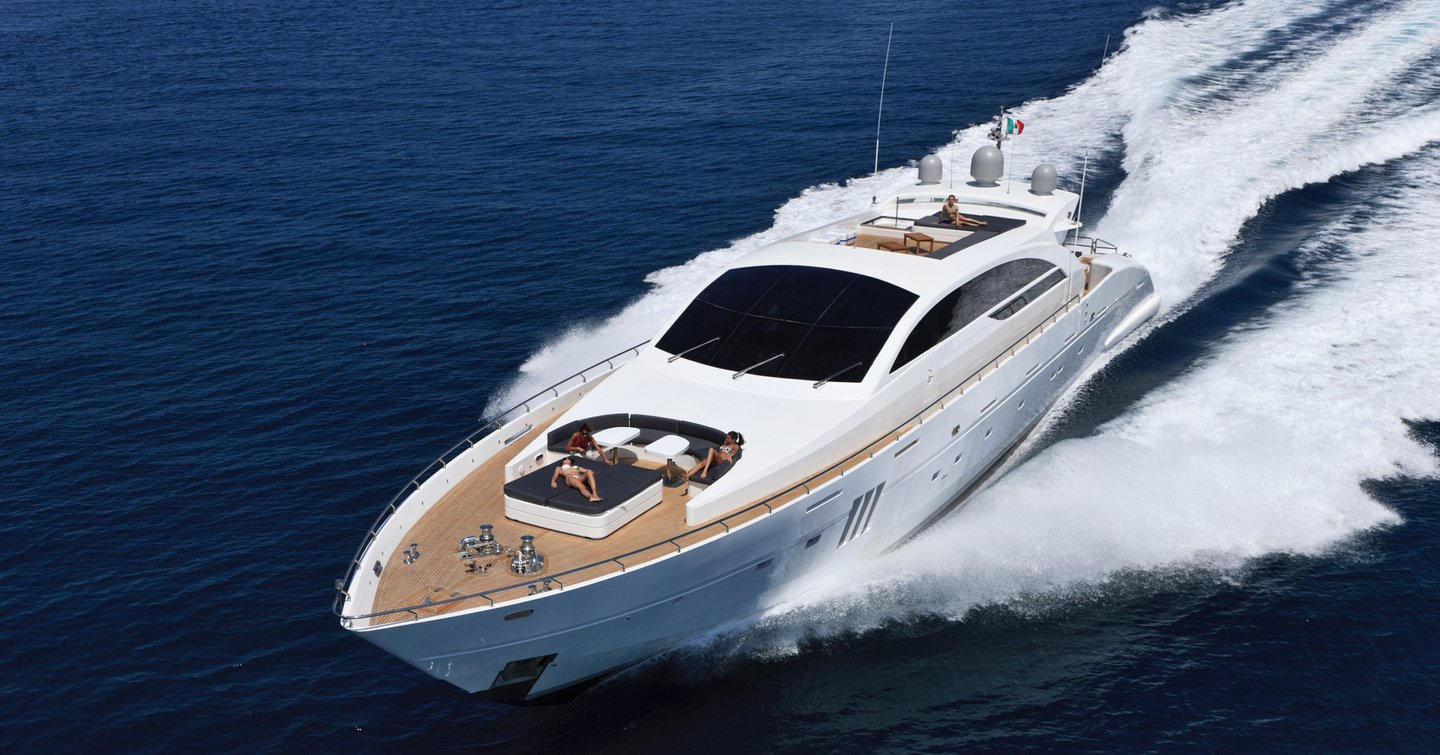
Power and propulsion information helps indicate the yacht's intended use. A fast sports yacht will differ significantly from a long-range displacement cruiser.
Related guides:
What should you look for in the photographs?
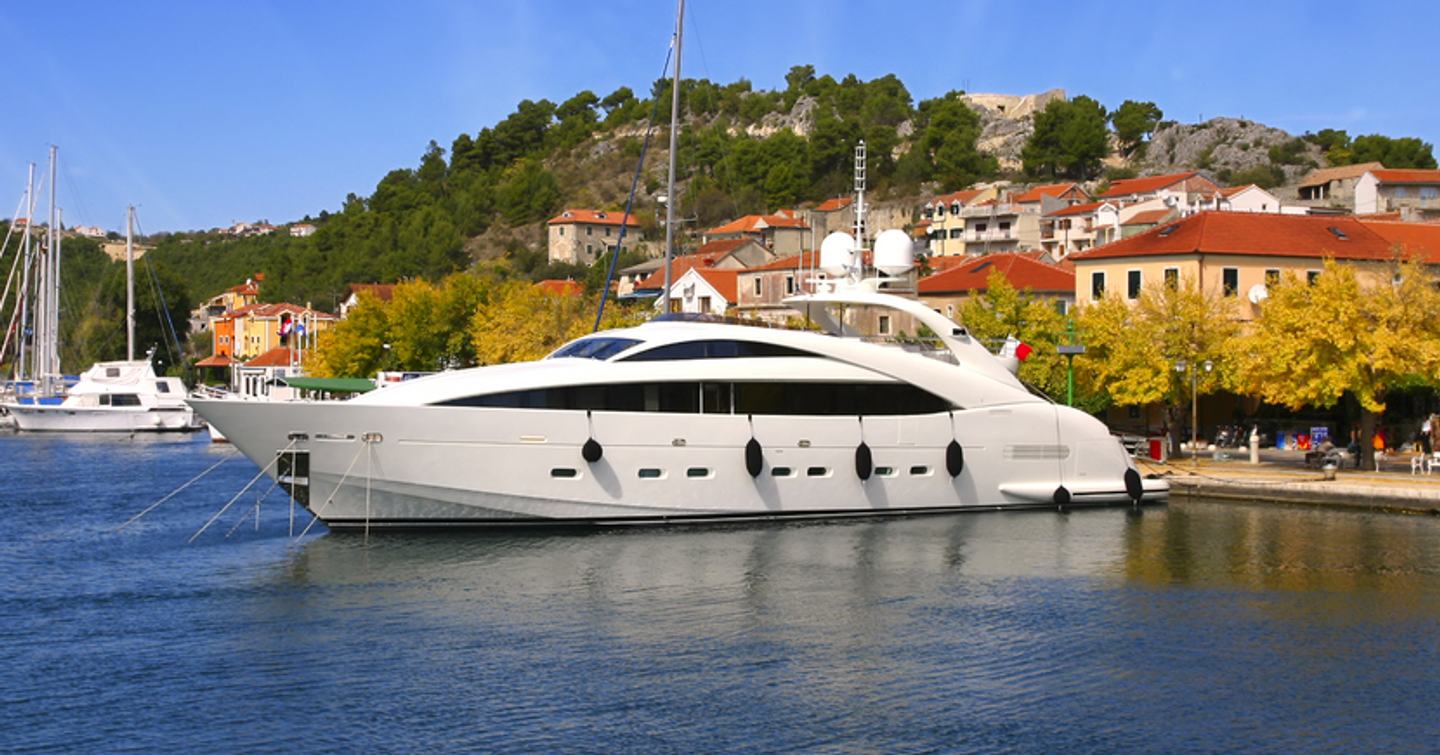
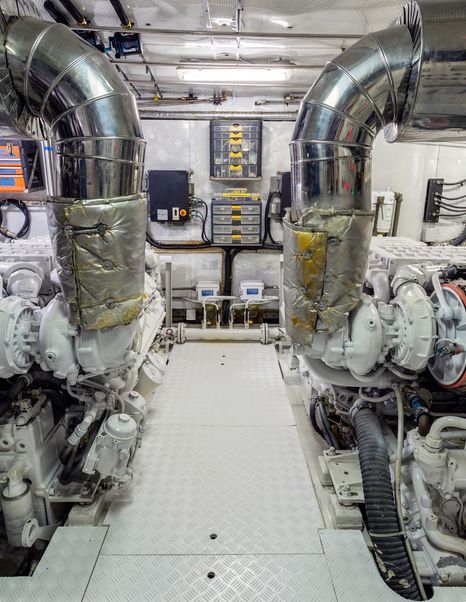
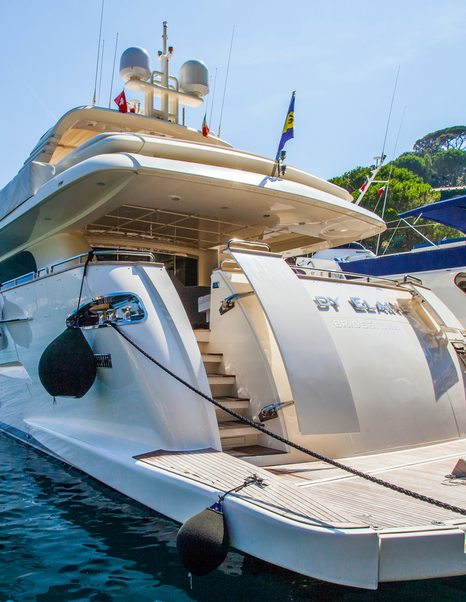
Professional photography can reveal far more than a yacht's styling. Look for signs that the yacht has been consistently maintained, paying particular attention to exterior teak, upholstery, the helm, machinery spaces and the overall cleanliness of the vessel. If important areas such as the engine room, crew accommodation or bathrooms are missing entirely, it's worth asking the broker for additional images before arranging a viewing.


What does the description actually tell you?
The written description often explains what cannot be shown in photographs.
Look for information about:
- Major refits
- Equipment upgrades
- Recent servicing
- New electronics
- Stabiliser installation
- Paintwork
- Interior refurbishment
- Ownership history
A good description should explain why the yacht stands out while remaining factual.
Be cautious of listings filled mainly with marketing language but offering little useful information.
Related Guides:

What are engine hours, and why do they matter?
Engine hours are similar to mileage on a car, but they should never be viewed in isolation.
Well-maintained engines with higher hours can often be a better purchase than lightly used engines that have spent long periods unused.
Instead of focusing purely on the number, consider:
- Service records
- Manufacturer recommendations
- Usage patterns
- Maintenance history
- Survey results
Professional servicing is usually more important than simply having low engine hours.
Related Guides:
Should you pay attention to the asking price?
The asking price is only one part of the overall ownership cost.
Buyers should also consider:
- VAT status
- Registration
- Recent maintenance
- Insurance
- Berthing costs
- Survey costs
- Future upgrades
A cheaper yacht may ultimately cost more if significant maintenance is required shortly after purchase.
Comparing similar yachts on the market provides much better context than looking at a single asking price.
Related Guides:

What features are genuinely important?
Rather than focusing on every luxury feature, think about how you plan to use the yacht. Families may value multiple guest cabins, a large swim platform and generous outdoor seating, while long-range cruisers are more likely to prioritise fuel capacity, stabilisers, watermakers and storage. Buyers who entertain frequently might instead look for spacious saloons, exterior dining areas or a beach club.
Related Guides:

What information might be missing?
Even the most comprehensive listing won't answer every question. Before making an offer, ask the broker for service records, previous survey reports, refit documentation, VAT status, registration papers and a full inventory. These documents provide valuable insight into the yacht's history and can highlight costs or maintenance that may not be obvious from the listing alone.

How can you compare multiple yacht listings effectively?
Rather than focusing on individual yachts, compare similar models side by side.
Consider:
- Age
- Specification
- Equipment
- Maintenance history
- Location
- Asking price
- Engine hours
- Condition
This approach makes it easier to identify good value and spot yachts that stand out for the right reasons.
Reading a yacht listing is only part of the buying process. YachtBuyer Intelligence & MarketWatch gives buyers the wider market context needed to make informed decisions, with detailed insights into yacht pricing, market trends, new builds, purchases and sales. Whether you're comparing similar models, tracking availability or researching a builder's latest activity, it provides the data and intelligence to help you buy with greater confidence.
FAQ
How accurate are yacht listings?
Most listings are prepared using information supplied by the owner or broker, but buyers should always verify important details through surveys and documentation.
Can the asking price be negotiated?
Yes. Many brokerage yachts sell below their initial asking price depending on market conditions, survey findings and seller motivation.
Should low engine hours always be preferred?
Not necessarily. Regular use combined with consistent servicing is often more important than simply having fewer engine hours.
Why don't all listings include engine room photographs?
Some brokers choose not to include every area online, while others may be limited by time or privacy. Buyers can request additional photographs before arranging a viewing.
Can a yacht listing replace a survey?
No. A listing is only an introduction to the yacht. A professional survey remains one of the most important parts of the buying process.
What is the most important specification to compare?
There is no single answer. Buyers should consider the complete package, including size, layout, condition, maintenance history, equipment and price.
How often do yacht listings change?
Listings can change frequently as prices are reduced, yachts are sold, or new brokerage yachts enter the market, making regular monitoring worthwhile.
Looking to own a yacht? View all new and used superyachts for sale, tracked in real time by YachtBuyer MarketWatch. We scan the entire market to ensure access to all genuine listings, helping you save time. Alternatively, explore all other yachts for sale.
