Which suits you better: a berth in the heart of a busy Mediterranean city, or a quiet harbour with open water right on the doorstep? Both can sound tempting, but the right choice depends on your yacht and what you want to do with it.
A marina that looks perfect on paper can soon lose its appeal if it takes an hour to reach open water, the berth is awkward in a crosswind or every minor repair means a long trip to the nearest boatyard. On the other hand, you may happily give up a smart restaurant or concierge desk for good shelter, easy access and the right technical support.
This guide looks at what to check before you commit to a berth, from shelter and cruising grounds to maintenance, security and shore power. It also covers the facilities and services that can make life with a yacht much easier once the basics are right.
In this article:
- Key Considerations
- Shelter, Wind and Wash
- Basic Services
- Location & Cruising Grounds
- Marina Condition and Upkeep
- Marina Security
- Fuel Availability
- Shower & Washroom Facilities
- Chandlery and Yacht Supplies
- Can I Maintain and Repair my yacht from this Marina?
- Connectivity
- Marina Concierge
- Live Aboard Options
Key Considerations
There is no single best marina. The right one depends on your yacht, how often you use it and what you expect from your home berth. Research into marina users and pleasure boaters has found that people value different parts of the marina experience, from the berth and technical support to the wider destination.
Start with the things that could make or break the choice. Is the marina well sheltered? Can your yacht enter and leave when you want to? Does the berth suit its length, beam and draft? How long will it take to reach the waters and places you bought the yacht to enjoy?
Then think about real life once the yacht is there. An owner who drives down for a few hours on the water may put quick access to open water near the top of the list. If the yacht doubles as a weekend base, the marina and surrounding area matter much more. A larger crewed yacht may depend on reliable shore power, fuel, storage and good technical support.
Once those pieces fall into place, the extras can help you choose between two otherwise good marinas.
Before you sign on the dotted line, check:
- Shelter from wind, waves, swell and wash
- Water depth, tides, currents and marina access
- A berth that suits the yacht's length, beam and draft
- How quickly you can reach your preferred cruising grounds
- Fuel, shore power, fresh water and waste services
- Maintenance, haul-out and technical support
- Security at the berth and around the marina
- Road, rail and air links for owners, guests and crew
- Marina rules, berth terms and any extra charges
- Shops, restaurants and other shore-side facilities that matter to you
Still choosing the yacht? Your home berth can rule some boats in or out, particularly once length, beam, draft and shore-power needs come into play. Compare yachts for sale monitored by YachtBuyer MarketWatch with those limits in mind.
Shelter, Wind and Wash
A marina may look well protected on a chart, but shelter can vary from berth to berth. Check the actual berth for wind, swell and wash before you commit.
Check the Local Wind
Find out which winds affect the marina most often and which cause problems in stronger weather. Hills, tall buildings and harbour walls can funnel wind through parts of a marina, so a berth that looks tucked away may still get the rough end of the deal.
Think about the direction of the wind across the berth, too. A strong crosswind can make arrival and departure far harder than it needs to be, especially if space to manoeuvre is tight.
Look for Swell, Surge and Wash
Wind is only part of the picture as swell can work its way through a harbour entrance, surge can move a yacht back and forth against its lines, and wash from ferries, commercial traffic or other boats can disturb an otherwise calm berth.
These movements cause a knock on effect of fenders rubbing against the hull, mooring lines and deck fittings taking repeated loads, and even boarding can become awkward if the yacht moves against the pontoon. It can also make time aboard far less pleasant especially in your berth at night.
If possible, speak to owners who already use that part of the marina. They will usually know which conditions cause trouble and which berths get the worst of it.
What Happens When the Weather Turns?
Check whether the marina is suitable throughout the year or whether certain seasons bring stronger winds, swell or other weather risks. Ask what berth holders are expected to do before severe weather and whether yachts ever need to move.
If haul-out or shore storage may be needed, find out what is available nearby.
Almost any marina can look perfect on a calm summer afternoon. It pays to find out what it is like when the weather has other ideas.
Basic Services
Shore power and fresh water may not be the most exciting items on a marina's facilities list, but you will soon notice if the berth does not provide what your yacht needs.
Check that shore power is available at the berth and that the supply and capacity suit the yacht. Larger yachts can have far greater power demands, so do not assume that every berth within the same marina offers the same service. It is also worth checking the position of the connection point and whether cables can reach the yacht without crossing busy parts of the pontoon.
Fresh water should be just as easy to access. Ask whether water and electricity are included in the berth fee, metered separately or subject to additional charges.
These are everyday basics, so it pays to get them right from the start rather than discover the catch after the contract is signed.
Location & Cruising Grounds
A good marina needs to work beyond the berth itself. Look at where it puts you, how easy it is to reach the water and what you can do once you cast off.
How Quickly Can You Reach Open Water?
Check the route from your berth to the sort of water you want to use. A marina four miles up a river may have great facilities and good shelter, but an hour under a low speed limit can take the fun out of a quick afternoon trip.
Locks, bridges, shallow channels and busy harbour entrances can also add time to every departure. None of these has to be a deal-breaker, but it is better to know the score before you sign up for a berth.
What Can You Reach From the Marina?
Look beyond the marina entrance and think about a normal day on the yacht. Are there sheltered bays, good anchorages, islands, harbour towns or restaurants within easy reach? If strong winds rule out the open sea, are there protected waters where you can still make a day of it?
Distance on a chart only tells half the story. Work out how long places will take to reach at your yacht's normal cruising speed. A good choice of destinations within an hour or two can make a home berth far more useful.
Travel to the Marina
The journey to the yacht matters too, particularly if you keep it abroad or some distance from home. Check road links, parking and access to airports or public transport where relevant.
Think about the everyday jobs as well. If you need food, supplies or spare parts before a trip, having shops close by can save a lot of legwork.
A marina can tick every box once you arrive, but if the trip there is a chore and the sea feels miles away, its appeal can wear thin surprisingly fast.
Marina Condition and Upkeep
A long list of facilities means little if the marina itself is poorly looked after. When you visit, check the condition of the pontoons, cleats, bollards and other berth fittings, and make sure they are suitable for the size of your yacht.
Look at the basics too. Is rubbish collected promptly? Is the water around the berths reasonably clear of debris? Does the marina feel clean and well cared for, or are small problems starting to pile up?
You will probably spend more time here than you expect, whether that is before a trip, while work is carried out or simply while enjoying the yacht at the berth. It is worth asking yourself whether this is somewhere you would actually be happy to spend time?

Marina Security
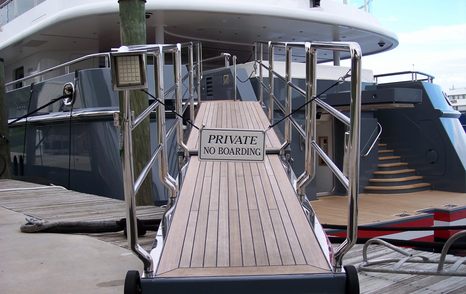
Your yacht represents a significant investment, and good marina security can help protect it.
From well-maintained docks with security guards, to gated access and 24/7 surveillance, a secure marina provides peace of mind, safeguarding your yacht against potential risks and unauthorized access.

Fuel Availability
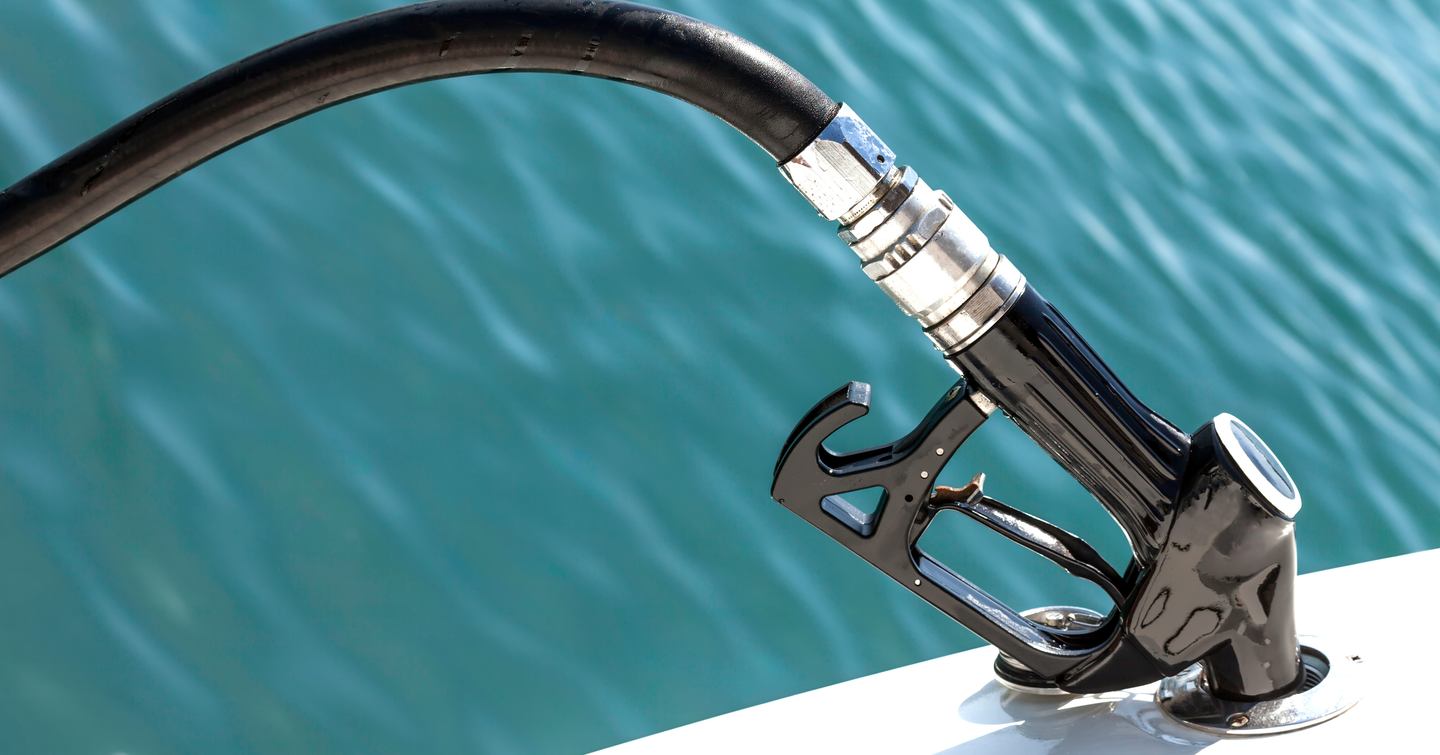
An on-site fuel berth is a real bonus, but its absence does not have to be a deal-breaker. If the marina has no fuel of its own, find out where the nearest practical option is and how much time it will add when you need to fill up.
Check that the fuel facilities suit your yacht too. Make sure the right fuel is available and that the berth or delivery service can handle the yacht’s size and the amount you are likely to take on.
For larger yachts, easy access to bunkering can save a lot of time and take one more job off the list. It pays to know how fuel is supplied before you make the marina your home base.
Shower & Washroom Facilities

Marinas vary in the quality of their shower and toilet facilities. Some offer luxurious amenities akin to upscale hotels, while others may have less desirable conditions. Many strike a balance, featuring modern fixtures but potentially facing issues like low water pressure or lack of cleaning during peak usage.
Marina shower and washroom facilities are especially important for smaller yacht owners and guests, especially during extended stays onboard.
Chandlery and Yacht Supplies
While not a necessity, having an on-site chandlery can be exceptionally valuable, especially for hands-on yacht owners. Chandlers typically offer essential equipment and spare parts for minor repairs and maintenance, accompanied by knowledgeable staff providing valuable boating advice. Some chandlers even stock fishing tackle and provide bait.
Chandlers and general stores in marinas vary widely, catering to the diverse needs of the yachts in their area. In upscale marinas, you can expect to find not only daily essentials like freshly baked bread and butter but also the finest wines and champagne.

Can I Maintain and Repair my yacht from this Marina?
Good technical support close to your berth can save a lot of time and hassle (and money). Before you choose a marina, find out what work can be done on site, what needs a trip to a nearby yard and whether the facilities can handle your yacht.
Lift Out/Haul Out Service
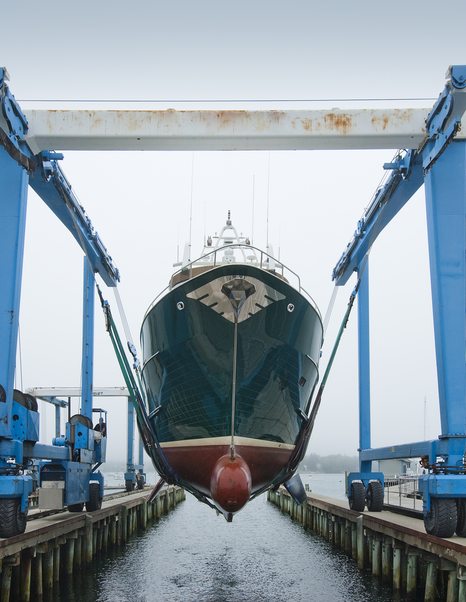
If the marina has its own lift or crane, check the maximum length, beam and weight it can handle. A lift-out facility close to the berth can make routine jobs such as antifouling, anode replacement and underwater inspections much easier to arrange.
Also check whether hard standing is available and what services you can use while the yacht is ashore. Access to power and water can make life much easier if you plan to carry out routine work yourself.
For larger yachts, the marina may not have the equipment for major repair or refit work. In that case, find out how far you would need to travel to reach a suitable shipyard. A marina does not need to do everything under the sun, but knowing where the nearest capable yard is can save a nasty surprise later.
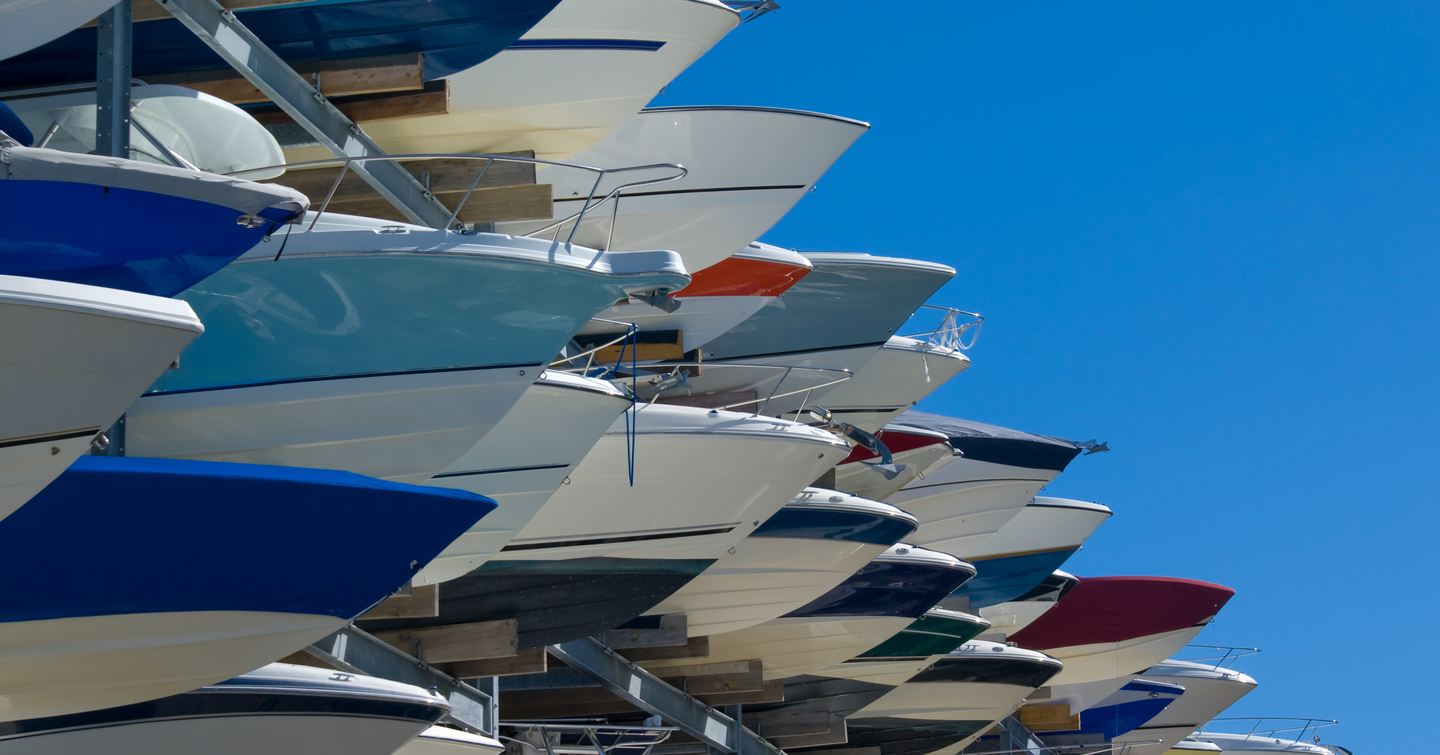
In the US, dry stack storage has become increasingly popular. Unlike traditional wet storage, where boats are kept in the water at a marina, dry stack storage keeps boats out of the water on land. The boat is lifted into the water when needed.
Storage Facilities
Storage close to the berth can be a big help, particularly on smaller superyachts where spare parts, watersports gear and seasonal equipment can quickly eat into useful space onboard. These units allow for the secure storage of various items, from personal watercraft to provision-packed freezers for the season. Some storage units are equipped like full workshops, enabling repair and maintenance of movable sections to occur off the yacht, reducing inconvenience and the risk of accidents during work. While the presence of these facilities varies among marinas, modern developments often include yacht storage and workshop units as integral parts of their architectural plans
Technical Services & Contractors
A good network of local engineers and marine trades can be worth its weight in gold when something needs attention. Check which engine agents, electricians, electronics specialists and other service companies work in or near the marina, especially if your yacht relies on particular brands or systems.
Do not assume you can bring in any contractor you choose. Some marinas operate with approved suppliers, while others charge outside companies for access or require specific insurance before they can work on site. Those rules can add cost and limit your options, so it pays to know the lie of the land before you sign a berth contract.
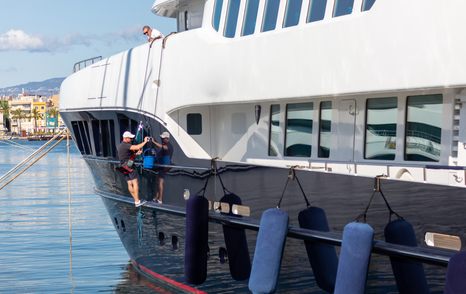
For larger yachts, major repairs may still need a specialist yard, but good local support can take a lot of the sting out of routine servicing and smaller faults.
Waste & Pump Out Facilities
While not all marinas offer this service, it's certainly convenient if they do. The requirement for yachts to have black tanks, storing toilet waste to prevent direct sewage discharge into the sea, is in line with legal regulations.
While there are limits for discharging holding tank contents near the shore, it may not be practical for yachts that closely hug the coastline and pop into local anchorages. It is important to avoid 'accidental' discharge into the water, which not only leads to hefty fines but a heavy weight on a conscience.
Ensure you are aware of the service's hours of operation and use it promptly, as an overflowing black tank can create a highly unpleasant situation onboard. It is also adviseable to stand well clear when the pump out service is in operation.
Connectivity

Good internet access can be easy to take for granted until the signal drops out at the berth. If you plan to work aboard, stream films or simply stay in touch, check both the marina Wi-Fi and mobile coverage before you commit.
Do not rely on a Wi-Fi symbol in the facilities list. Speed and coverage can vary across a marina, and a berth tucked behind buildings or steep ground may have much poorer mobile reception than the marina office. If internet access matters, test it from the actual berth if you can.
For yachts that need reliable communications away from the marina as well as alongside, YachtBuyer's Entertainment and Communication guide explains the main onboard options.
Marina Concierge

At larger yacht and superyacht marinas, the concierge desk can be far more than a reception point. A good team can arrange airport transfers, chauffeurs, restaurant bookings, local reservations, deliveries and guest requests, which can take a fair bit off the crew’s plate.
For owners and guests who use the yacht as a base for longer stays, that level of service can make life ashore much easier. It is especially useful when plans change at the last minute or several guests arrive at once.
If concierge service matters to you, look beyond the glossy promises and ask what is actually included. Some marinas offer a full guest-service operation, while others stick to local advice and basic bookings. Check the hours, the range of services and whether extra charges apply.
At the top end of the market, the best marinas can offer something close to a five-star hotel ashore. If that is part of the experience you want from your home berth, it is worth having on your radar.
Live Aboard Options
If you plan to spend long periods aboard, check the marina’s liveaboard rules before you take the berth. Some marinas limit how many nights owners or guests can stay aboard, while others are set up for yachts that remain occupied for much of the season.
For a larger yacht, think about the crew as well. A home berth may need to work as a day-to-day base, with practical access to shops, transport, laundry, deliveries and the services crew rely on while the yacht is in port.
The marina itself matters more when you spend weeks rather than days there. Restaurants, shops, leisure facilities and the surrounding town can turn the yacht into a very handy home from home, particularly in a favourite cruising area.
If spending long periods aboard is part of the plan, make it part of the buying decision too. Browse superyachts for sale monitored by YachtBuyer MarketWatch, then compare the accommodation, crew space and onboard facilities that matter for longer stays.
Check exactly what the berth agreement allows. It is far better to know the lay of the land from day one than discover halfway through the season that extended stays are restricted.
There’s a lot more to choosing the right marina than just checking the facilities.