Produced by Deloitte and Vrije Universiteit Amsterdam, the research forms the foundation of SYBAss’s new Builders Advocacy Campaign, an initiative designed to shift the conversation around superyachts away from the finished product and toward the industrial network that supports construction, refit, operations, and long-term fleet activity.
The report argues that while the industry is often viewed through the lens of luxury, its wider impact is closer to that of an advanced manufacturing sector built around engineering, specialist trades, vocational development, and decades of downstream economic activity.
Why New Builds Generate the Biggest Impact
The study divides the industry’s impact between direct expenditure and the wider economy that exists around the fleet. According to the findings, the sector generated €22 billion in direct expenditure, which then produced another €32 billion across supply chains, tourism, operations, hospitality, and maritime services.
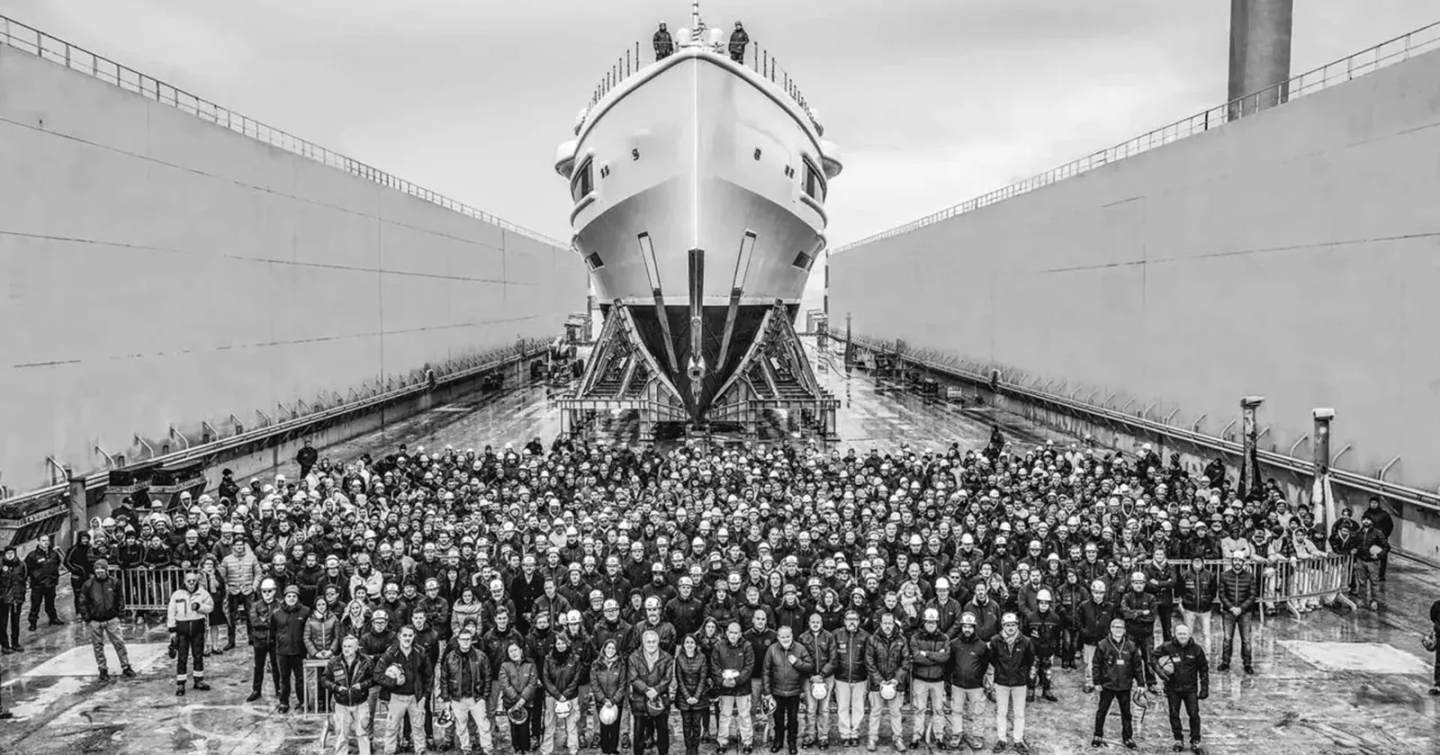
Several figures define the wider picture:
- €20 billion - New-build construction accounts for around 37% of the sector’s total economic impact
- €22 billion - Direct industry expenditure generated by the global superyacht sector
- €32 billion - Additional indirect activity created across supporting industries
- 2.8 multiplier effect - Every €1 invested in yacht construction creates another €1.80 across the wider economy
The multiplier is particularly significant because it places motor yacht construction among the highest-performing segments within advanced manufacturing and maritime industries. Rather than ending at delivery, each completed yacht effectively creates a long-term service economy through crew employment, marina use, technical support, charter activity, fuel supply, refits, and tourism spending.
While downstream sectors such as fleet operations, charter, tourism, brokerage, marinas and hospitality account for the majority of recurring annual economic activity, the report’s figures demonstrate that this ecosystem fundamentally depends on the continuous creation and renewal of the global fleet by builders and yacht owners."
The report also raises an interesting structural point; builders assume much of the investment, delivery risk, and long-term accountability, while most recurring revenue arrives later through downstream industries created by the fleet itself.
Refit Sector Emerges as a Major Growth Area
Refit and maintenance emerge as one of the clearest long-term growth stories in the study. The segment contributes an estimated €5.6 billion globally, accounting for roughly 11% of total industry impact. As fleets age and owners continue extending service lives through modernization programs, technical upgrades, and lifecycle investment, SYBAss identifies refit as one of the sector’s strongest growth opportunities.
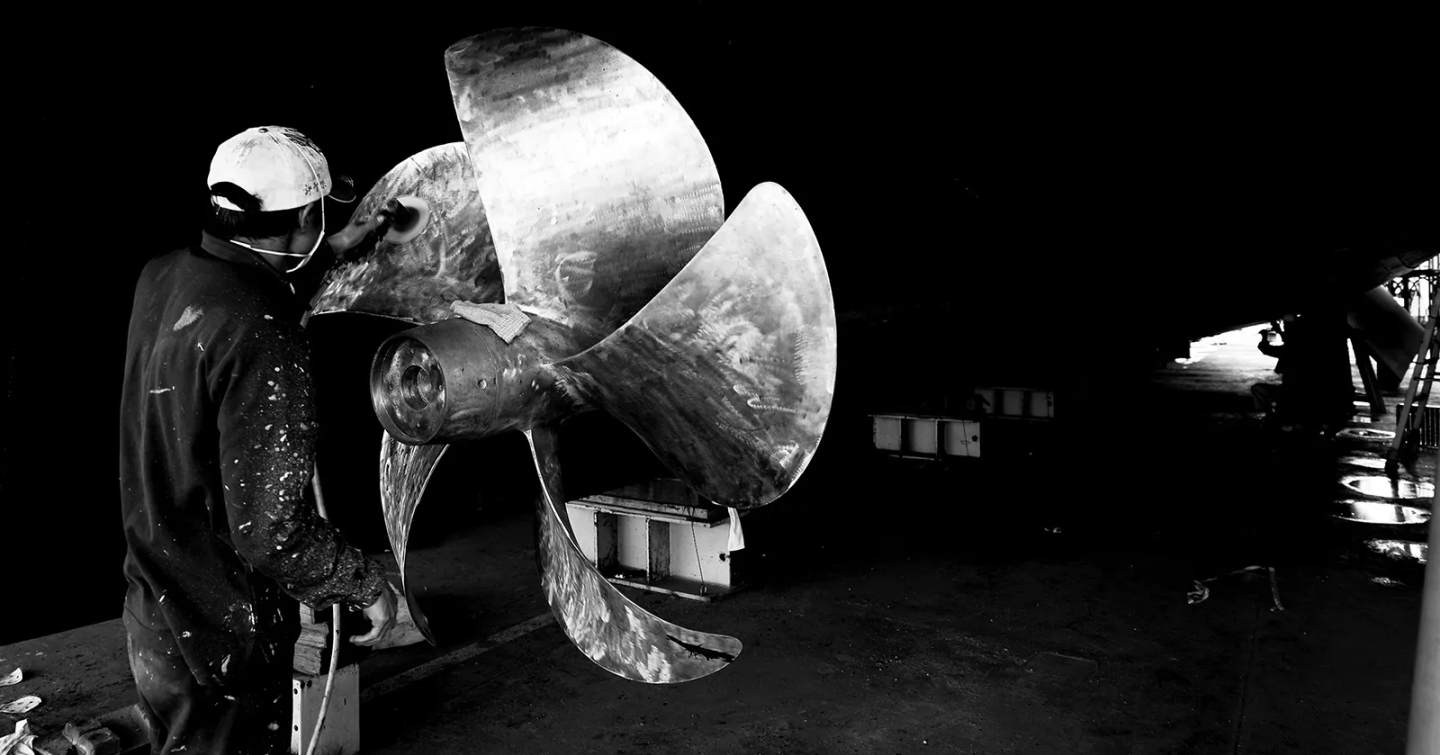
This is particularly notable because the report frames the fleet as a continuously renewed asset base rather than one moving toward end-of-life replacement. According to the study, refit cycles help keep yachts current while indefinitely delaying retirement from service.
Across the global fleet, now estimated at around 5,600 vessels, each superyacht contributes approximately €9 million annually through maintenance spending, marina services, tourism activity, fuel supply, crew employment, and refit work.
The Workforce Behind the Fleet
Another major theme in the report is workforce visibility and the industrial structure supporting the sector.
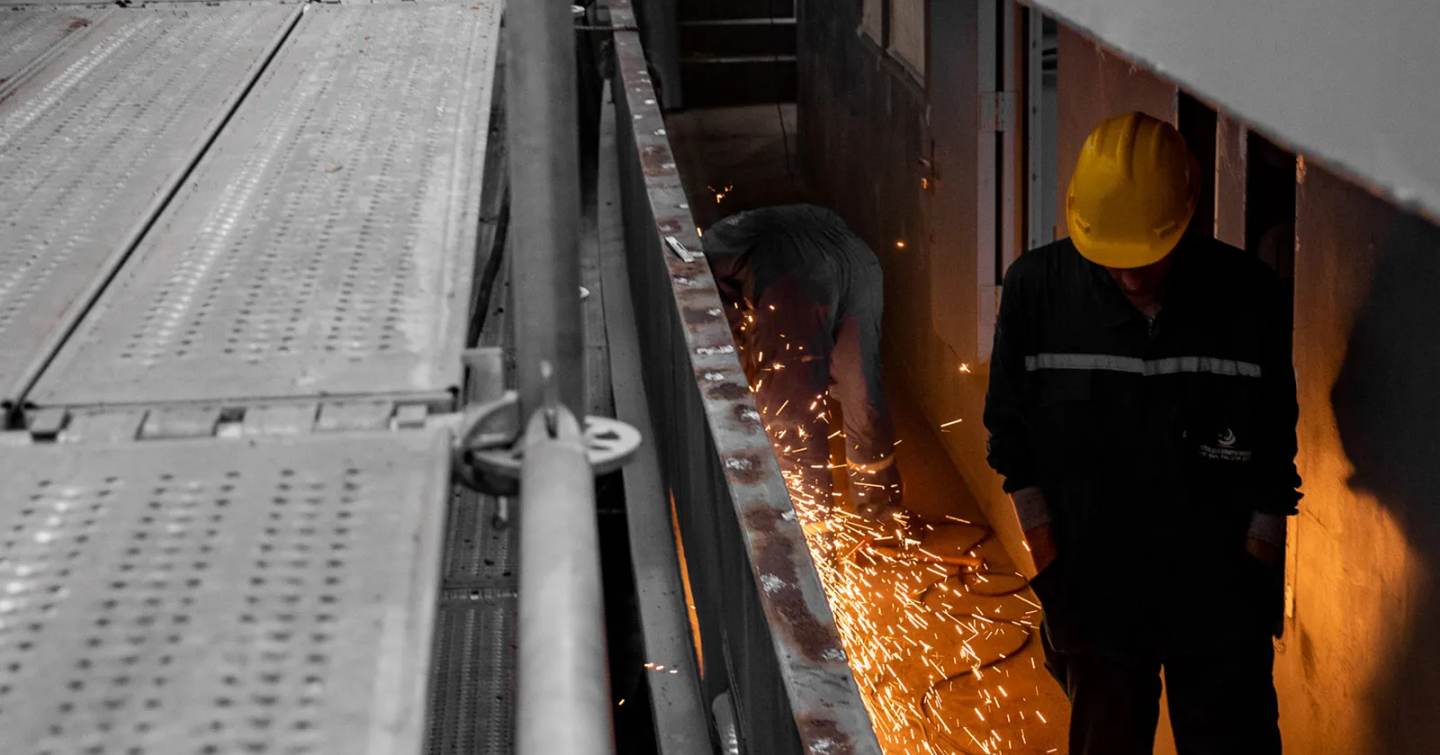
The report breaks the upstream segment into several key areas:
-
New construction activity, representing 76% of total shipyard turnover -€7.2 billion
-
Refit activity, accounting for the remaining 24% of turnover - €2.3 billion
-
Direct economic impact generated by new build and refit operations - €9.5 billion
-
Approximate size of the active global superyacht fleet - 5,600 vessels
Rather than emphasizing luxury consumption, the study repeatedly frames superyacht construction as a specialist manufacturing activity built around advanced engineering, project management, and skilled trades.
Every yacht requires years of coordinated work involving welders, electricians, engineers, naval architects, metal workers, carpenters, painters, project managers, and specialist suppliers, with much of that expertise developed through apprenticeships and technical training programs.
From Fleet Costs to Lifecycle Economics
The findings also expand significantly on earlier economic work commissioned by SYBAss.
A previous Vrije Universiteit Amsterdam study published in 2017 estimated annual contribution at around €11.9 billion by examining construction labor, maintenance, operational spending, and refit costs across the fleet up to 2015. That analysis deliberately excluded wider multiplier effects and indirect sectors such as tourism and hospitality.
The new research takes a broader lifecycle approach. Instead of asking what it costs to build and operate superyachts, it measures the economic activity created because the fleet exists - extending from shipyards and suppliers through to marinas, tourism, technical services, crew employment, and long-term operational support.
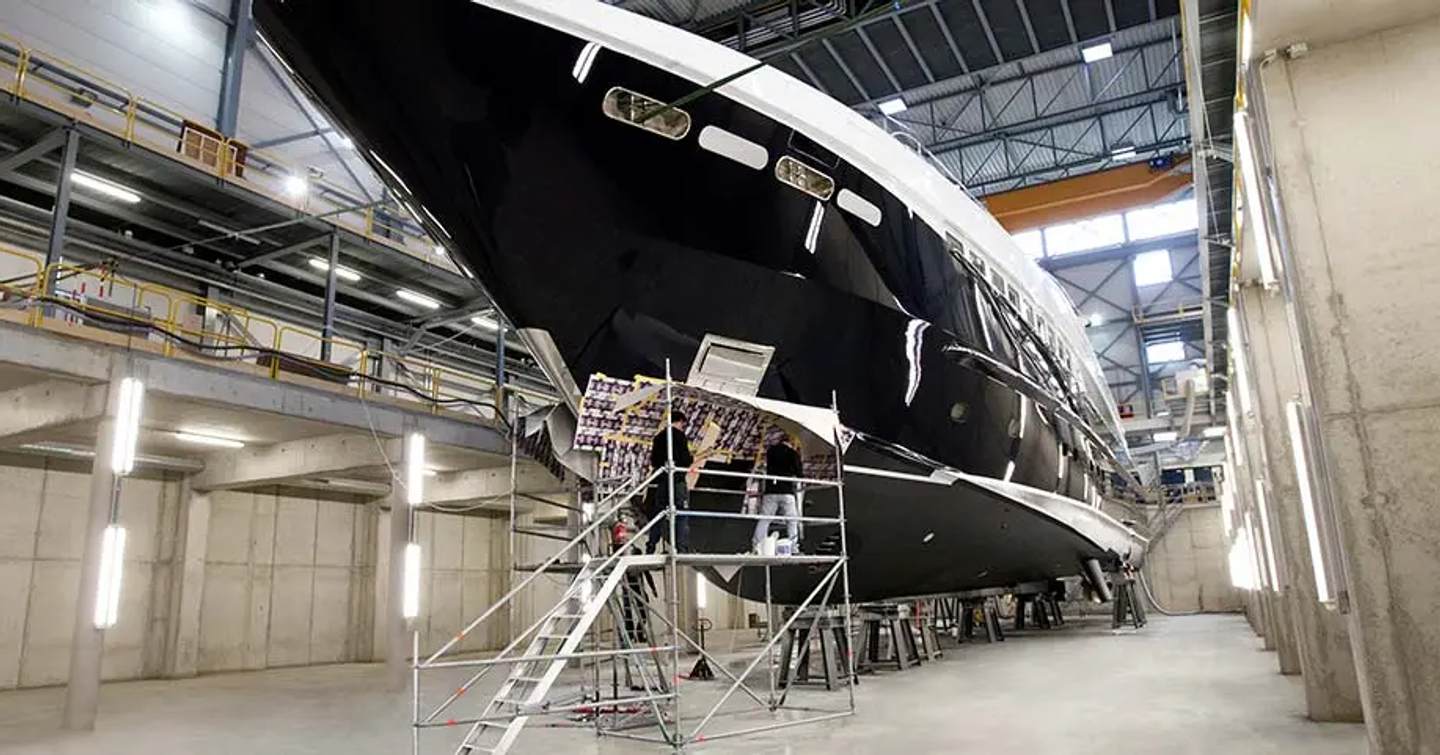
The result is a wider definition of what the superyacht economy actually includes.
SYBAss says additional analysis will follow as part of the Builders Advocacy Campaign, with future work expected to examine employment, industrial capability, innovation, and the wider social contribution of the sector.
Looking for your dream yacht? View all new and used superyachts for sale, tracked in real-time by YachtBuyer MarketWatch. We scan the entire market to ensure access to all genuine listings, saving you time. Alternatively, you can view all yachts for sale.