
-
MkYEARS2019 - 2026BUILT35
Riva 90' Argo Yachts For Sale
Find all Riva 90' Argo yachts for sale below using YachtBuyer's MarketWatch technology, with every real, verified used 90' Argo listing in one place. No fake or duplicate listings - just accurate market prices, full specifications, and historical asking prices from the past few years to help you understand true 90' Argo value and choose the right yacht.
The 90' Argo was built in Italy by Riva with a multi-award winning international design team, interior and exterior styling by Officina Italiana Design from Italy. The 28.49m/93'6" flybridge yacht built from GRP can sleep up to eight guests in four cabins. She was available with a range of inboard engine options.
Riva 90' Argo Buyer's Guide
Flybridge design meets superyacht quality, the Riva Argo is an ultimate expression of the fast modern cruising yacht. The finish across the yacht is without equal, the semi-custom nature of the build means the final look to the interior design is very much down to the owner's taste but whatever is chosen will be beautifully executed. Take a look at our Riva 90' Argo Buyer's Guide for an indepth look at buying and owning one.
- Why Buy a Riva 90' Argo?
- Who Buys a Riva 90' Argo?
- Buying a New vs Used Riva 90' Argo
- Design & Layout
- Performance & Engines
- Riva 90' Argo Ownership & Running Costs
- Crewing & Operating a Riva 90' Argo
- Insuring & Registering your Riva 90' Argo
- Riva 90' Argo Yachts for Sale: Market Prices
- Rivals to the Riva 90' Argo
- Working with a Buyer's Broker
- Buy Smarter with YachtBuyer
Why Buy a Riva 90' Argo?
Peerless Build Quality
The Riva 90' Argo stands out as a yacht that marries Italian style with solid substance. Buyers are drawn to its peerless build quality and attention to detail - qualities usually seen only in fully custom yachts. This model is built to last for decades, not just a few seasons, giving owners confidence that they’re investing in enduring craftsmanship. Every corner of the yacht exudes quality, from the hand-finished teak and polished steel on deck to the custom-made furnishings inside. Riva’s reputation for meticulous workmanship means things tend to break less often, so owners spend more time enjoying the yacht and less time on repairs.
Timeless Design and Brand Heritage
Another reason to choose the 90' Argo is its timeless design and brand heritage. Riva is an iconic Italian yard known for sleek, elegant boats, and the Argo is no exception. It has balanced, sporty lines and large tinted windows that give it a distinctive profile, brilliantly capturing the Riva DNA. The style isn’t just skin-deep; there’s a coherent flow between exterior and interior spaces, creating a harmonious onboard atmosphere. This yacht was introduced in 2019 as part of Riva’s push into larger yachts, condensing the glamour of its bigger siblings into a more manageable size. Buyers who want a 90-foot yacht that looks stunning and will still turn heads years down the line find the Argo hard to resist.
Performance Without Compromise
Performance is a further draw. Unlike some luxury yachts that sacrifice speed, the Riva 90' Argo can top 26–30 knots depending on engine choice. This means you get the comforts of a cruising yacht with the thrill of sportier performance when you want it. The yacht’s modified V-hull and powerful MTU engines deliver quick acceleration and a stable ride at sea. That blend of luxury and agility makes it easy to switch between a quiet sunset cruise and a fast hop to the next port.
Resale Value
Importantly, the Riva 90' Argo holds its value well, making it a sensible purchase from a financial perspective. High-quality European yachts tend to have slower depreciation, and Riva’s focus on build quality and brand cachet supports robust resale prices. The Argo sits at the higher end of the market on price, but the value is clear throughout – it’s easy to see where the money goes. Should you ever decide to sell or trade up, the strong demand for Riva means you’ll likely find eager buyers.
Who Buys a Riva 90' Argo?
The typical Riva 90' Argo buyer is someone who appreciates quality and style over sheer size. This yacht appeals to experienced owners who may have had smaller vessels before and are now upgrading to a true luxury yacht with crew. They often know the kind of yachting experience they want: comfortable family cruising and entertaining in style, rather than squeezing in the maximum number of cabins or guests. In fact, Riva deliberately chose a four-cabin layout (while some competitors offer five in similar length), prioritising a more generous, high-end feel for each guest over higher headcount. Buyers are usually people who value this thoughtful design decision - they prefer luxury and space for eight guests to a crowded boat with bunk rooms. These are owners who want to enjoy their yacht intimately with family or close friends, rather than treating it like a mini cruise ship.
Many Argo owners are business leaders, entrepreneurs, or public figures who have a taste for the finer things. They are drawn to Riva’s storied heritage - owning a Riva is as much a status symbol as it is a pleasure craft. You might find Argo owners who previously owned a Ferretti, Pershing, or other premium Italian yacht and are loyal to the Italian design ethos. Others could be first-time superyacht owners who fell in love with the Argo after chartering similar yachts. In fact, yacht brokers often advise clients to charter a yacht in this class before buying, to make sure it suits their lifestyle. Many who try a Riva (or a comparable 90-footer) on charter are impressed by the experience and decide to become owners themselves.
Where the Riva 90' Argo Yacht Spends Its Time
- Mediterranean (Summer): Many Argo yachts cruise the French and Italian Riviera, Corsica, Sardinia, and the Balearics during summer. At 28.5m, the yacht is large enough for open water and still compact enough to access small harbours and quiet anchorages. Its length (93.5 ft) makes it ideal for slipping into scenic marinas where larger vessels can’t go.
- Caribbean & Bahamas (Winter): During the Caribbean season (December through March), owners often relocate to The Bahamas or Virgin Islands. The Argo’s draft of around 2.15m (7ft) helps it handle shallow waters better than many superyachts, making it well suited for places like the Exumas or St. Barts.
- U.S. East Coast (Year-round or Seasonal): North American owners frequently cruise from Miami to the Keys or the Abacos. The yacht’s range of around 320 nautical miles at cruising speed supports this kind of regional island-hopping with ease.
- Event Hotspots: Some owners anchor off Monaco during the Grand Prix or berth in Port Hercules during the yacht show season. With its presence and comfort, the Argo makes a popular floating base for social and sporting events.
- Transport Between Seasons: Though the yacht is capable of crossing oceans with support, most owners ship it between Europe and the Americas when changing cruising grounds. The Argo is at its best as a fast regional cruiser - zipping from Monaco to Ibiza or from Nassau to Harbour Island.
Buying a New vs Used Riva 90' Argo
When considering a Riva 90' Argo, buyers often weigh the option of ordering a brand-new build versus purchasing a pre-owned example. Each route has its advantages.
Buying a New Riva 90' Argo
Buying a new Riva 90' Argo means you can outfit the yacht exactly to your taste. Riva offers a high level of customization so your new 90' Argo can be a reflection of your style. You’ll also benefit from the latest technology and a full factory warranty for peace of mind. However, a new build requires time and patience. This model is in active production, but you may have to wait for a build slot and then the construction period. Some clients don’t mind the wait, enjoying the process of planning and anticipation, whereas “other clients want it all, and want it now!”. If you’re in the latter camp, the brokerage market (buying used) can deliver a yacht into your hands almost immediately.
Buying a Used Riva 90' Argo
The used Riva 90' Argo market is quite vibrant, in part because some owners upgrade or change yachts after only a couple of seasons. It’s not unusual to see nearly-new Argos listed for sale. For example, the second hull of the 90' Argo series, delivered in 2019 and named Just Perfect, was sold to a new owner only a year later. These lightly used yachts often come loaded with extras and kinks already worked out, and they trade at a slight discount from the new price. In late 2020, Just Perfect was on the market with an asking price of about $8.4 million. Similarly, another 2019 Argo 90' Argo was listed around $7.3 million. For buyers, this means you could save some money upfront by going for a 2-3-year-old vessel, especially if the first owner already paid VAT or added upgrades. And because Riva yachts hold value well, you’re still getting a fairly modern boat with the reassurance that it’s a sought-after model when you eventually decide to sell.
On the other hand, buying new guarantees provenance and personalization. You’ll be the first owner, you know the boat’s history from day one, and you can specify everything exactly as you want. Some owners find the build process highly rewarding in itself. If you are someone who simply wants to start enjoying the yacht immediately rather than spending a year or more in planning and construction, a brokerage Argo is a tempting choice. Just be sure to have a thorough survey and possibly retain a buyer’s broker, to ensure the used boat is in top condition and the transaction goes smoothly.
Whether new or used, the Riva 90' Argo is a prize; it’s really a question of whether you value the custom build experience or the immediacy and cost savings of a pre-owned yacht. Many buyers ultimately decide based on timing - if you want that next summer in Capri on your own Argo, a well-maintained used one might be your ticket, whereas if you have a specific vision for your yacht and can wait, ordering new can be immensely satisfying.
Design & Layout
Exterior Styling
The Riva 90' Argo’s design is a fusion of elegance and sportiness. Its exterior lines were drawn by Mauro Micheli’s Officina Italiana Design, the studio behind many legendary Rivas. The result is a clean, streamlined profile with a moderately aggressive stance but maintaining an unmistakable sophistication. One of the first things you notice are the expansive windows: long ribbons of tinted glass along the hull and full-height glass on the main deck. These not only look stunning from outside but also flood the interior with natural light. The bright main salon has earned the nickname “crystal palace” for its floor-to-ceiling windows and panoramic feel.
The exterior detailing has stainless steel trim around the windows, the perfectly faired hull surfaces, and the integration of features like the hardtop all speak to Riva’s obsessive attention to design. There’s even an “infinity deck” concept, meaning the flybridge, aft cockpit, and foredeck are all connected via walkways and stairs to create unbroken outdoor living areas from stern to bow.
Main Deck Master
Unusually for a yacht of this size, the Riva 90' Argo features its master suite on the main deck forward, taking advantage of the full 6.5m (21ft 4in) beam for a spacious retreat. This master stateroom spans about 30 m² (323 sqft), with a king-size bed facing forward, a walk-in wardrobe, and a large bathroom down a few steps in the bow (ensuring headroom and a big shower). Waking up here, an owner can enjoy wraparound views through large windows and feel the privacy of being on a separate level from other guests.
Guest Cabins
Below deck, there are three en-suite guest cabins, all generously appointed. Two of these are mirror-image VIP cabins amidships, each with a double bed, big hull windows, and its own bathroom. Further aft on the lower deck is a third guest cabin that Riva actually calls a second master or VIP, it spans the full beam at about 20m² (215 sqft), making it particularly comfortable. Essentially, every guest on board gets a VIP experience, with a roomy cabin and natural light. With four cabins total, the yacht sleeps up to eight guests in exceptional comfort. There’s also a small day head (powder room) on the main deck for use when entertaining, so guests need not use their cabin bathrooms during the day.
Main Salon & Dining
The main-deck salon is an open-plan space nearly 40m² (430 sqft) in size. As you step in from the aft deck through sliding glass doors, you encounter a stylish lounge with an L-shaped sofa and armchairs oriented to enjoy the views. The décor can be customized, but Riva’s show models feature a mix of high-gloss wood, polished metal accents, and leather touches. A large television is artfully mounted within a mirrored panel so it can disappear when not in use. Further forward in the salon is a formal dining area with a table and seating for eight, perfect for dinner parties on board. Thanks to those huge windows and more than 2.1m (7ft) of headroom, the whole main deck feels open and airy, blurring the line between inside and outside.
Outdoor Spaces
On deck, the yacht offers multiple outdoor lounges. The aft cockpit (back deck) is over 30m² (323 sq ft) and has a versatile setup. By default, Riva provides a transom bench and dining table that can convert in just a couple of moves into an expansive sunpad. This means the same space can be a shaded al fresco dining spot by day and a casual lounge for sunbathing or stargazing later on.
The flybridge up top is one of the Argo’s showpieces: about 46m² (495 sqft) of deck protected by a stylish hardtop with an opening section. Up here you’ll find another dining table, a bar, and loose furniture that the owner can arrange to their liking (sun loungers, sofas, etc.). Riva deliberately left the aft end of the flybridge open for freestanding furniture, giving owners flexibility - some might put a jacuzzi or extra sunbeds there. The flybridge bar is beautifully executed with teak and stainless barstools that swivel.
For a more private outdoor escape, head to the foredeck: here, Riva created a smart two-in-one lounge. There are twin sunpads that can join together in a C-shape, along with an optional pop-up dining table, creating a forward cockpit that’s perfect for sunset cocktails or a quiet read. It’s like having a second, secluded salon under the open sky.
Crew Areas & Practical Design
Practical aspects of the layout haven’t been forgotten. The yacht is built for crew operation, so the galley and crew quarters are strategically placed. The galley is on the main deck, but it’s discretely positioned and can be closed off from the salon when needed. It has modern appliances including a full-size fridge/freezer, and plenty of storage to cater for extended cruises. From the galley, there’s direct access to the crew area, which consists of two cabins (each with bunk beds) and two bathrooms down in the bow of the lower deck. There’s even a small crew mess/dinette so the crew can relax out of sight of guests. This separation ensures guests enjoy privacy and 5-star service, with the crew able to move about via side decks and a dedicated stairway without intruding on guest spaces.
Tender Garage & Swim Platform
At the stern, the Argo has a teak swim platform that is hydraulic. It lowers into the water to act as a beach club-style terrace and also to launch the tender and jet ski from the aft garage. The garage can house a 4.5m (14ft 9in) tender and a personal watercraft side by side.
Performance & Engines
The Riva 90' Argo may be a luxury yacht, but it’s also a performance machine when you want it to be. This model comes with a range of powerful MTU engine options, all diesel, giving owners some choice in tuning the yacht’s speed and range to their preferences. The standard setup is twin MTU 12V 2000 M96L engines, rated at about 1,920 horsepower each. With these, the Argo can reach approximately 26 knots at full throttle. That’s already an impressive top speed for a 93-foot flybridge yacht. Many owners will find the standard engines more than sufficient, providing a brisk 22-knot cruising speed for covering distances efficiently. At that cruising pace, the yacht’s range is on the order of 300+ nautical miles, which is plenty for typical trips between yachting hubs or island chains.
| Engine Option | Power (each) | Total Power | Top Speed | Cruising Speed |
|---|---|---|---|---|
| MTU 12V 2000 M96L (standard) | 1,920hp | 3,840hp | ~26 knots | ~22 knots |
| MTU 16V 2000 M84 (optional) | 2,185hp | 4,370hp | ~28 knots | ~24 knots |
| MTU 16V 2000 M96 (optional) | 2,400hp | 4,800hp | ~30 knots | ~26 knots |
For those who crave more speed, Riva offers the upgraded engines. Owners who choose the larger units often do so if they plan to run the boat hard or want the extra power for resale appeal. All setups use a V-drive configuration, saving space and allowing the motors to sit farther aft, which maximizes interior volume amidships. Despite the yacht’s weight (around 85 to 98 tons depending on load) the modified deep-V hull and high-output power ensure the Argo gets on plane quickly and handles like a true performance yacht.
Handling and seakeeping are areas where Riva invested a lot of effort. The hull was engineered by Ferretti Group’s naval architects for a balance of speed and comfort. Owners report that the 90' Argo feels stable and predictable, even at the higher end of its speed range. Electro-hydraulic stabilizers (fins or gyros) are typically fitted to reduce rolling, both underway and at anchor, which keeps the ride comfortable when the sea gets choppy. The yacht’s bow has a fine entry to cleave through waves, while the aft V-angle supports planing efficiency. In practice, this means you can maintain a fast cruise in moderate seas without pounding.
The Argo’s performance also shines in maneuverability. With twin screws, a bow thruster, and often a stern thruster as an option, docking in tight marinas becomes less stressful. Modern navigation and control systems are integrated, and features like joystick docking and dynamic positioning can be optioned, making close-quarters handling straightforward even for less experienced captains.
From an engineering standpoint, the Riva 90' Argo is built with reliability and redundancy in mind. Systems are yacht-grade and often commercial-standard, anticipating that some owners may run the boat hard or offer it for charter. MTU engines are known for their durability if properly maintained. Fuel capacity is around 8,700 litres (2,300 gallons), which gives decent range. At top speed, fuel consumption rises significantly, but many owners reduce speed to 10-12 knots for efficiency. At these lower speeds, range increases, making longer passages possible, such as coastal cruises along the Adriatic or New England.
Riva 90' Argo Ownership & Running Costs
Owning a 90-foot yacht like the Riva Argo is a wonderful experience, but it comes with significant running costs and responsibilities. Prospective owners should budget not just for the purchase price, but for the ongoing expenses that ensure the yacht remains safe, legal, and in top condition. A rule of thumb often cited in yachting is to expect annual running costs to be around 5-10% of the yacht’s value. For a vessel in the $5-8 million range, this could mean spending on the order of $250,000 to $800,000 each year, depending on usage and where you keep it. Some sources estimate a 90ft motor yacht’s yearly upkeep at $150,000 to $300,000 as a base, but that can be a conservative figure if you run with a full crew and cruise extensively. Let’s break down the main cost categories:
- Crew Salaries: A yacht of this size typically carries 3-4 crew members (more on crew in the next section). Crew wages are a major part of the budget. A captain’s salary, plus a chef/stewardess, a deckhand/engineer, and maybe a second stew or mate, will add up to a few hundred thousand dollars annually. Beyond wages, you may also cover crew health insurance, food, travel, and training.
- Docking and Marina Fees: Keeping the yacht at a marina, especially in popular ports, can be expensive. Prime marinas in the Mediterranean (like Monaco or St. Tropez) or in the U.S. (South Florida, for example) charge high seasonal or nightly rates. Annual dockage can range from tens of thousands to over a hundred thousand dollars depending on location and whether you need year-round berthing. Some owners mitigate this by anchoring out or hauling the boat in the off-season, but you’ll still need a home port somewhere.
- Fuel and Maintenance: The Argo, with its powerful engines, can consume a lot of fuel, especially if you enjoy the higher speeds. Fuel costs will depend on your cruising style as obviously slow cruising is far more economical than running at 25 knots. Nevertheless, fueling up 2,300 gallons of diesel is a hefty bill in any case. Apart from fuel, routine maintenance is key. This includes annual haul-outs for hull cleaning, antifouling paint, and surveys of underwater gear. Engines and generators require regular servicing (oil changes, filters, etc., typically every 100-200 hours of operation). Replacing wear-and-tear parts, keeping the air conditioning and watermakers in good order, maintaining the teak decks and gelcoat – it all adds up. It’s wise to set aside a healthy maintenance reserve because even with a new boat, things like pumps or electronics can develop issues unexpectedly. The good news is that Riva’s build quality can mean fewer problems over time (high-quality equipment lasts longer and breaks less frequently), but no yacht is trouble-free.
- Insurance: Insuring a yacht is another considerable cost. Hull and liability insurance premiums for a $8 million yacht can run in the range of $50,000 to $100,000 per year. The exact figure will depend on factors like the owner’s insurance history, the yacht’s cruising areas (e.g., hurricane zones cost more), and whether it’s used for private pleasure or charter.
- Upgrades and Depreciation: While not an operating cost per se, owners should consider setting aside funds for periodic upgrades or refits. Tastes change and systems evolve; you might decide in a few years to update the audio-visual systems, replace soft furnishings, or install new navigation electronics. These improvement projects can easily reach six figures. Depreciation is another “cost” to be mindful of as although the Argo holds value well, a new yacht typically loses some value in the first few years. After about five years, depreciation tends to level off, especially for a respected brand like Riva. If you bought new, that initial depreciation is a cost of ownership (albeit a paper loss not a cash expense until you sell). If you bought used, the prior owner absorbed that, and you might experience a milder depreciation curve going forward.
Many Riva 90' Argo owners also consider offsetting costs by chartering their yacht when they’re not using it. Chartering can indeed bring in revenue – a yacht like this might charter for somewhere around €85,000–€95,000 per week in the Med. A handful of charters each summer could defray a chunk of annual expenses. However, one should be realistic: charter income rarely profits the owner once you account for the extra wear and tear, charter brokerage fees, and the fact that to charter legally you must comply with more regulations (which can mean higher crew requirements and equipment costs). Owners who choose this route often view charter as a way to keep the crew busy and offset running costs, not as a money-making venture. It’s also worth noting the Argo’s four-cabin layout means a max of 8 guests, which is fine for many charters but could be a slight disadvantage compared to some 5-cabin yachts that can take 10-12 guests (though any charter over 12 guests triggers much stricter rules).
Finally, consider the cost of professional management and compliance. Especially if you don’t have the time or experience to personally supervise the boat’s operations, you might hire a yacht management company. They can handle everything from accounting to safety drills to maintenance scheduling. Their fees might be a monthly retainer or a percentage of expenses. They’ll help ensure you meet regulatory requirements (like surveys, flag state regulations, etc.) which, if missed, could be costly (or invalidate insurance). Speaking of regulations, as the owner you’ll also incur costs for things like annual flag state fees, periodic classification society surveys (if the yacht is classed), and any necessary certifications (for example, radio license renewals, pilotage exemptions in certain areas, etc.). These aren’t huge line items individually, but they are part of the comprehensive budget of running a superyacht.
Crewing & Operating a Riva 90' Argo
Operating a Riva 90' Argo is not a solo endeavor – this yacht is designed to be run by a skilled crew to ensure everything runs smoothly and safely. Typically, an Argo will have a crew of 4 when in full service: a Captain, a Chef/Steward(ess), a Mate/Deckhand, and an Engineer or second Stew. Often roles overlap on a yacht this size - for example, the captain might also be an engineer, or the deckhand might assist in the galley - but four pairs of hands are the norm to give guests a luxury experience. The crew lives aboard in their own quarters in the bow, which include two bunk-bed cabins and a small mess area for meals and downtime.
Day-to-day operation of the yacht is handled by these professionals. The captain is in charge of navigation, passage planning, and overall safety of the vessel. They’ll have the qualifications to operate a ~100-ton yacht (in many cases, an MCA/RYA Yachtmaster or a 200-ton license, or even a 500GT Master if the yacht is operated commercially). The Riva 90' Argo’s helm setup is quite advanced – it features a lower helm station that’s like a mini-pilothouse with multiple screens and a wraparound console. The captain will use this interior helm for long passages or night running, as it’s protected and fully equipped.
One great aspect of a 90-foot yacht is that it’s small enough for owner-operation in a pinch, but large enough to demand professional attention. Some experienced owners do take the helm themselves regularly; the Argo’s handling is made easier by thrusters and modern electronics. If you’re an enthusiastic skipper, you can be as involved as you like – perhaps piloting while the captain oversees deck operations, or docking the yacht under guidance. However, most owners ultimately rely on the captain for tricky maneuvers like Med-mooring in a tight slip or navigating unfamiliar harbors. The captain also liaises with marinas, arranges fuel bunkering, and ensures the yacht complies with local rules (harbor speed limits, customs clearances, etc.).
The deck crew (mate or deckhand) will be busy with line handling, anchor duty, and keeping the exterior in Bristol condition. Arriving in port, you’ll see them on the aft deck ready to throw or secure lines, communicating with the captain on a headset. The Argo’s operational design supports this: wide side decks and a well-thought-out bow make it safer for crew to move around and work lines. On anchor, the crew might run tender shuttles for guests or set up water toys (the Argo can carry gear like seabobs, snorkeling equipment, and at least one jet ski in addition to the tender). Meanwhile, the Stewardess/Chef will be ensuring the interior is pristine, mixing cocktails, and serving meals tailored to the owner’s preferences.
Legally, if using the yacht privately, the operation is more relaxed than in commercial charter service. Private use means you aren’t bound by certain work/rest regulations for crew (though sensible rotation is needed to avoid fatigue), and crew certification requirements are a bit less strict – though any competent crew will have basic STCW safety training at minimum. If the yacht is chartered (commercial use), there will be mandated crew qualifications and manning levels (often at least a captain and a mate with certain tickets, plus a dedicated engineer if required by flag state).
One should also mention the operational range of the crew. For example, if the yacht plans to undertake a longer passage (say a transatlantic on its own bottom or a trip through the Suez Canal), additional crew or rotation might be needed. But generally, Argos stick to coastal cruising where a crew of 4 can handle watches (often the captain and mate will trade off at night). The crew will also coordinate any servicing - e.g., when it’s time to change the oil or get the generators serviced, they’ll arrange a mechanic or do it in-house if capable. Good crew will keep logs of all maintenance and operations.
In terms of owner involvement, it’s up to you. Some owners enjoy being very hands-on: taking the wheel, helping with route planning, even assisting with things like fishing or watersports setups. The Argo can absolutely be owner-operated for casual runs – with modern throttles and navigation aids, an adept owner and spouse could move the boat short distances. But for full enjoyment, having a crew handle the nitty-gritty allows you to truly relax.
Insuring & Registering your Riva 90' Argo
When it comes to insuring and registering a Riva 90' Argo, there are important decisions to make to protect your asset and stay on the right side of the law. Registration means choosing a flag state under whose laws your yacht will operate. Many owners select well-known international registries such as the Cayman Islands, Marshall Islands, Malta, or members of the Red Ensign Group including the United Kingdom, Bermuda, and Isle of Man. These flags offer efficient service, reasonable fees, and a strong grasp of large yacht regulation.
The choice of flag should come early, preferably before delivery, as it affects tax and regulatory matters. For instance, if keeping the yacht in the European Union for private use, you might register in an EU country or account for VAT. Some owners register under a non-EU flag and use a temporary import scheme to cruise EU waters for up to eighteen months without VAT. Each setup has trade-offs and merits a conversation with a maritime attorney or yacht manager.
Your chosen flag sets the yacht’s safety and manning requirements. For a vessel this size, commercial use will trigger compliance with the Large Yacht Code. Private use still requires essential safety standards such as navigation lights and life-saving equipment. Many Argos are built to classification and code, such as RINA and LY3, which keeps the door open for charter later if needed. RINA oversight during construction also supports long-term maintenance and resale.
Remaining in class involves regular surveys. These may be annual or semiannual inspections, with deeper five-year reviews. Surveys are a cost and require coordination but help preserve insurance coverage. A lapse in class could lead insurers to deny a claim.
Insurance typically includes hull coverage and protection and indemnity liability coverage. Premiums depend on insured value, cruising area, crew credentials, and operational setup. Well-flagged and classed yachts are viewed more favourably by underwriters.
Ownership is usually structured through a holding company based in the same jurisdiction as the flag. This limits liability and may offer tax advantages. Some flags require local presence or registered agents, which service firms can arrange.
You will also choose between private use and commercial registration. Charter registration means complying from the outset with commercial standards, including crew qualifications, extra equipment, and management protocols like ISM and ISPS. Many owners opt for private use and only charter occasionally where allowed by local law.
Commercial use changes the insurance profile. It brings higher risk, so premiums rise and stricter declarations are required. Not informing your insurer of charter use could nullify your policy.
In some cruising areas, laws are especially strict. In the United States, for example, foreign-flagged yachts can cruise privately with a permit but cannot charter due to cabotage laws. Because the Argo is built abroad, it generally cannot be flagged for commercial charter under the United States registry. Most owners stick with foreign flags and avoid chartering while in United States waters, instead chartering in the Caribbean or Mediterranean.
To keep things practical, owners should prepare for:
- Choosing a reputable flag aligned with intended use and cruising grounds
- Ensuring the yacht is built and kept in class to meet insurance expectations
- Setting up legal ownership through a company for liability and tax purposes
- Selecting between private or commercial use early to match the compliance path
- Factoring in insurance cost and disclosure requirements based on actual use
Once set, these frameworks support trouble-free cruising. A well-registered and insured yacht offers legal protection, financial safety, and peace of mind whether in port or offshore.
Riva 90' Argo Yachts for Sale: Market Prices
The Riva 90' Argo holds steady on the resale market, with asking prices reflecting strong demand and limited supply. You can explore current listings and tracked sales activity in the Used Riva 90' Argo Yacht Prices section, which aggregates verified sales and live market data across the fleet.
Historic Market Overview
The YachtBuyer Market Watch graph for the Riva 90' Argo tracks three years of price evolution, showing how values have responded to changing inventory and buyer trends. After a climb through mid-2023, average pricing stabilised in the €6.5–7.5 million range, with only short-lived dips driven by temporary over-supply. Asking values regained strength into 2025 and continue to track near historic averages.
- Historic Prices – All Yachts: shows a 36-month trendline, including a brief softening early in 2024 followed by renewed market confidence through 2025.
- Current Price Gauges: highlight live asking bands and resale expectations based on engine spec, layout, and delivery date.
Well-kept Argo models with desirable features – such as the upgraded MTU 16V engines or main-deck master – are especially sought-after. Buyers aiming to avoid new-build lead times are watching the resale market closely, with prompt sales on attractively priced hulls.
Rivals to the Riva 90' Argo
Azimut S10
The Azimut S10 is a 94-foot Italian sportsbridge yacht with a sharp, modern design by Alberto Mancini. Its carbon-fiber superstructure helps reduce weight and improve stability, and the sleek exterior styling includes details like a carbon hardtop with upward-hinging supports, giving it a distinct supercar feel. The main deck is an open-plan space with huge windows and no forward master suite, allowing for a dramatic, loft-like interior. All four guest cabins, including a full-beam master, are below deck. This contrasts with the Riva 90' Argo’s on-deck master and full-beam VIP, giving the Riva an edge in cabin luxury. The S10’s layout favors entertaining, with a galley relocated below to maximize the main deck's openness and flow to the aft cockpit and foredeck lounge.
Performance-wise, the S10 is one of the quickest in this class, reaching about 35 knots with twin 2,600hp MTU engines and cruising comfortably around 28-30 knots. Riva’s top end is roughly 30 knots with the largest engines, and cruise is closer to 25-26 knots. The S10’s carbon tech and deep-V hull contribute to sharp handling, while its fuel capacity of 9,500 liters enables a fast cruise range of around 350nm or roughly 750 nm at displacement speeds. Both yachts sleep eight guests in four en-suite cabins and carry stabilizers - gyros for Azimut, fins for Riva.
Sanlorenzo SL90 Asymmetric
The Sanlorenzo SL90A stands out with its asymmetrical design, eliminating the port side deck to expand the main deck salon by about 10sq/m or 108 sq/ft The layout offers a wider interior with full-height windows and a fold-down balcony for dining beside the sea. The main deck includes a full-beam master suite forward, measuring approximately 20sqm or 215sqft, with private access to a foredeck lounge. Below deck, three en-suite guest cabins provide around 12sqm or 130sqft each, giving guests equal comfort. This contrasts with the Riva 90' Argo, which splits accommodation between a main-deck master and a lower full-beam VIP, with a two-tier luxury experience.
Powered by twin MAN V12 engines at 2000 horsepower each, the SL90A reaches a top speed close to 30 knots and cruises comfortably at 25 knots. It carries roughly 9,000 litres or 2,378 gallons of fuel and offers a long cruising range of about 1,100 nautical miles at 10 knots. The deep-V fiberglass hull, 6.5m (21ft 4in) wide, has strong stability underway, complemented by fin stabilizers. With a raised pilot house and open flybridge, the SL90A allows for relaxed navigation and social space.
Working with a Buyer's Broker
The Riva 90' Argo comes with layout choices, engine configurations and options that benefit from expert guidance. A buyer’s broker can confirm whether a particular 90' Argo includes the upgraded MTU engines, preferred stabiliser setup, or rare finishes, and flag differences between early and later hulls that could affect long-term value.
For brokerage models, a broker checks VAT status, service records and specification sheets. They’ll flag engine hours, stabiliser history and interior customisation that matter more than model year alone. For new builds, they help manage payment schedules and stay ahead of deadlines for selecting options, materials and layout choices.
We recommend choosing a broker who uses YachtBuyer PRO. This platform provides access to real-world pricing, original spec sheets and fit-out comparisons across the fleet. It helps brokers match your brief to the right hull and act with clarity and speed when the right yacht comes to market.
Buy Smarter with YachtBuyer
Before you speak to a broker, you can explore the Riva 90' Argo in depth with YachtBuyer. All new and used 90' Argo listings on YachtBuyer are verified through our YachtBuyer MarketWatch system. No duplicates, no expired listings, no guesswork. Search by layout, stabiliser system, fuel capacity or engine hours, and track how asking prices change over time. See which hulls include the main-deck master or upgraded decor and how those features relate to real resale value.
You can also read detailed owner-style insights in our independent YachtBuyer Reviews, giving real-world context on features, layout, and onboard experience.
When you're ready, use YachtBuyer BrokerFinder to appoint a trusted buyer’s broker. Unlike a listing agent, a buyer’s broker works for you - reviewing contracts, arranging surveys, and protecting your interests throughout the process.
With Reviews, MarketWatch and BrokerFinder working together, YachtBuyer gives you the tools to buy a Riva 90' Argo with confidence and control.
If you're considering buying the Riva 90' Argo but want to explore similar yachts in the same style, YachtBuyer also lists every model in the Riva Flybridge range for sale. You can also browse all Riva Yachts for sale to compare sizes, layouts, pricing, and specifications across the full range.
Market Price Insight
Current prices show that a 4-year-old 90' Argo is available from €7,390,000.

New Riva 90' Argo - Built to order
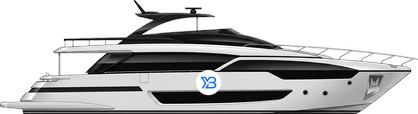
Configure Your Own
Riva 96' Argo Super Yacht
- Choose color, fabric & specification
- Select your layout
- Warranty & Dealer Support
- Fewer maintenance costs

Used Riva 90' Argo Yachts for sale
View a wide selection of pre-owned Riva 90' Argo Yacht for sale in your area, explore detailed information & find the perfect Riva 90' Argo Yacht for you.
6 Pre-Owned Riva 90' Argo Yachts for sale

Riva
2024 4*****28m | 90' Argo
2 x MTU 2,000hp
Features: Stabilisers, Bow Thruster

Riva
2021 M*****28m | 90' Argo
2 x MTU 2,435hp
Features: Stabilisers, Swim Platform, Aircon

Riva
2021 N*****28m | 90' Argo
2 x MTU 1,948hp
Features: Swim Platform, Aircon, Bow Thruster
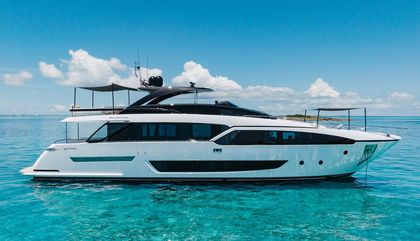


Riva
2020 KIYOMIZU27m | 90' Argo
2 x MTU 2,435hp


Riva
2019 BEYOND BEYOND27m | 90' Argo
2 x MTU 2,435hp
Features: Stabilisers, Swim Platform
Newport, Rhode Island, United States
1 Not for sale to US residents while in US waters
2 Approx Price Conversion
Pictures shown are for illustration purposes only. Actual Yacht may vary due to client options.
LIVE: Used Riva 90' Argo Yacht Prices
Find out how much a pre-owned Riva 90' Argo may cost based upon the asking price of all yachts currently for sale globally according to YachtBuyer Market Watch & our sales listings.
Market Price Insight
YachtBuyer’s Market Watch reports that there are currently six pre-owned 90' Argo yachts for sale globally, built between 2019 and 2024. These yachts are listed at prices ranging from €6 million to €8.4 million, with an average asking price of €6.8 million. With an average age of five years, these vessels continue to hold their value thanks to their combination of luxury, performance, and timeless design. However, the launch of the Riva 96' Argo Super in 2026 impacted the pricing of the Riva 90' Argo, as the newer model introduced updated features, cutting-edge technology, and a more contemporary design that shifted buyer demand. This has contributed to a more competitive pricing range for the 90' Argo models, highlighting how new Yacht launches influence the market for earlier generations.
Riva 90' Argo Price
2019 - 2026
- Average Price €6.8m
- Price Range €6m - €8.4m
- Average Age 5 years
Recent Sales
-
Model YearLast Asking PriceSold Date
-
2024€6.9mJan-2026
-
2024POADec-2025
-
2019€6.4mDec-2025
Members Only Register - it's free
Average asking price according to YachtBuyer data (6 yachts available). Prices may vary depending on specification, condition and extras.
Historic Price Comparison
With 18 of the 35 Riva 90' Argo yachts built listed for sale over the past three years, as tracked by YachtBuyer’s Market Watch data, it demonstrates steady activity in its segment. These yachts spend an average of only 338 days on the market, reflecting a fast turnover rate for flybridge yachts in this size segment. Over the same period, the marketed price tends to see a moderate average price reduction of 4.4% from the initial asking price, which demonstrates its ability to hold its value and shows continued interest from the market. This falls within the common range for flybridge yachts of its size, reflecting a typical market performance. These yachts have been for sale around the east coast of the United States, and also the central and east Mediterranean.
Riva 90' Argo Yacht Price Trends & Sales Graphs (3-Year Data)
90' Argo Model Overview & Timeline
The first 90' Argo was announced to the press in 2017 and Riva started development in 2019 and the first model rolled off the production line later the same year. She was unveiled to the general public at the 2019 Miami Yacht Show where she made her World Debut and made her European Debut at the Venice Boat Show in 2019.
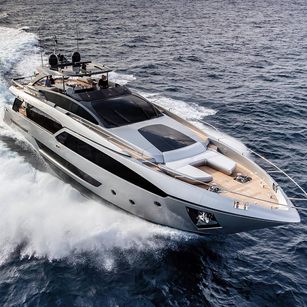
- Status
- Year
- Length
- Discontinued
- 2019 - 2026
- 28.49m (LOA)
- Beam
- Draft
- Speed
- 6.5m
- 2.15m full load
- 30 Knots
Riva 90' Argo Awards

Riva 90' Argo Reviews
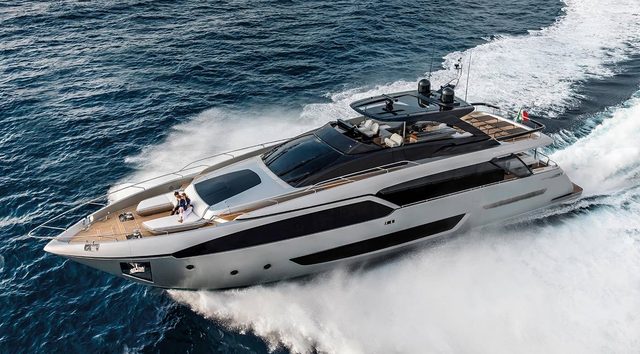
- Breathtaking salon
- Excellent guest accommodation
- Superbly appointed decks
- Peerless level of build and finish
The Riva 90 Argo is a superb flybridge yacht, one that will deliver for its owner for decades rather than years.
More Reviews & Walk-Through Tours
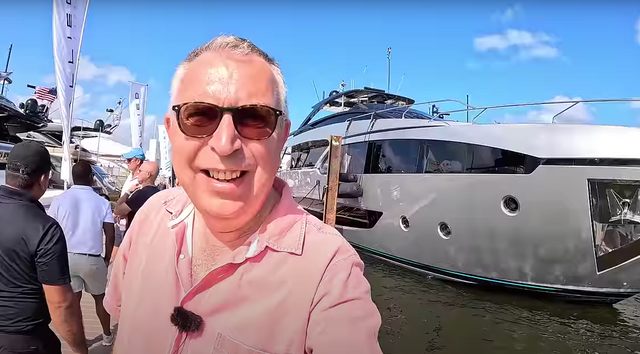
Riva 90' Argo Review (2023 Edition)

by Aquaholic
Rivals & Head-to-Head
Riva 90' Argo Rivals
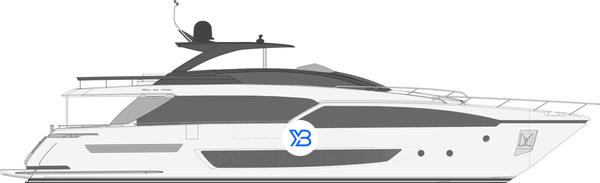
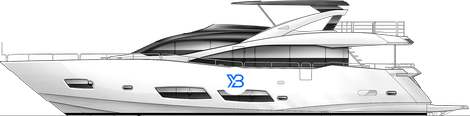
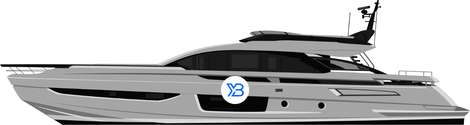
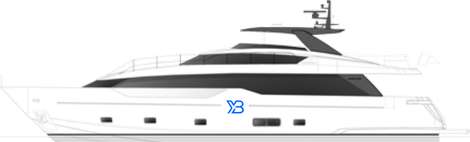
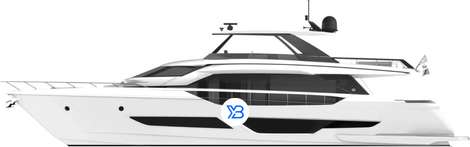
We've hand-picked a series of similar and direct rival yachts help you identify the strengths of the 90' Argo among its peers. These rivals include the Spanish Astondoa 100 Century and the Italian Maiora 30 Walkaround.
Head to Head
Visually compare everything from performance to layout for these closely matched models from competing builders.
Riva 90' Argo News
Browse our collection of articles and commentary on the Riva 90' Argo from Riva.
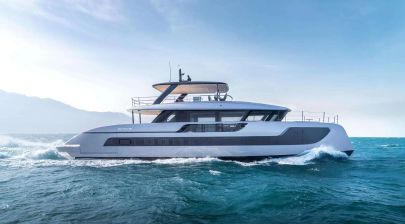
Sunreef Ultima 88 Catamaran to Make World Debut at Cannes Yachting Festival 2026
The Sunreef Ultima 88 will make its world debut at Cannes 2026, bringing hybrid techn...
11th August 2026
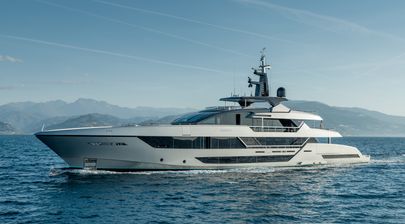
VIDEO: First Look Inside Riva's 54Metri Flagship Superyacht Sairu
Riva has revealed Sairu’s interior, revealing the first look inside the 54.83m flagsh...
30th June 2026
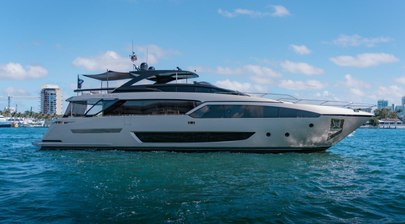
$100K Price Drop on 28m Riva 90' Argo Motor Yacht Beyond Beyond
28m Riva 90' Argo yacht Beyond Beyond sees $100K price drop, presenting a well-mainta...
6th April 2026
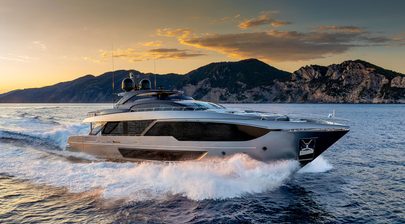
World Debut of Riva 112’ Dolcevita Super Headlines Ferretti Group Fleet at Monaco Yac...
The Riva 112’ Dolcevita Super made her world premiere at the Monaco Yacht Show 2025, ...
26th September 2025
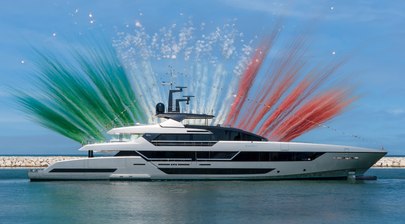
Watch the First Riva 54Metri Superyacht Sairu Launch: Riva's Largest Superyacht Yet
Riva has launched its largest yacht to date, the 54-meter all-aluminum 54METRI, marki...
8th August 2025
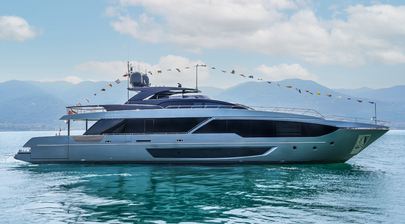
First Riva 112’ Dolcevita Super Yacht Launched with Expanded Beach Club
Riva has launched the first 112’ Dolcevita Super, a refined evolution of its popular ...
21st July 2025

€335K Price Reduction on 28m Riva 90' Argo Motor Yacht T57
The 28.49m Riva motor yacht T57 has received a €335,000 price reduction, bringing add...
15th May 2025
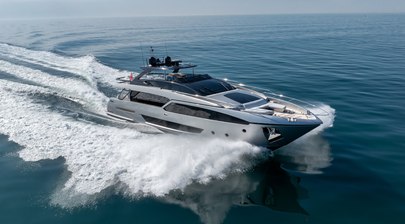
28m Riva 90' Argo motor yacht T57 listed for sale
The 28m motor yacht T57, a professionally maintained Riva Argo 90 vessel with stylish...
29th April 2025
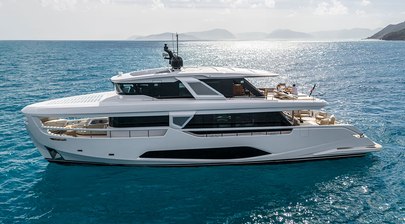
Ferretti Yachts INFYNITO 90 and Ferretti 670 to Make U.S. Premiere at FLIBS 2024
Both the INFYNITO 90 and 670 will be presented to the American market for the first t...
25th October 2024
29th February 2024
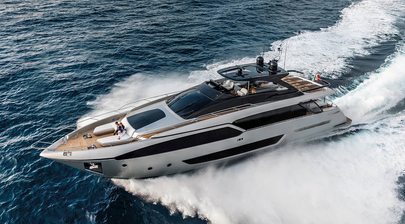
Riva 90’ Argo ‘Just Perfect’ flybridge yacht sold
The 28.5m (93.5ft) Riva motor yacht ‘Just Perfect’ has found a new Owner following an...
26th October 2020
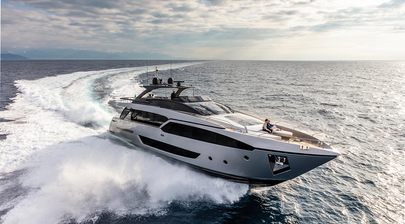
Riva release images for smallest fly model Argo 90
Ferretti Group brand Riva has released new images for its new 28m Argo 90 superyacht....
7th November 2019
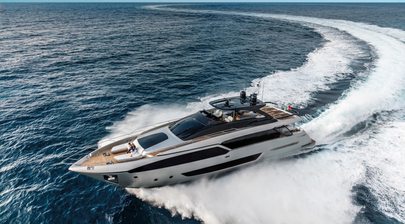
Ferretti exclusively debut Riva 90 Argo
During an exclusive event at the Zuma Japanese restaurant in Miami, the Ferretti Grou...
12th March 2019
Riva 90' Argo FAQ
A selection of frequently asked questions from buyers
-
The 90' Argo measures 28.49m.
-
The 90' Argo has a top speed of 30 knots.
-
The 90' Argo was launched in 2018 and is still in production.
-
Current prices show that a 4-year-old 90' Argo is available from €7,390,000.
-
Depending on your layout choice, the 90' Argo can support up to eight guests in four cabins.
-
The 90' Argo is a Flybridge
-
To start the process of buying your own Riva 90' Argo, please get in touch with us or contact a buyer’s broker.
We're committed to making yacht buying easier, so if you can't find what you're looking for just ask.