
From underestimating ownership costs to skipping a marine survey or choosing the wrong type of boat, many expensive buying mistakes are entirely avoidable. This guide explains the ten most common pitfalls, helping first-time and experienced buyers make informed decisions before signing on the dotted line.
- 1. Are you spending your entire budget on the purchase price?
- 2. Have you underestimated the true cost of ownership?
- 3. Are you buying the wrong size of boat?
- 4. Is this the right type of boat for how you will use it?
- 5. Are you skipping a professional marine survey?
- 6. Have you checked the paperwork, title and service history?
- 7. Do you have a berth lined up before you buy?
- 8. Are you specifying the boat only for yourself at the expense of resale?
- 9. Are you skipping the sea trial and a proper handover?
- 10. Are you handling contracts without professional advice?
- Summary
- FAQ
1. Are you spending your entire budget on the purchase price?
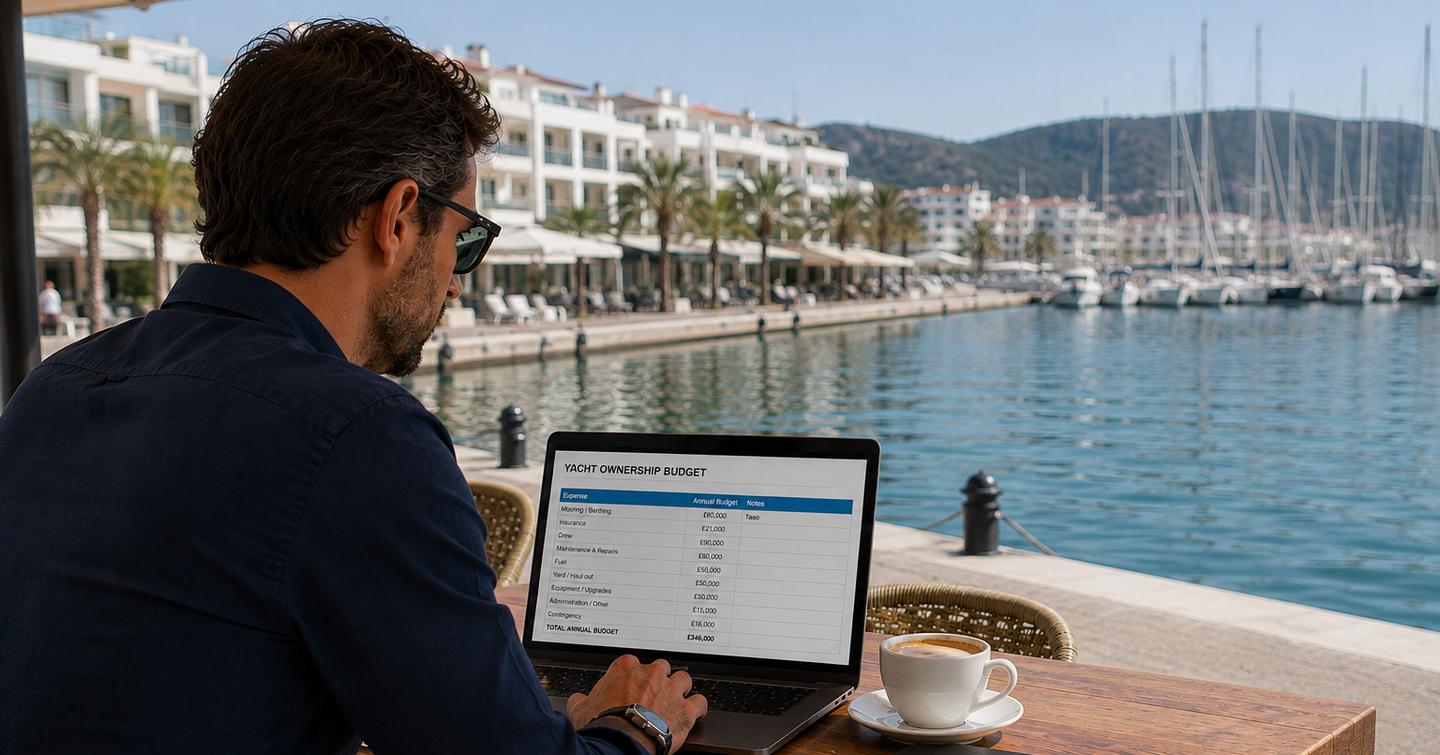
The figure on the listing is not what the boat will cost you. A widely used rule of thumb is to allow 10–20% of the boat’s value each year for insurance, fuel, maintenance, storage, and repairs.
If the full budget goes into the buy, the first haul-out, premium renewal, or unexpected yard bill turns ownership into stress. Before you fall for a particular boat, build a full-cost picture: purchase price, financing, survey and legal fees, delivery or transport, initial kit, and a contingency of around 20% for the surprises that almost always appear in the first season.
Related guides:
2. Have you underestimated the true cost of ownership?
Beyond the purchase, list every recurring line: berth or mooring fees, insurance, servicing, fuel, registration, safety equipment, and the “small” extras that add up (toys, linens, electronics, tender fuel, cleaning). Marina choice affects insurance. Moorings and permanent anchorages are often dearer to insure than a proper berth.
Be honest about use. A planing yacht run hard every weekend burns a different fuel budget from a displacement cruiser that potters between harbours. Crew, if you need it, changes the maths again. A boat that looks affordable on paper can become expensive the moment it leaves the sales pontoon.
Write the annual number down. If it only works on best-case assumptions, it does not work.
Related guides:
3. Are you buying the wrong size of boat?
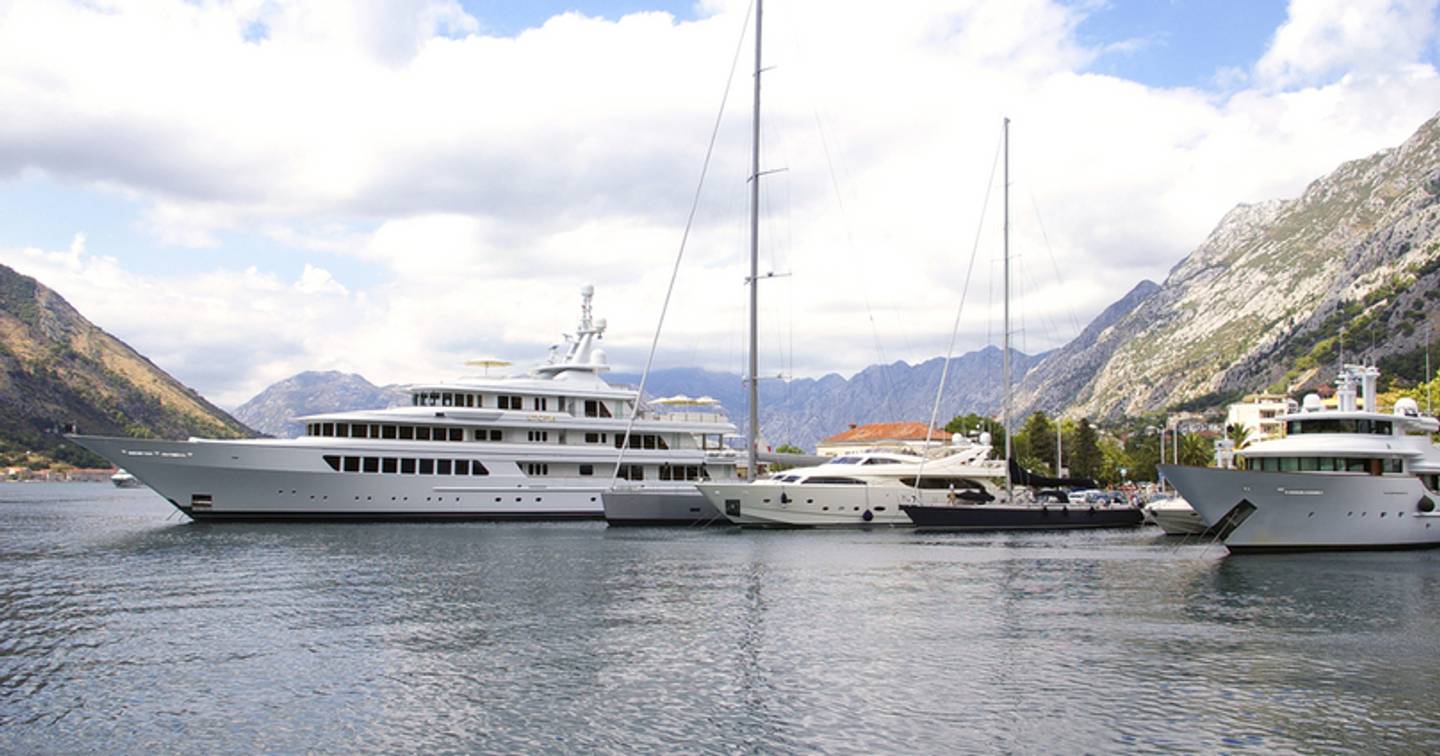
Size mistakes cut both ways. Too small and you outgrow the boat quickly, paying brokerage, survey, and changeover costs twice. Too big and the boat becomes harder to handle, more expensive to berth, and easier to leave sitting unused.
Ignore the fantasy weekend with twelve friends. Base the decision on the crew you usually have, the guests you actually host, and how often you will cast off in a normal month. Wider beams, higher superstructures, and deeper drafts also limit where you can berth and dry out, which feeds straight back into cost and convenience.
If you are between sizes, charter both before you buy. A week aboard tells you more than another evening on listing photos.
Related guides:
4. Is this the right type of boat for how you will use it?
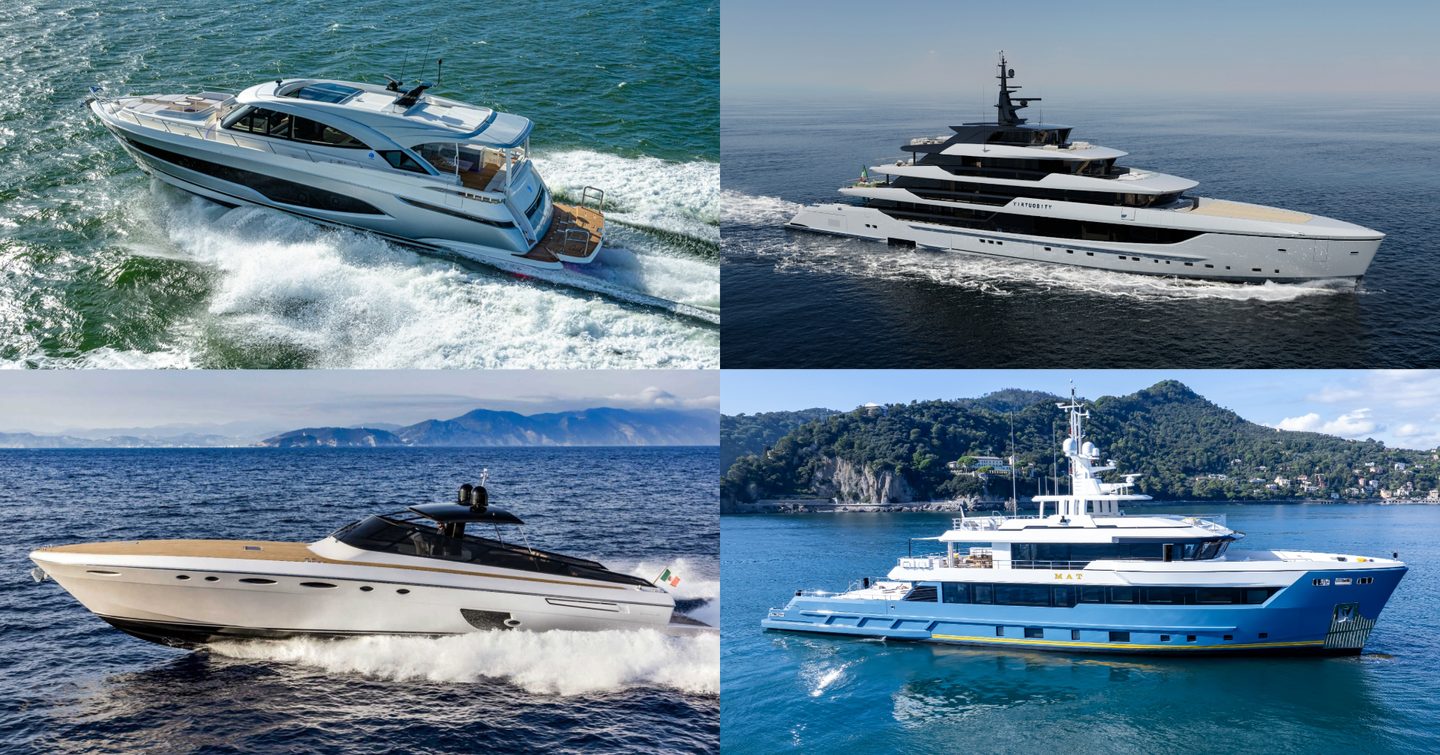
Hull type, range, layout, and performance have to match real use. A sleek sports yacht is a poor substitute for a long-range cruiser if your dream is coastal exploring. A heavy trawler frustrates if you want weekend watersports and short hops at speed.
Think through where you will boat, in what conditions, with how many people, and overnight or day only. Then match accommodation, deck flow, storage, and systems to that picture. Charter or sea-trial similar boats if you are unsure. A season in the wrong type costs far more than a few charter weeks in the right one.
Related guide:
5. Are you skipping a professional marine survey?
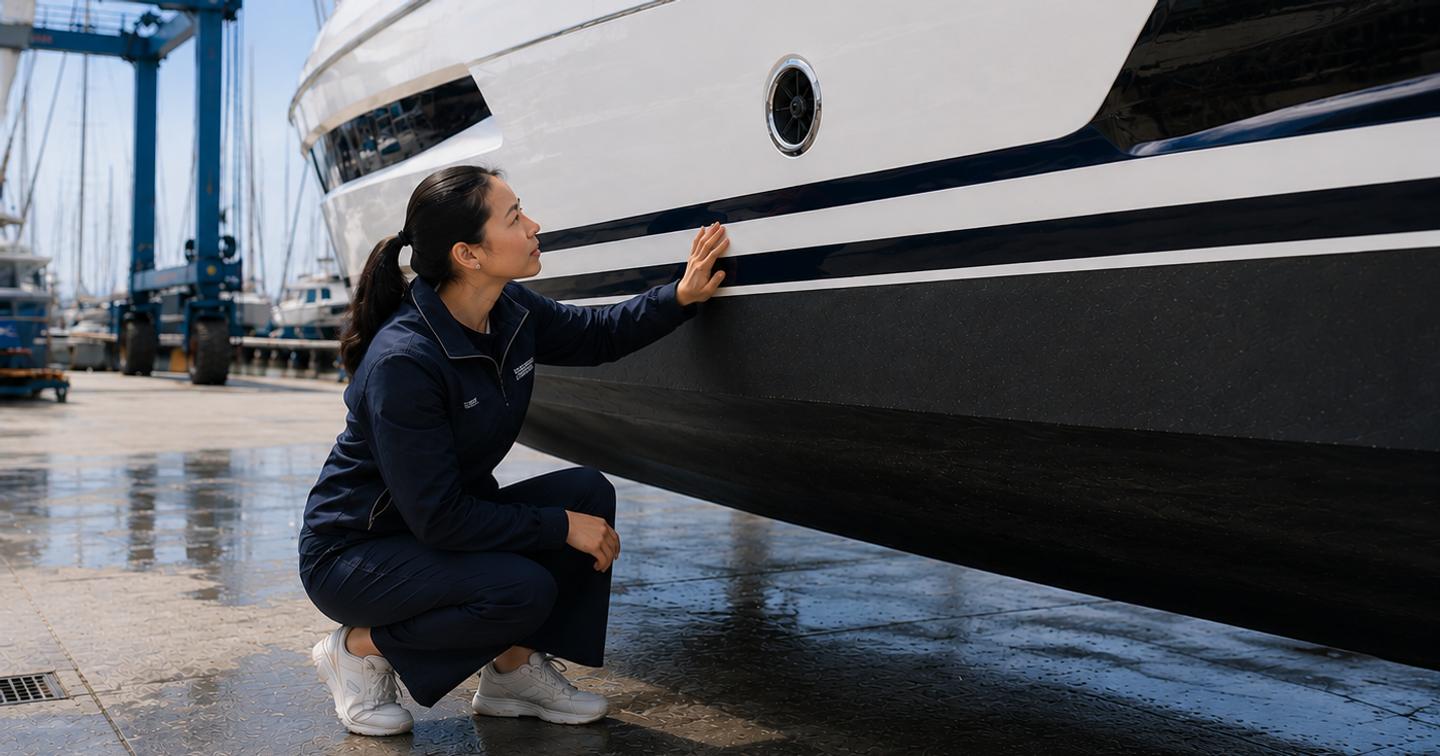
“Nearly new” and “always maintained” are not surveys. A pre-purchase survey is your main protection against hidden hull, structural, electrical, and systems problems. Most offers should be subject to survey, with the deposit refundable if the findings are unacceptable.
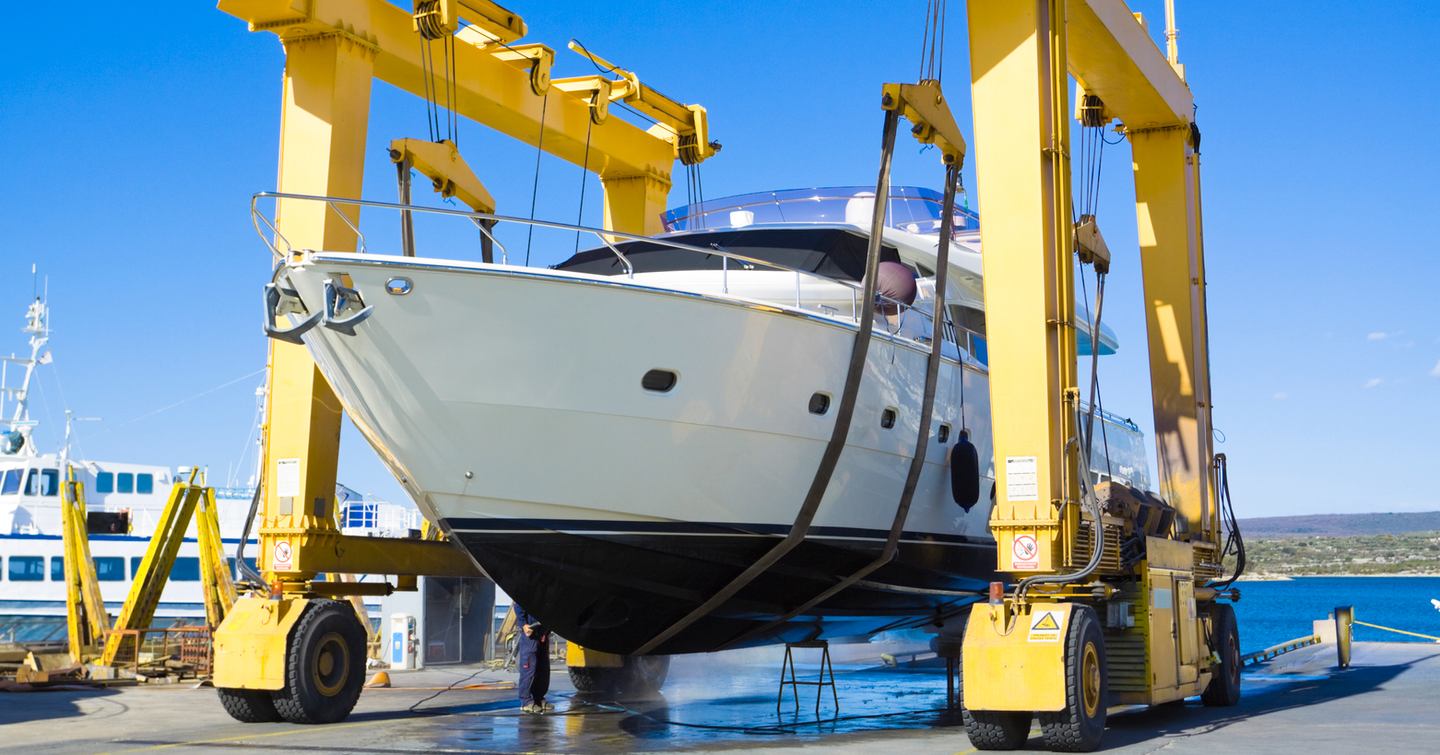
Have the boat lifted so the hull, fittings, props, and underwater gear can be inspected properly. Survey cost is often in the order of $15–25 per foot, which is small against blister repairs, engine trouble, or electrical defects found after you own the boat. Insurers and lenders frequently require an out-of-water survey anyway.
Commission a separate engine and oil analysis where machinery is a big part of the value. Many hull-focused surveys do not cover engines in depth. Read the report with your surveyor, price the remedial work, and renegotiate or walk away. The expensive mistake is treating the survey as a formality rather than a decision tool.
Related guides:
6. Have you checked the paperwork, title and service history?
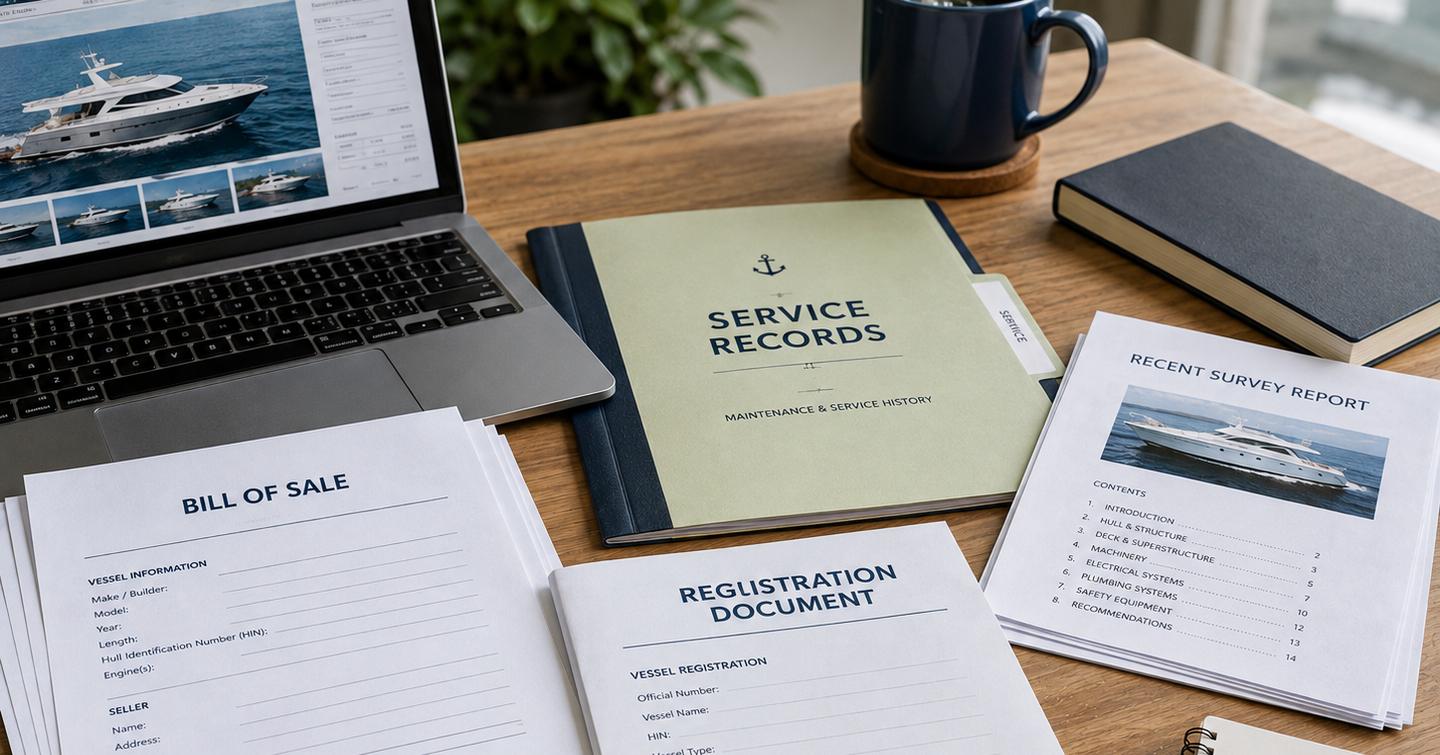
No clear title, incomplete bills of sale, outstanding finance, or missing engine and service records is a serious red flag, however shiny the gelcoat. You want proof of ownership, a proper bill of sale listing all parties, registration documents, and a service trail that supports the asking price.
No documentation, no deal. Gaps in the file often mean gaps in maintenance, unresolved damage, or ownership disputes that become your problem after completion.
Confirm the inventory in writing: what gear stays, what goes, and what must be transferred or re-registered in your name.
Photos of a full inventory are not a substitute for a signed list tied to the contract.
7. Do you have a berth lined up before you buy?
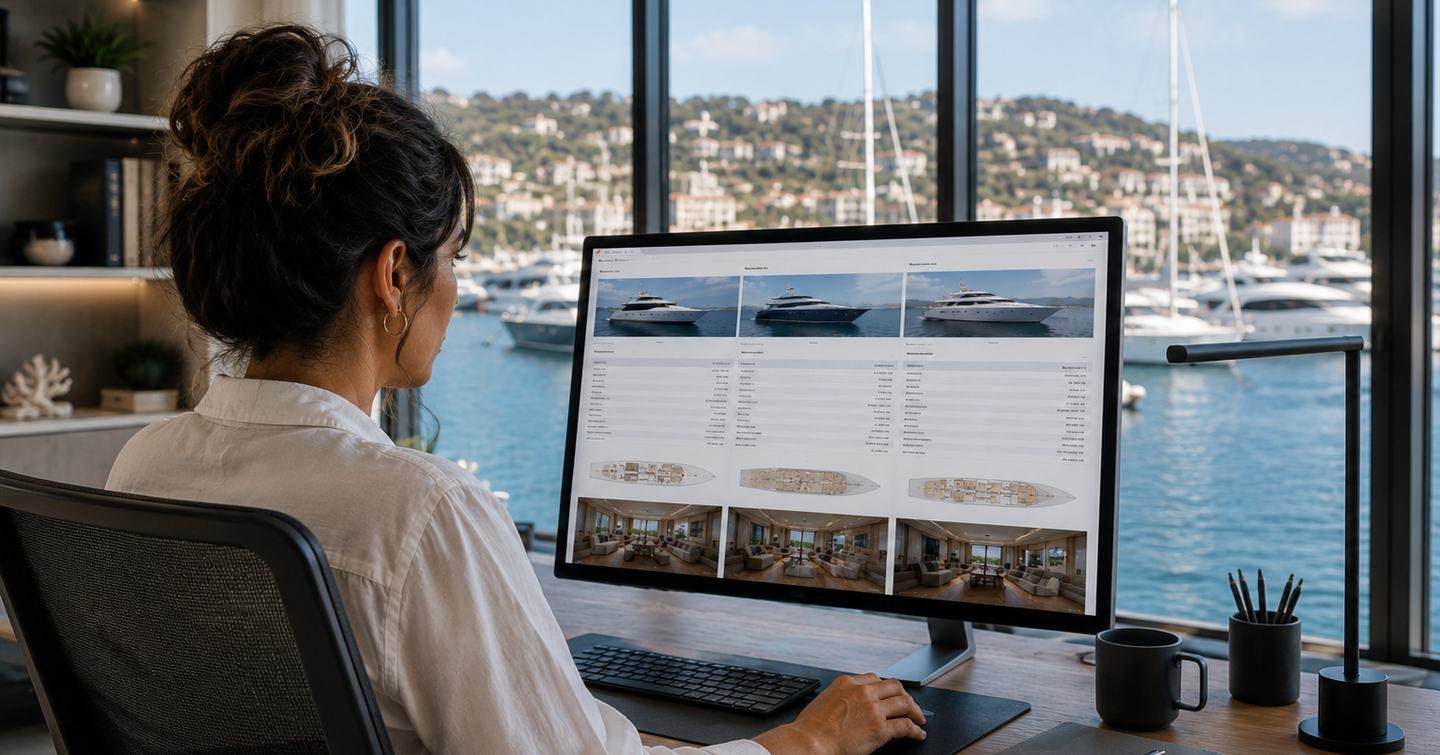
A boat without a sensible place to keep it often sits unused, especially if the only option is hours from home. Ideally, secure a berth with the purchase, or confirm marina availability, waitlists, transfer fees, and lease terms before you commit. Where you keep the boat also affects insurance cost and how often you will use it.
Check access draft, beam limits, air draft, shore power, and winter arrangements. A “cheap” boat that only fits an expensive or impractical berth is not cheap. If your home marina has no space, price the real alternative (another club, a trailer, dry stack, or a longer commute) before you sign.
Related guides:

8. Are you specifying the boat only for yourself at the expense of resale?
Highly personal layouts, unusual colours, missing kit buyers expect at the size (such as stabilisers on larger yachts), or undersized engines can make the next sale slow and painful. You will enjoy the boat more if it feels like yours, but every major option should pass a simple test: will a typical buyer in three to seven years pay for this, or discount it?
Timeless brands, sensible engine packages, complete service files, and practical, well-documented examples tend to hold value better than fashion-led one-offs. Keep the bold choices for soft furnishings and toys you can change. On structure, power, and layout, favour what the wider market already understands.
9. Are you skipping the sea trial and a proper handover?
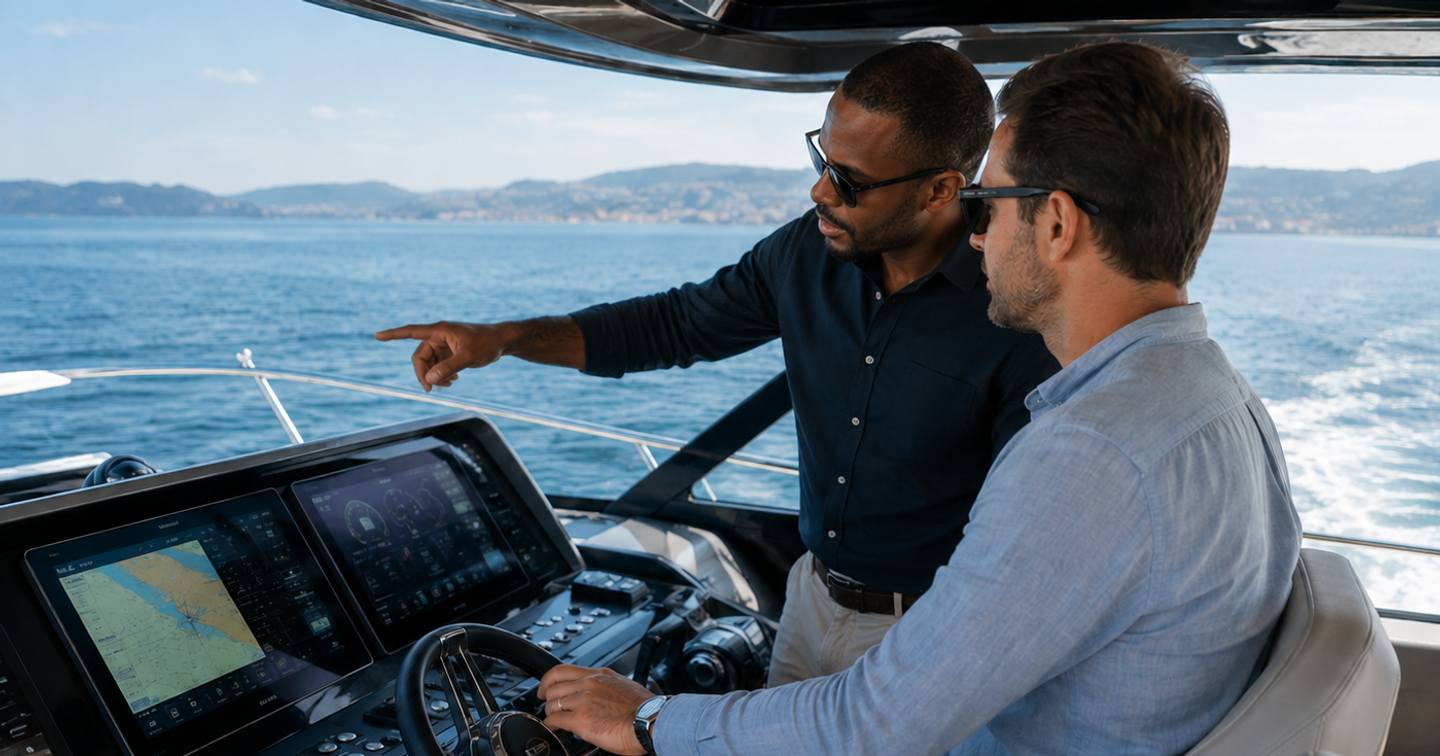
Never buy on a walkthrough alone if you can trial the boat under power. A sea trial is where you check starting behaviour, temperature and pressure, steering, vibration, noise, electronics, thrusters, and how the boat feels in a turn and at cruise. Take a list. Run the systems you will actually use, not only the glamorous ones.
On new boats, insist on a proper handover so you understand the systems before the dealer walks away. On used boats, expect less theatre, but still demand clarity on operation, known quirks, and where key seacocks, breaks, and bilge pumps are.
If the seller resists a fair trial or limits it to a dockside start-up, treat that as information. The expensive mistake is discovering handling or machinery issues only after funds have cleared.
Related guide:
10. Are you handling contracts without professional advice?
A yacht can cost as much as a house, and the paperwork deserves similar care. Use appropriate legal review on contracts, deposits, and stage payments, especially on new builds, and understand exactly when money is refundable. Know who you are contracting with. Dealer stock and private brokerage are different risk profiles, with different protections if something goes wrong.
On larger or more complex buys, surveyor oversight during build or refit, clear milestones, and written variation control are cheap insurance against expensive disputes. Do not rely on handshake variations or brochure language. If it matters, it belongs in the contract.
A short conversation with a marine-savvy lawyer before you sign is almost always cheaper than untangling a bad clause after you have paid.
Related guides:

Summary
|
Mistake |
What to do instead |
| Maxing the budget on price | Leave 10–20% a year for running costs, plus contingency |
| Vague ownership costs | Price berth, insurance, service, fuel, and kit up front |
| Wrong size or type |
Be honest about use; charter or trial first |
| No survey or weak sea trial | Out-of-water survey, engine check, subject-to-survey offer |
| Thin paperwork | Title, bill of sale, service history, full inventory |
| No berth | Confirm mooring, limits, and fees before you commit |
| Over-personal spec | Spec for enjoyment and resale |
| DIY contracts on big tickets | Legal review, clear deposits, know your counterparty |
Slow down, get advice, and stay realistic. Most purchases go well when buyers treat the process with the same care they would a property deal. The aim is not to drain the fun out of buying. It is to make sure the fun still is there a year later, when the bills and the berth and the real weekends aboard have all shown up.
Avoiding expensive mistakes is easier when you can see the market clearly. YachtBuyer Intelligence and MarketWatch are built for that: verified listings, live market coverage, and data-led context on fleet, pricing, and availability, without the noise of duplicate or fake ads.
Before you stretch the budget or fall for a single listing, use MarketWatch to compare similar boats, sense-check asking prices, and see what is actually for sale in your size and sector. Pair that with the discipline in this article (survey, paperwork, berth, use case, and contract care), and you give yourself a cleaner path from first viewing to a boat you will still be glad you bought a year later.
FAQ
How much should I budget beyond the purchase price?
Plan for 10–20% of the boat’s value each year for insurance, berthing, fuel, maintenance, and repairs, plus a contingency of around 20% for surveys, legal fees, and first-season surprises. If the deal only works when those lines are ignored, the budget is too tight.
Is a survey really necessary on a nearly new boat?
Yes. Age does not replace inspection. A pre-purchase survey (ideally out of the water) and, where relevant, a separate engine analysis protect you from hidden hull, systems, and machinery issues. Make the offer subject to survey so you can renegotiate or walk away if the findings are poor.
Should I secure a berth before I buy?
Wherever possible, yes. A boat without a practical home often gets used less and costs more. Confirm availability, beam and draft limits, transfer fees, shore power, and insurance implications before you commit.
What paperwork should I refuse to proceed without?
Clear title, a proper bill of sale, registration documents, proof that finance has been cleared, and a service history that supports the asking price. Add a written inventory of what stays with the boat. No documentation, no deal.
How do I avoid buying the wrong type or size of boat?
Be honest about crew, guests, waters, and how often you will actually go out. Charter or sea-trial comparable boats before you buy. Upsizing or switching type after one season is one of the fastest ways to lose money.
When do I need legal advice?
Treat higher-value buys like a property transaction. Use marine-savvy legal review on contracts, deposits, stage payments, and refund triggers, especially on new builds and complex brokerage deals. Know whether you are contracting with a dealer or a private seller.
Can market data help me avoid overpaying?
Yes. Asking price alone does not tell you if a boat is fairly pitched. Comparable listings, time on market, and recent price movement give you a clearer benchmark before you offer, specify options, or accept a “rare opportunity” narrative at face value.
Looking to own a yacht? View all new and used superyachts for sale, tracked in real time by YachtBuyer MarketWatch. We scan the entire market to ensure access to all genuine listings, helping you save time. Alternatively, explore all other yachts for sale.
