Issued by HM Revenue & Customs (HMRC), the guidance is intended to remove uncertainty surrounding the supply of diesel to large yachts and provides fuel suppliers, captains and yacht managers with a clearer framework for determining when rebated fuel can legally be supplied.
New Guidance Clarifies Existing Rules
Rather than introducing new legislation, the publication explains how existing fuel duty regulations should be interpreted for superyachts operating in UK waters.

The central clarification concerns the definition of a private pleasure craft (PPC). Under HMRC's interpretation, a yacht used for the recreation or leisure of its owner, charterer or their guests will generally fall within this category, even if the vessel is commercially registered or operated under a charter business.
As a result, propulsion fuel supplied to most superyachts in the UK will be subject to the full rate of fuel duty normally associated with white diesel. Reduced-duty fuel may still be supplied for eligible non-propulsion uses, including electricity generation through onboard generators, where the regulations allow.
What It Means for Fuel Suppliers
The updated guidance places greater emphasis on the responsibilities of fuel suppliers when determining which duty rate should apply. Suppliers are expected to obtain declarations from customers confirming the intended use of the fuel before applying any rebated rate. Where commercial eligibility is claimed, suppliers may request supporting evidence demonstrating that the fuel qualifies under the regulations.
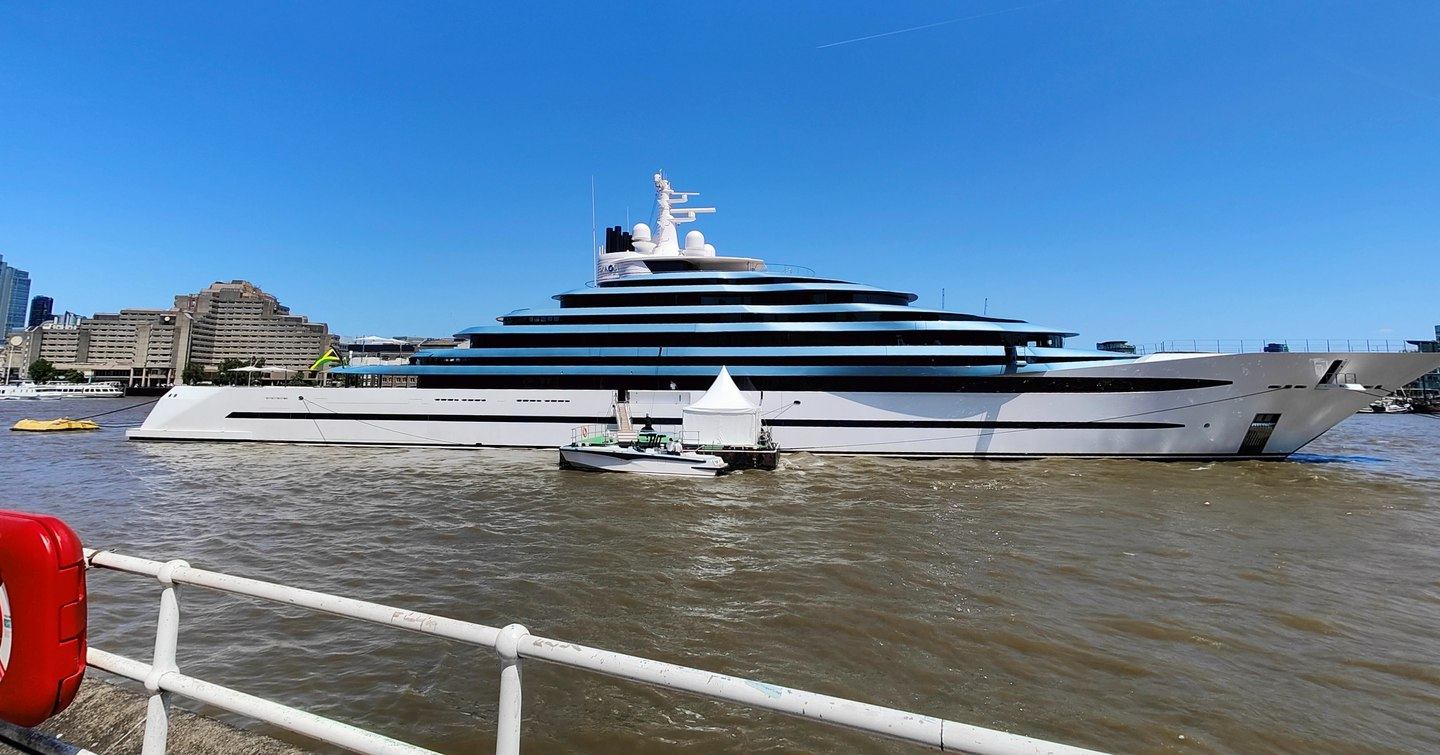
For motor yacht managers and captains, maintaining clear operational records may therefore become increasingly important when arranging bunkering in UK ports.
While many suppliers have already adopted similar procedures, HMRC's guidance provides a consistent reference point intended to standardise how fuel duty rules are applied across the industry.
Charter Status Alone Does Not Change Fuel Duty
HMRC's guidance confirms that commercial registration or charter activity alone does not qualify a superyacht for rebated propulsion fuel. Instead, classification depends on how the yacht is being used, with vessels operated for the leisure of owners, charterers or their guests generally treated as private pleasure craft.
The guidance also makes clear that repositioning voyages, waiting between charters and maintenance trips do not change that classification if they ultimately support private leisure use. For operators and fuel suppliers, the clarification provides a more consistent basis for applying fuel duty rules in UK waters.
Limited Impact Beyond UK Waters
Although the guidance is unlikely to change the day-to-day operation of many superyachts, it establishes a clearer interpretation of fuel duty rules that have prompted differing views across the industry in recent years.

Many large yachts operating in Northern Europe only spend limited periods in UK waters before continuing to destinations across the Mediterranean, Scandinavia or Northern Europe. Nevertheless, the guidance provides greater certainty for vessels beginning or ending charters in the UK, visiting British marinas or shipyards, or undertaking refit work at UK facilities.
For owners and operators of expedition yachts and long-range cruising vessels that regularly return to Britain, the clarification offers a more predictable basis for calculating operating costs associated with UK fuel purchases.
As operating costs remain under close scrutiny across the superyacht sector, the publication provides a more consistent framework for fuel purchases in UK waters while reducing uncertainty surrounding one of the industry's more complex regulatory areas.
Looking to own your dream yacht? View all new and used superyachts for sale, tracked in real time by YachtBuyer MarketWatch. We scan the entire market to ensure access to all genuine listings, saving you time. Alternatively, you can view all other yachts for sale.