
-
GenYEARS2018 - 2025BUILT31
Riva 110' Dolcevita Yachts For Sale
Find all Riva 110' Dolcevita yachts for sale below using YachtBuyer's MarketWatch technology, with every real, verified used 110' Dolcevita listing in one place. No fake or duplicate listings - just accurate market prices, full specifications, and historical asking prices from the past few years to help you understand true 110' Dolcevita value and choose the right yacht.
The Riva 110 Dolcevita for sale represents the highest form of flybridge design wrapped up in a sharp, smart and highly capable superyacht.
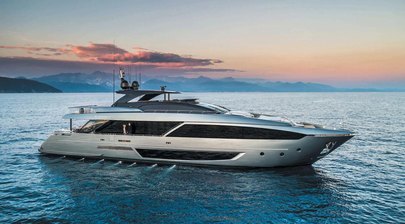
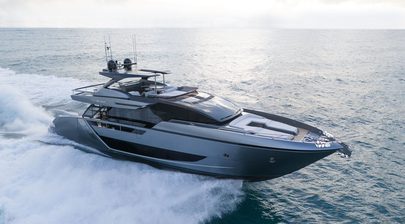
Designed for serious cruising with a crew of up to five, the 110' Dolcevita feature five cabins including a main deck Owner’s stateroom and a bright spacious salon wrapped in stainless steel glass and rich woods. Deck areas are class-leading with a superb flybridge and massive foredeck lounge. Power comes from twin MTU 2400hp engines with speeds of around 26 knots possible, cruising anywhere between 10-22 knots.
Riva 110' Dolcevita Buyer's Guide
With a sleek profile any sports yacht would be proud of, allied to a true superyacht interior, the 110' Dolcevita is one of the finest examples of modern flybridge design you will find, will look good for years to come and, if history is correct, should enjoy a healthy resale value. So read on for a full buyer's guide and see what you could get.
- Why Buy a Riva 110' Dolcevita?
- Who Buys a Riva 110' Dolcevita?
- Design & Layout
- Performance & Engines
- Riva 110' Dolcevita Ownership & Running Costs
- Crewing & Operating a Riva 110' Dolcevita
- Insuring & Registering your Riva 110' Dolcevita
- Riva 110' Dolcevita Yachts for Sale: Market Prices
- Rivals & the Successor to the Riva 110' Dolcevita
- Working with a Buyer's Broker
- Buy Smarter with YachtBuyer
Why Buy a Riva 110' Dolcevita?
The Riva 110' Dolcevita holds value for owners who want pace, pedigree, and polish in a 33.5-metre yacht that avoids the sprawl and cost of bigger custom builds. Its deep-V hull runs at 26 knots, its profile still draws attention seven years on, and upkeep has proved predictable. Few rivals in this length combine superyacht systems with this level of style, resale strength, and midlife refit clarity.
Strength in the Structure
- Hull is a solid GRP deep-V with bonded deck join and stainless framing around the saloon glass
- Built to RINA C ✠ HULL ● MACH Y for unrestricted navigation, with full watertight bulkheads and fire-rated zones
- Carbon-fibre hardtop, steel-reinforced saloon glazing, and hull stringers designed for long-term rigidity under speed
- No reports of delamination, blistering, or distortion across over two dozen delivered hulls
Engineering That Ages Well
- MTU 16V 2000 M96L engines widely supported with parts and diagnostics across all major cruising hubs
- Ferretti Group offers extended service plans, retrofit kits, and continuity of technical documentation
- Stabiliser fins are standard, with early hulls often upgraded with Seakeeper gyros for comfort at anchor
- Electrical and chilled water systems sized for tropical use, with spare load capacity and modular repair logic
Cosmetic Life Cycle Is Predictable
- Metallic hull paint needs touch-ups by year four and full respray by year 7 if exposed, but fairing quality helps delay visible wear
- Interior soft goods usually replaced after five seasons, with cabinetry and finishes holding gloss and grain if cared for
- Tech refreshes often focused on AV/IT and satellite comms: core nav and power systems rarely need upgrades
Why Buy a Used Riva 110' Dolcevita?
Most used Riva 110' Dolcevitas for sale come from known owners with crewed upkeep and under 1,000 hours. Extended MTU warranties, dual-stabiliser setups, and upgraded AV or internet systems are common on pre-owned examples. Buyers avoid the wait and fit-out risk of a new build while getting a proven hull with low ownership cost surprises. The design hasn’t dated, support stays strong, and build quality shows well at survey. In a crowded brokerage field, it’s one of few planing 33m (108ft) yachts that still draws new interest without a deep price cut.
Who Buys a Riva 110' Dolcevita?
Buyers tend to fall into three groups. Each is drawn to the 110' Dolcevita not just for how it looks but for how it moves, how it holds up, and what it says without needing to say much at all. Some have come from within the Riva family, others from planing yachts of a similar size, and a few from bigger builds who now want less bulk and more use.
- Step-up owners: They’ve run a Riva 88 or a Ferretti 960 and want more room without the jump to full custom. The on-deck master and fast hull let them travel further with family while keeping the handling and crew scale they know.
- Style-led owners: They value form as much as function. These buyers choose Riva over rivals for the rosewood, the stainless, the lines. Some bring in a decorator or specify rare finishes, but most leave the bones untouched.
- Short-horizon buyers: Some want the look and feel now, not in 24 months. They buy nearly new hulls with full spec, run them hard for two or three seasons, then move on. Good resale and fast delivery make this work.
Where the Riva 110 Dolcevita Spends Its Time
- South of France and Sardinia: Large enough to anchor out with comfort, fast enough to reach lunch spots or bays in under two hours
- Bahamas and Exumas: The 2m (6ft 6in) draft slips into shallows many rivals avoid, and its speed trims long hops
- Florida and the Keys: Good dealer links, yard support, and charter demand keep U.S. hulls based around Miami or West Palm
- East Med hubs: Greece and Turkey offer deep water, anchor rights, and season-long base use for crewed family trips
Design & Layout
Main and Lower Deck Choices
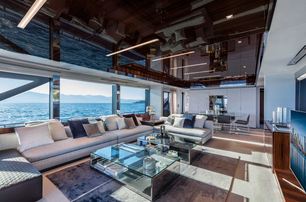
The Riva 110' Dolcevita holds to a fixed five-cabin format with the full-beam owner’s suite forward on the main deck and four guest cabins below. Each guest cabin has its own head finished in white marble, and the layout offers no filler berths or convertible media rooms - every cabin feels planned, not patched in. Below, the two aft VIPs mirror the owner’s use of cabinetry, while the twins forward keep the same finish level. The owner’s suite places the berth aft-facing, with a desk and dressing area to port, leaving the starboard side clear for a lounge and full-height windows. That window line runs the full cabin length but stays shallow in depth, a stylistic choice that keeps the exterior clean.
Galley layout varies by delivery market. European hulls usually have a closed galley forward, linked to crew areas and service decks without cutting across guest zones. Some U.S.-bound yachts swapped this for a country kitchen, with breakfast seating and a more open link to the main deck. The saloon also adapts slightly to use: some owners chose tighter lounge groupings aft with formal dining amidships, while others reversed the layout. But the bones (stainless framing, overhead cabinetry, and sliding doors) remain fixed.
- Closed galley: Keeps crew flow smooth, suits formal use, and shields the forward guest route
- Country kitchen: Adds informal seating, trades privacy for sociability, common on U.S. hulls
- Guest layout: Always five cabins, always ensuite, no layout drift across the fleet
Flow, Storage, and Deck Use
Traffic flow balances crew and guest needs well, though the wide-body saloon removes the port walkaround and forces crew routing inside for forward service. The galley has its own crew stair down to the mess and cabins forward. From the crew side, mess, laundry, and stores are compact but placed for tight workflows. The captain’s cabin isn’t in the bridge but in the bow with crew, a conscious choice that opens up the pilothouse as a full command space.
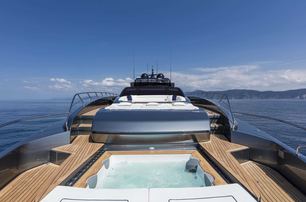
Storage is generous. The dining bulkhead hides deep lockers, and the garage takes a Williams 285 or PWC. Owners can choose a bow crane if needed. The foredeck builds in three levels of lounge and a sunken Jacuzzi, rare at this length. Teak lockers run along the flybridge, and liferaft pods tuck into the aft deck coamings. There’s no aft-facing cockpit lounge (the garage takes that space) but most owners chose to use the beach platform for sunbeds or modular furniture instead.
Signature Fit and Features
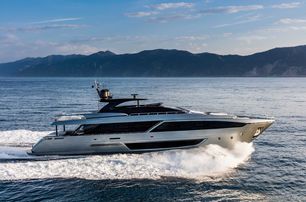
The flybridge is one of the largest in class: over 56m² (603ft²), with a forward bar, centreline dining, and free space aft for sunbeds or Riva’s own modular pieces. The carbon hardtop blends glass, sculpted overhangs, and built-in lighting. A carbon helm console pops up for flybridge running, with screens flush into the panel. Down below, the pilothouse sits apart, with four forward displays and AC/DC panels grouped for full control. This pilothouse feels built for run time, not just for looks.
Finish options stayed consistent: high-gloss rosewood, stainless trim, and warm leathers. Some late builds used oak or custom marbles, but cabinetry quality remained steady. Most current listings show refreshed cushions, reupholstered lounges, and swapped blinds, but original joinery often stays untouched. LED retrofits and soft-close hinge upgrades are common. From deck moldings to grab rails, the yacht holds its tone: nothing added for show, nothing out of place.
Performance & Engines
The Riva 110' Dolcevita runs on a proven planing hull made from solid GRP, with a deep-V form designed for high-speed coastal work. Its hull-deck joint is bonded and overlaminated, with watertight bulkheads and stainless framing forward. The superstructure blends GRP and carbon for weight control and strength. All hulls carry the same twin MTU 16V 2000 M96L package, paired with V-drives and shaft propulsion. The engine room is laid out for clear service access, with soft mounts, labelled cabling, and full-height clearance forward of the blocks. Chillers, gensets, and hydraulic packs are grouped port and starboard.
The standard stabiliser fit is twin fins with zero-speed function, but some owners added Seakeeper gyros for additional comfort at anchor. The yacht handles beam sea and short chop well at speed, with trim angle low and steady. Cruising sweet spot sits between 20 and 23 knots. Noise levels in the saloon and owner’s suite stay within comfort range even when pushing past 80% load.
Fuel and water capacities support weeklong coastal cruising without constant top-ups, and most yachts have twin gensets with enough load margin to run full hotel and tender systems at anchor. Shore power setups handle both 50Hz and 60Hz inputs with auto-switching in some later builds. There are no known steering faults, and most captains report steady helm response even at tight angles or low-speed docking. Thruster response is precise, and joystick integration is rare but not unheard of on custom-fit hulls.
| Specification | Detail |
|---|---|
| Length Overall (LOA) | 33.53m (110ft) |
| Beam | 7.27m (23ft 10in) |
| Draft | 1.99m (6ft 6in) |
| Engines | 2 × MTU 16V 2000 M96L |
| Horsepower | 2 × 2638 hp (each) |
| Top Speed | 26 knots |
| Cruising Speed | 22-23 knots |
| Range (best economy) | 430-440 nm at 10-11 knots |
| Fuel Capacity | 14,700L (3883 US gal) |
| Fresh Water Capacity | 3,000L (793 US gal) |
| Black/Grey Water Capacity | 1,500L (396 US gal) |
| Generators | 2 × 55kW Kohler (standard) |
| Stabilisers | Electric fins with zero-speed (Seakeeper optional) |
| Propulsion | Shaft drive with V-gear |
There is no known factory repower path, and all engines across the fleet are M96L blocks. MTU service hubs cover all primary regions. Overhaul intervals remain consistent with Series 2000 norms, and extended coverage is widely taken up by first owners. Buyers will find clean builds, dry bilges, and labelled lines if the crew have logged hours properly.
Riva 110' Dolcevita Ownership & Running Costs
If you’re planning to run a Riva 110' Dolcevita privately or for charter, here’s what to expect from its annual and five-year cost profile. Yearly spend ranges between 6-10% of hull value, depending on where the yacht is based, how often it moves, and how crewed it is. Full-time Mediterranean use with five crew and a busy season will land closer to the top bracket. U.S. and Caribbean-based yachts see similar costs, with higher insurance in storm regions and slightly lower dockage in the off-season.
Core running costs include captain and crew salaries, fuel, dockage, systems servicing, and routine upkeep. Fuel burn reaches over 600 litres per hour at 22 knots, though many owners cruise slower to reduce consumption. Charter-focused yachts also see higher laundry, galley, and hotel load costs. Teak and paintwork need attention after four to five seasons, especially on metallic hulls. Hull touch-ups appear more often than on solid-colour yachts, but overall fairing and coating standards remain strong.
Five-Year Service and Refit Costs
Typical five-year refit costs on a Riva 110 Dolcevita include stabiliser servicing, generator overhaul, fresh AV and IT systems, and full soft-goods replacement outside and in. Air-con chillers and watermakers tend to reach service threshold between years five and seven. AV systems that support charter use (multi-zone streaming, 4G/5G, satellite) often see midlife upgrades even on well-specced hulls.
Most major refits happen at Ferretti-linked yards in La Spezia, Ancona, or the Côte d’Azur. Some U.S. hulls use Florida yards familiar with the Ferretti Group’s wiring, paint, and systems packages. Thanks to standardised builds, service quotes are predictable and component sourcing remains stable. Clean logs, staged maintenance, and known class cycles help owners avoid cost spikes. This predictability is part of why the Riva 110 Dolcevita holds its value in the resale market.
Crewing & Operating a Riva 110' Dolcevita
Much of what shapes the cost of ownership on a Riva 110' Dolcevita comes down to how it runs day to day - and that means crew. From how the boat is staffed to how it handles at the dock, crewing and operating define both comfort and control. Whether for private cruising or charter, buyers need to understand how the systems work, what the crew require, and what the yacht feels like under way.
Crew Structure and Workflow
The standard crew setup includes a captain, engineer, chef, and three to four stews or deckhands. Crew quarters are placed in the bow with access from the galley and main deck, keeping movement away from guest areas. The crew mess links directly to the laundry, stores, and technical space. Captains note that service flows cleanly thanks to a straight shot between crew areas and all three decks.
The Riva 110 Dolcevita does not have a captain’s cabin in the bridge. Instead, the pilothouse is reserved for navigation and vessel control, with the captain berthed forward alongside crew. Most crew quarters meet charter-grade standards, with full air-con zones, sound separation, and a galley pass-through for fast meal service. This makes the yacht viable for owner use or occasional charter without needing structural changes.
Bridge Layout and Handling
The yacht has two helm stations. The flybridge helm is discreet, with a pop-up carbon console and twin MFDs. It suits daytime runs in good weather and offers strong lines of sight forward. For long trips or night cruising, the raised pilothouse is the true command post. Here, four forward displays, system repeaters, and grouped switch panels give full control from a seated position. There is space for crew briefings or guest seating to port.
Thrusters respond quickly, and the yacht handles well in tight spaces. Most owners opted for hydraulic bow and stern thrusters. Joystick handling is rare but seen on a few late hulls with custom integration. At speed, the yacht tracks cleanly with low trim angle and modest spray. Under 10 knots, bow push is steady and no helm weight issues have been reported. Captains note that docking is easiest starboard-side-to due to flybridge overhang on port.
Comfort and Upkeep Under Way
Under way, the yacht runs quiet in the saloon and main deck master. Engine noise stays aft, and vibration is low even at fast cruise. Guest cabins below are well isolated, though portside twins may hear some wash at speed. At anchor, the standard stabilisers work well. Seakeeper gyros, where fitted, improve hold in beam swell or when guests gather forward. HVAC zones reach all guest and crew areas, with digital control panels and backup override in the crew space.
From a maintenance angle, engine room layout is clean. Filters, coolers, and breakers are all within arm’s reach. There is standing headroom forward of the blocks and enough space to work around the chiller banks. Most yachts now in use show labelled wiring, dry bilges, and crew-kept logbooks - all key signs of steady care. For buyers comparing models in this class, the Riva 110 Dolcevita stands out for how it runs as a working boat as much as for how it looks docked.
Insuring & Registering your Riva 110' Dolcevita
Once the yacht is running smoothly and crewed well, owners must turn to the rules that govern how it sails. The Riva 110' Dolcevita was built to class and suits both private and commercial registration, but each path carries different costs, conditions, and insurance needs. Flag choice, VAT status, and classification affect where and how the yacht can cruise or charterm and what it costs to insure.
Classification and Charter Readiness
The Riva 110' Dolcevita is built to RINA C ✠ HULL ● MACH Y for Unrestricted Navigation. That rating supports both private and commercial use, including charter under LY3 if coded correctly. No known hulls were delivered as MCA-compliant from the shipyard, but most can meet charter rules with modest upgrades. These usually include fire door retrofits, improved escape routing, and updates to suppression systems or signage. Hulls coded early on often came through French or Maltese management companies using established charter protocols.
Charter-coded yachts need to stay in class and complete five-year renewal surveys. Most owners use a management firm to track timelines, schedule drydocks, and coordinate with class surveyors. At survey, typical works include stabiliser service, shaft checks, tank inspection, and documentation of logbooks and ISM procedures. Clean logs and service history reduce downtime and ease insurance renewal.
Insurance Coverage Types
Premiums vary by flag, region, and use. For a Riva 110 Dolcevita kept in private use, rates are lower and coverage simpler. Charter-coded hulls see higher premiums but often gain tax advantages through commercial registration. Common policies include:
- Hull and Machinery: Covers damage to the structure, engines, and systems under agreed value
- Protection and Indemnity (P&I): Covers crew claims, liability, pollution, and third-party injury
- Crew Welfare Add-ons: Optional health, repatriation, and accident cover for employed crew
- Tenders and Toys: Covers damage or loss of auxiliary craft and equipment
- Storm Risk and Named Storm Clauses: Often required for Caribbean or Southeast U.S. operation
Owners planning to charter in the EU often choose a VAT-paid structure, Temporary Admission, or Returned Goods Relief depending on flag and base. Maltese and Marshall Island flags are common, as are Cayman registrations under the YET (Yachts Engaged in Trade) scheme. That allows limited charter while keeping private status, though cruising is limited to approved waters like France and Monaco. U.S. owners typically keep the yacht foreign-flagged to allow charter without Jones Act limits.
Pilotage and anchoring rules vary by country but are manageable at this size. The 1.99m (6ft 6in) draft keeps options open, and the yacht’s gross tonnage stays below thresholds that trigger port-level restrictions in most marinas. For buyers comparing models, the 110' Dolcevita stands out as one of few sub-35m planing yachts that can meet LY3 charter rules with only modest retrofit effort.
Riva 110' Dolcevita Yachts for Sale: Market Prices
The Riva 110' Dolcevita holds a steady presence on the brokerage market, with global listings ranging across Europe, the U.S., and charter-managed fleets. Most used examples come from long-term private ownership with service logs and crew continuity intact. For buyers exploring current inventory, visit our used Riva 110' Dolcevita yachts for sale for full listings.
How the Riva 110' Dolcevita Trades
Listings tend to follow a seasonal rhythm, with new entries rising before the Med summer and again after Caribbean winter layups. Serious sellers provide full MTU hour logs, stabiliser service records, and recent AV upgrades. Most yachts sell with full-time crew in place, and offer interest rises sharply when the yacht is in class with a clean hull survey and fresh paint touch-ups.
Time on market varies by year and region, but well-kept hulls with under 1,000 hours and known service logs tend to move faster than average. YachtBuyer Market Watch shows that pricing is shaped more by spec and service history than age alone. See live Riva 110' Dolcevita Prices and Price Gauges to track value over time and compare listings side by side.
Historic Market Overview
Across the past three years, the 110' Dolcevita resale curve has shown a modest dip through mid-2024, followed by steady recovery into early 2025. Pricing softened during market slowdown periods but stabilised well, with newer hulls and refit yachts pulling the average upward in late 2025. Confidence returned quickly for clean yachts with updates already done.
- Historic Prices – All Yachts: Prices steady in early 2023, rising above mid-year, with a small dip by mid-2024, then rebounded back in late 2025 with a tighter spread and fewer outliers.
Rivals & the Successor to the Riva 110' Dolcevita
Sanlorenzo SL106A: Cut for Custom
The Sanlorenzo SL106A runs close to the 110' Dolcevita in length at 32.2m (106ft), with the same five-cabin layout and space for up to ten guests. Top speed sits around 28 knots depending on engine choice — typically twin MTU 16V 2000 M96 units. Unlike the Riva, the SL106A is built on an open-spec model, so layouts vary by hull, and no two interiors are quite alike. Hull and deck use GRP with vinylester resins, but there’s less structural glass and more slab-sided glazing. Owners who want layout choice or softer style tend to lean toward the SL106A, but long-term parts support and crew flow are less consistent across the fleet.
Ferretti 1000: Lighter, Slower, Simpler
Also from within the Ferretti Group, the Ferretti 1000 measures 30.13m (99ft) and runs a four or five-cabin layout with a full-beam main-deck owner’s suite. Guest count matches the 110' Dolcevita, but volume is lower and top speed peaks at 24 knots. Most hulls run twin MAN V12 engines rather than MTUs. Carbon fibre is used in the superstructure and flybridge, making the yacht lighter but also more exposed to flex in beam swell. Fit-out is calmer, with a pale wood tone and softer finishes. Buyers coming from smaller GRP yachts often see it as a step up, but it lacks the deep-V hull and dense feel of the Riva at pace.
Azimut Grande 32M: Sharper, Glassier, Quieter
The Azimut Grande 32M looks sharper and more glazed than the 110' Dolcevita, with a cutaway flybridge and a flat bow that runs forward to the stem. It’s also lighter, with carbon-fibre use pushed hard across the decks and upper structure. The Grande is 32m (105ft) with a five-cabin layout and space for ten guests and five crew. Propulsion varies: some hulls use traditional shaft drive with MAN engines, while others were offered with pod drives, trading top-end speed for joystick control. The yacht’s look is sharper, with open bulwarks and larger windows, and the carbon fibre superstructure helps weight control but demands more paint care long-term. At top speed, the Grande reaches 26 knots, matching the Riva on paper but often cruising lower. Its service access and soundproofing are lighter too, and its charter fit often requires upgrades..
Successor: The Super Riva 112' Dolcevita
The 112' Dolcevita Super replaces the 110 with the same core profile but subtle gains. Glazing is reshaped, engine air intakes are cleaner, and the hull is lengthened by nearly a metre. Systems and engines stay the same: twin MTU 16V 2000 M96L blocks with shaft drive. Fit and finish are largely unchanged, but guest space gains a few square metres on each deck. There is still no aft lounge at the transom, but the flybridge has more free deck and updated hardtop controls. For buyers weighing both, the 112 gives newer systems and more room, but fewer will be on the market for quite some time, and pricing reflects that.
Working with a Buyer's Broker
The Riva 110' Dolcevita attracts buyers who value speed, and pedigree - but no two hulls tell the same story. Engine hours, AV upgrades, stabiliser service, paint history, and ownership structure all shape value and cost. A buyer’s broker brings structure to that process. They confirm key facts, validate records, and guide negotiation from first shortlist to sea trial and close.
On a used Riva 110 Dolcevita, the broker’s first check is the spec: confirming whether the yacht has Seakeeper gyros or only fins, whether the MTUs are still under extended warranty, and whether it was coded for charter or kept for private use. With access to YachtBuyerPRO, brokers can trace the yacht’s build slot, past listings, and refit timeline to map how it was used and maintained over time.
Brokers track the full 110' Dolcevita fleet globally. They know which yachts were lightly used, which had post-delivery refits, and which have sat idle between seasons. YachtBuyer’s Market Watch tools show true price movement, and that helps buyers spot value. When a deal moves forward, brokers book surveys, run thermal scans, review exhaust and chiller logs, and flag hidden cost zones - like exhaust lagging, underwater gear, or paint touch-ups missed on first look.
Whether you’re comparing a late 110 Dolcevita with repainted hull and AV upgrades or a 2018 build with low hours and Ferretti records, the right broker backed by YachtBuyer tools helps you act fast - and avoid missteps that may only show up after the handover.
Buy Smarter with YachtBuyer
A good broker brings order to the process - but even the best need the right tools behind them. That’s where YachtBuyer comes in. It turns full ownership, service, and market history into clear signals for serious buyers. From the first shortlist to final offer, data-backed insight means fewer surprises and stronger decisions.
Our listings are built from verified records and full lifecycle data of your potential yacht. Buyers can see how a VAT-paid Med-based hull compares to a U.S.-flagged private build, track refit dates, and understand what it means for resale.
YachtBuyer has published a full review of the Riva 110' Dolcevita, covering design, deck use, handling, and value for money. This model has earned YachtBuyer’s full 5-Star Award and holds a place in the YachtBuyer Hall of Fame - reserved for the yachts that are a cut above their class. That recognition is not handed out lightly.
Buyers looking at Riva 110' Dolcevitas for sale can now use real-time tools to check region, condition, and asking history side by side. Listings connect across the Ferretti family for deeper context. With YachtBuyer, the focus stays on value - helping serious buyers cut through the noise and act with clarity.
If you're considering buying the Riva 110' Dolcevita but want to explore similar yachts in the same style, YachtBuyer also lists every model in the Riva Flybridge range for sale. You can also browse all Riva Yachts for sale to compare sizes, layouts, pricing, and specifications across the full range.
Market Price Insight
Current prices show that a 4-year-old 110' Dolcevita is available from €11,750,000.

New Riva 110' Dolcevita - Built to order
Configure Your Own
Riva 112' Dolcevita Super Yacht
- Choose color, fabric & specification
- Select your layout
- Warranty & Dealer Support
- Fewer maintenance costs
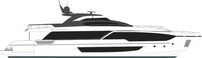
Used Riva 110' Dolcevita Yachts for sale
View a wide selection of pre-owned Riva 110' Dolcevita Yacht for sale in your area, explore detailed information & find the perfect Riva 110' Dolcevita Yacht for you.
4 Pre-Owned Riva 110' Dolcevita Yachts for sale
Riva
M/Y C*****110'ft | 110' Dolcevita
2022
2 x MTU 2,638hp
Features: Stabilisers, Swim Platform, Aircon, Bow Thruster
Riva
M/Y N*****110'ft | 110' Dolcevita
2020
2 x MTU 2,638hp
Features: Stabilisers, Beach Club, Swim Platform, Aircon

Riva
2020 J*****110'ft | 110' Dolcevita
2 x MTU 2,638hp
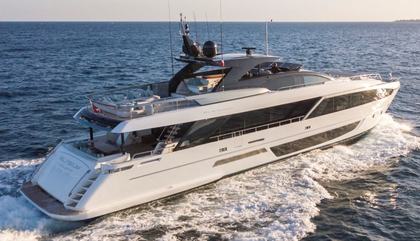


Riva
2019 (Refit: 2024) ELYSIUM I110'ft | 110' Dolcevita
2 x MTU 2,638hp
Features: Stabilisers, Swim Platform, Aircon, Bow Thruster
Palma, Balearic Islands, Spain
1 Not for sale to US residents while in US waters
2 Approx Price Conversion
Pictures shown are for illustration purposes only. Actual Yacht may vary due to client options.
LIVE: Used Riva 110' Dolcevita Yacht Prices
Find out how much a pre-owned Riva 110' Dolcevita may cost based upon the asking price of all yachts currently for sale globally according to YachtBuyer Market Watch & our sales listings.
Market Price Insight
YachtBuyer’s Market Watch reports that there are currently four pre-owned 110 Dolcevita yachts for sale globally, built between 2019 and 2022. These yachts are listed at prices ranging from $10 million to $13.8 million, with an average asking price of $12 million. With an average age of six years, these vessels continue to hold their value thanks to their combination of luxury, performance, and timeless design. However, the launch of the Riva 112' Dolcevita Super in 2025 impacted the pricing of the Riva 110' Dolcevita, as the newer model introduced updated features, cutting-edge technology, and a more contemporary design that shifted buyer demand. This has contributed to a more competitive pricing range for the 110 Dolcevita models, highlighting how new Yacht launches influence the market for earlier generations.
Riva 110' Dolcevita Price
2018 - 2025
- Average Price $12m
- Price Range $10m - $13.8m
- Average Age 6 years
Recent Sales
-
Model YearLast Asking PriceSold Date
-
2023$13mMay-2026
-
2024$14.9mFeb-2026
-
2023POAAug-2025
Members Only Register - it's free
Average asking price according to YachtBuyer data (4 yachts available). Prices may vary depending on specification, condition and extras.
Historic Price Comparison
With 11 of the 31 Riva 110' Dolcevita yachts ever built listed for sale over the past three years, based upon data from to YachtBuyer’s Market Watch, it demonstrates notable activity in its segment. These yachts spend an average of only 315 days on the market, reflecting a very high turnover rate for superyachts in this size segment. Over the same period, the marketed price tends to see a moderate average price reduction of 5.3% from the initial asking price, which demonstrates its ability to hold its value and shows continued interest from the market. This falls within the common range for superyachts of its size, reflecting a typical market performance. These yachts have been for sale around the east coast of the United States, and sometimes the west and central Mediterranean.
Riva 110' Dolcevita Yacht Price Trends & Sales Graphs (3-Year Data)
110 Dolcevita Model Overview & Timeline
The first 110' Dolcevita was announced to the press in 2017 and Riva started development in 2018 and the first model rolled off the production line later the same year.
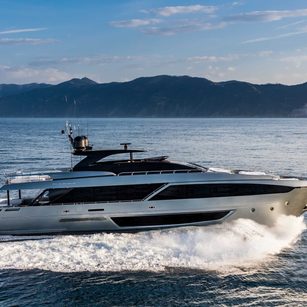
- Status
- Year
- Length
- Discontinued
- 2018 - 2025
- 110' ft (LOA)
- Beam
- Draft
- Speed
- 23' 10" ft
- 6' 6" ft
- 26 Knots
Riva 110' Dolcevita Awards


Best Exterior Styling Motor Yachts Below 39m
Boat International Design & Innovation Awards 2019

Best Exterior Styling Motor Yachts Below 39m
Boat International Design & Innovation Awards 2019




Riva 110' Dolcevita Reviews
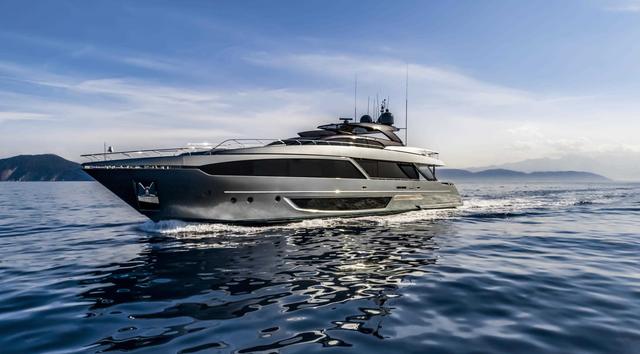
- Superb, sophisticated flybridge design
- Exceptional flybridge and forward decks
- Five cabins full of space and style
- Peerless build quality
- 26-knot top speed
Crafted as a homage to teak, stainless steel, and the most refined application of fibreglass, the Dolcevita stands at the forefront of flybridge design.
Rivals & Head-to-Head
Riva 110' Dolcevita Rivals
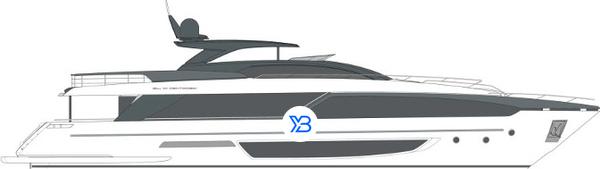
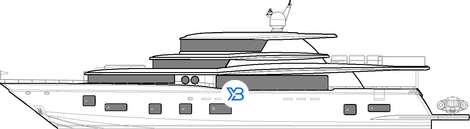
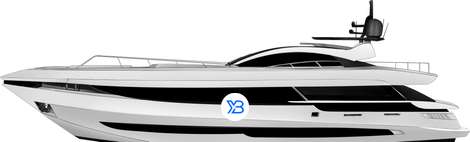
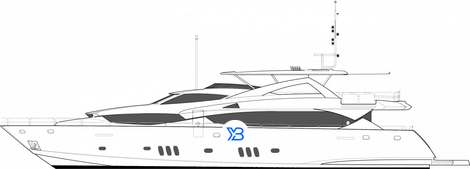
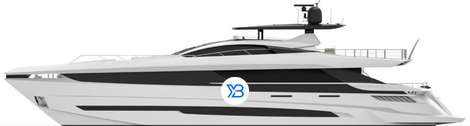
We've hand-picked a series of similar and direct rival yachts help you identify the strengths of the 110 Dolcevita among its peers. These rivals include the Italian Sanlorenzo SD118 and the Italian Pershing GTX116.
Head to Head
Visually compare everything from performance to layout for these closely matched models from competing builders.
Riva 110' Dolcevita News
Browse our collection of articles and commentary on the Riva 110' Dolcevita from Riva.
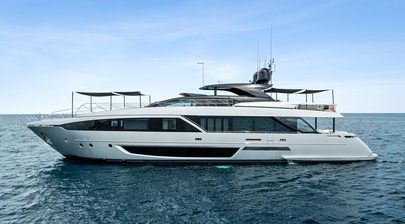
34m Riva 110' Dolcevita Motor Yacht Riva Royale Sold
The 34m Riva 110' Dolcevita motor yacht Riva Royale has been sold in an in-house tran...
3rd June 2026
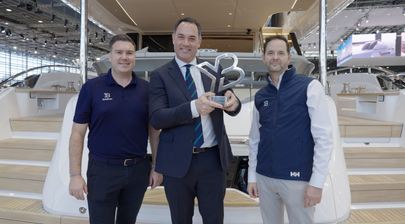
Latest YachtBuyer 5 Star Trophy Winners and Hall of Fame Inductees Presented at boot ...
Four production yachts were inducted into the YachtBuyer Hall of Fame at boot Düsseld...
12th February 2026
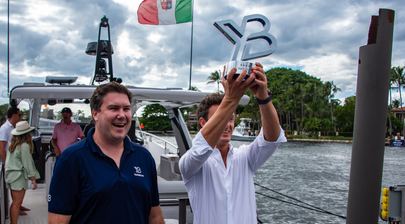
Latest YachtBuyer 5 Star Trophy Winners and Hall of Fame Inductees Revealed at FLIBS ...
YachtBuyer introduced eight new Hall of Fame inductees at FLIBS 2025, recognizing mod...
22nd December 2025
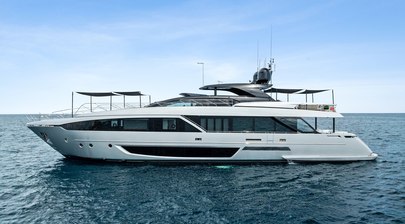
33m Riva 110’ Dolcevita Superyacht Riva Royale Listed for Sale
The 33m Riva Royale, a 2023 Riva 110’ Dolcevita, is listed for sale, featuring sleek ...
21st October 2025
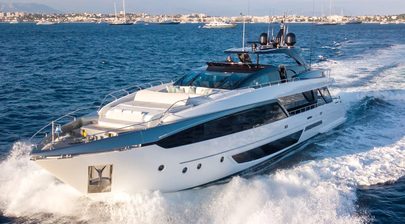
€1M Price Reduction on 34m Riva 110' Dolcevita Superyacht Elysium I
The 34m Riva 110’ Dolcevita yacht Elysium I has seen a €1M price reduction and is no...
22nd August 2025
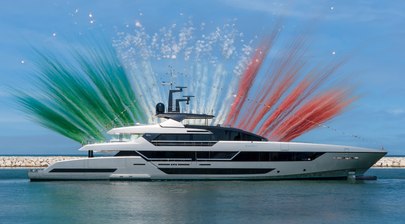
Watch the First Riva 54Metri Superyacht Sairu Launch: Riva's Largest Superyacht Yet
Riva has launched its largest yacht to date, the 54-meter all-aluminum 54METRI, marki...
8th August 2025
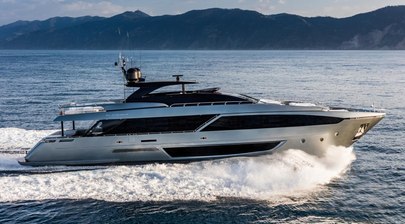
€1M Price Reduction on 34m Riva 110' Dolcevita Superyacht Taku
The freshly delivered 34m Riva 110’ Dolcevita yacht Taku is now listed for sale at €1...
4th July 2025
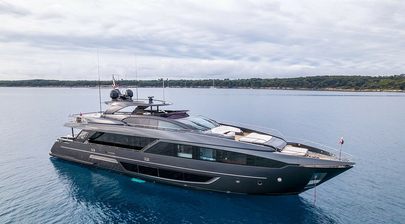
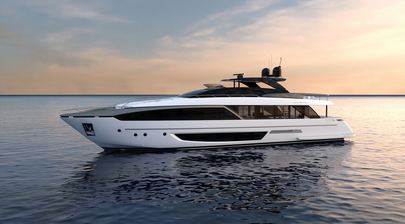
34m Riva 110Dolcevita Motor Yacht Chop Chop Listed for Sale
The 34m Riva 110' Dolcevita motor yacht Chop Chop, built in 2022, is now for sale, fe...
17th February 2025
7th February 2025
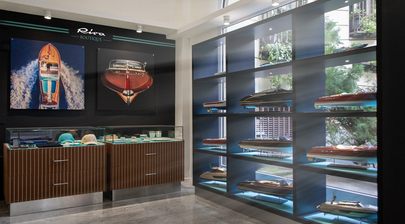
First Riva Boutique Opens in Milan
From November 5 to January 31, 2025, yacht enthusiasts and art lovers alike will have...
6th November 2024
29th February 2024
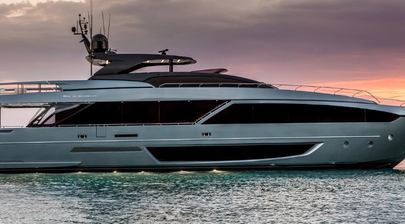
Stunning Dolcevita gives Riva another win at prestigious awards
Ferretti Group brand Riva have won a prestigious award at the BOAT International Desi...
29th January 2019
Riva 110' Dolcevita FAQ
A selection of frequently asked questions from buyers
-
The 110 Dolcevita measures 33.53m.
-
The 110 Dolcevita has a top speed of 26 knots.
-
The 110 Dolcevita was launched in 2018 and is still in production.
-
Current prices show that a 4-year-old 110' Dolcevita is available from €11,750,000.
-
Depending on your layout choice, the 110 Dolcevita can support up to ten guests in five cabins.
-
The 110 Dolcevita is a Superyacht
-
To start the process of buying your own Riva 110 Dolcevita, please get in touch with us or contact a buyer’s broker.
We're committed to making yacht buying easier, so if you can't find what you're looking for just ask.