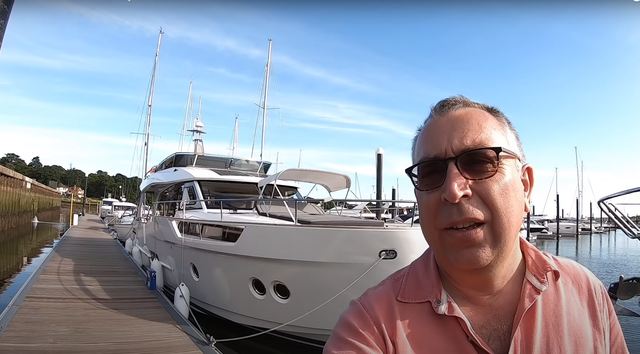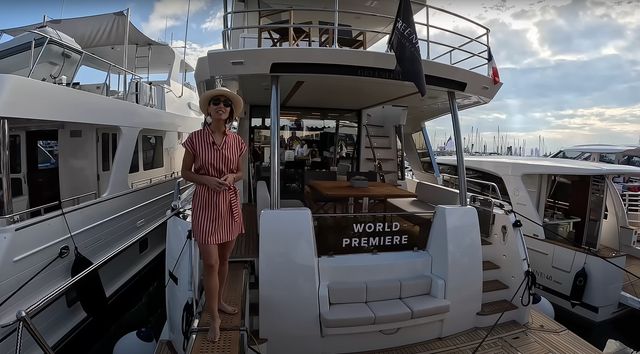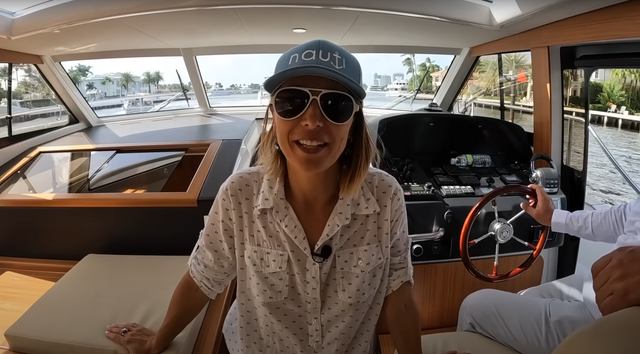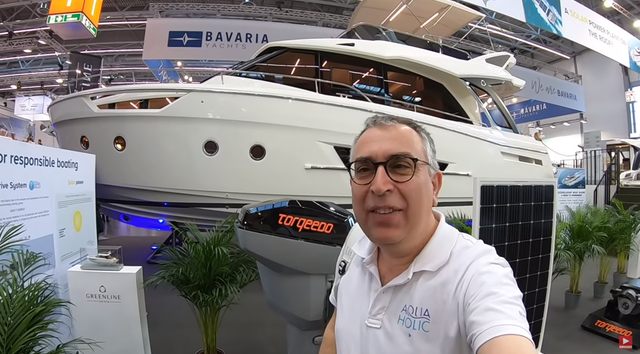
It may not look radical at first glance, but Greenline has been building hybrid and all-electric boats since 2008, and the new 42 continues that lineage.
Positioned as a comfortable, year-round cruiser for owner-operators, it builds on the 39 and 40 with more solar capacity, greater layout flexibility and a revised hull form. The question is whether those refinements are enough in a market where rivals are pushing harder on deck space and innovation. Is this a meaningful step forward, or simply a careful evolution of a proven formula?
Review Video
The Greenline 42 replaces the Greenline 39 and Greenline 40 by refining the platform rather than discarding it. The single-level layout remains, the aft galley remains, and the emphasis on solar integration remains. What changes is the structure around those ideas and the way they are executed.
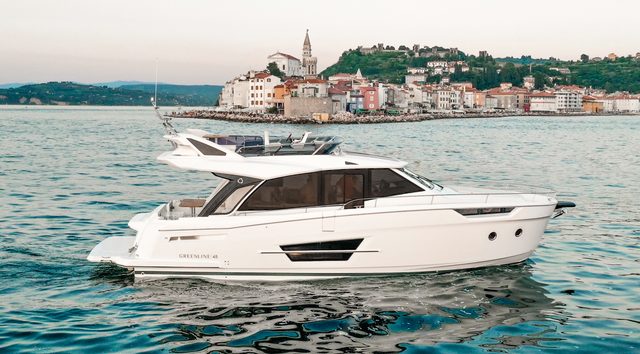
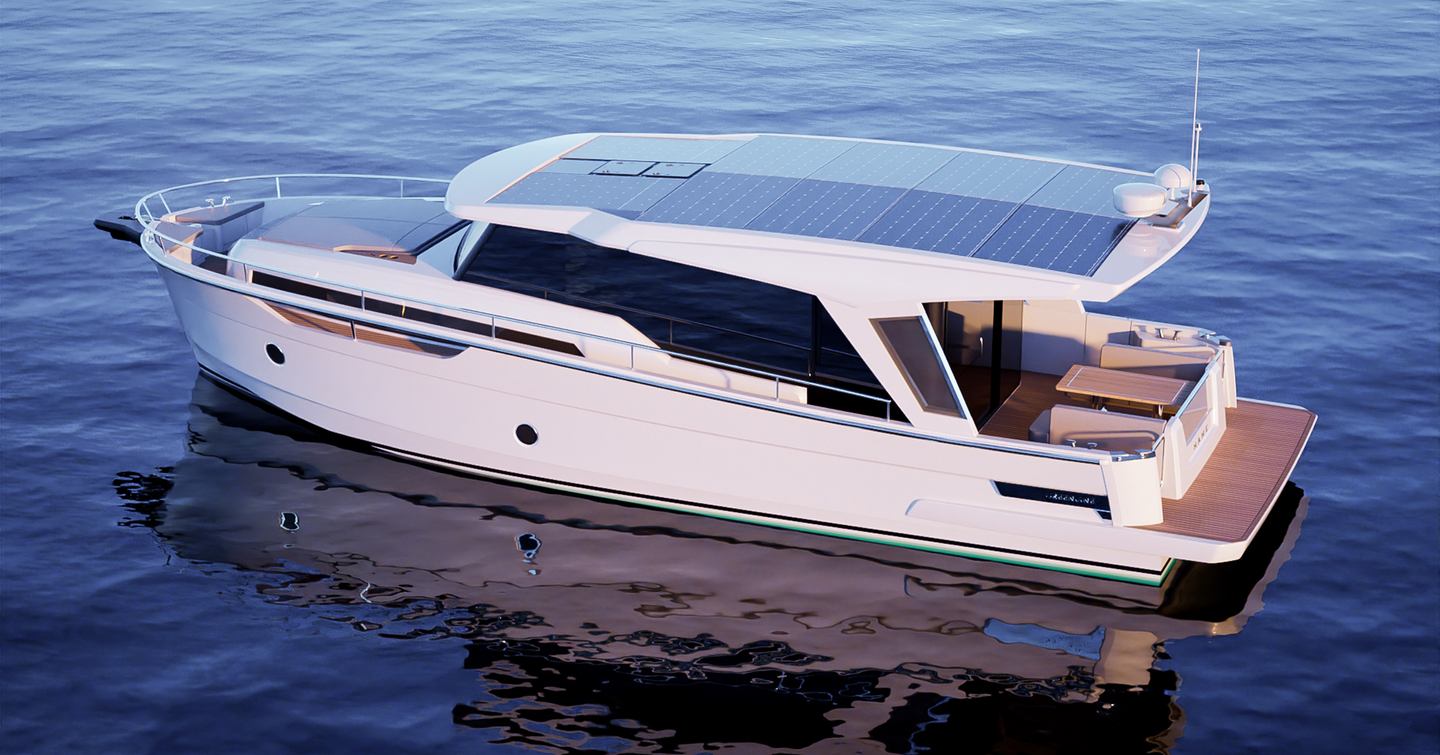
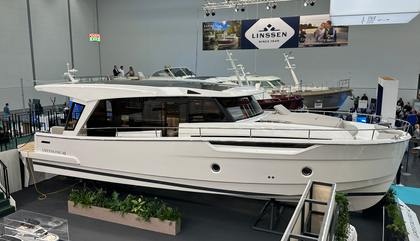
Earlier boats in this bracket boasted exterior work from J&J Design. On the 42, both exterior and interior come from Marco Casali, and that alters the visual tone of the boat. The profile is still upright and practical, though the glazing is more prominent and the surfaces are cleaner than on the 40. The aft section carries more glass, which reduces visual bulk and brings the boat into line with the 45 and 58. It still looks like a Greenline, though the detailing feels a little more upmarket.
The saloon glazing also serves a practical purpose. Larger sliding galley windows drop further into the aft bulkhead, improving airflow through the main deck and strengthening the connection between cockpit and interior. Forward, the foredeck lounge follows the arrangement introduced on the 58, so the 42 shares more of its layout thinking with the larger boats in the range.
From a styling perspective, the 42 still plays it pretty safe, and in the flesh, that design is less radical than the original 3D renderings promised. You can't help but think the design team could have been braver with the looks to add a bit more visual appeal from the outside.
Under the waterline, the 42 continues with Greenline’s Hybrid Hull concept, developed from the original Superdisplacement form used on the 39 and 40. Naval architecture has been revised by Micad to reduce resistance while maintaining the long waterline behaviour that defines the brand’s cruising profile.
The 39 carried a beam of 3.75m (12’4’’), while the 40 expanded to 4.25m (13’11’’), and the broader stance established on the 40 carries through here. Heavy systems remain positioned low in the hull, which keeps the centre of gravity down and is designed to support steady motion at sea and at anchor.
The single-level living concept continues to shape the structure. On most Greenline models, there is no change in level from the bathing platform to the helm station, and that layout carries over, making it easy to move around the main deck with little to no obstructions underfoot.
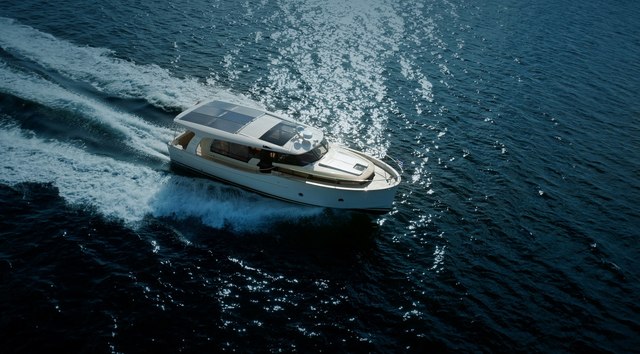
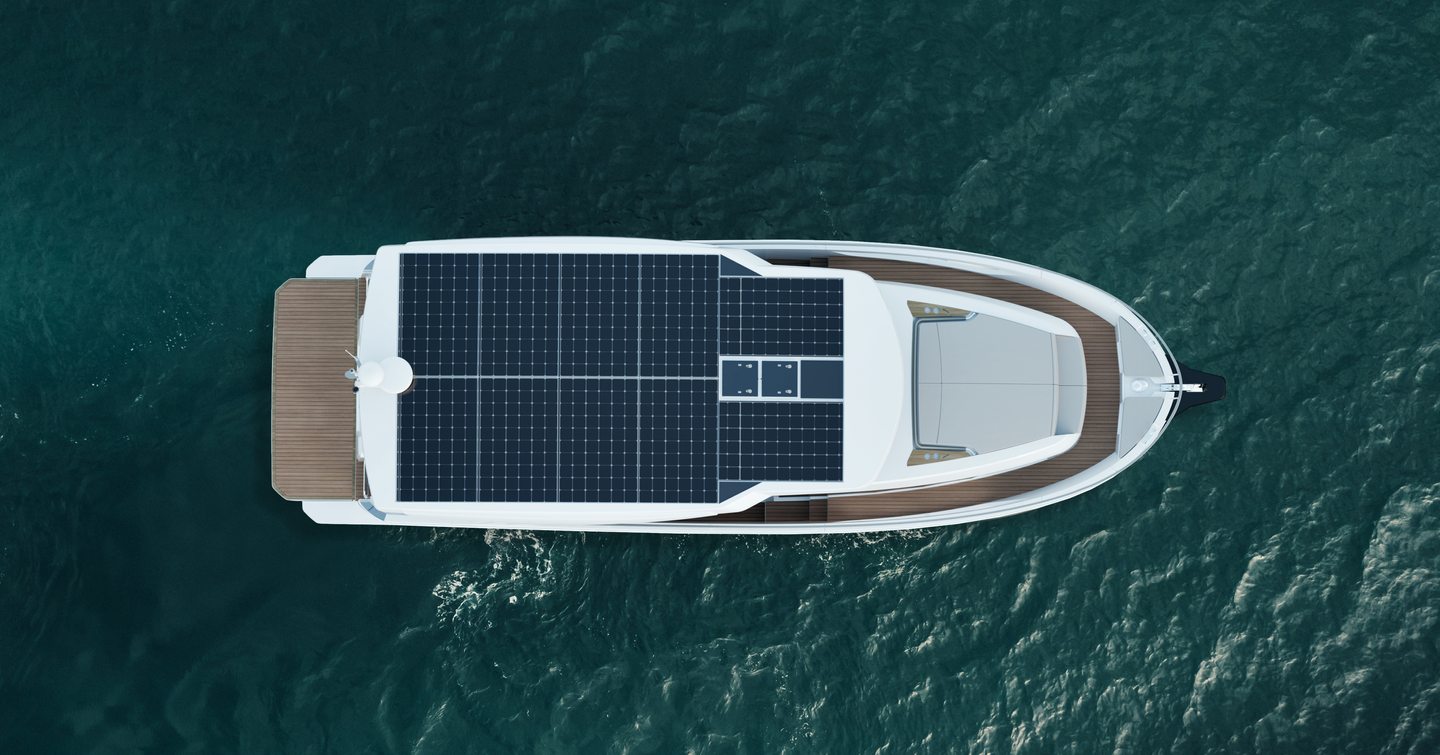
Solar capacity increases on the 42. The coachroof is designed to carry up to ten integrated panels delivering 4.1 kW, which represents a substantial increase over the earlier 39 and 40 models and moves this size closer to the output seen on the 48 models. Panel placement, airflow beneath the modules and cabling routes are designed into the roof structure from the outset, so the installation is well optimised.
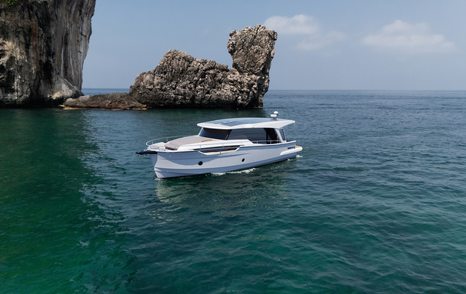
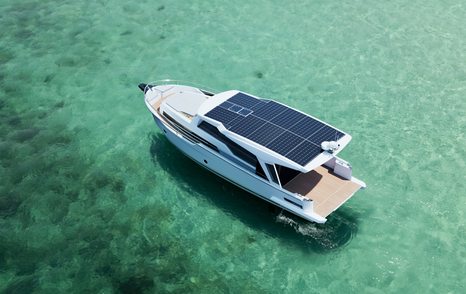
Inside, the layout is familiar Greenline, although the finish has jumped a couple of grades. Casali retains the aft galley and step-free flow from cockpit to helm, while introducing a cleaner material palette with ‘honey teak’ or ‘modern oak’. Stronger glazing increases natural light in the saloon, and the sliding aft windows contribute to passive ventilation when conditions allow.
Layout flexibility is improved compared with the 40. The lower deck can be specified with two bathrooms, reflecting feedback from owners who cruise with guests and want privacy. Alternatively, that volume can become a walk-in wardrobe or vanity space within the owner’s cabin.
Construction continues in Slovenia using vacuum infusion with vinyl-ester resin. Vacuum infusion controls resin content and improves laminate consistency, while vinyl-ester offers greater resistance to osmosis than standard polyester systems.
The hull and deck use a foam sandwich core derived from recycled PET, and production offcuts are reused within the yard. It's a reminder that, for all the talk from other shipyards, Greenline has been building this way for years and has really grasped the nettle when it comes to alternative propulsion.
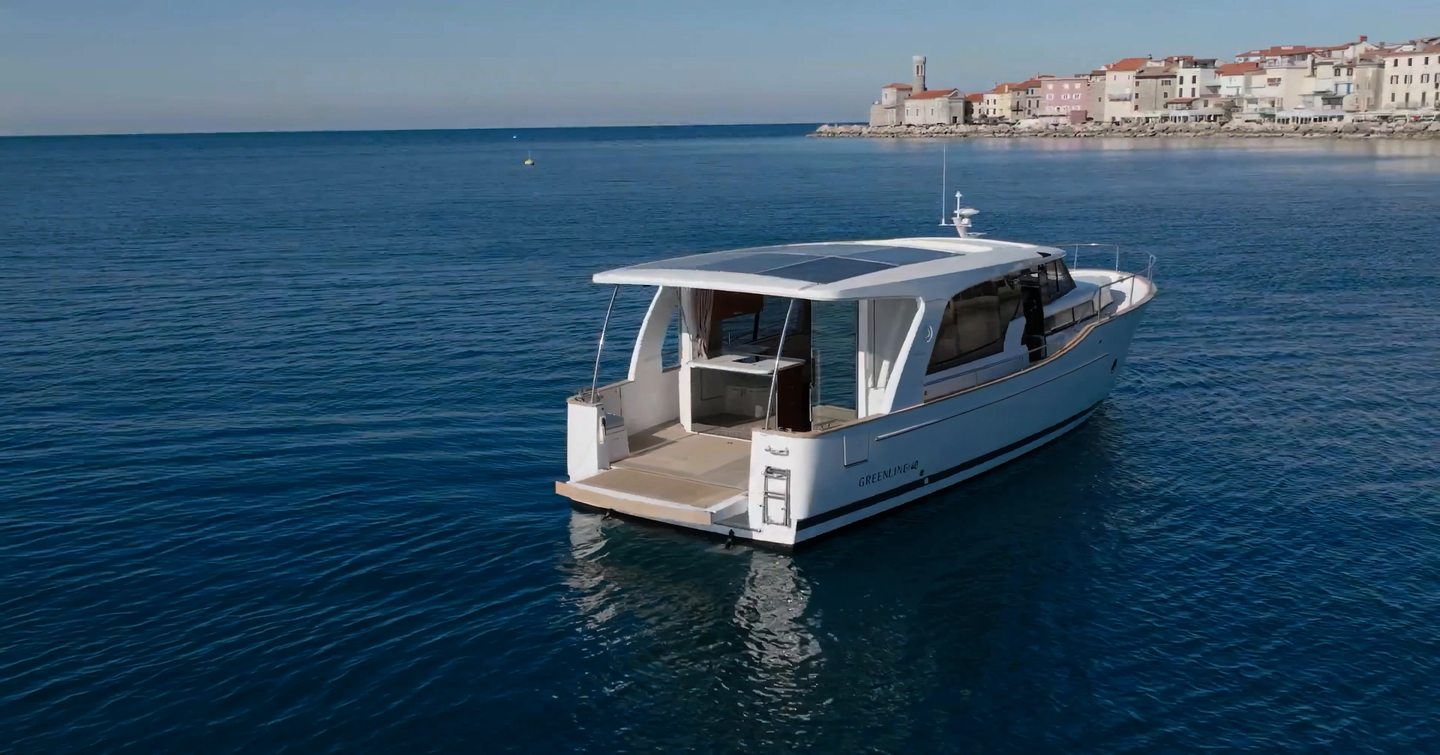
From the cockpit, the step-free threshold leads straight into the saloon, and with the aft doors open and the galley window raised, the transition is effortless. Because the cockpit can be enclosed with canopy covers, you can make use of the entire deck, even in poor weather.
Glazing runs along both sides of the superstructure, and that brings strong natural light into the space throughout the day. Headroom is generous where you first step inside, and it increases slightly as you move forward toward the helm.
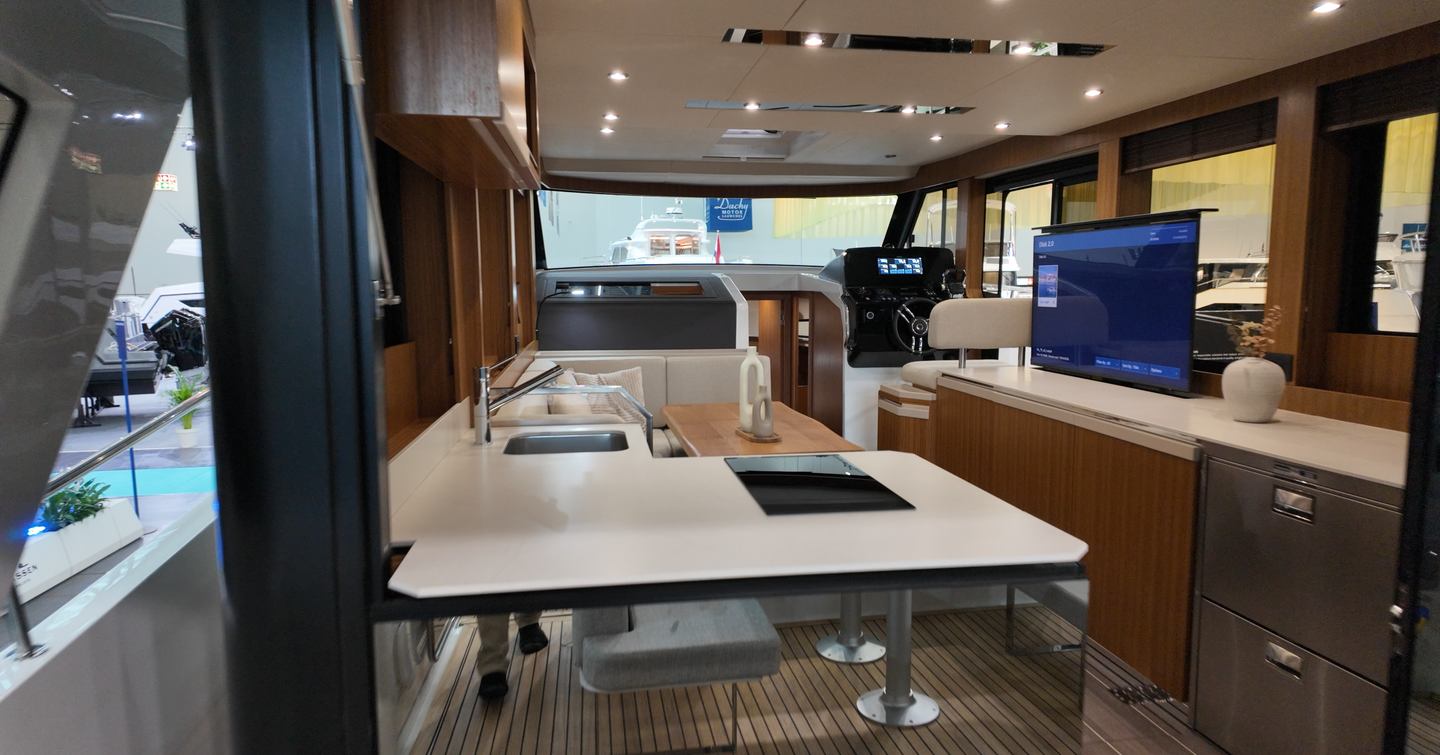
The galley is split across both sides of the walkway, with cooking facilities and the sink to port and refrigeration to starboard, so movement between cockpit and helm remains clear. If you choose the full-height fridge freezer, the drop-down window on that side is removed, while the drawer fridge option retains glazing on both sides.
With windows on either side of the saloon, a cross breeze will run through the space, so reliance on air conditioning reduces when cruising in moderate climates, an important point on a boat that is designed to be as efficient as possible.
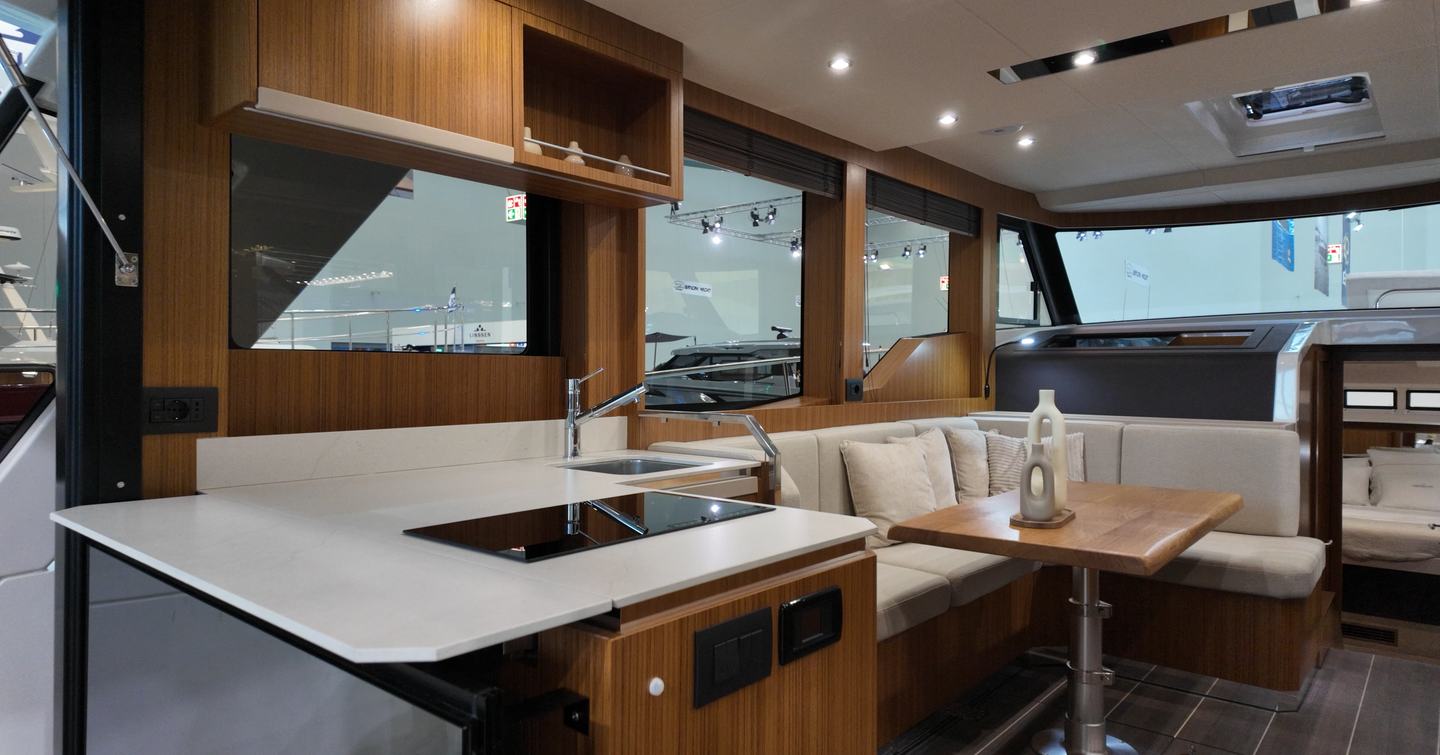
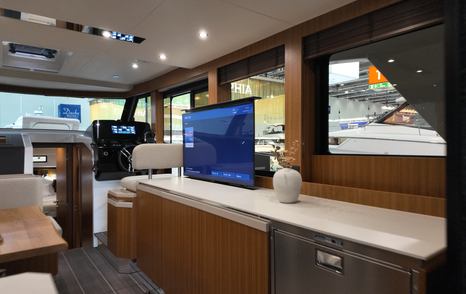
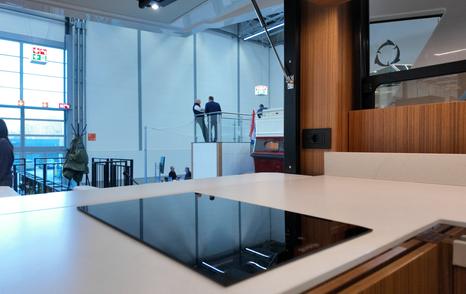
Storage beneath the galley counters runs deep, and large voids can be accessed for bulkier items that would otherwise occupy cabin space. A substantial cupboard sits beneath the television unit, and the TV itself lowers flush into the counter when not in use, which keeps surfaces clear. If you want more seating space, this storage can be replaced with a small sofa with the TV mounted behind it.
The main dinette occupies the starboard side and forms the primary interior seating area. The table lowers to create two additional berths, so sleeping capacity can reach six across the two cabins below and the saloon itself. The table finish contrasts slightly with the surrounding timber panelling, which adds some welcome variation to the interior palette.
As you move forward, the saloon narrows gently into the helm area, and the raised position gives a clear view out through the forward glazing. It's a good space and well-suited to a couple who want to live on board for extended periods.
Guest Accommodation
From the helm area, steps lead down to the lower deck, and this is where feedback from 40 owners has shaped the layout most clearly. Owners asked for greater privacy when cruising with guests, so the 42 can now be configured with two bathrooms. The forward bathroom serves as a day head from the lobby, and it also connects privately to the owner’s cabin.
Headroom in the central lobby is very good, and a glazed section along the superstructure allows natural light to filter down from above. A sliding panel and blind can close this off when privacy is required, so the space feels open during the day and enclosed at night.
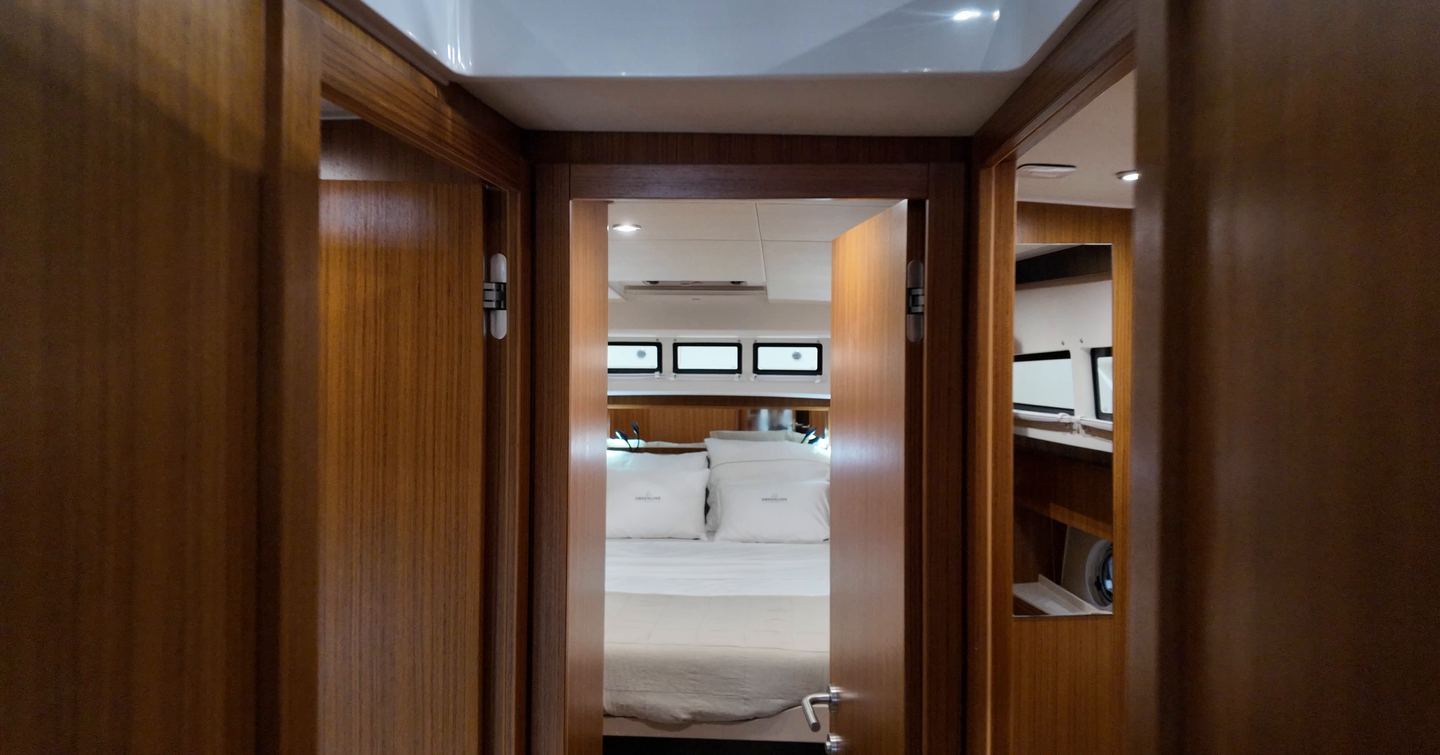
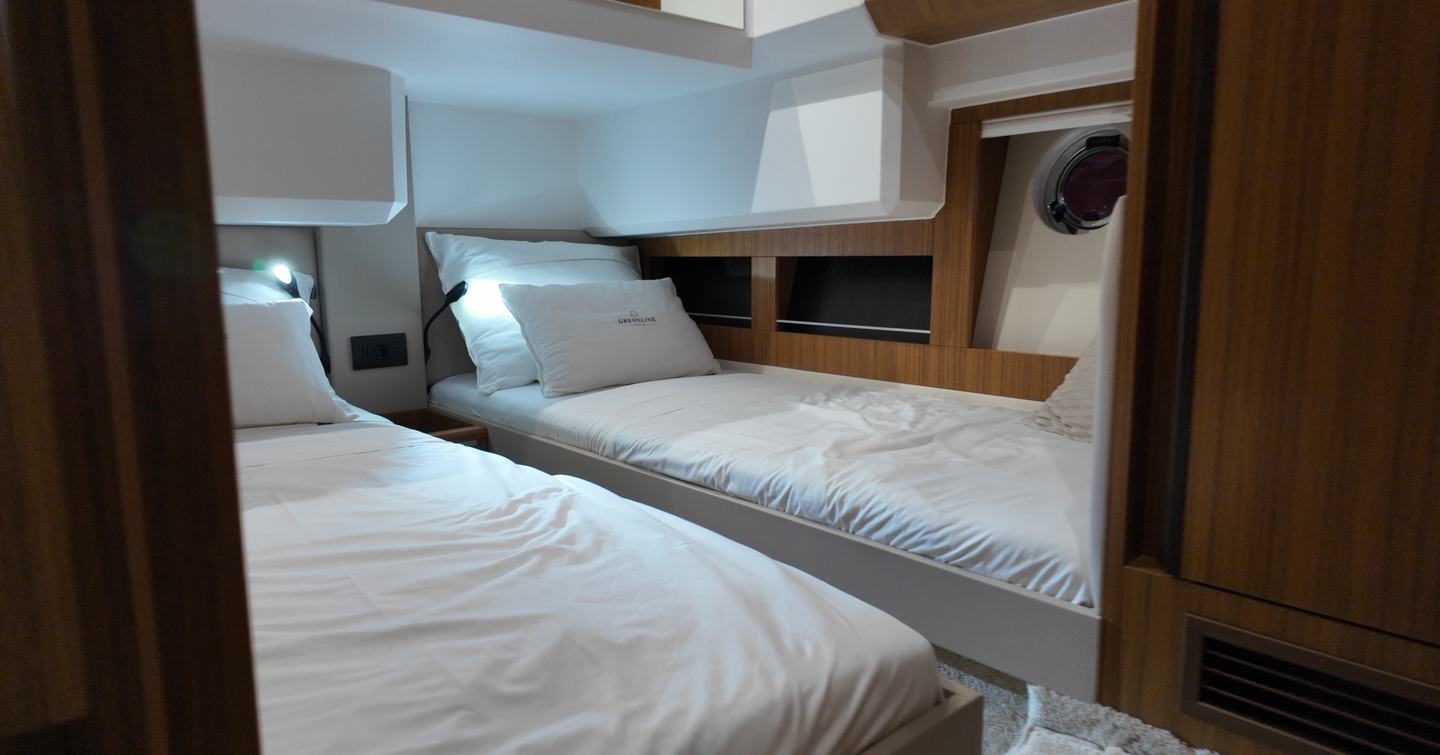
The guest cabin is positioned to port and follows a familiar twin-berth arrangement. The berths are set relatively low in the hull, which keeps the centre of gravity down and helps with stability, although there are some overhead intrusions on one side due to the deck moulding. Clearance is better over the opposite berth, and both beds benefit from integrated reading lights and charging sockets at head level, so the cabin works well for extended stays.
Storage is strong for a boat of this size. A full-height wardrobe provides hanging space, and additional lockers run along the upper hull sides with fiddles to prevent items moving when underway. Smaller storage voids sit alongside the berths, so personal items can be kept close at hand without cluttering the sleeping area.
The guest bathroom is accessed directly from the lobby. It is compact, although it provides proper separation between owner and guest spaces when both cabins are occupied, which adds flexibility when cruising with family or friends.
Owner's Cabin
The owner’s cabin fills the bow and takes advantage of the beam available in this part of the hull. It feels well lit, and that’s down to the glazing built into the structure.
Those cut-outs you see from outside along the bulwarks translate into proper windows at bed height, so you can see out while lying down and the cabin doesn’t feel cut off from the water. There’s also a skylight overhead, which brings in light from above and keeps the space bright during the day.
The double berth is set centrally with access on both sides, and while this isn’t a huge cabin, movement around the bed is workable. Alongside the mattress there are recessed wells for phones or tablets, and charging sockets are positioned within easy reach. Reading lights are mounted above, so everything you need is close at hand without cluttering the space.
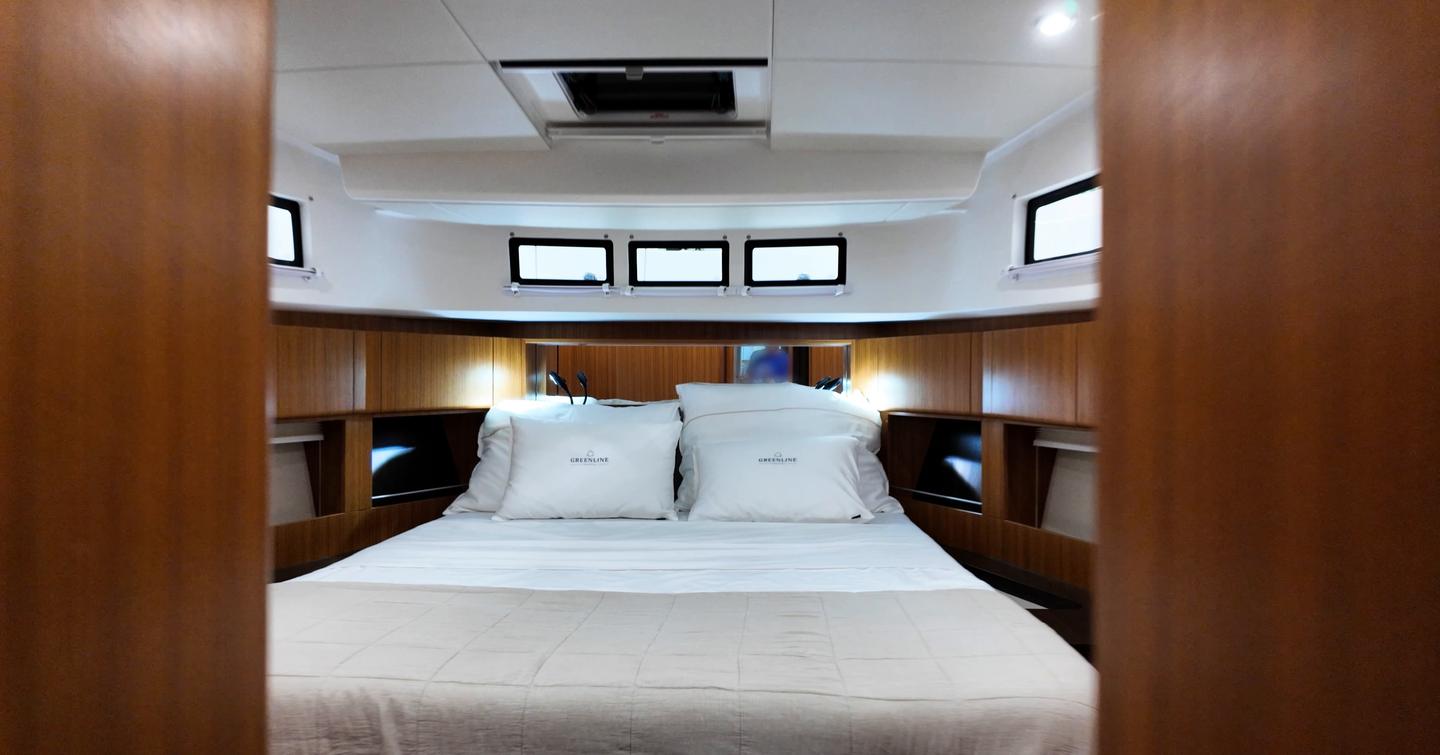
Storage is spread evenly. There are wardrobes on both sides of the cabin, and additional lockers run around the perimeter, so clothes and smaller items can be organised without relying on a single cupboard. If the second bathroom isn’t required, that space can be converted into a vanity unit or expanded wardrobe area, which shifts the emphasis toward longer stays on board.
A television can be fitted opposite the bed if specified.
As you move forward from the dinette, the saloon narrows slightly into the raised helm position, and headroom increases as the glazing wraps around the front of the superstructure. The windscreen is upright and expansive, so the view forward is broad, and the side windows keep the space feeling open rather than enclosed.
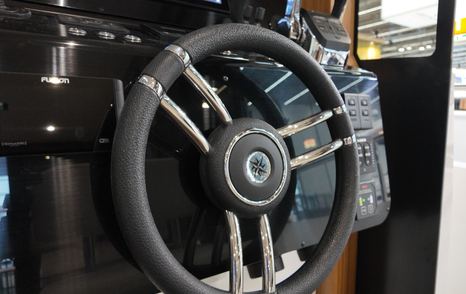
The helm seat is fixed and mounted quite high, so standing gives the clearest sightlines over the bow and down the side decks. Leaning against the seat works well when manoeuvring, and that feels like the natural position from which to drive. When seated, the dashboard rises noticeably in the eyeline, which can feel imposing for shorter helmsmen, although the forward visibility itself remains strong.
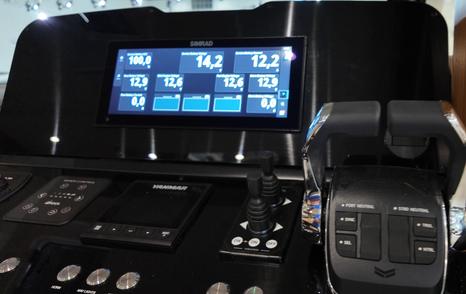
Widescreen Simrad multifunction displays are fitted as standard, and everything falls easily to hand. Throttles and thruster controls sit close together, so you can adjust power and steering input without shifting position, and the switchgear is grouped logically across the console. It isn’t a decorative helm, though it is clear and easy to use.
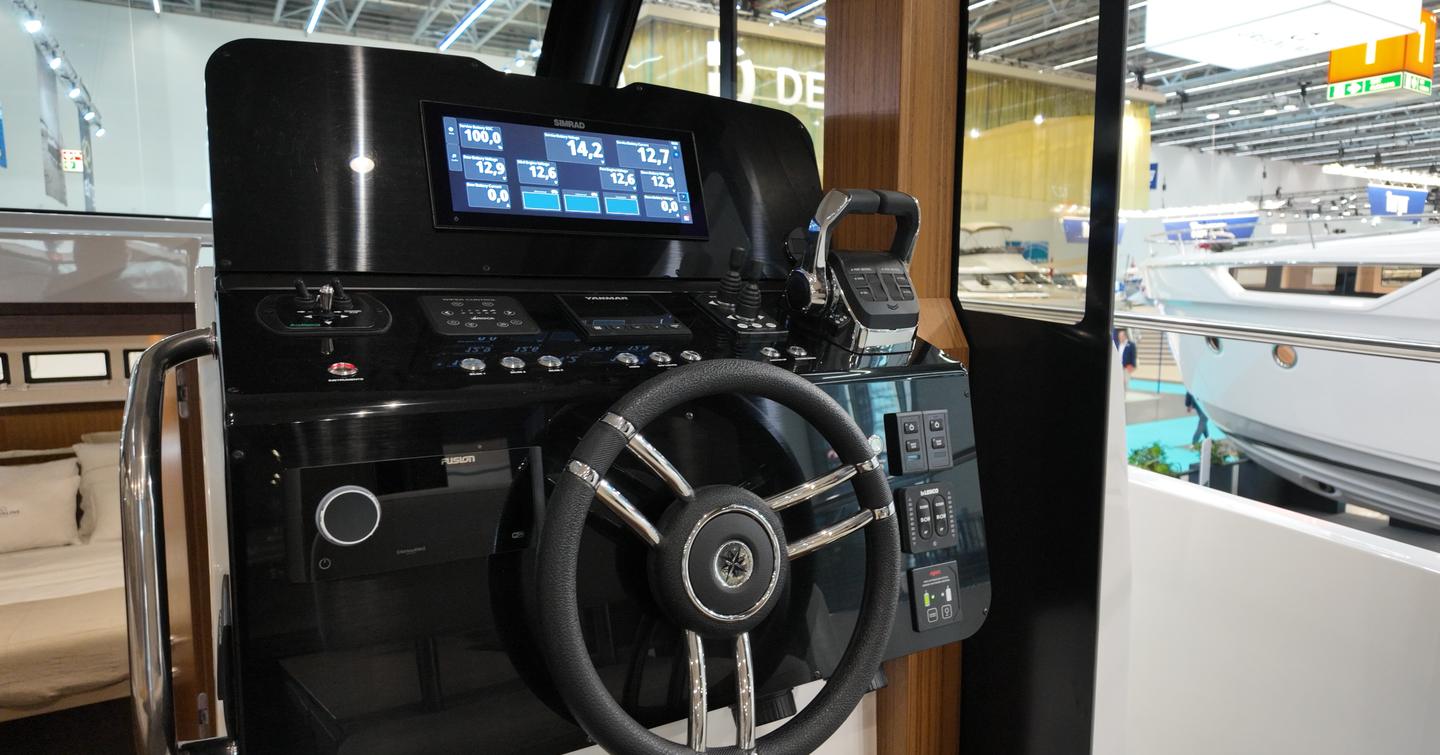
A full-height helm door opens directly onto the starboard side deck, and that makes a difference when coming alongside. With the door open, you can step partly outside while keeping a hand on the controls, so short-handed mooring becomes more manageable. The protection along the side deck continues right up to the cockpit, and the proximity between helm and cleats reduces the need for extra crew when handling lines.
The helm seat itself is a single bench, so there’s no separate co-pilot chair, although the dinette sits immediately aft and within easy conversation range. Climate controls are integrated into the helm console on the 42, which means temperature adjustments can be made without leaving the driving position.
This particular boat is the diesel version, fitted with twin Yanmar 250 horsepower engines, and in this configuration the 42 reaches around 25 knots at the top end. That gives it a useful turn of speed for a cruiser in this class, and with twin shafts and an optional bow thruster it should feel predictable at low speeds. If you're considering the hybrid system, the electric propulsion allows silent running at around 6 knots for roughly 20nm.
The aft deck is where the biggest visible change over the 40 becomes clear. For the moment, the two models will run alongside each other, although the 42 introduces a different approach to how this aft section can be configured.
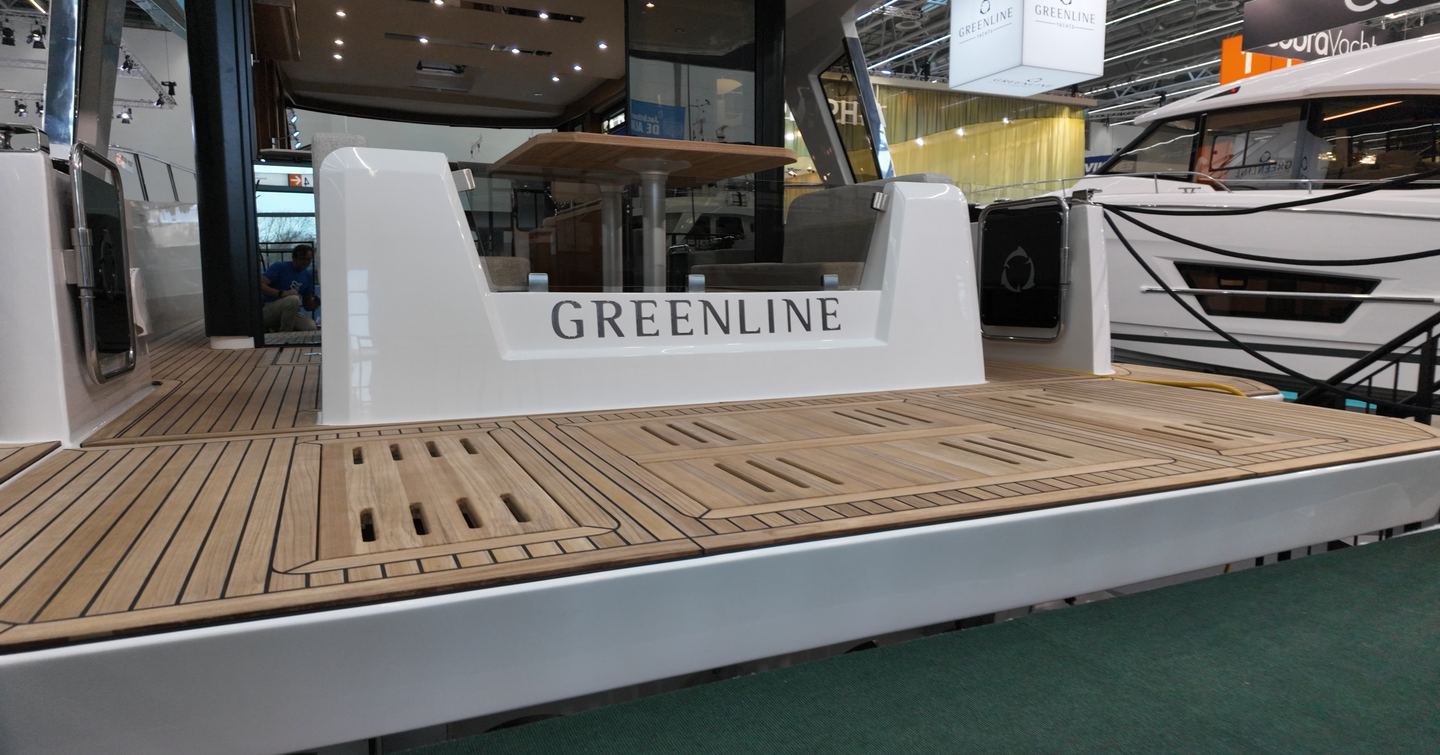
The traditional Greenline open transom arrangement is still available, where the whole back of the boat drops down to form a large bathing platform. The version we saw takes a different route, as it incorporates a hydraulic platform rated for 150-200kg (330.6-440.9lbs), so a small tender can be carried securely without cluttering the cockpit itself. When lowered, that platform also provides easy water access for swimming.
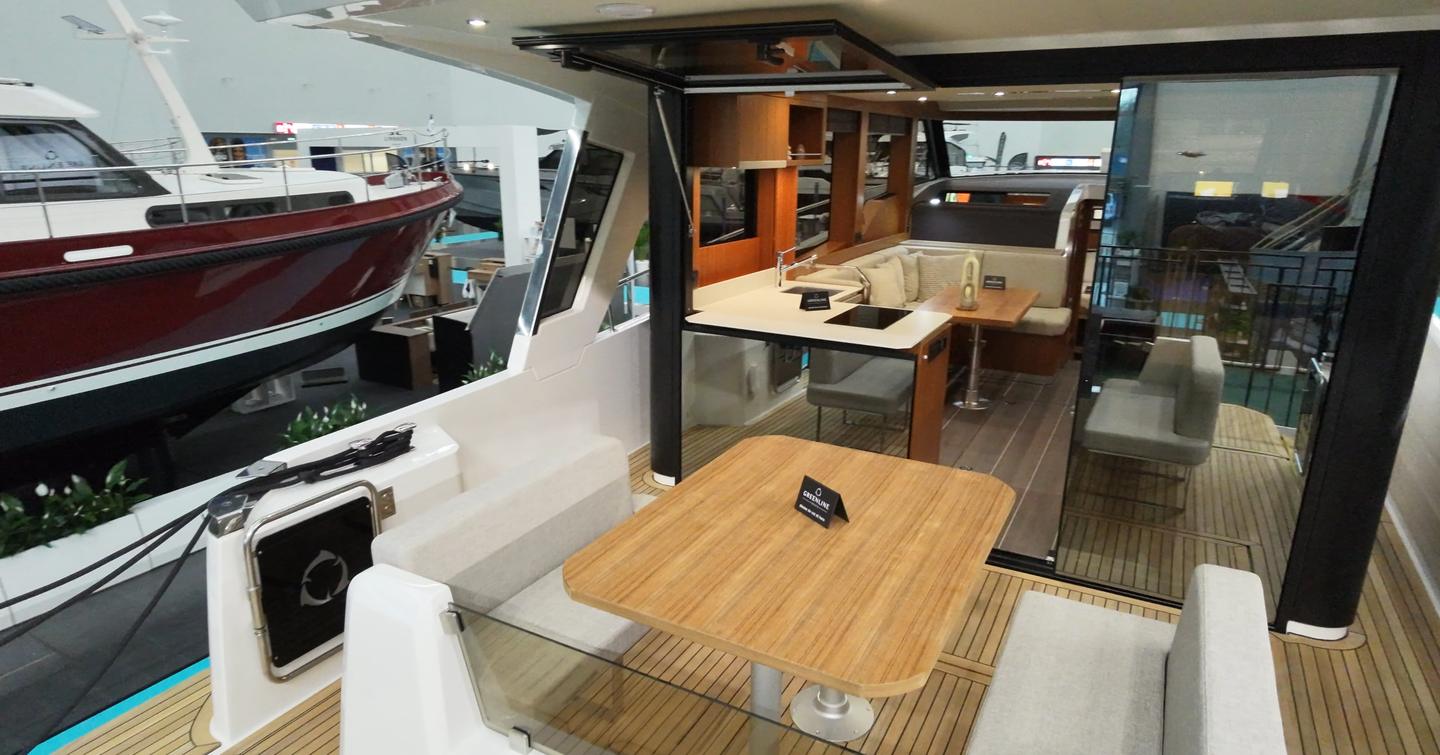
That configuration allows for fixed cockpit seating, and this changes the feel of the space. Instead of relying on freestanding chairs and loose tables, the seating is integrated into the structure, and the table is set at a dining height, so the cockpit works as a genuine outdoor dining area. The seating is arranged down the centreline so everyone has a view of the water, not into the back of the boat.
The connection to the interior remains very much a Greenline feature. The galley window lifts vertically, so the aft counter becomes a serving bar and the boundary between saloon and cockpit softens. With that window open and the doors slid back, the two spaces read as one continuous living area, which suits the boat’s relaxed cruising brief.
There is plenty of practical thinking built into this section as well. A deck shower is positioned close to the platform, and the cleats and fairleads are accessible from above without awkward leaning.
Beneath the cockpit sole, the engines are mounted further forward under the saloon, and that frees up two large lazarettes aft. Those storage compartments are deep and open, so extended cruising gear, fenders, or spare lines can be stowed securely and kept out of the main living space.
Side Decks & Foredeck
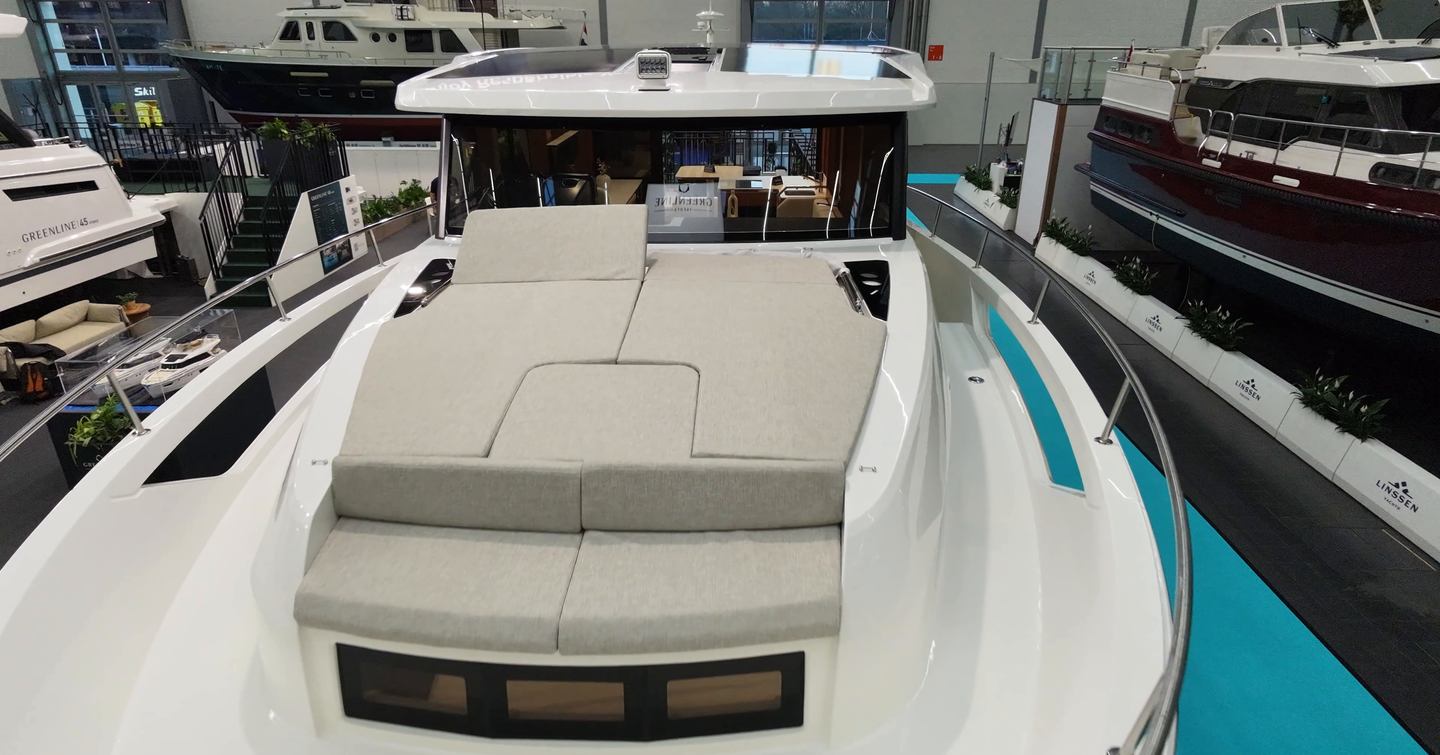
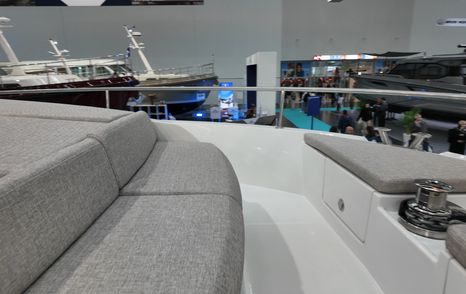
The optional sunbathing package adds fitted cushions across the cabin top, so the moulded surface becomes a usable lounging area instead of bare GRP, but it's still a pretty basic setup compared to its rivals.
A pram hood provides protection when running at lower speeds, and a full canopy can be deployed, which allows the entire space to be shaded in strong sun.
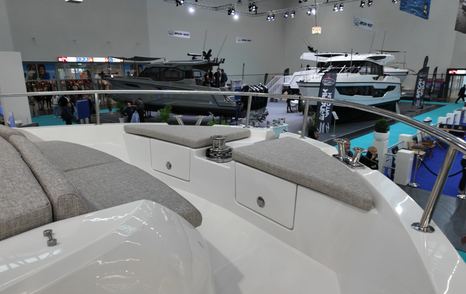
The layout is more varied than it first appears. A small forward-facing bench is built into the moulding, and opposing seats run along the cabin top, so the area feels sociable even without a table.
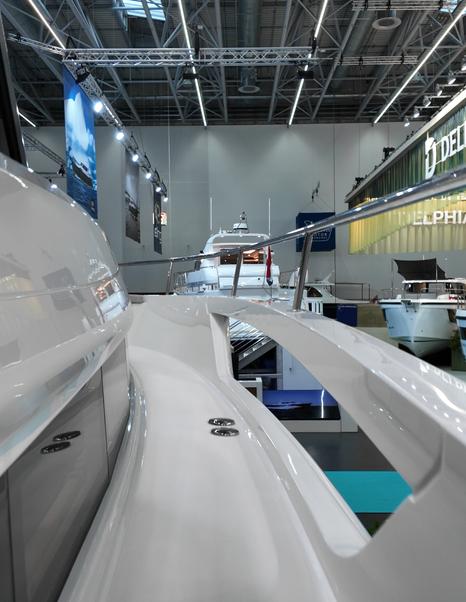
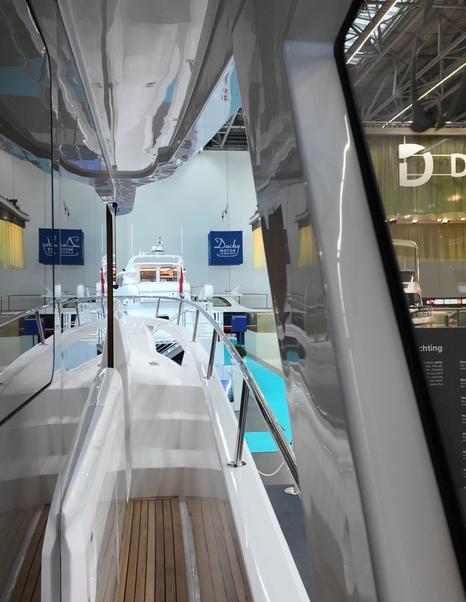
Cup holders and small recesses for phones or tablets are moulded in, so you are not balancing belongings on flat surfaces. The deck rises slightly as you move forward, although solid guardrails run along both sides, and there are substantial handholds integrated into the hardtop support.
As you step up toward the bow, the side decks narrow a touch, although the height of the rails maintains that secure feeling, and the moulded surfaces provide clear footing when handling lines or anchor gear.
Engine Room
Engine room access is through a large hatch in the saloon sole, and once that’s lifted, you can step down into the space below. You could probably do with a small ladder to make entry easier, although it’s not too bad as it stands. Most of the routine checks can be carried out from above with the hatch open, so you’re not climbing all the way inside unless you need to.
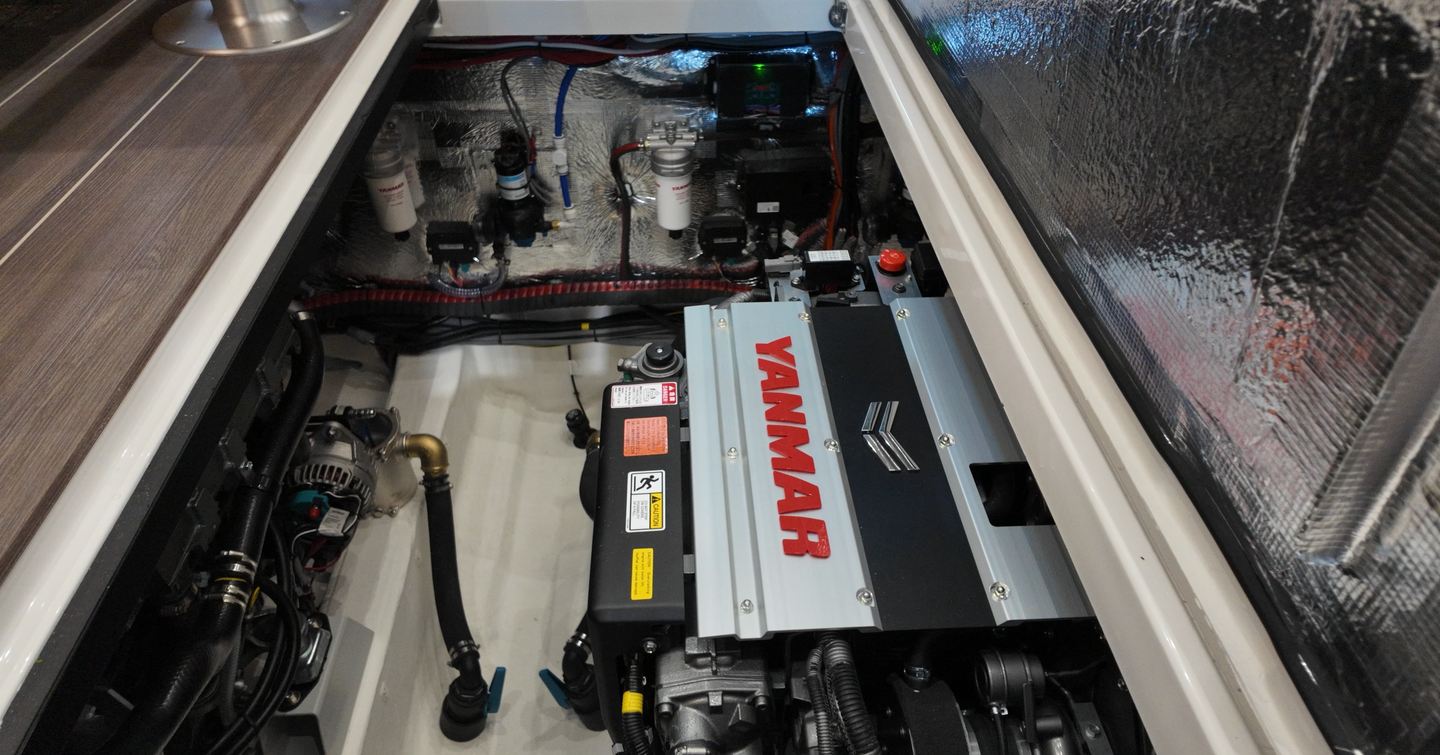
This example is fitted with twin Yanmar 250hp diesels, and they’re neat, compact units. The starboard engine is very easy to inspect from the hatch opening, with clear access to filters and dipsticks for day-to-day checks. The port side is tighter over the top, although that panel above is hinged and can be lifted if you need better access.
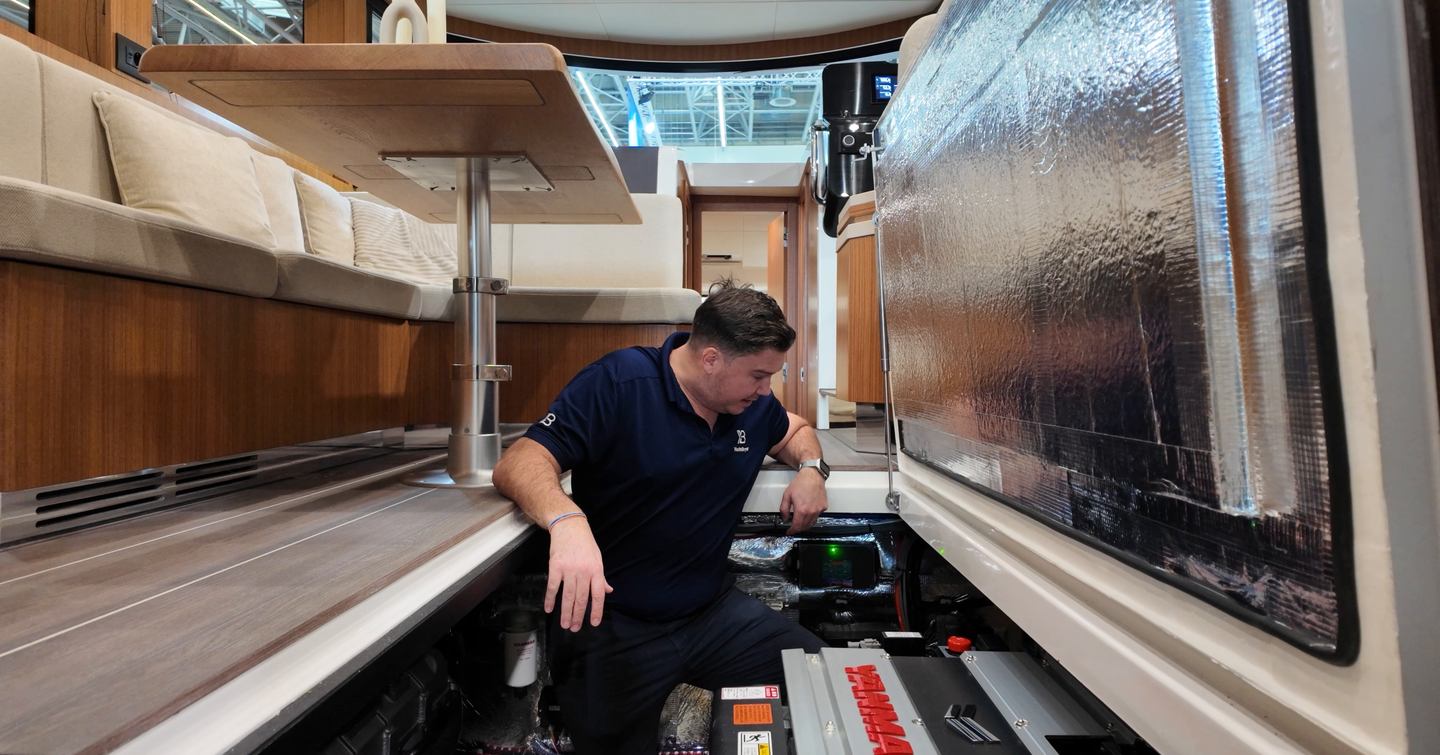
Headroom once you’re fully inside isn’t going to be great, although the open hatch above brings in light and air while you’re working. The shafts are accessible from both sides, and the fuel tanks sit outboard, which keeps the central space usable. For routine maintenance, it’s all pretty straightforward.
It’s worth remembering that we saw the diesel version, so you don’t have the larger battery banks and electric drive components found in the hybrid model. In hybrid form, the space becomes a bit more crowded, although the layout is still arranged so the important service points remain reachable.
Bearing in mind that many of these boats are owner-operated, the emphasis here is clearly on making day-to-day checks simple rather than dressing the space up.
The base price for the Greenline 42 starts at €545,000 ex VAT, and from there, specification choices begin to shape the final figure. As with most boats in this size bracket, much of what defines the finished product sits on the options list, so clarity about how the boat will be used becomes important early in the process.
Layout decisions have a direct impact. Buyers can choose between a second bathroom or reallocating that volume to a vanity unit or expanded wardrobe space, and the refrigeration format also changes the interior feel. Selecting a full-height fridge freezer removes one of the drop-down galley windows, while opting for drawer fridges retains glazing on both sides, so the decision affects ventilation as well as storage.
Energy specification introduces the largest financial step. The hybrid upgrade is priced at approximately €100,000, and that brings electric propulsion capable of around six knots for roughly 20 nautical miles, along with a 30–40 kWh battery bank.
That larger battery capacity allows extended time at anchor running hotel loads without starting the engines, which is central to the hybrid proposition. Between the standard diesel installation and the full hybrid system sits a “power pack” upgrade, which increases battery capacity without adding electric drive.
Across all versions, solar panels are standard. On the 42, up to ten panels are integrated into the coachroof, delivering a maximum output of 4.1 kW, and that generation capacity forms part of the core design rather than an aftermarket addition. Buyers can also opt for a sliding sunroof, although doing so reduces the available solar area, so there is a clear trade-off between natural ventilation from above and maximum energy generation.
Our Verdict
The Greenline 42 is not a radical break from what has come before, and it doesn’t pretend to be. The single-level layout remains, the aft galley remains, and the emphasis on solar integration and hybrid choice remains. What changes is the level of refinement and flexibility around those ideas. Greenline knows its customer. The 42 is aimed at buyers who want a safe, comfortable, year-round cruiser that can be handled without crew, and who place value on energy management and onboard autonomy. It doesn’t chase trends, and it doesn’t try to reposition the brand into a different market. Instead, it refines a proven formula and strengthens it where owners have asked for change. In the modern boating landscape, the overall design feels basic and lacks some of the features that the modern boater is looking for and that rivals deliver.
Reasons to Buy
- Strong solar integration
- Easy owner operation
- Two bathrooms
- More modern styling
- Good value
Things to Consider
- Helm seat mounted high
- Dashboard feels quite plain
- Styling is still a bit bland
Looking to own a Greenline 42? Use YachtBuyer’s Market Watch to compare all new and used Greenline 42 Boats for sale worldwide. You can also order a new Greenline 42, customized to your exact specifications, with options for engine choice and layout configuration. Alternatively, explore our global listings of new and used boats for sale and find your perfect boat today!
Rivals to Consider
The Beneteau Swift Trawler 41 Sedan measures 13.43m (44ft 1in) overall with a beam of 4.20m (13ft 9in), and it follows a more traditional semi-displacement trawler formula with twin Volvo Penta D4 diesels, typically rated at 2 × 300hp, delivering a top speed of around 23 knots. Accommodation is arranged across three cabins and two bathrooms, which gives it an advantage in sleeping capacity over the Greenline’s standard two-cabin layout, and its interior volume feels generous for extended cruising. However, propulsion remains conventional diesel-only, and while it offers strong offshore credentials and range at displacement speeds, it does not integrate hybrid drive or factory-level solar generation in the way the Greenline 42 does.
The Nimbus 405 Coupe comes in at 13.33m (43ft 8in) with a beam of 3.86m (12ft 8in), and it is typically powered by twin Volvo Penta D4 engines producing 2 × 300hp for a top speed in the region of 30 knots. The layout usually comprises three cabins and one or two bathrooms depending on specification, and the focus is very much on protected side-deck access and Scandinavian practicality. It offers strong performance and secure deck movement, although propulsion is again conventional diesel without integrated hybrid capability, so energy autonomy relies on traditional systems rather than large-scale solar and battery integration.
The Delphia 12 Sedan measures 12.60m (41ft 4in) overall with a beam of 4.26m (14ft 0in), and it adopts a displacement cruising approach with engine options typically around 150hp to 230hp, producing top speeds closer to 9 to 12 knots depending on configuration. Accommodation is arranged in two cabins with one or two bathrooms, and the emphasis is firmly on inland and low-speed coastal cruising rather than higher-speed passage making. An electric propulsion option is available, although performance remains modest compared with the Greenline 42’s twin 250hp diesel installation, so the Delphia positions itself as a slower, more river-focused alternative rather than a semi-planing hybrid cruiser.
Considering a new boat? Explore Greenline's entire current range to find the model that best suits your needs, and compare it with alternatives from competitors to ensure you make the perfect choice.
Specifications
- Builder Greenline
- Range Greenline
- Model Greenline 42
- Length Overall 13.5m
- Beam 4.3m
- Hull GRP
- Cabins 2
- Berths 6
- Cruising Speed
- Max Speed
- Fuel Capacity 700 Litres
- Fresh Water Capacity 400 Litres
- Engine Model 2x Yanmar 4LV250
- Engine HP 250
Greenline 42 Layout
-
Main Deck
-
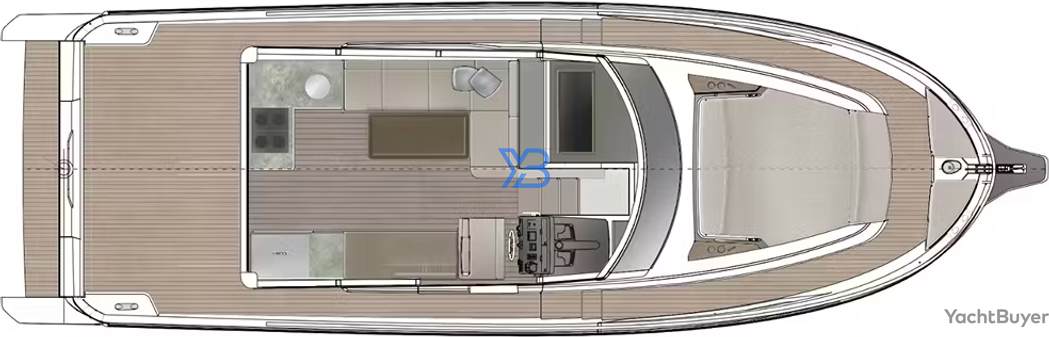
![Main Deck Greenline 42]()
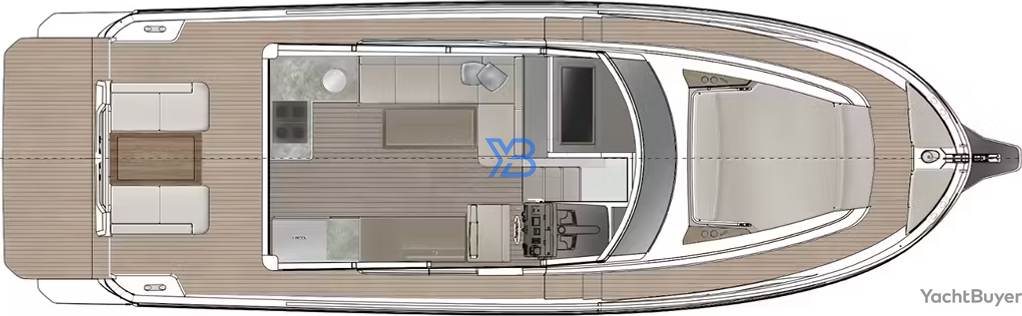
The standard main deck layout with cockpit seating
-
![Main Deck Greenline 42]()
The option is to have the open cockpit with drop-down transom
-
Lower Deck
-
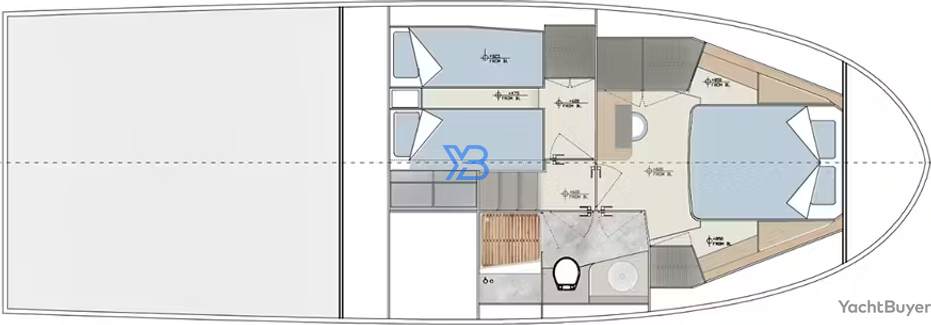
![Lower Deck Greenline 42]()
Standard lower deck with a single bathroom
-
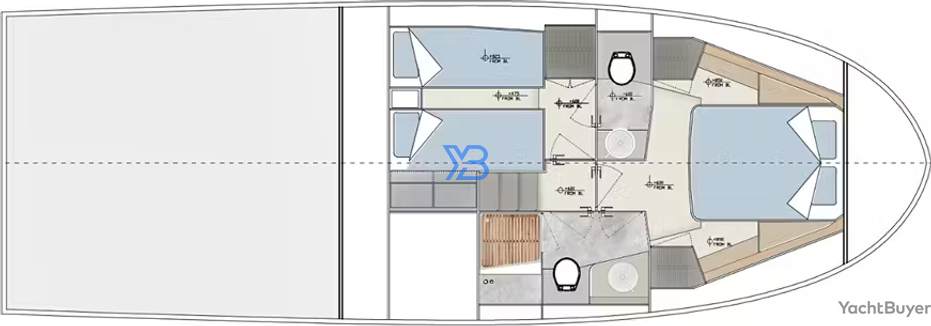
![Lower Deck Greenline 42]()
You can have two bathrooms as an option
-
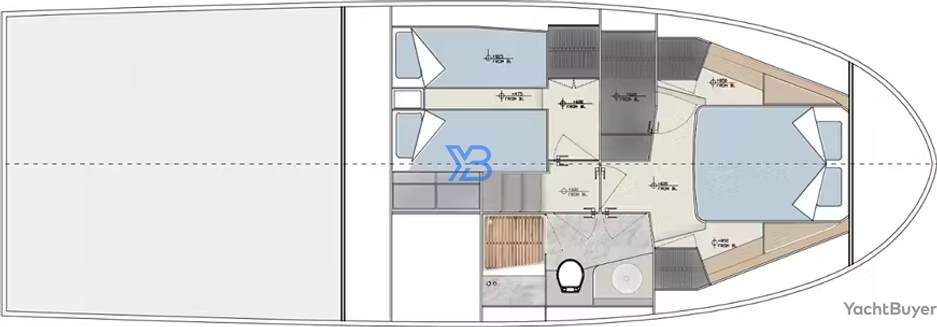
![Lower Deck Greenline 42]()
Or a walk-in wardrobe
Available Stock


Greenline
Greenline 4214m | Greenline 42
2026 M/Y Greenline 42
2 x Yanmar 250hp
Features: Swim Platform, Bow Thruster
Interested in a Greenline 42?
NEW Build
Find your local dealer for a personalised, no-cost consultation
or just request
Brochures & Pricing
Used & In Stock
Looking for a ready-to-go Greenline 42 or pre-owned options? Explore all inventory of the Greenline 42 available worldwide