Alternative propulsion is becoming a defining feature of the 2026 yacht market. Lürssen, Feadship, Damen Yachting and Tankoa are pushing fuel-cell and hybrid technology at the custom end, while GX Superyachts and Sunreef are bringing solar-electric systems to yachts that owners can order today.
Lürssen Nausicaä takes methanol to 114 metres
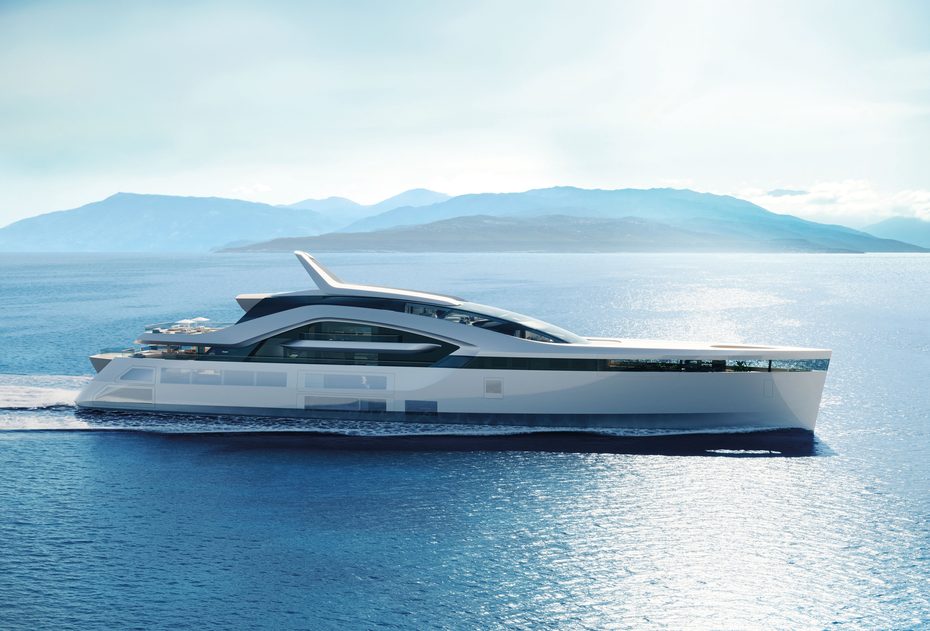
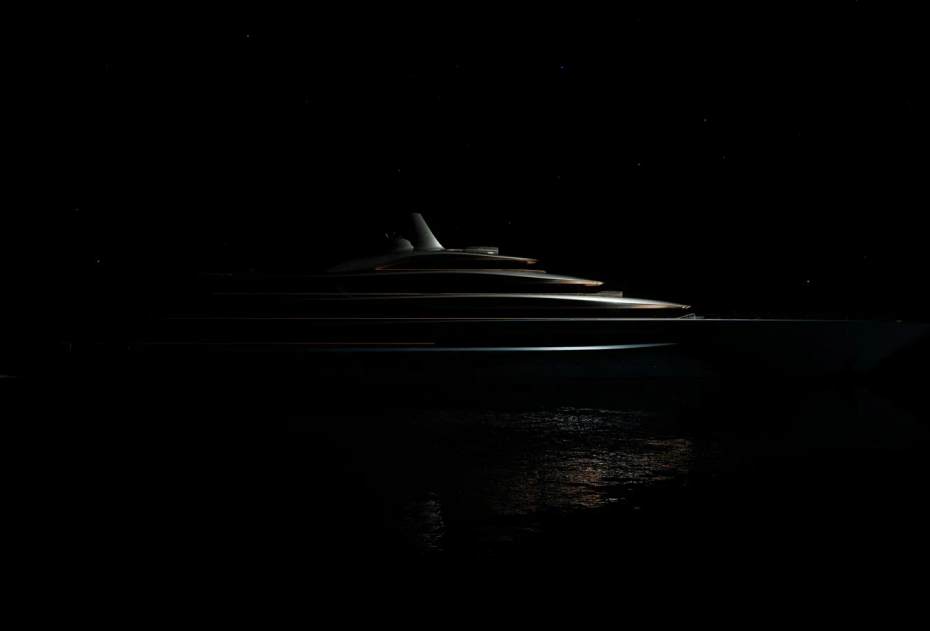
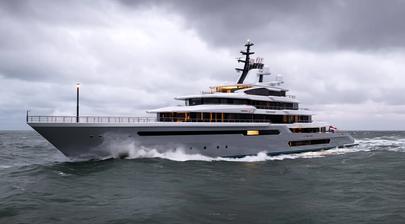
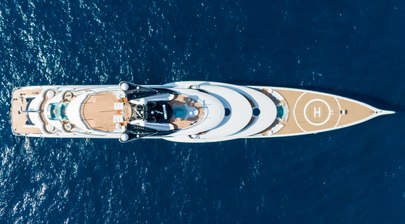
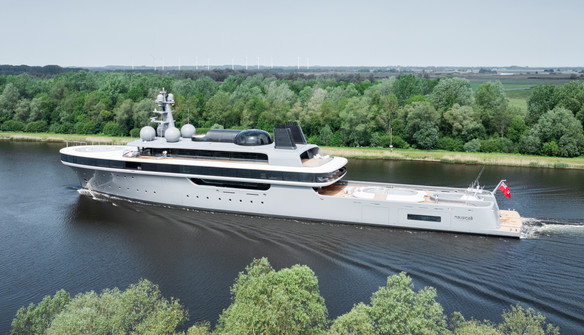
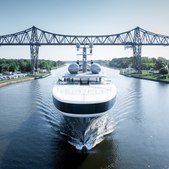
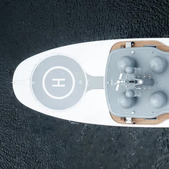
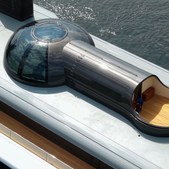
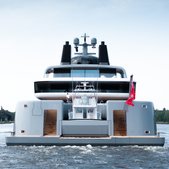
One of 2026’s biggest milestones is Lürssen’s 114m Nausicaä, a four-deck Ice Class 1D explorer designed inside and out by Marc Newson, which also ranks 36th in the YB100, YachtBuyer’s annual ranking of the world’s biggest yachts by gross tonnage.
Guests
18
Cabins
9
Crew
36
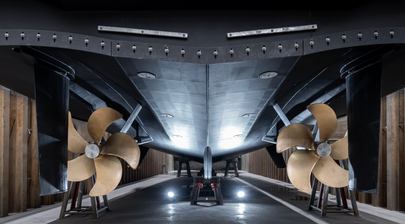
It has two 500kW methanol fuel cells that reform methanol onboard to produce hydrogen, allowing around 1,000 nautical miles of electric operation and up to 15 days at anchor without emissions. Diesel-electric propulsion remains available for higher speeds and longer passages.
At this scale, Nausicaä represents an important proof point: fuel-cell technology has moved beyond the concept stage and into a genuine global cruising platform.
Hybrid yachts become the practical alternative
Elsewhere, hybrid propulsion is emerging as the more immediately accessible route to lower consumption.
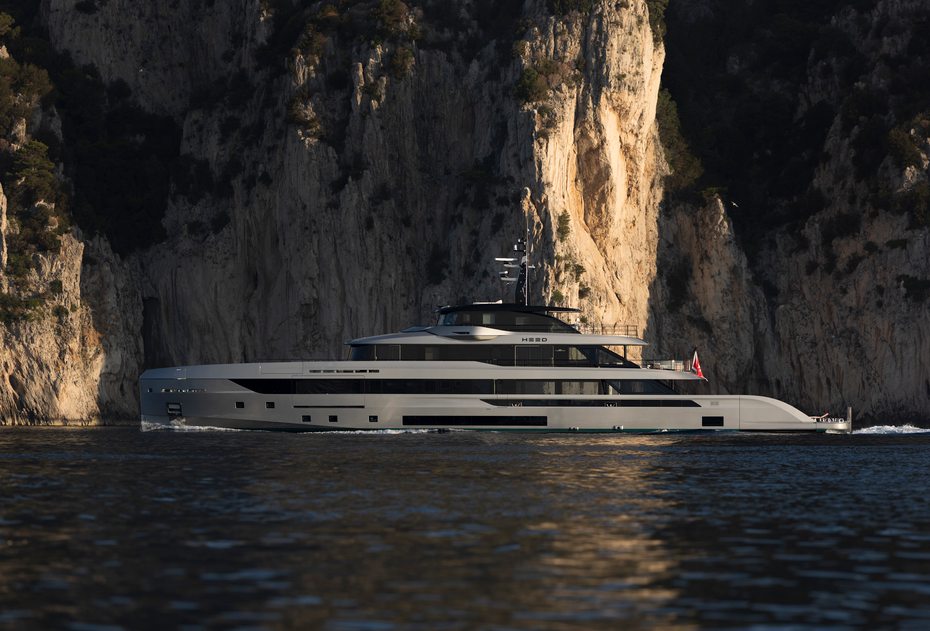
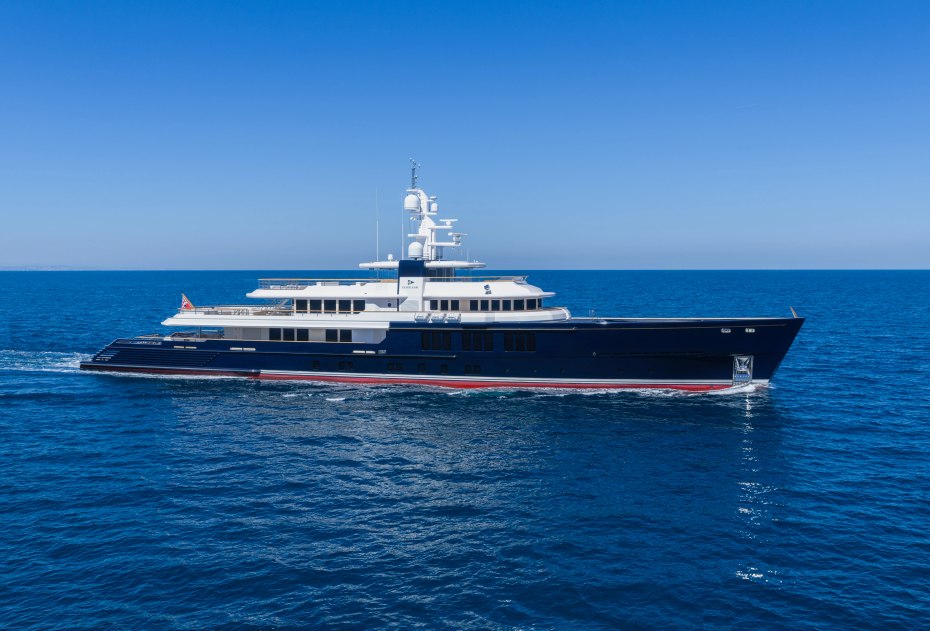
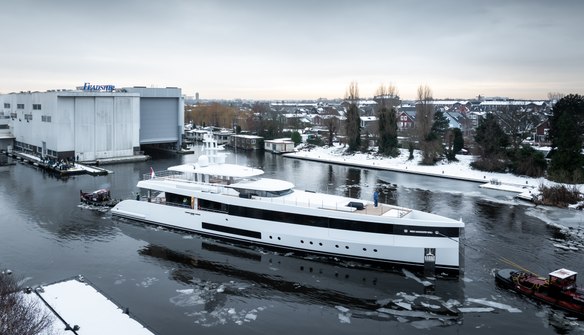
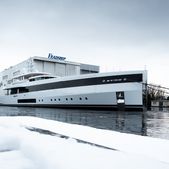
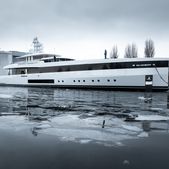
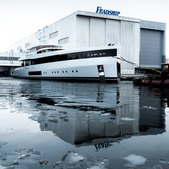
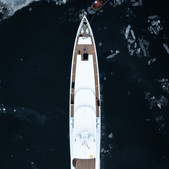
The 50m Feadship superyacht Graycliffs combines a custom diesel-electric propulsion package with a 100 kWh battery bank, reducing generator hours, fuel consumption, noise, and vibration. Its projected range is 4,000nm at 10 knots.
Guests
10
Cabins
5
Crew
8
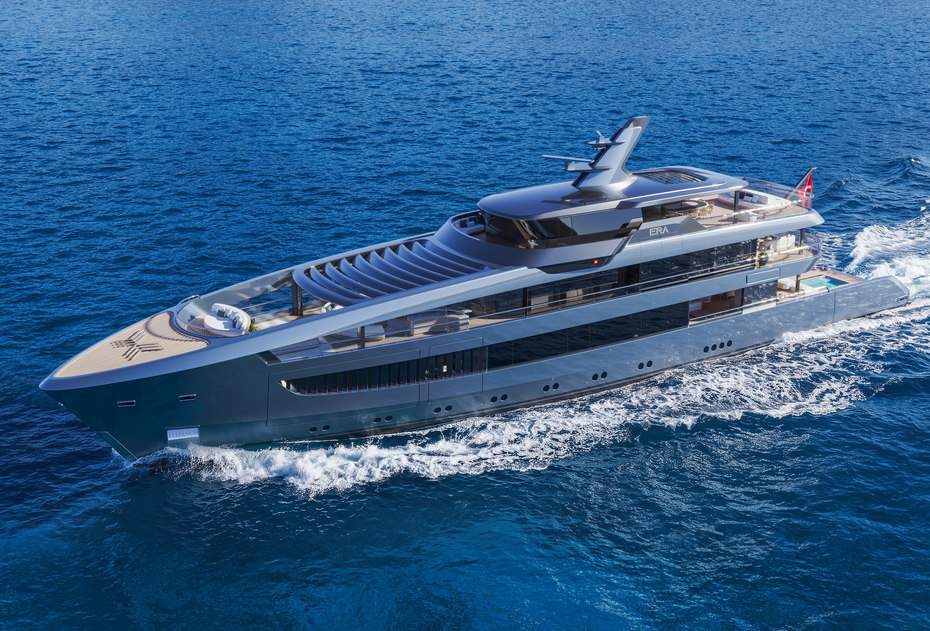
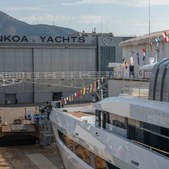
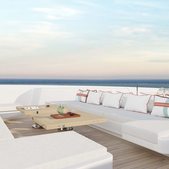
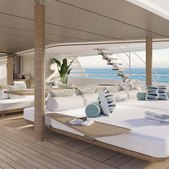
Looking beyond this year, Tankoa’s 52m Spirit, scheduled for delivery in 2027, takes a parallel-hybrid approach, with the Vitruvius Yachts-designed vessel targeting fuel savings of up to approximately 59%, alongside silent electric operation and improved waste and water treatment.
Guests
12
Cabins
6
Crew
9
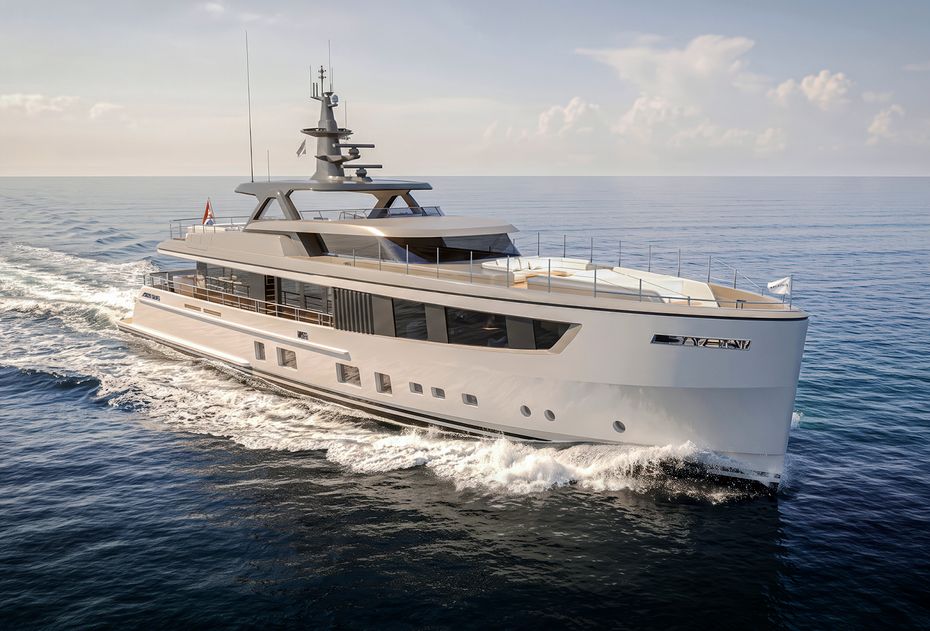
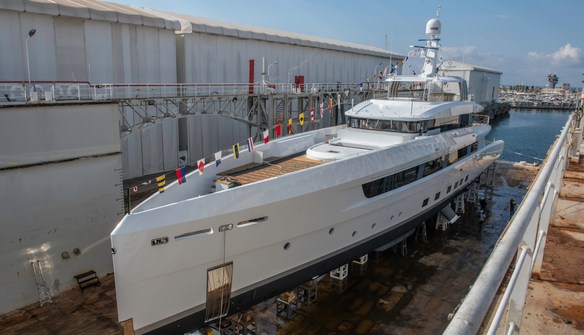
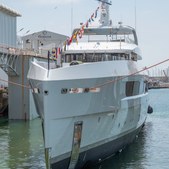
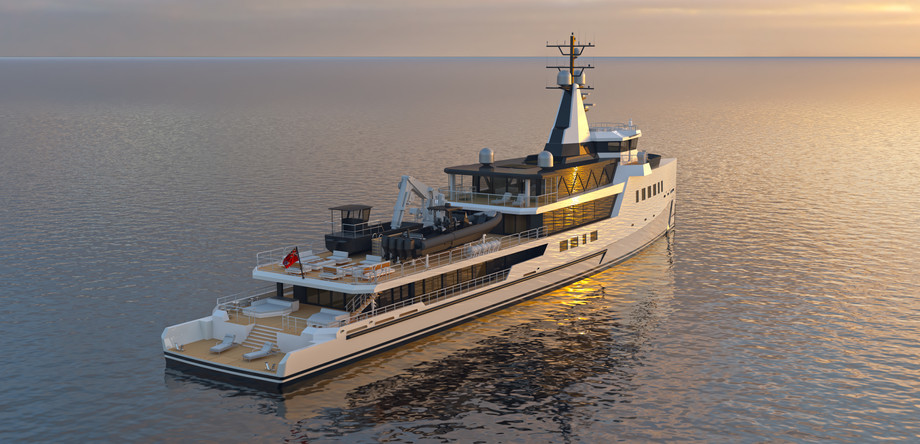
Damen Yachting is applying similar thinking to expedition cruising. Its 75m Custom 75 Hybrid yacht, launched in May, uses PTO/PTI hybrid drives for electric operation at lower speeds, battery-supported silent nights and an energy-management system designed to optimise generator loads. Range is quoted at around 6,200nm at 14 knots.
Guests
12
Cabins
Crew
24
GX42 RPH brings hybrid technology to semi-custom yachts
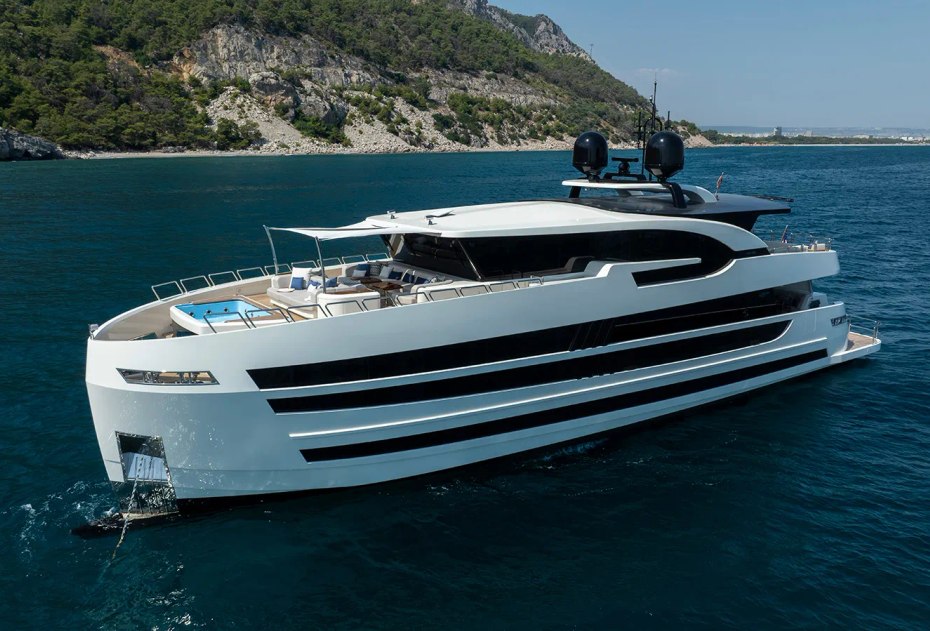
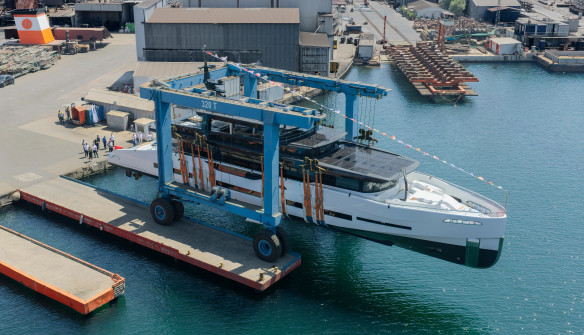
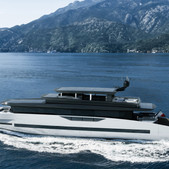
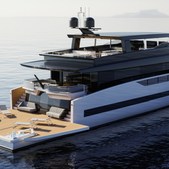
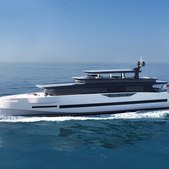
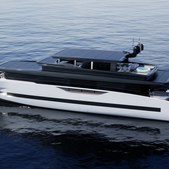
The GX42 RPH demonstrates how this technology is moving beyond fully custom yacht projects.
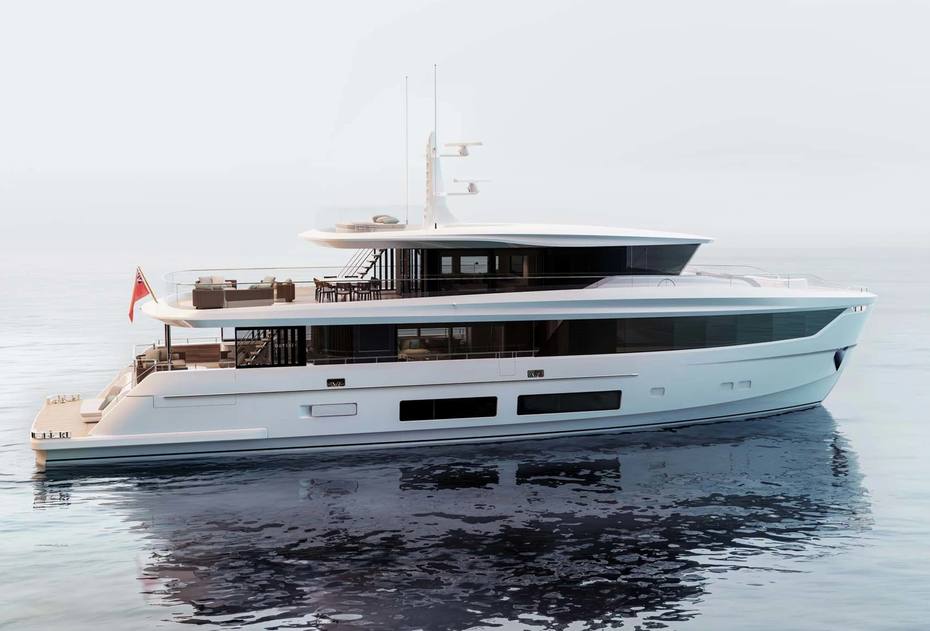
Developed by GX Superyachts from Greenline’s hybrid experience, the 42m aluminium yacht features hybrid propulsion with solar generation and an efficient hull. Its first launch is scheduled later this year.
Rather than presenting sustainability as a standalone feature, GX integrates its lower-impact technology into a conventional luxury yacht proposition, complete with long-range cruising capability and customisable interiors.
Guests
10
Cabins
5
Crew
7
Solar-electric yachts continue to grow
Production multihulls remain another important part of the market.
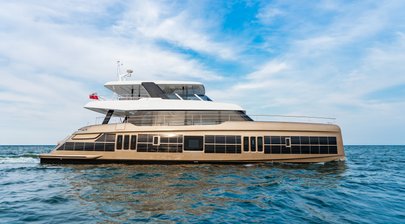
The 60 Sunreef Power Eco uses photovoltaics integrated into its hull, superstructure and bimini alongside electric propulsion and lightweight batteries. The larger Sunreef Power Eco range applies the same principle, using the substantial surface area of a catamaran to generate electricity throughout the day.
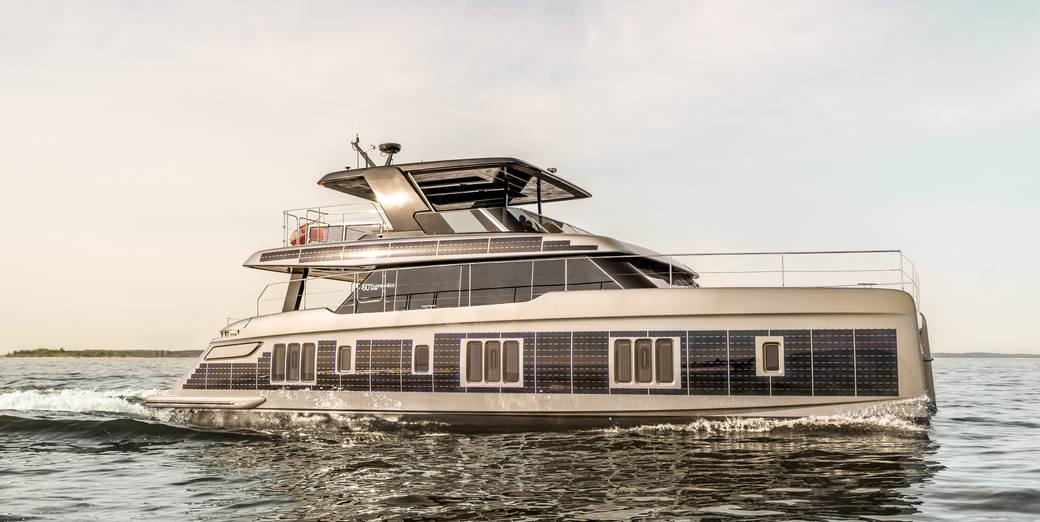

The Silent Yachts Silent 62 range offered in closed, open and flybridge configurations, and Arcadia Yachts Arcadia A85 demonstrate how solar panels can increasingly become part of a yacht’s architecture rather than an aftermarket addition.
Hydrogen still sets the benchmark
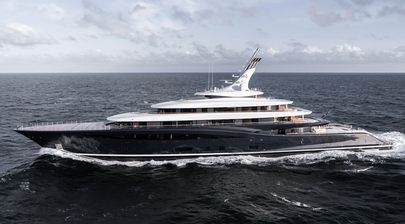
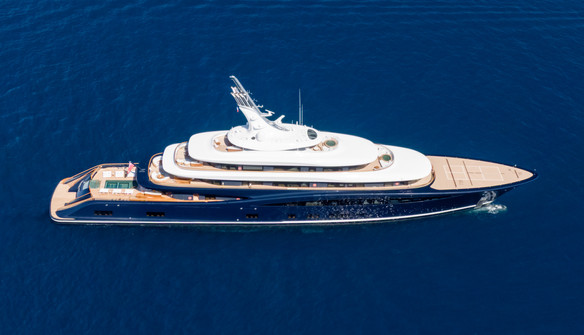
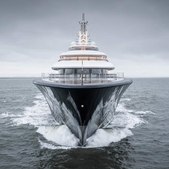
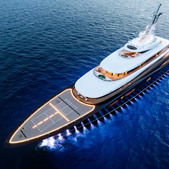
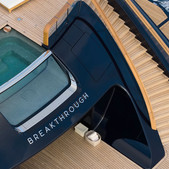
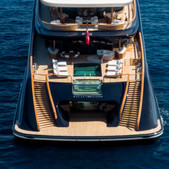
Although delivered in 2025, Feadship’s 119m Breakthrough remains highly relevant to the 2026 market.
Its liquid-hydrogen fuel-cell system can supply emission-free hotel loads and low-speed operation, establishing an alternative technological route to the methanol reforming used aboard Nausicaä.
Guests
30
Cabins
15
Crew
44
Why 2026 is a turning point
Three trends are becoming clear. Fuel cells have reached full megayacht scale, hybrid propulsion is becoming a practical engineering choice rather than an experimental feature, and solar-electric technology is increasingly available on production and semi-custom yachts.
There are still limitations. Alternative-fuel bunkering remains patchy, while batteries cannot yet replace conventional propulsion for sustained high-speed, long-range operation aboard large yachts.
But the centre of gravity has shifted. From Nausicaä and Breakthrough at the top of the fleet to hybrid explorers and solar-electric production yachts, environmental performance is increasingly being designed into yachts from the beginning.
YachtBuyer MarketWatch tracks listings, model data and sisterships across the market, helping buyers compare today’s eco-focused yachts as hybrid, solar and alternative-fuel technologies continue to evolve.
Looking to buy a yacht? View all new and used superyachts for sale, tracked in real time by YachtBuyer MarketWatch. We scan the entire market to ensure access to all genuine listings, saving you time. Alternatively, you can view all other yachts for sale.