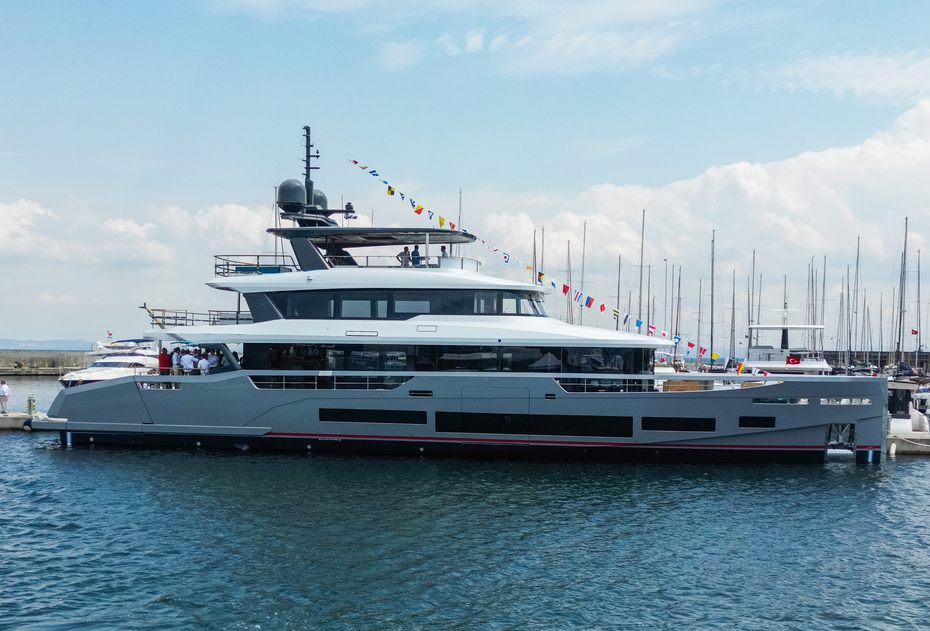
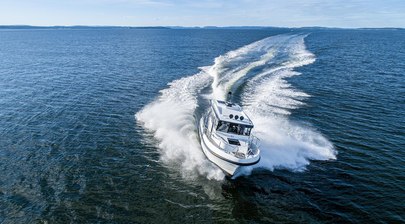
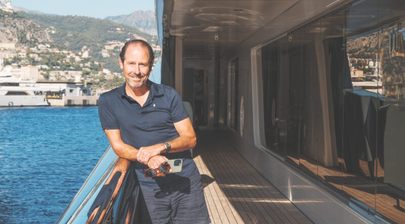
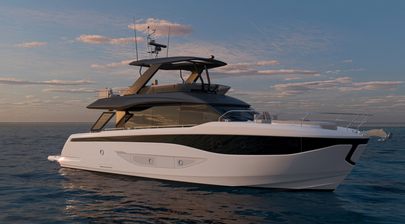
Just two days after handover, YachtBuyer joined Peter aboard his new Nord Star 49+ for a 45-nautical-mile passage from Southampton to Weymouth, gaining an unusually early owner's perspective on the Finnish flagship.
- Watch the Full Nord Star 49+ Owner Interview
- Why Did a Targa Owner Choose the Nord Star 49+?
- How an Experienced Owner Customized His Nord Star 49+
- What Three 480hp Engines Do for the Nord Star 49+
- Why Didn't This Nord Star 49+ Owner Choose a Seakeeper?
- What Is the Triple-Engine Nord Star 49+ Like at Sea?
Watch the Full Nord Star 49+ Owner Interview
Why Did a Targa Owner Choose the Nord Star 49+?
Peter's decision did not come from dissatisfaction with Targa. In fact, he remains an enthusiastic supporter of the Finnish brand after putting significant hours on two of its boats.
"I love Finnish pilothouse cruisers. I've had a couple of Targas now. Love them," he told YachtBuyer. The deciding factor was the Nord Star 49+'s interior. "This one pips the post in terms of internal layout."
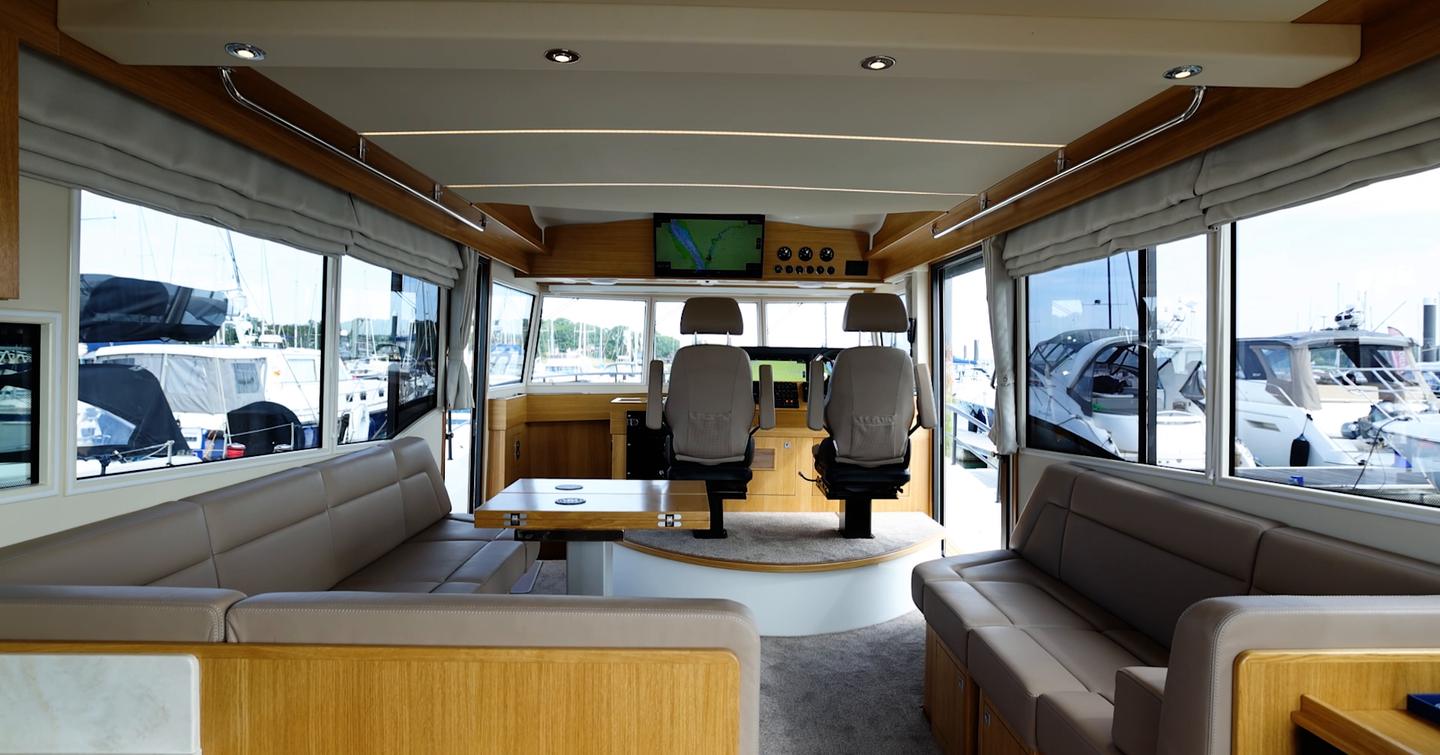
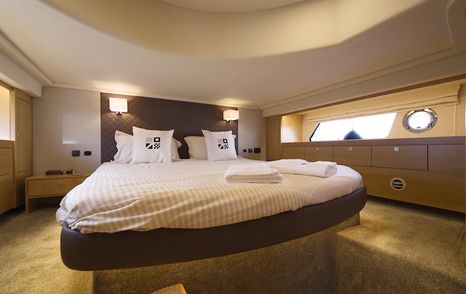
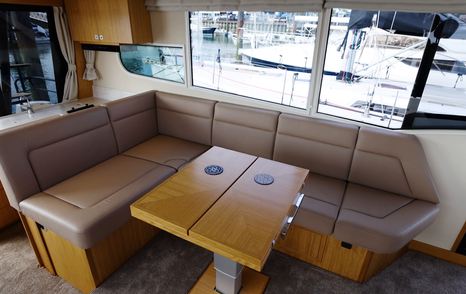
Peter first stepped aboard the model at the Southampton Boat Show. Around 11 months later, he was taking delivery of his own extensively specified example.
We went to the Southampton Boat Show, went onboard. That’s what convinced us it was this model that would be the one.”
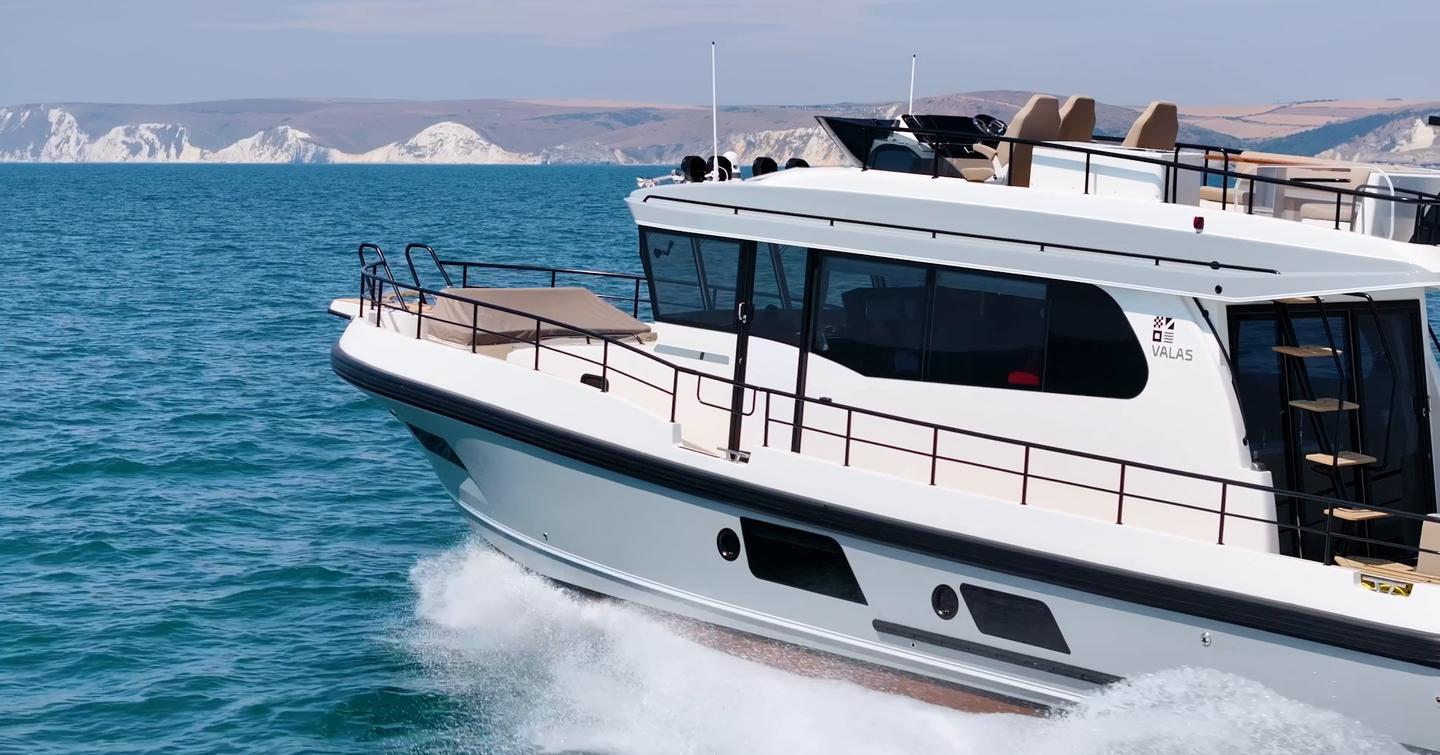
Peter's choice came down to how he wanted to use the space. In the cockpit he chose the more sociable dinette arrangement over the fixed-bench version, while inside he chose the cruiser layout, which gives up the larger galley option in favour of more living space. It was not just a case of the Nord Star being bigger: the layout suited the way he actually uses a boat, while still giving him three good double cabins. The third cabin also gives the owner's cabin an extra layer of separation from the engine room.
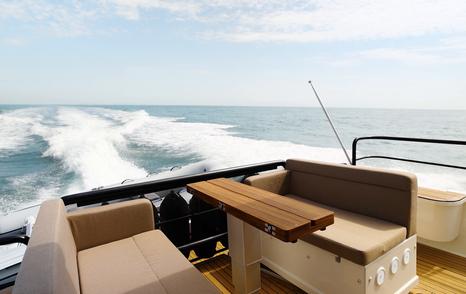
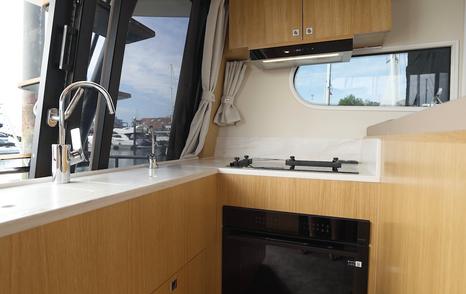
That choice closely reflects YachtBuyer's findings from our independent Nord Star 49+ sea trial, where the main-deck arrangement and more modern interior helped set it apart from the Targa 46 and Sargo 45.
How an Experienced Owner Customized His Nord Star 49+
Peter's boat is particularly interesting because many of its changes are not headline-grabbing options. They are details learned through years of actually using boats. "I put a lot of hours on my Targa," he explained. "You learn about your preferences and things you really wish you had."
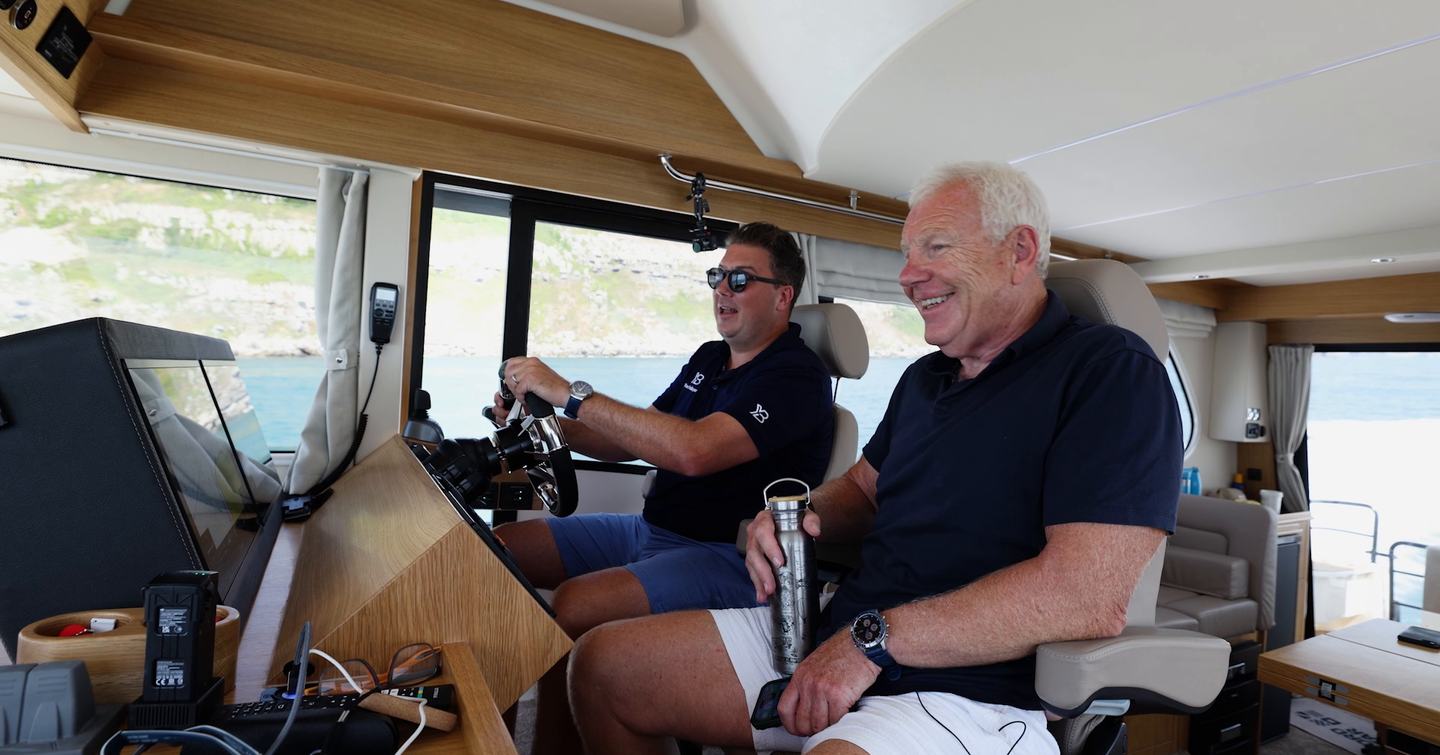
Nord Star accommodated changes across the flybridge boat, from bespoke fender storage in the cockpit and real teak tables ondeck to thicker flybridge guardrails, an additional grab handle and a wind deflector around the upper helm. Peter also had the lower-helm seat bases extended after finding the standard cushions a little short, along with three joystick control stations, 360º cameras and an engine-room camera.
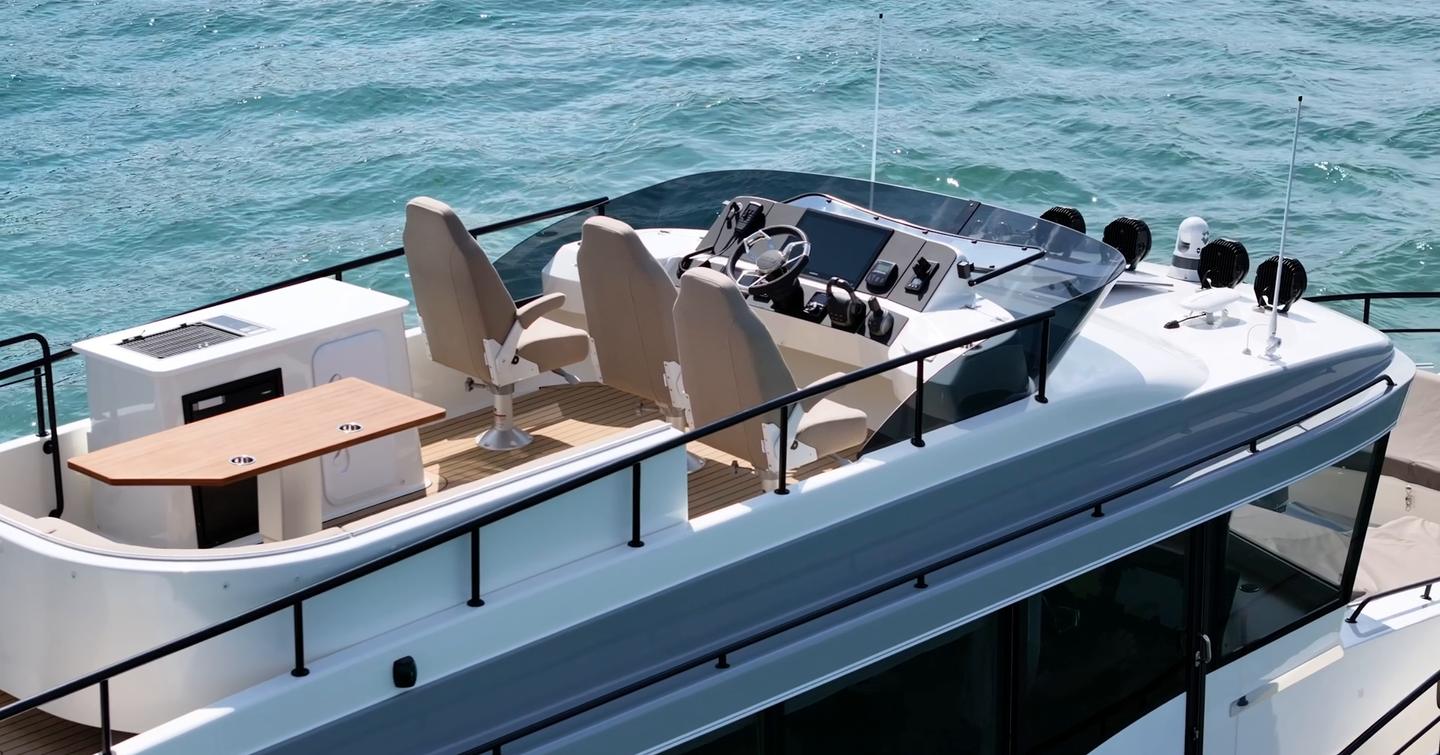
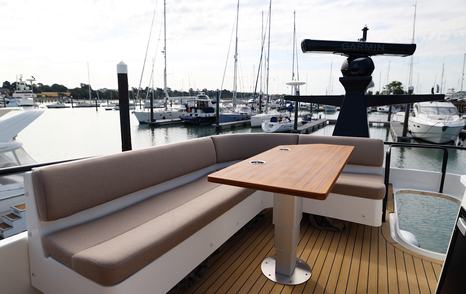
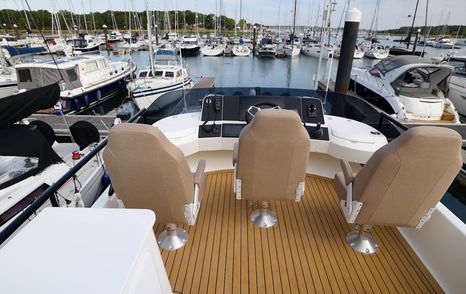
The boat also has lithium service batteries, a 10kW Fischer Panda generator, anchor controls and a chain counter at the flybridge helm, plus open-array radar.
Peter visited the yard in Finland three times during the project and said the builder remained open to changes throughout the process.
“I just wanted to make sure I wasn’t going backwards. I was always going forward.”
Some requests were highly specific. Even the gray hull color was tested at home using different paint samples sprayed onto a septic tank so Peter could assess them under changing sunlight.
The final choice was RAL 7042A, the same color used on his previous boat.
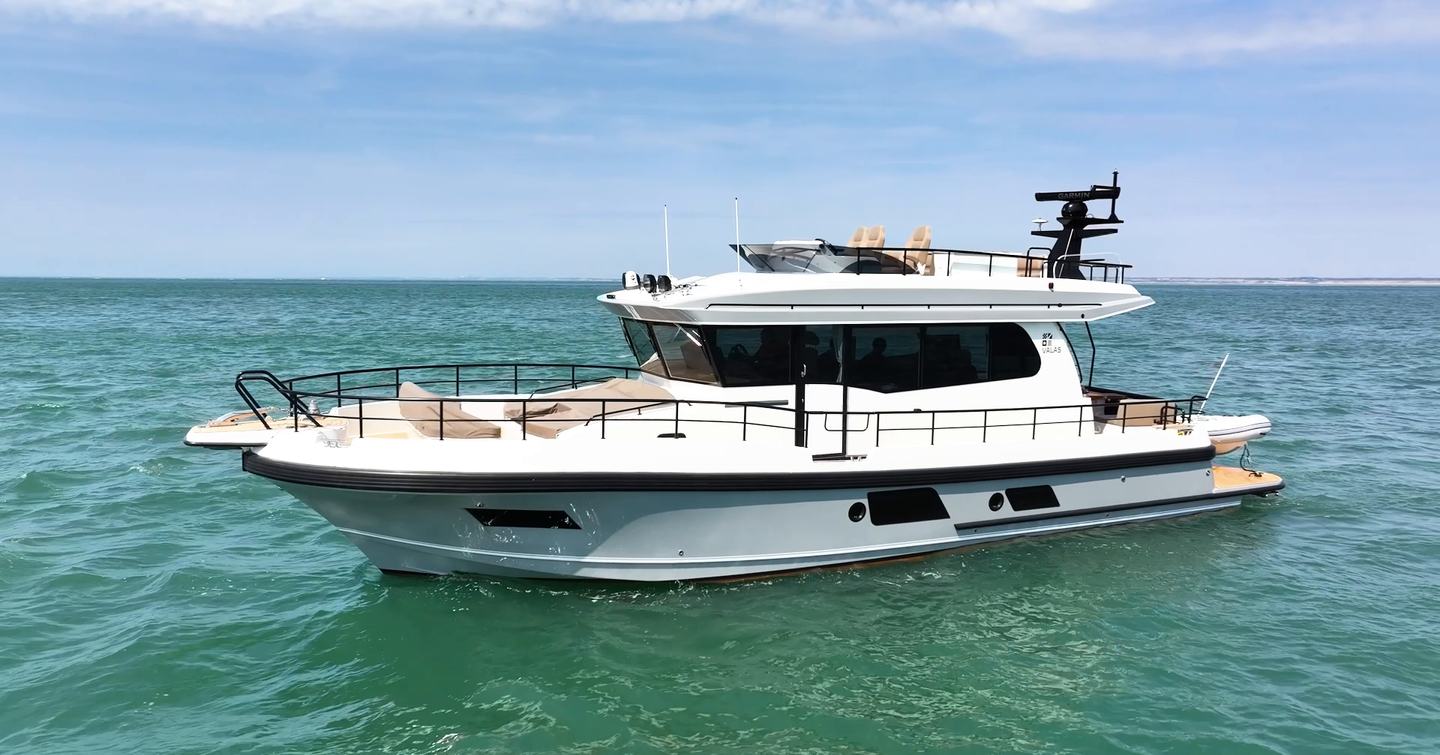
After only a couple of days aboard, Peter was pleased with how his long options list had worked out. So far, there was only one thing he thought he might have added: air conditioning. Even then, he put that down partly to Britain's unusually hot summer.
What Three 480hp Engines Do for the Nord Star 49+
The most significant departure from a typical specification sits beneath the cockpit. While the standard Nord Star 49+ engine options use twin installations, Peter chose three 480hp engines, giving his boat a total output of 1,440hp and making it the most powerful Nord Star built to date.
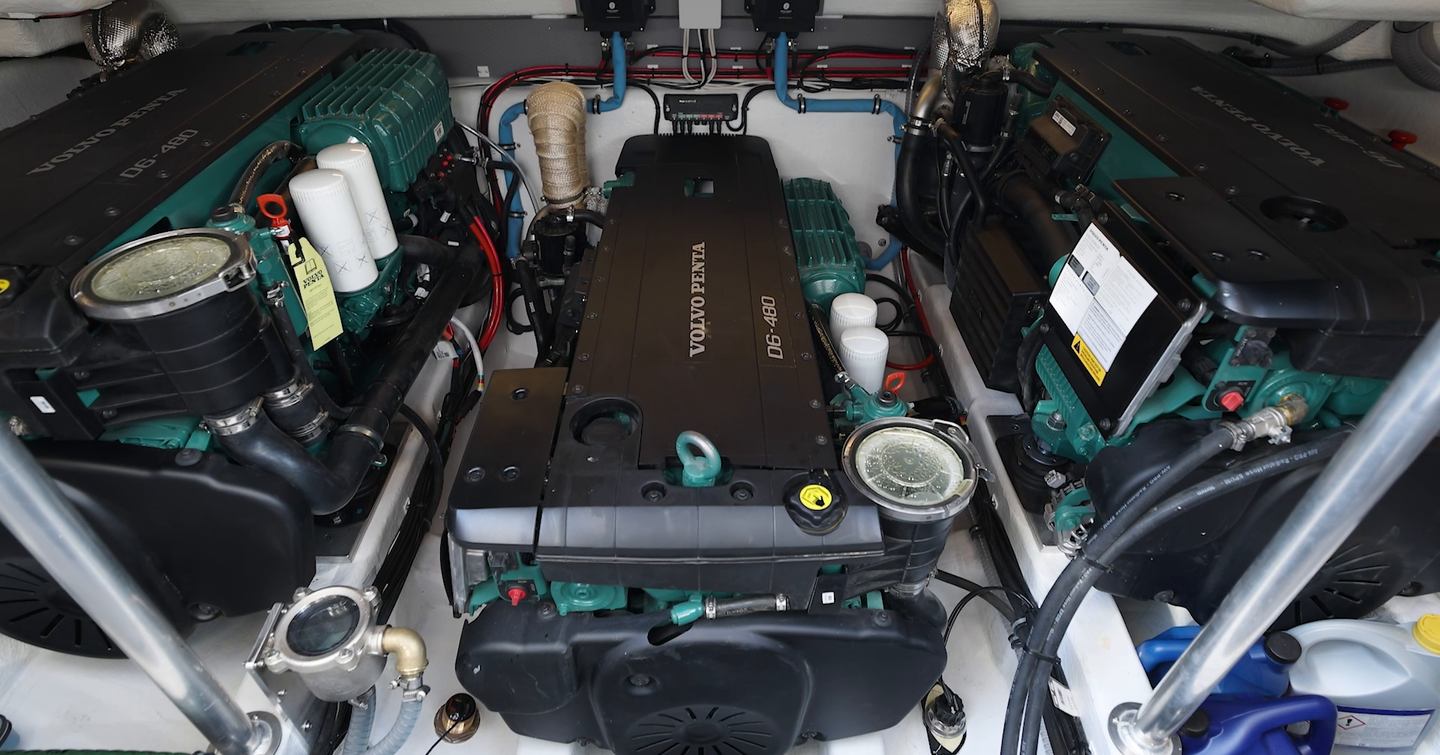
His previous Targa used twin 440hp engines and delivered the stronger performance he had become accustomed to. After demonstrating the Nord Star, he liked the boat's layout but felt the standard example needed more acceleration for his preferences.
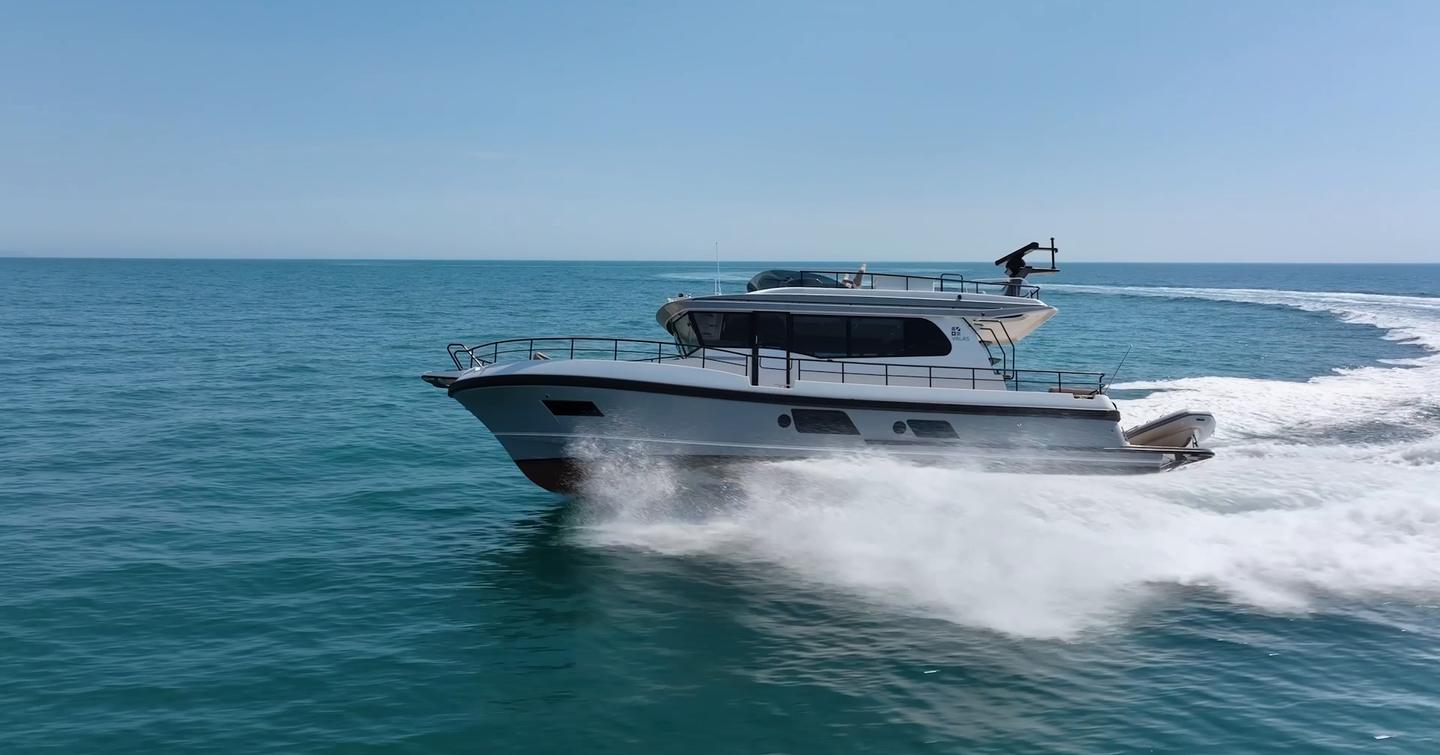
"I just felt it needed a bit more pep," he said. The resulting triple-engine installation was approved with CE marking, according to Peter. On his first outing, he said the boat reached 42 knots at full power in relatively calm water, around eight knots faster than the 34-knot maximum recorded for the twin-engine Nord Star 49+ in YachtBuyer's original test.
Why Didn't This Nord Star 49+ Owner Choose a Seakeeper?
Peter's specification is just as interesting for what he chose to leave off. There is no hydraulic high-low bathing platform and no Seakeeper stabilizer.
Weight was a major reason. With a third engine already adding roughly 800kg aft, Peter did not want another heavy installation around the transom. He was also concerned about running noise from a stabilizer while sleeping at anchor.
The space was put to a different use: more fuel.
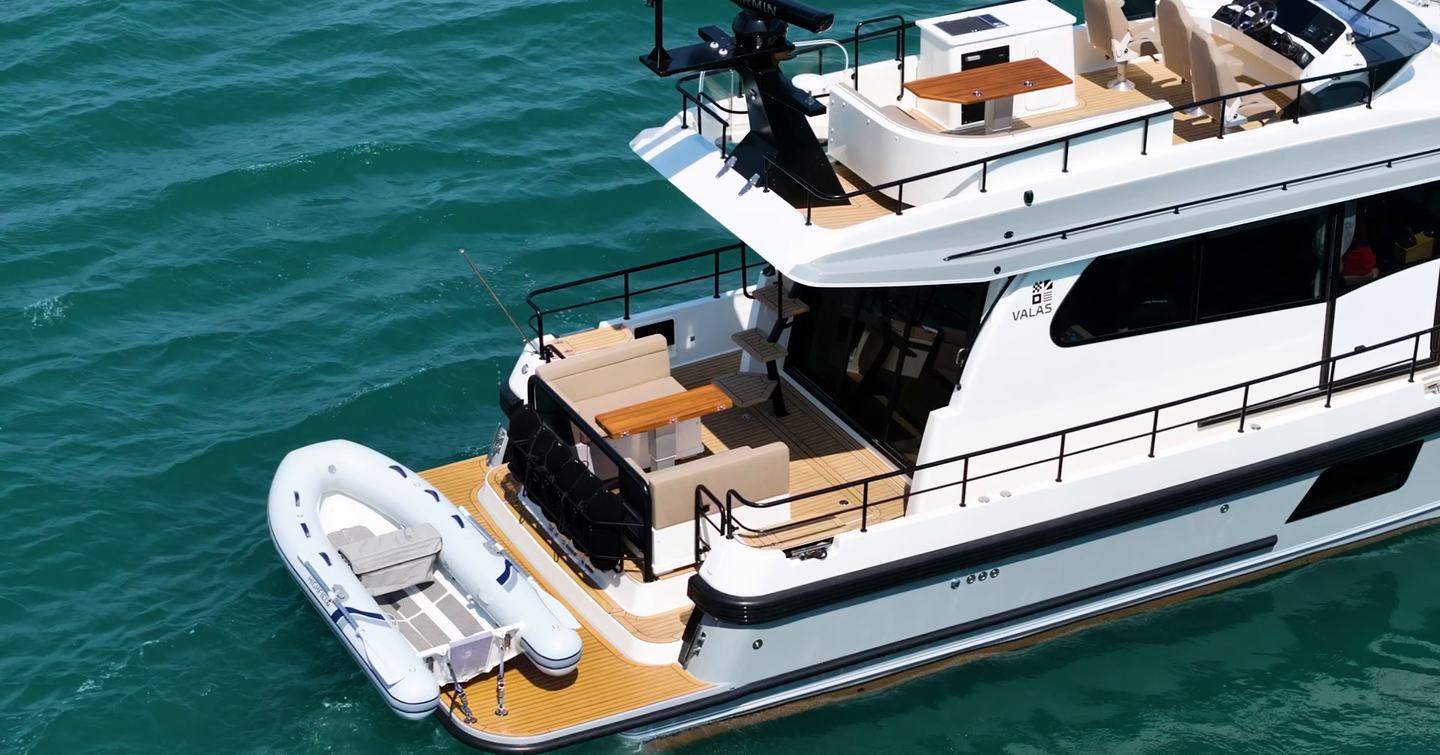
Peter specified two additional 500-liter tanks alongside the main 1,000-liter supply, bringing total capacity to approximately 2,000 liters. That gives him what he describes as a safe target range of around 350 nautical miles.
The decision makes sense when his cruising plans are considered. After dropping the YachtBuyer crew in Weymouth, the boat was due to continue to Plymouth before heading around the Lizard, then on toward Padstow and Neyland in Pembrokeshire.
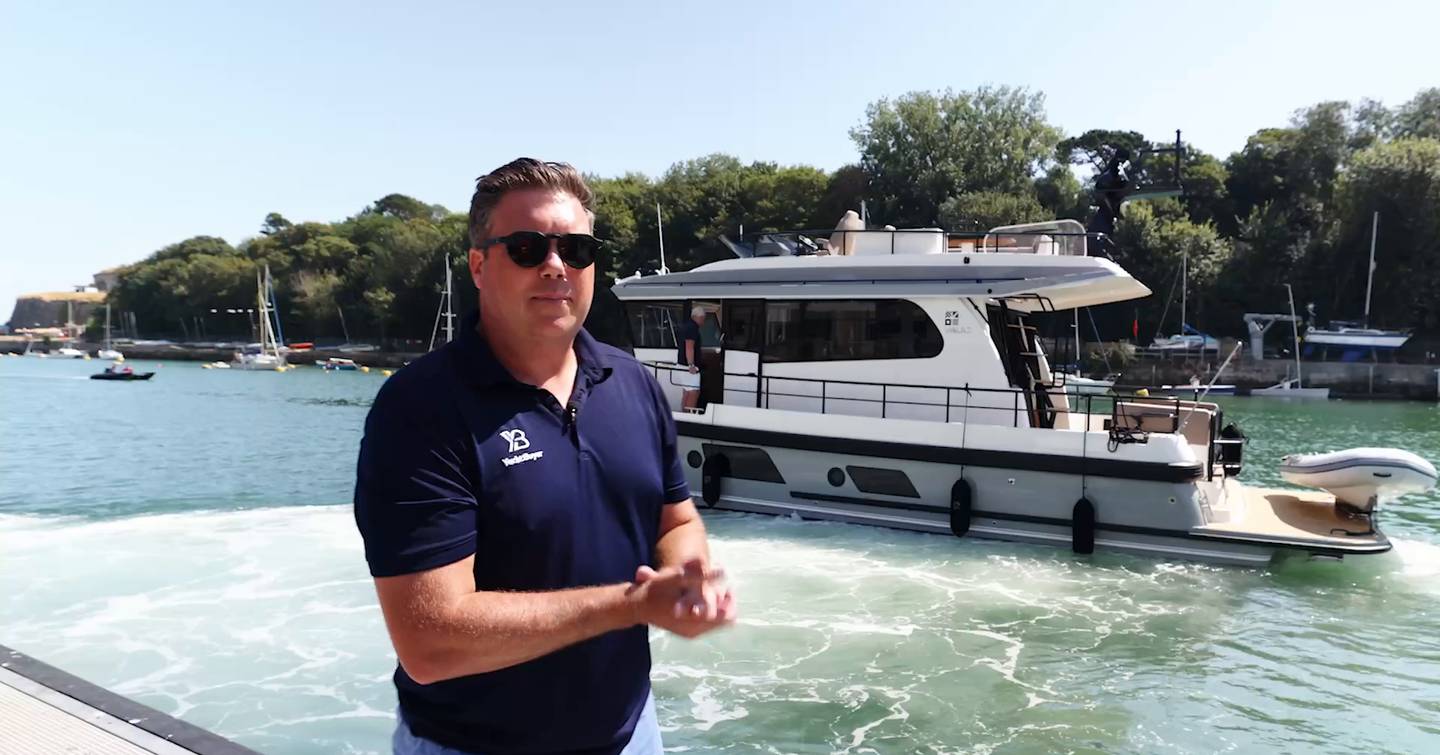
Peter expects most passages to last four or five hours, usually at around 28 knots, and he hopes favorable conditions could bring consumption down toward 4.5-4.7L per nautical mile.
What Is the Triple-Engine Nord Star 49+ Like at Sea?
This passage also gave YachtBuyer the chance to revisit the 49+ motor yacht under very different circumstances from its previous test.
In 2025, YachtBuyer drove a twin-engine Nord Star 49+ for 60 nautical miles between Cannes and Toulon in a 5-6ft chop. The rough-weather test highlighted the hull's ability to keep the ride controlled and dry, with the Grammer suspension seats taking much of the impact away from the crew.
-
 BOAT TESTNord Star 49+ Review (2023 Edition)
This time the sea was considerably calmer, but the triple-engine installation revealed another side of the boat. Peter was particularly impressed by the seated driving position. Having regularly driven his Targa standing up, he had initially questioned whether losing that option would matter.
It did not take long for the Grammer suspension seats to change his mind.
When conditions became choppier around St Alban's Head, his first impressions also matched what YachtBuyer experienced during the earlier Mediterranean test. "It just irons out the waves really well," Peter said.
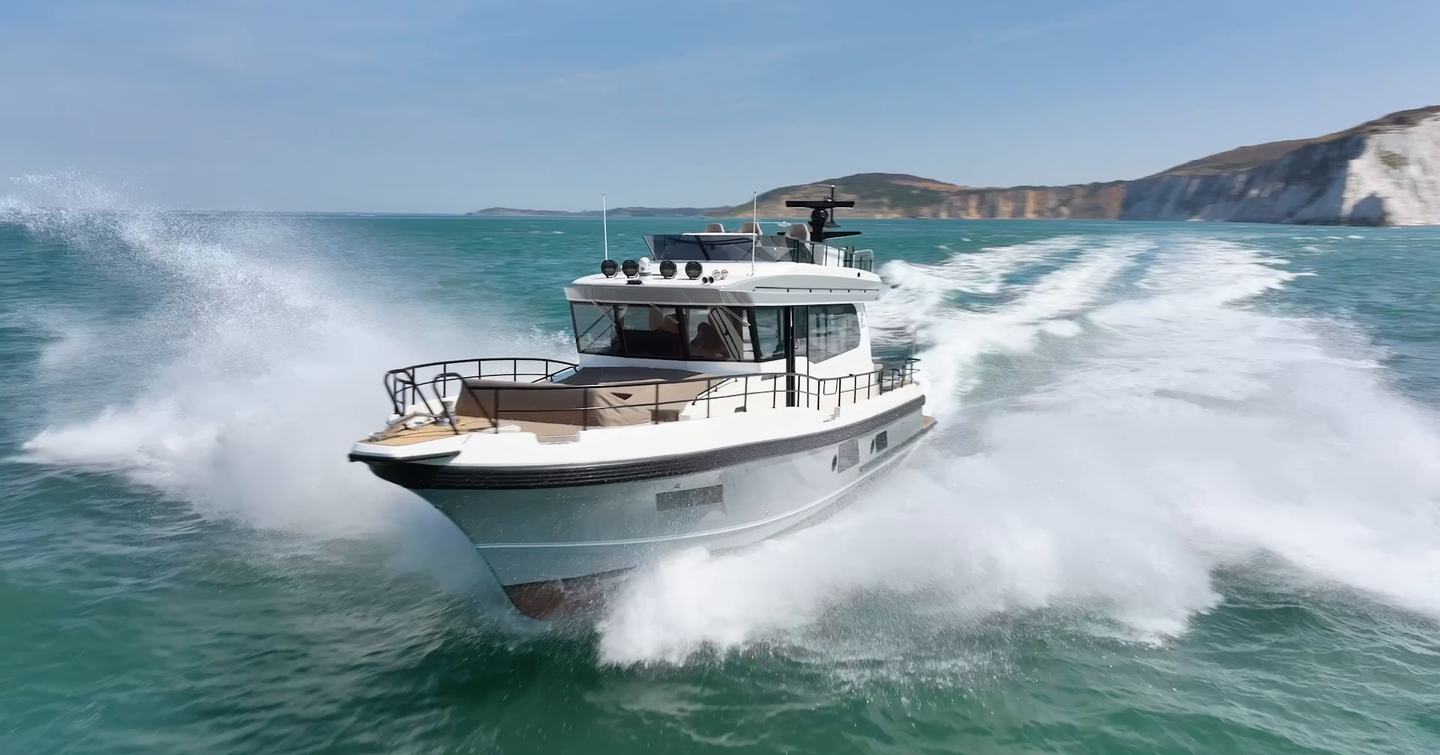
After taking the helm, YachtBuyer tester Jack Haines was struck by the extra installation's mid-range response and the 49+'s ability to change direction quickly despite its size. At 30 knots, five people were able to hold a normal conversation inside the wheelhouse boat without noticeably raising their voices.
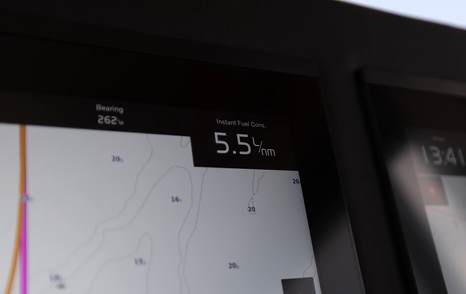
The passage also gave YachtBuyer some useful real-world fuel figures from the triple-engine boat. With five people aboard and around 1,800 litres of fuel at departure, the 49+ settled at 27-28 knots with the onboard displays at roughly 5.5L per nautical mile, despite a foul tide. Later, at 31-32 knots, the reading was still around 5.5L/nm.
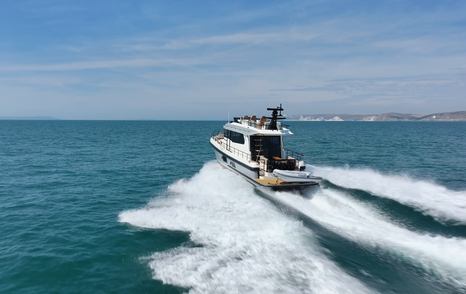
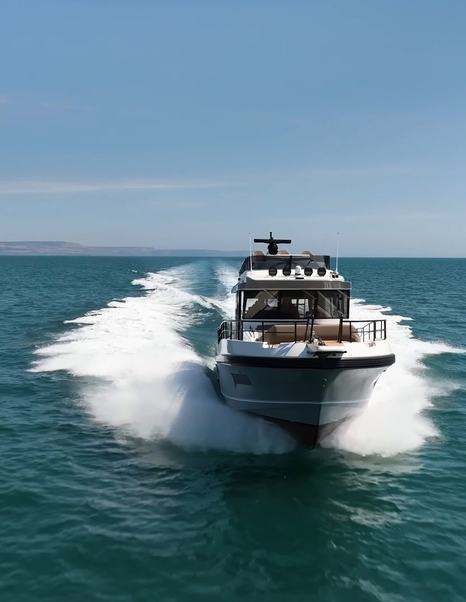
For steering, Peter considers handling important for more than entertainment, particularly when operating around the west coast of Britain where changing sea states can require constant adjustments to speed and course. In choppy conditions, he said, the ability to alter the angle at which the boat meets the waves is essential. The triple-engine 49+ retained the responsive character found during YachtBuyer's original test, while the extra propulsion gave it noticeably stronger performance.
Looking to buy a Nord Star yacht? View all new and used Nord Star 49+ boats for sale, tracked in real time by YachtBuyer MarketWatch. We scan the entire market to ensure access to all genuine listings, saving you time. Alternatively, you can view all other Nord Star boats for sale.