-
Guests
12
-
Cabins
6
-
Crew
14
| Length | GT | Built |
|---|---|---|
|
44.3m
|
499 GT | 2025 |
| Beam | Draft | Top Speed |
| 8.6m | 2.78m | 14 Kts |
Nasiba is a 44.3m expedition yacht delivered by Italian shipyard Cantiere delle Marche in 2025. Her naval architecture and exterior design comes from the drawing boards of Hydro Tec, while Winch Design is responsible for her interior design.
Key Features
- Low-toxicity interior finishes
- Carbon fibre A-frame tender crane
- 5,500nm cruising range
- Infra-red sauna in owner’s suite
- Tier III-compliant for protected cruising
- Foredeck ice plunge pool
Design & Construction
Designed around a displacement steel hull and an aluminium superstructure she features a 8.6m beam and a 2.78m draft. The yacht is built over 3 decks with an internal volume of 499 GT (Gross Tonnes).
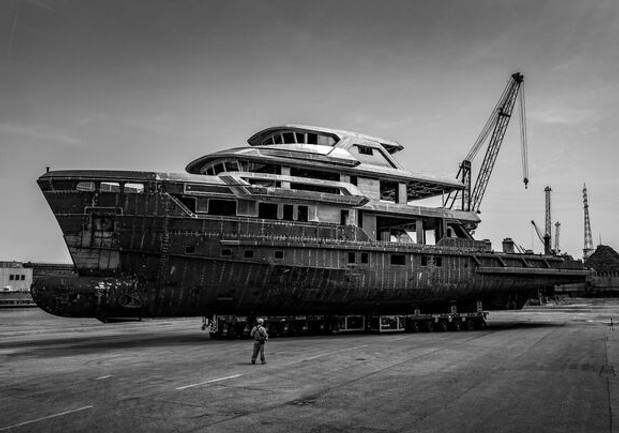
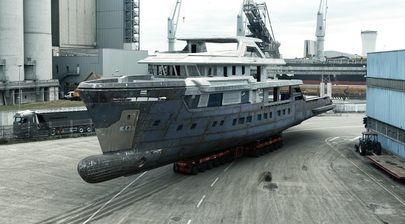
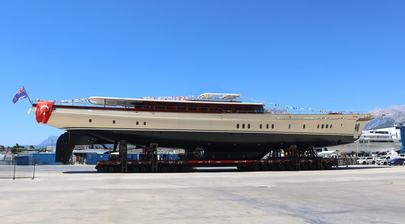
Construction started in late 2022. This was the third yacht built on the Flexplorer 146/4 design. Launched in June 2025 this yacht undertook sea trials over the following months. She was completed at Cantiere delle Marche's Cantiere delle Marche yard in Italy where she was commissioned and delivered to her owners in October 2025.
Exterior Design
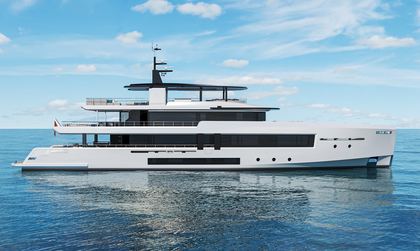
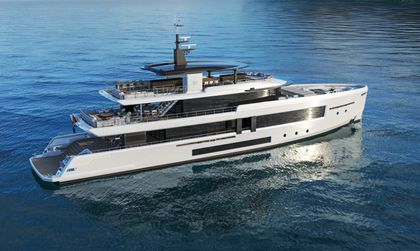
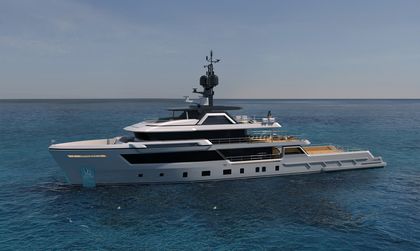
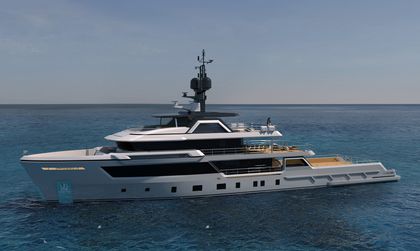
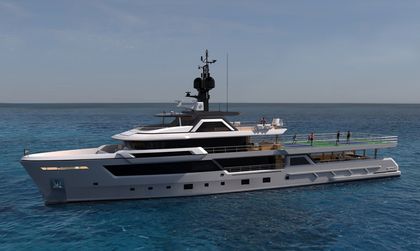
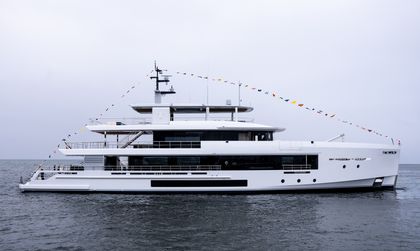
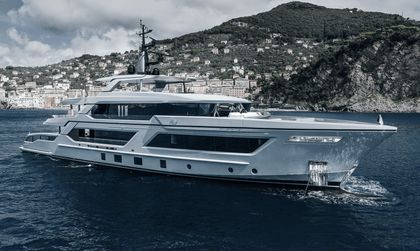
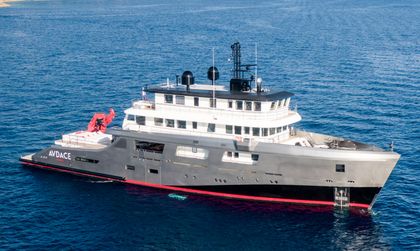
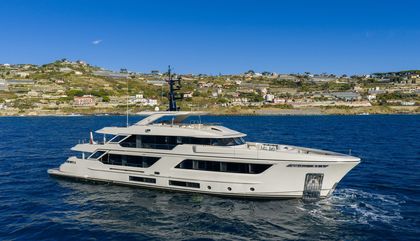
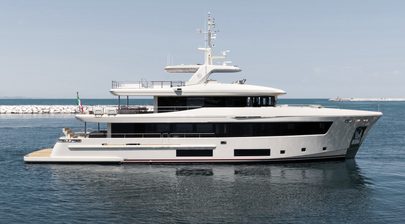
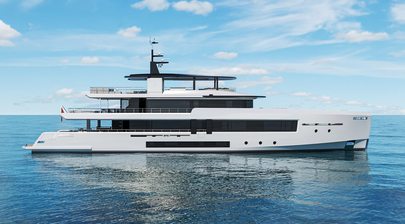
The 44.3m (145.3ft) explorer yacht Nasiba was commissioned by owners planning extended family travel on a global scale, and much of the yacht's design stems from that brief. The Flexplorer platform was created to combine true expedition capability with the living standards expected aboard a modern superyacht. Nasiba's profile reflects that balance. The high bow, deep hull and forward-shifted superstructure give the yacht a strong, purposeful appearance, while extensive glazing and carefully managed proportions prevent the design from feeling heavy or commercial.
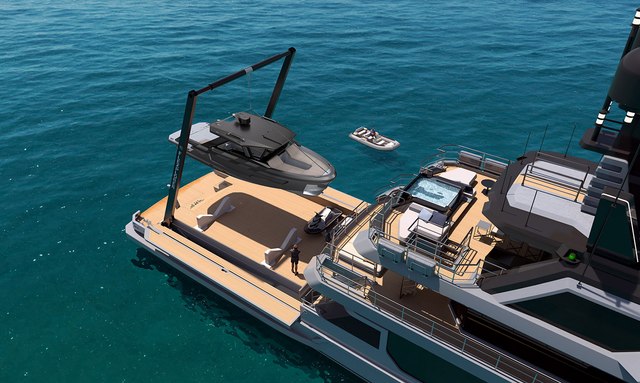
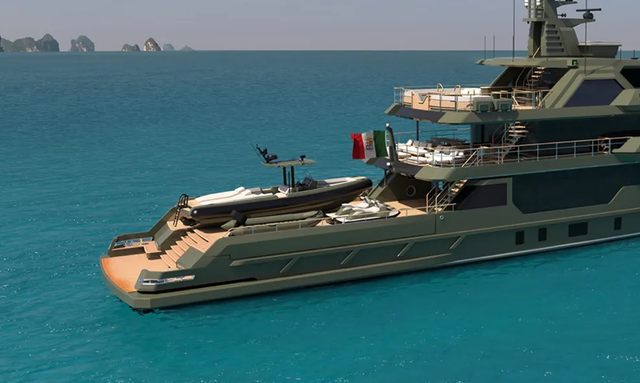
A defining feature of the Flexplorer 146 is its vast aft deck. During passages, this area functions as a working deck capable of carrying a 10m (32.8ft) tender, jet skis and expedition equipment. Once those toys are launched, the same space becomes one of the yacht's largest social areas. Fold-down bulwarks increase the available deck area at water level, creating a broad terrace that can be arranged with loose furniture for dining, lounging or waterside relaxation.
The transformation is made possible by CdM's signature four-tonne carbon-fibre A-frame crane. Unlike traditional explorer yacht cranes that remain permanently visible, this structure folds flush into the deck when not required. In the profile image, the yacht retains clean, uninterrupted lines despite carrying equipment capable of handling substantial tenders and toys.
Outdoor living spaces continue across the upper deck and sundeck. The upper deck aft provides a large dining and lounge area with open views over the stern, while the sundeck adds further seating and relaxation space above the bridge. Forward, the owners created a private wellness area linked directly to their suite, including an ice plunge pool on the foredeck.
Interior Design
While Nasiba's exterior was built around long-range exploration, the interior was shaped by a different brief. The owners wanted a yacht that could support extended family travel while placing health, comfort and natural materials at the centre of daily life. To achieve that, Winch Design worked alongside EcoNest and specialist consultants to examine every material used on board, from flooring and wall finishes through to fabrics, lighting and furniture.
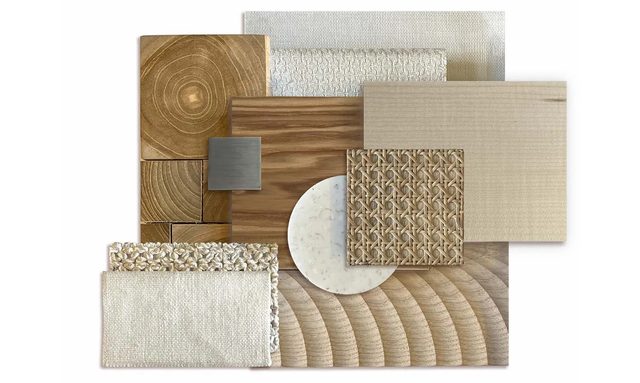
The result is an interior that feels very different from the high-gloss, highly polished spaces often found aboard large yachts. Low-VOC finishes were specified throughout, materials were chosen to reduce exposure to harmful chemicals, and particular attention was paid to indoor air quality and reducing electromagnetic fields. Rather than hiding natural imperfections, many of the materials celebrate them. Timber surfaces reveal their grain and knots, fabrics retain their texture, and matte finishes replace highly reflective surfaces.
The main saloon captures this approach particularly well. Large windows bring daylight deep into the room, while curved sofas, woven textures and pale timber create a relaxed atmosphere. The image reveals a space that feels open and calm without relying on excessive decoration. Above, sculptural ceiling panels introduce depth and texture, while soft lighting avoids harsh contrasts.
One of the saloon's most unusual features is a wall made from crushed eggshells. Designed to resemble natural sand, it serves as a display for keepsakes collected during the family's travels. The same eggshell material appears elsewhere aboard in decorative installations inspired by coral formations, turning what would normally be waste material into part of the yacht's interior architecture.
The dining area continues the use of natural materials. The table and chairs were crafted from reclaimed timber sourced from trees that had fallen naturally, with some pieces created from wood more than 250 years old. Handwoven rush-grass side tables add further texture, while the surrounding finishes remain deliberately understated.
Family life played a major role in the layout. A dedicated classroom and playroom occupies part of the main deck, centred around a sculptural "tree of life" created from naturally fallen timber and designed to display objects gathered during the family's travels. A large cork marquetry map of the world covers one wall. Cork was chosen because it can be harvested without felling the tree, a detail that reflects the broader material choices found throughout the yacht.
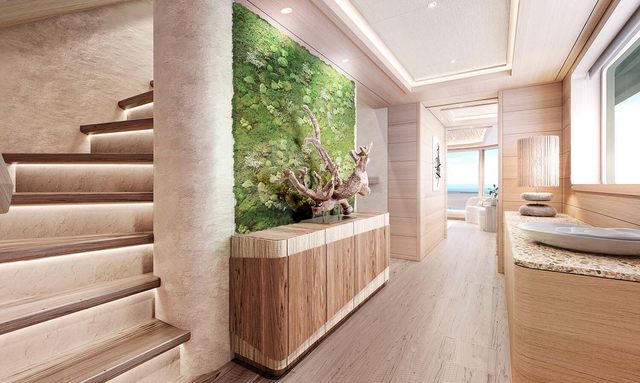
The staircase forms one of the yacht's strongest visual features. A preserved moss wall rises through the centre of the stairwell, introducing colour and texture that changes the feel of the space. Beside it, clay plaster walls and a sculptural section of elder tree root replace the polished stone and lacquer finishes more commonly found on yachts of this size. The design takes cues from natural forms rather than traditional yacht styling.
Even the flooring was developed around the owners' brief. Supplied by Mafi, the timber floor has been milled with a subtle three-dimensional wave pattern inspired by the sensation of walking barefoot across sand. The texture is designed to be felt underfoot as guests move through the yacht. Throughout the accommodation spaces, hand-loomed carpets from Sardinia are made from 100% wool and dyed using natural pigments.
Lighting received the same level of attention as the materials. Root-grown light fixtures and lampshades made from sericyne silk appear throughout the yacht, while the lighting scheme was developed to support natural circadian rhythms through softer, more ambient illumination.
Accommodation
Nasiba accommodates up to 12 guests across five cabins and carries up to 14 crew in seven cabins.
The owner's suite occupies the forward section of the main deck and forms the centre of the yacht's private living space. Alongside the sleeping area, the suite includes a dressing room, office and large en suite bathroom. Custom details continue throughout, including a woven rope headboard made using traditional techniques and wardrobe interiors lined with pressed hay and alpine flowers.
The suite connects directly to one of the yacht's most unusual wellness features. An infrared sauna sits beside the owner's bathroom, while the foredeck outside hosts a private ice plunge pool. The arrangement allows both areas to function together as part of a dedicated owner's retreat.
Four guest cabins are located on the lower deck. Each follows the same material palette found throughout the yacht, with wool carpets, natural finishes and soft lighting. The cabins provide accommodation for family and guests while maintaining a consistent atmosphere across the yacht.
Crew accommodation is arranged separately and provides space for 14 crew across seven cabins. Given the yacht's long-range role and the owner's plans for extended cruising, the substantial crew area supports both day-to-day service and the operational demands of global travel.
Performance & Capabilities
Powered by twin diesel Caterpillar (C32 ACERT) 1,000hp engines running at 1800rpm, motor yacht Nasiba is capable of reaching a top speed of 14 knots, and comfortably cruises at 10 knots. With her 65,110 litre fuel tanks she has a maximum range of 5,500 nautical miles at 10 knots.
Nasiba Yacht is not For Sale
Motor yacht Nasiba is off the market at the moment, but you can browse other Flexplorer 146/4 Yachts for sale worldwide. For more options, check out all Cantiere delle Marche Yachts for sale or search all new & used yachts for sale across the globe using YachtBuyer’s Market Watch.
If you're the yacht owner, broker, or captain, please use the "Update Sales Info" link to report any changes to the sales information. Update Sales Info