As the 2026 fleet becomes more sophisticated, the difference between a good yacht and an exceptional one is increasingly found behind the scenes. Stabilisation, noise and vibration control, crew flow, storage, tender handling and technical access may be less visible, but they have a major impact on comfort, capability and day-to-day operation.
Noise and vibration can define comfort onboard
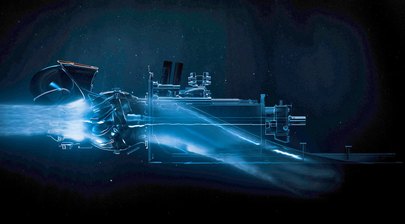
One of the least visible aspects of yacht design can also be one of the easiest to notice once onboard. Machinery isolation, propulsion configuration, acoustic insulation and the positioning of technical spaces all influence how much noise and vibration reaches guest areas, particularly when cruising or spending the night at anchor.
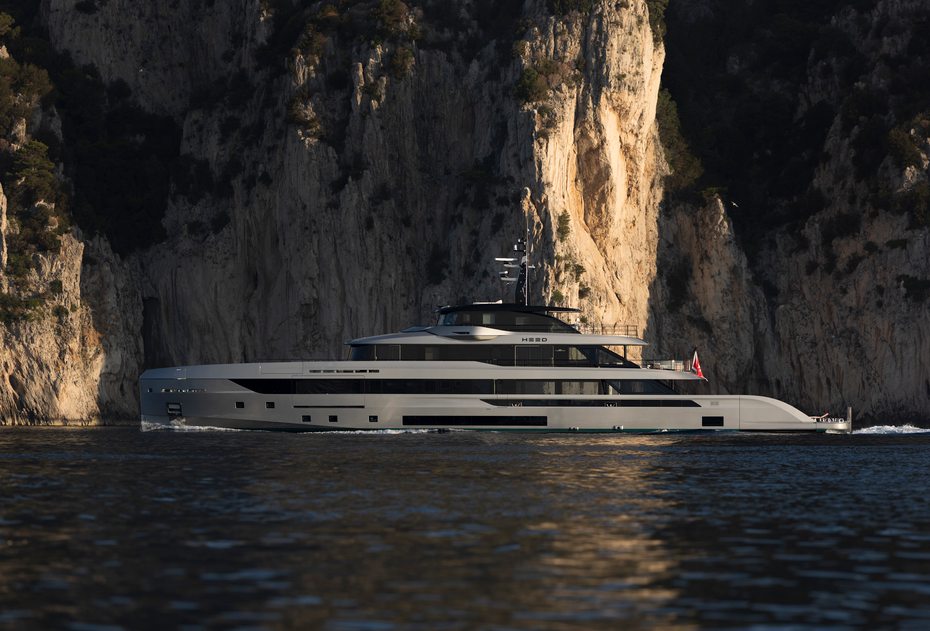
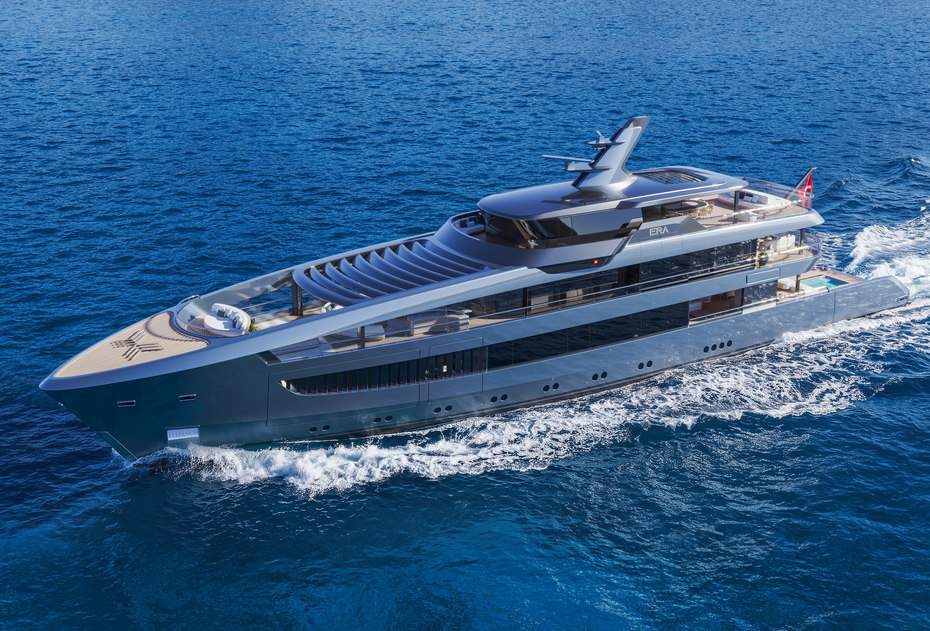
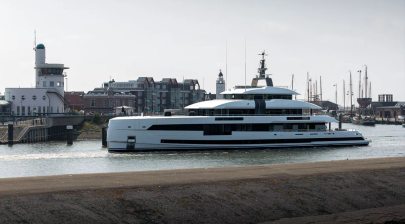
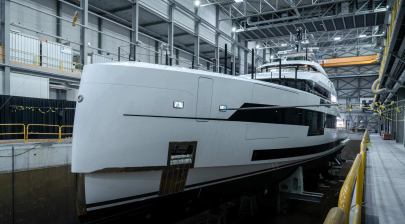
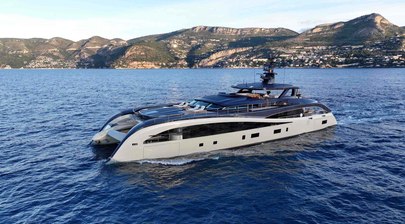
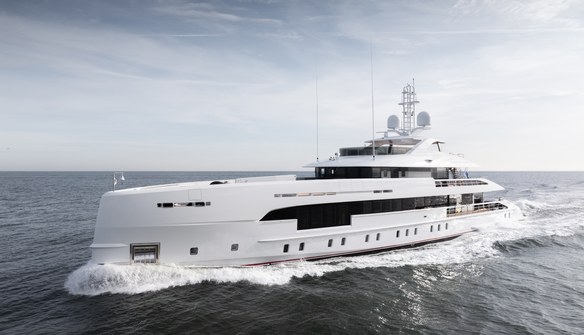
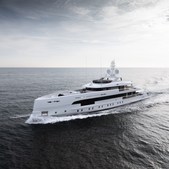
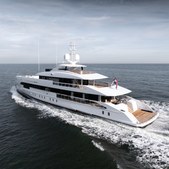
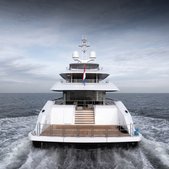
Hybrid propulsion is making this increasingly relevant in 2026, with yachts such as the 50m Heesen Orion, built on the Heesen 50m Aluminium FDHF platform, demonstrating how battery-supported operation can reduce dependence on conventional machinery at lower speeds. For buyers, propulsion specifications therefore increasingly tell a story about comfort as well as performance, making quiet overnight operation and reduced generator use worthwhile considerations alongside speed and range.
Guests
12
Cabins
6
Crew
9
Stabilisation deserves more than a line on the specification
Stabilisers are commonly listed alongside a yacht's technical equipment, but their effectiveness can have a significant influence on how comfortably the yacht is actually used. At-anchor or zero-speed systems are particularly important for owners who expect to spend extended periods outside marinas, helping to reduce rolling while guests are dining, sleeping or using the yacht's exterior spaces. Buyers comparing yachts in 2026 should therefore look beyond whether stabilisers are simply fitted and consider their type, operation at anchor and suitability for the cruising programme they have in mind.
Crew circulation is an invisible part of guest privacy
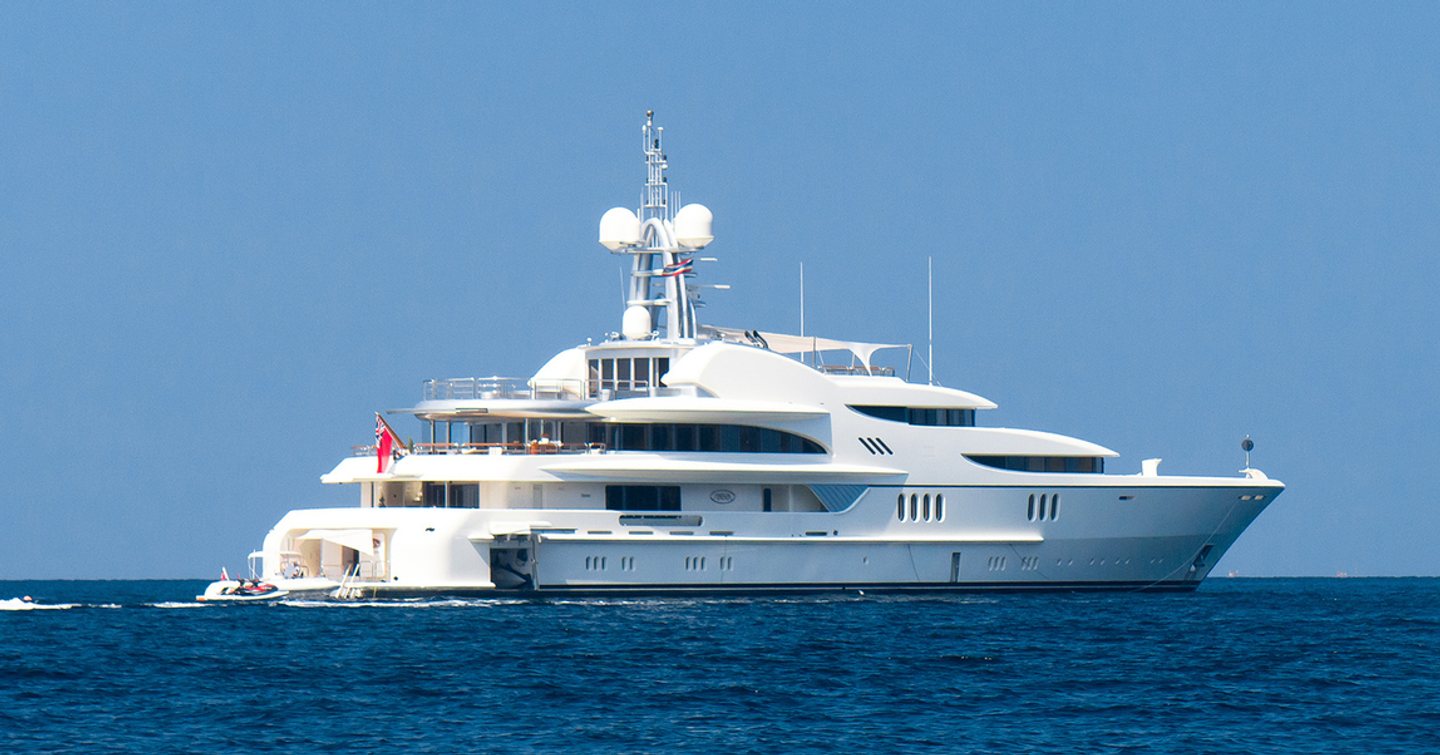
The best crew layouts are often the ones guests barely notice. Separate staircases, service corridors, pantries and direct routes between crew accommodation, the galley and technical areas allow a yacht to operate without service repeatedly crossing guest spaces. On larger yachts, this separation can extend deep into the layout, allowing crew to reach machinery spaces and service accommodation independently. The result is not an amenity that photographs particularly well, but a yacht where meals appear, cabins are serviced and technical work continues with minimal interruption to life onboard.
Range means little without the storage to support it
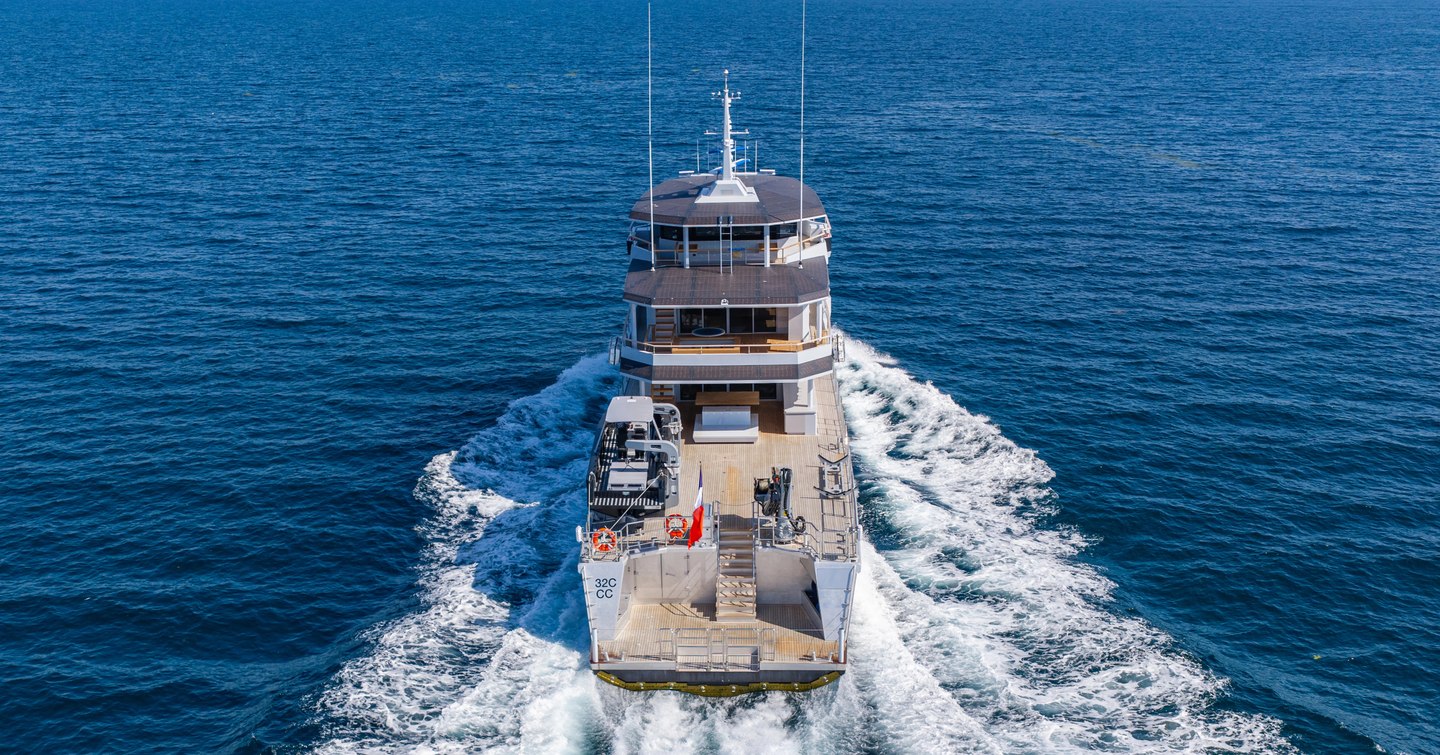
Headline range remains an important measure of cruising capability, but fuel capacity alone does not determine how independently a yacht can operate. Freshwater production, refrigerated and frozen stores, dry provisions, laundry facilities, waste management and space for spare parts all become increasingly important as cruising grounds move further from established marinas.
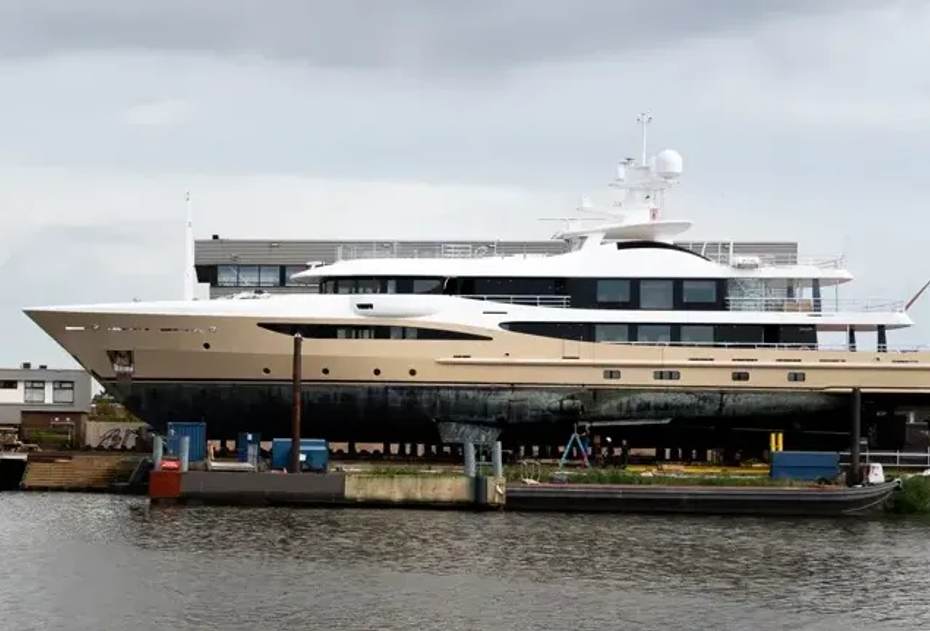
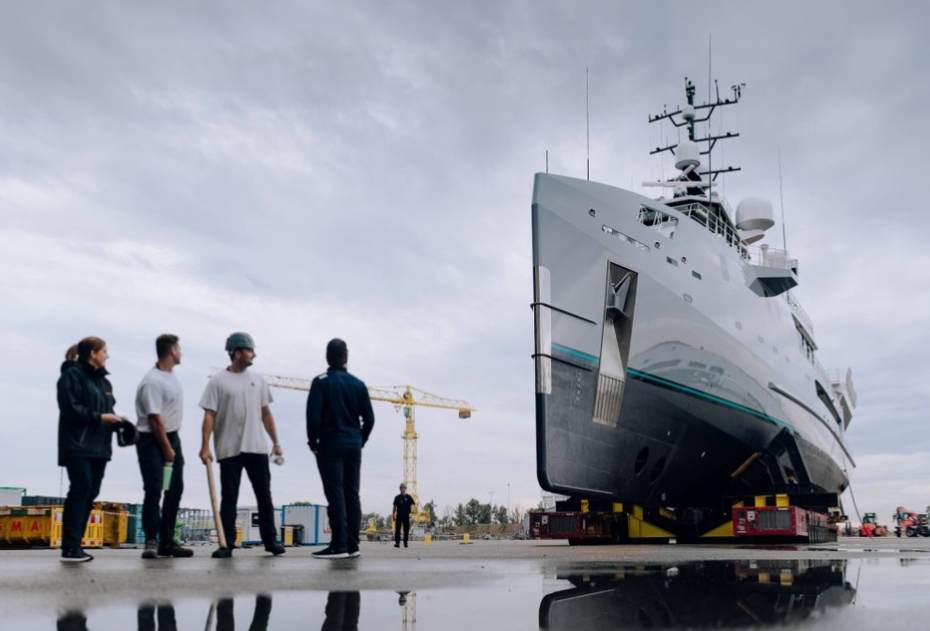
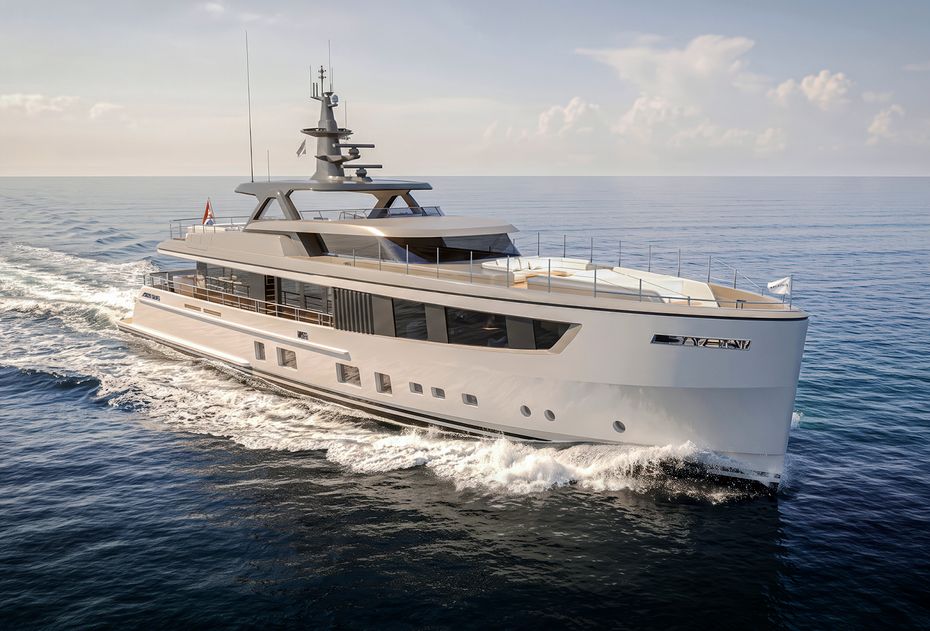
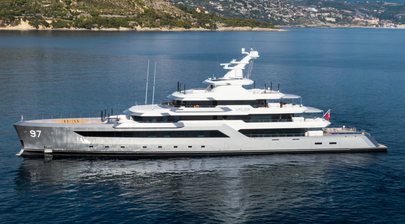
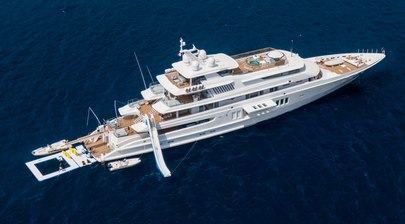
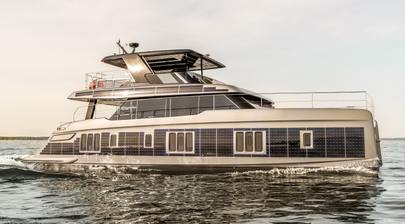
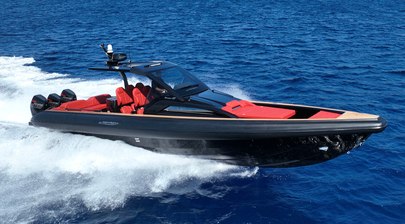
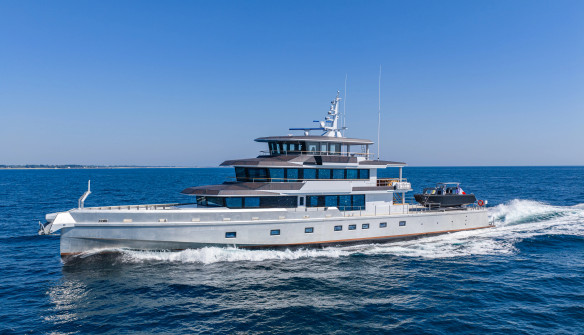
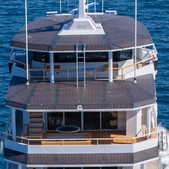
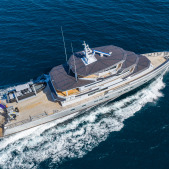
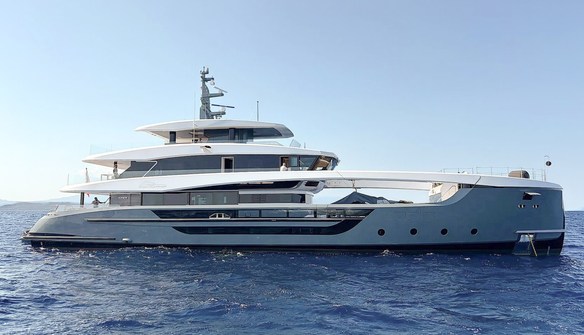
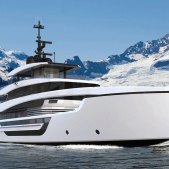
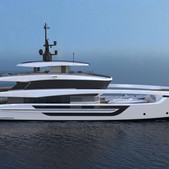
The explorer yachts entering the fleet in 2026 make that distinction particularly relevant. The recently delivered 50m JFA Yachts Canoa, for example, has a stated range of approximately 5,000 nautical miles and was developed for extended periods away from shore. The 41m Amer explorer yacht Even Further demonstrates the same focus on self-sufficiency at a smaller scale, with an explorer configuration designed to support longer periods at sea rather than simply maximise headline range.
Guests
10
Cabins
5
Crew
10


Guests
10
Cabins
5
Crew
8
For buyers considering this type of cruising, the more useful question may therefore be not simply how far a yacht can travel, but how much autonomy it offers and how long it can comfortably remain away from shore.
Tender handling matters more than the size of the garage
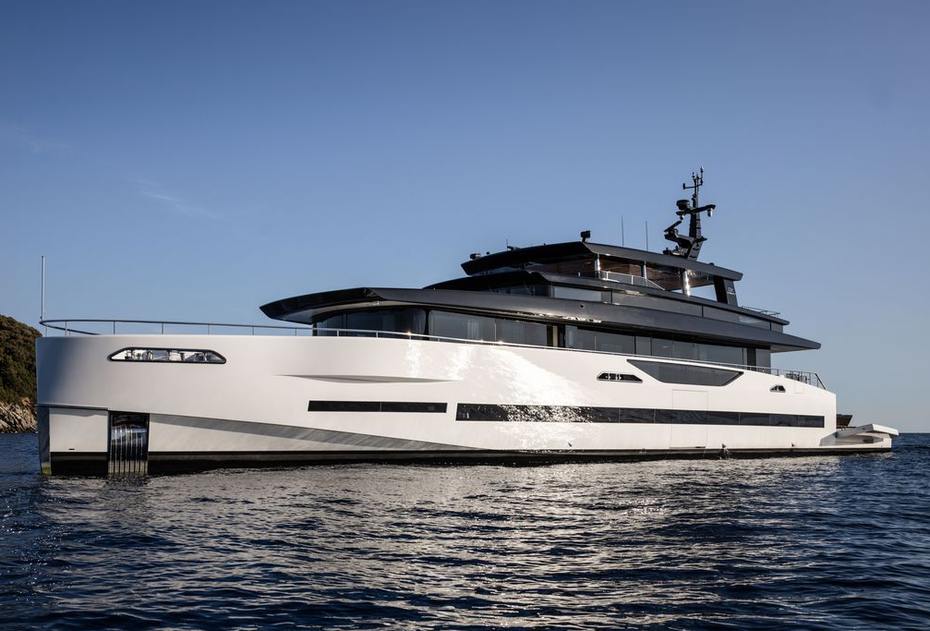
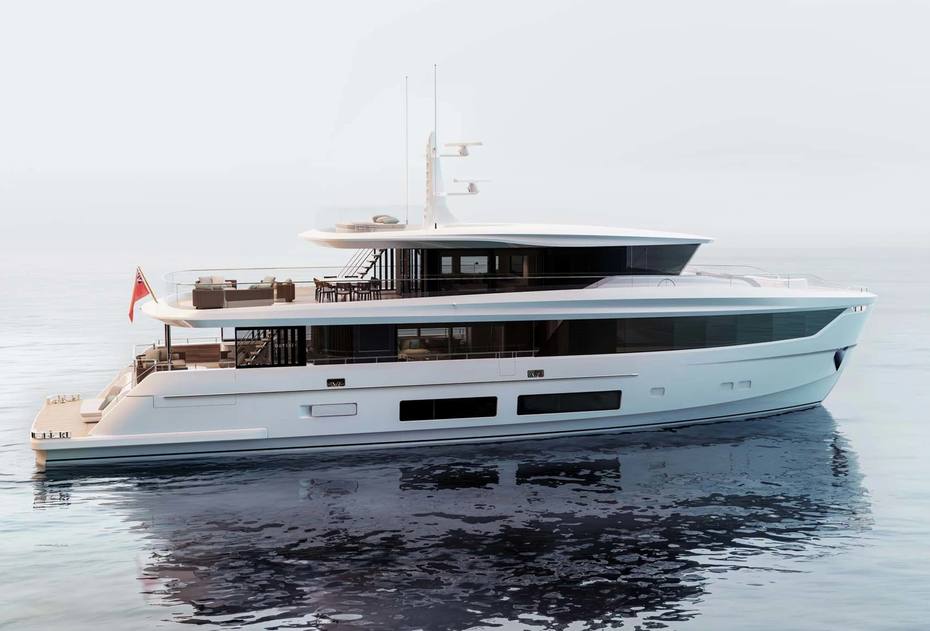
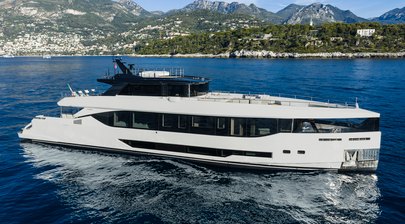
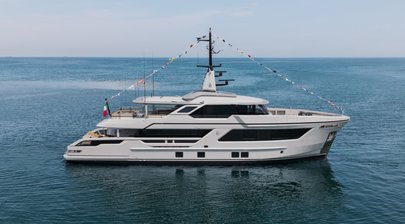
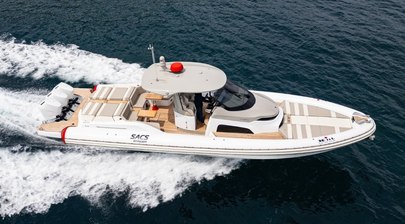
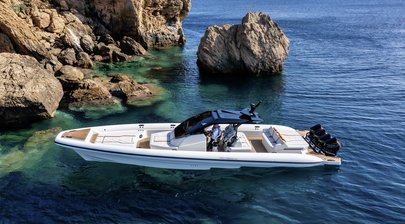
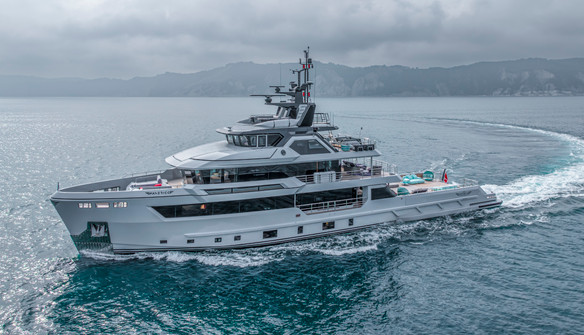
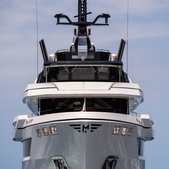
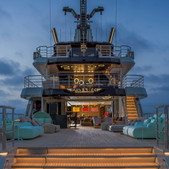
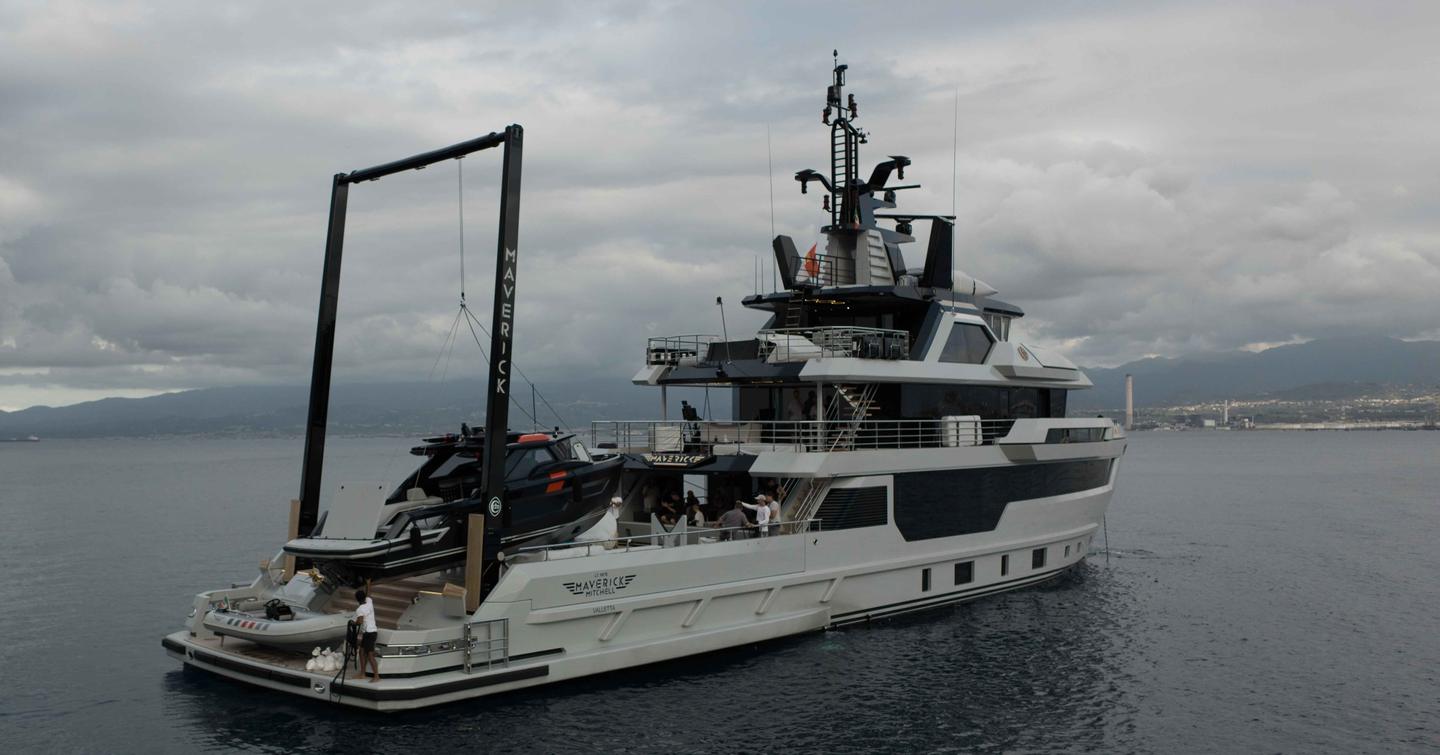
Tender garages are becoming increasingly elaborate, but capacity is only part of the equation. How quickly and safely a tender can be launched, recovered and secured can make a substantial difference to everyday use, particularly when the tender is deployed several times a day. On Maverick, the Flexplorer 146/4 from Cantiere delle Marche, a dedicated A-frame crane allows a 9.5m custom Rivellini tender and an A27 sailing boat to be launched directly from the aft cockpit, keeping tender operations separate from the principal guest areas.
Side-loading garages, dedicated cranes, hydraulic platforms and clearly separated working areas can offer similar advantages, while launch geometry, lifting points and crane capacity all need to work together as a complete system.
Guests
13
Cabins
7
Crew
7
For a buyer, this makes the practical demonstration of a tender launch potentially more revealing than simply inspecting an empty garage.
Technical access can make a yacht easier to own
Machinery spaces are unlikely to decide which yacht produces the best sales photographs, but they can matter considerably over a yacht's lifetime. Pumps, filters, electrical systems and other equipment all require inspection and maintenance, making accessibility important for engineers and shipyards. Thoughtful technical layouts can make routine servicing easier, while redundancy in critical systems becomes particularly valuable for yachts cruising far from established support networks. The growth of serious explorer yachts in 2026 is bringing greater attention to this side of yacht design, where reliability and maintainability can be as important as headline performance.
The best specification is not always the most visible
The yachts attracting attention in 2026 continue to offer increasingly elaborate pools, wellness areas, beach clubs and private owner spaces, but buyers looking beyond the initial impression can find some of the most meaningful differences elsewhere. A quieter cabin, effective stabilisation, discreet crew circulation, sufficient provisions, a tender that can be launched efficiently and machinery that engineers can actually reach may have little impact on a yacht's profile, but each can influence how successfully it performs its primary role: being used.
For prospective owners, that makes the less photographed parts of a yacht worth examining just as closely as the spaces designed to attract attention.
YachtBuyer Intelligence & MarketWatch allows buyers to look beyond individual amenities and compare yachts, models and builders across the wider market. Detailed specifications, real-time listings and market data can help reveal how differences in range, propulsion, equipment and configuration translate into the yachts currently available to buy.
Looking to buy a yacht? View all new and used superyachts for sale, tracked in real time by YachtBuyer MarketWatch. We scan the entire market to ensure access to all genuine listings, saving you time. Alternatively, you can view all other yachts for sale.